• Research
  • About
  • Experts
Carnegie India logoCarnegie lettermark logo
AI
{
  "authors": [
    "Paul Salem"
  ],
  "type": "legacyinthemedia",
  "centerAffiliationAll": "",
  "centers": [
    "Carnegie Endowment for International Peace",
    "Malcolm H. Kerr Carnegie Middle East Center"
  ],
  "collections": [
    "Arab Awakening"
  ],
  "englishNewsletterAll": "",
  "nonEnglishNewsletterAll": "",
  "primaryCenter": "Malcolm H. Kerr Carnegie Middle East Center",
  "programAffiliation": "",
  "programs": [],
  "projects": [],
  "regions": [
    "Egypt",
    "Gulf",
    "Levant",
    "Maghreb",
    "Middle East",
    "North Africa"
  ],
  "topics": [
    "Political Reform"
  ]
}
Source: Getty

In The Media
Malcolm H. Kerr Carnegie Middle East Center

'Arab Spring' Has Yet to Alter Region's Strategic Balance

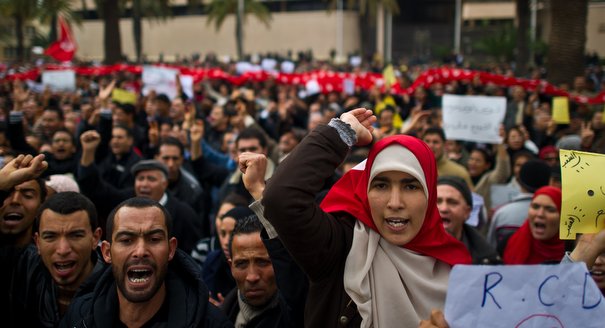
Despite their large scale repercussions for both domestic and international players, the Arab uprisings have not led to a dramatically new regional order or a new balance of power.

Link Copied
By Paul Salem
Published on May 9, 2011

Source: Los Angeles Times

'Arab Spring' Has Yet to Alter Region's Strategic
Despite their sweeping repercussions for both domestic and international players, the Arab uprisings have not led to a dramatically new regional order or a new balance of power. This could change, particularly if developments in Syria continue to escalate.
 
While Iran has welcomed uprisings against Western-backed regimes in Egypt and Tunisia, it dealt harshly with its own protesters and has been worried about recent events in Syria. Moreover, countries that threw out pro-Western dictators are not moving closer to Iran.
 
Egypt's and Tunisia’s future foreign policies are more likely to resemble Turkey's in becoming more independent while remaining allied with the West. And Iran's soft power has decreased as its regime looks increasingly repressive and new models of revolutionary success have emerged in Tunisia, Egypt, and other parts of the Arab world.   
 
Turkey, for its part, bungled the opportunity to take advantage of this historic shift to bolster its influence in the Arab world. The Arab uprisings are effectively calling for the Arab world to be more like Turkey: democratic, with a vibrant civil society, political pluralism, secularism alongside Islam, and a productive and fairly balanced economy. However, after expressing clear support for Egyptian protesters, Turkey has hedged its bets in Libya and Syria.
 
Turkey has over $15 billion in business contracts with Moammar Kadafi's Libya and has built a close relationship with Syrian President Bashar Assad. Turkey's foreign policy of "zero problems" with neighbors is becoming harder to implement as peoples and governments in the neighborhood are increasingly on opposite sides.
 
Although Arab public opinion has held Turkey in very high esteem in past years, recent events have tarnished that image. This could have been Turkey's moment in the Middle East; the moment was lost. 
 
Saudi Arabia has been taken aback by the loss of old allies and remains worried about increased Iranian influence, but has maintained its sphere of influence. Its military intervention in Bahrain shows that Riyadh is extremely worried not only about Iranian influence but about the wave of democratic change, and still has not figured out a way to achieve a balance between addressing growing demands by citizens for better governance and social justice, while keeping Iranian influence out of the Gulf Cooperation Council.
 
Although the United States has generally suffered setbacks from the events of the past months, it is adjusting quickly to the new realities and stands to remain a key player in the coming period. It has not lost its leverage despite the demise of its main Egyptian and Tunisian allies, and has expressed support for protests after realizing they were not dominated by radical groups and that they echoed Western values.     
 
Emerging global powers such as Russia, China, India and Brazil have had mixed reactions to the "Arab Spring." All were reluctant to approve Western-led military intervention in Libya, expressing concerns ranging from the risk of higher oil prices to a potential spillover effect on their shores.  
 
As for Israel, even though its peace treaty with Egypt will remain in place, it no longer has any friends in the region after the departure of Egyptian President Hosni Mubarak, its declining relations with Turkey and growing unrest in Jordan. The recent Fatah-Hamas accord underlines Israel's predicament. Two difficult challenges lie ahead: The Palestinian Authority's unilateral move to declare Palestinian statehood by the end of the year and a potential Palestinian popular uprising encouraged by the success of neighboring populations.
 
Although the Arab Spring has been largely about internal democracy and reform, it has affected all of the major regional and international actors. However, so far there has been no major shift in the balance of power or the basic pattern of regional relations.
 
Events in the coming weeks and months could still surprise us. Most important, any dramatic change in Syria would be a major blow for Iranian influence, as Syria has been a key ally in helping project Iranian power into Lebanon and the Arab-Israeli arena. 

About the Author

Paul Salem

Senior Fellow at the Middle East Institute

Paul Salem is a senior fellow at the Middle East Institute.

    Recent Work

  • Paper
    Iraq’s Tangled Foreign Interests and Relations

      Paul Salem

  • Article
    Bracing for Impact in Syria

      Paul Salem

Paul Salem
Senior Fellow at the Middle East Institute
Paul Salem
Political ReformEgyptGulfLevantMaghrebMiddle EastNorth Africa

Carnegie India does not take institutional positions on public policy issues; the views represented herein are those of the author(s) and do not necessarily reflect the views of Carnegie, its staff, or its trustees.
More Work from Carnegie India

  • Article
    A Path Out of Tunisia’s Economic Crisis

    President Kais Saied has won a second term in office, but his country is facing a host of problems that necessitate urgent reforms, above all preventing the possibility of a financial meltdown. 
      Ishac Diwan, Hachemi Alaya, Hamza Meddeb
  • Article
    Risk and Retaliation: Israel, Iran, and the Evolving Situation in West Asia

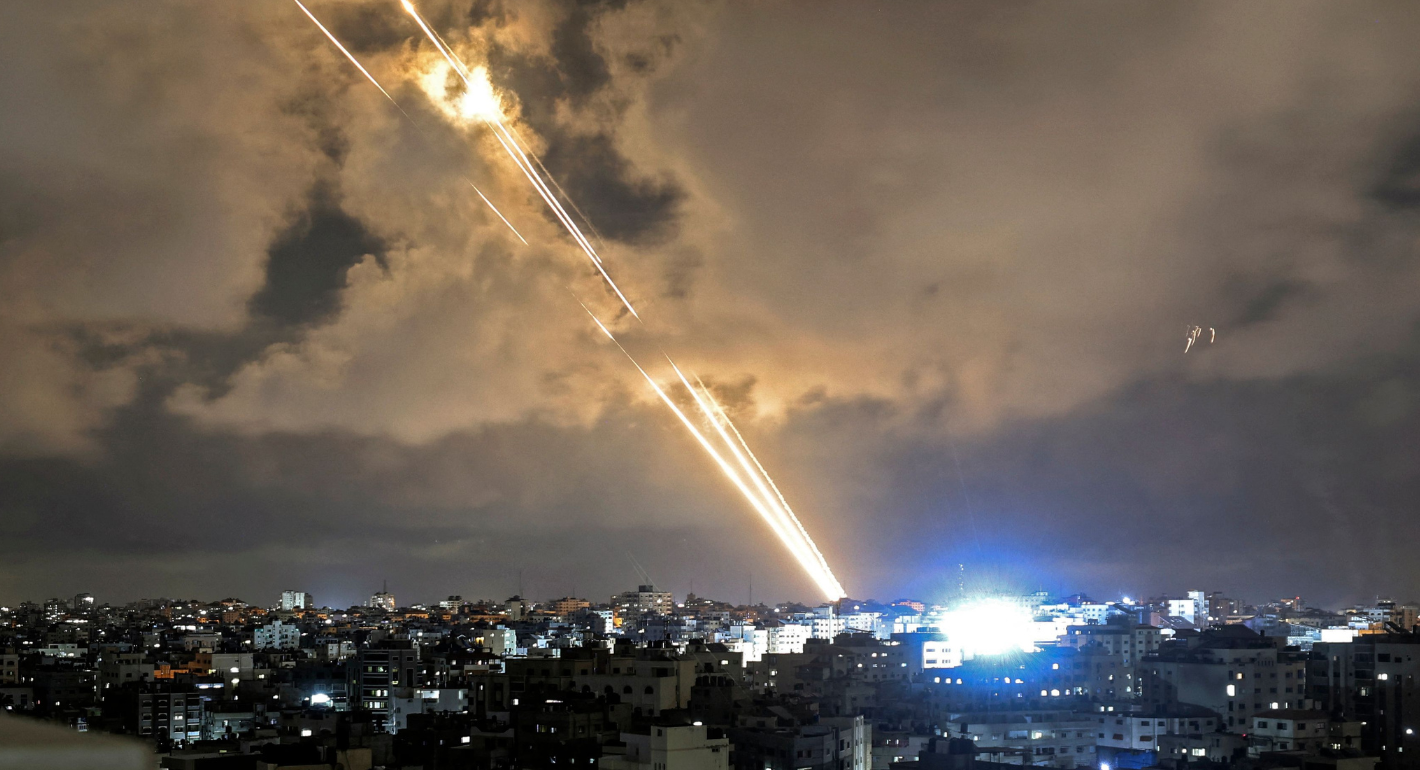
    An Israeli response to Iran’s October 1 attack is imminent. The key question is of its intensity and potential fallout, both within Iran, in terms of nuclear security policy changes, and across the broader region. The coming days are likely to reshape West Asia irreversibly.
      Gaddam Dharmendra
  • Paper
    India’s Sustained Economic Recovery Will Require Changes to Its Bankruptcy Law

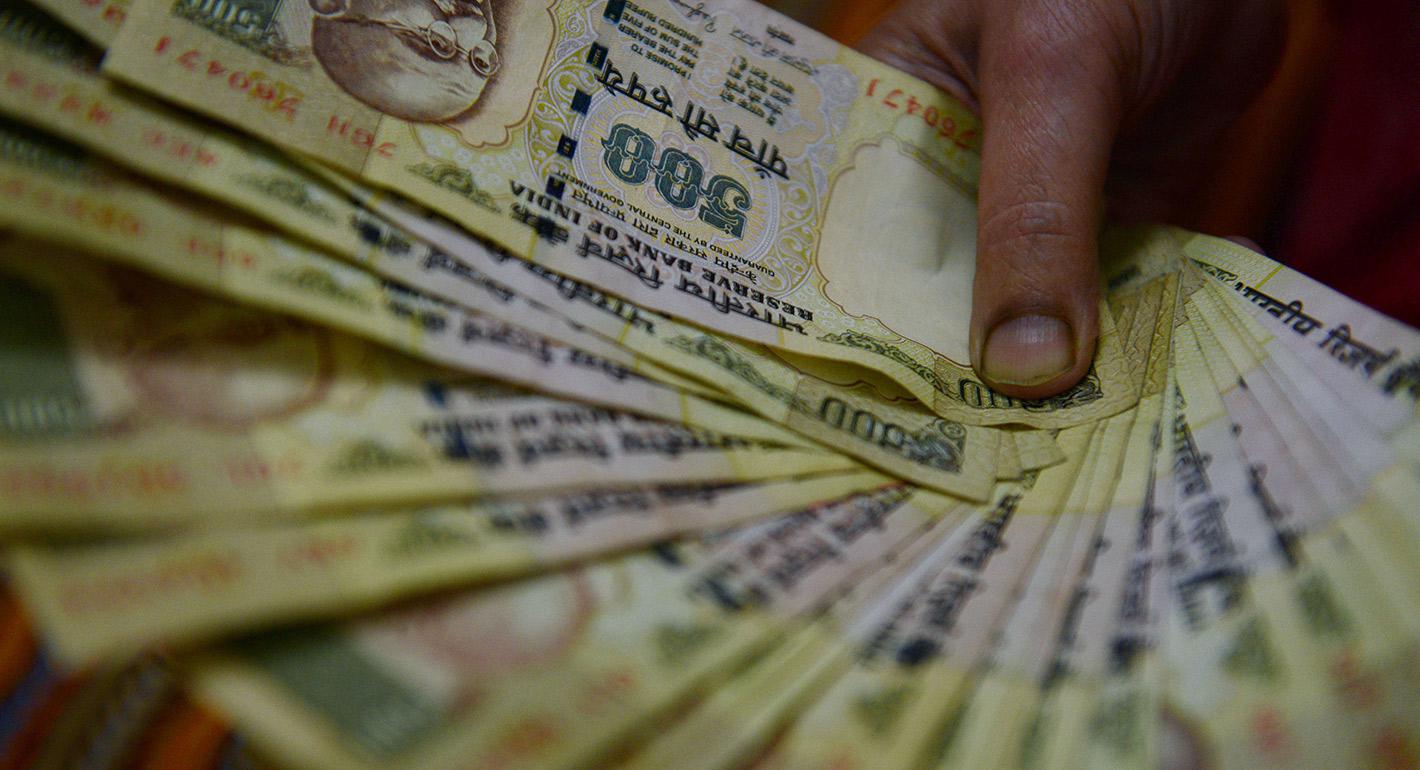
    As India’s economy recovers from the coronavirus pandemic, Indian businesses need efficient financial structures to regain their ground. Key reforms to India’s Insolvency and Bankruptcy Code could fill these gaps.

      Anirudh Burman

  • Paper
    Cross-Border Data Access for Law Enforcement: What Are India’s Strategic Options?

    Access to cross-border data is an integral piece of the law enforcement puzzle. India is well placed to lead the discussions on international data agreements subject to undertaking necessary surveillance reforms.
      Smriti Parsheera, Prateek Jha
  • Article
    The BRI in Post-Coronavirus South Asia

    After the coronavirus pandemic wanes, how will China’s reorientation of the Belt and Road Initiative to address global health concerns influence its relationships with South Asian countries?

      Deep Pal, Rahul Bhatia

Get more news and analysis from
Carnegie India
Carnegie India logo, white
Unit C-4, 5, 6, EdenparkShaheed Jeet Singh MargNew Delhi – 110016, IndiaPhone: 011-40078687
  • Research
  • About
  • Experts
  • Projects
  • Events
  • Contact
  • Careers
  • Privacy
  • For Media
Get more news and analysis from
Carnegie India
© 2026 Carnegie Endowment for International Peace. All rights reserved.