

Commentary
Alexey Malashenko
{
  "authors": [
    "Alexey Malashenko"
  ],
  "type": "legacyinthemedia",
  "centerAffiliationAll": "",
  "centers": [
    "Carnegie Endowment for International Peace",
    "Malcolm H. Kerr Carnegie Middle East Center",
    "Carnegie Russia Eurasia Center"
  ],
  "collections": [],
  "englishNewsletterAll": "",
  "nonEnglishNewsletterAll": "",
  "primaryCenter": "Carnegie Russia Eurasia Center",
  "programAffiliation": "",
  "programs": [],
  "projects": [
    "Eurasia in Transition"
  ],
  "regions": [
    "Egypt",
    "Gulf",
    "Levant",
    "Maghreb"
  ],
  "topics": []
}
Source: Getty
Russia plays an extremely important role as mediator in the current Libyan conflict. If Moscow can succeed in this role, there would be a clear positive benefit to Libya and its neighbors.
Source: RIA Novosti's Russian Angle

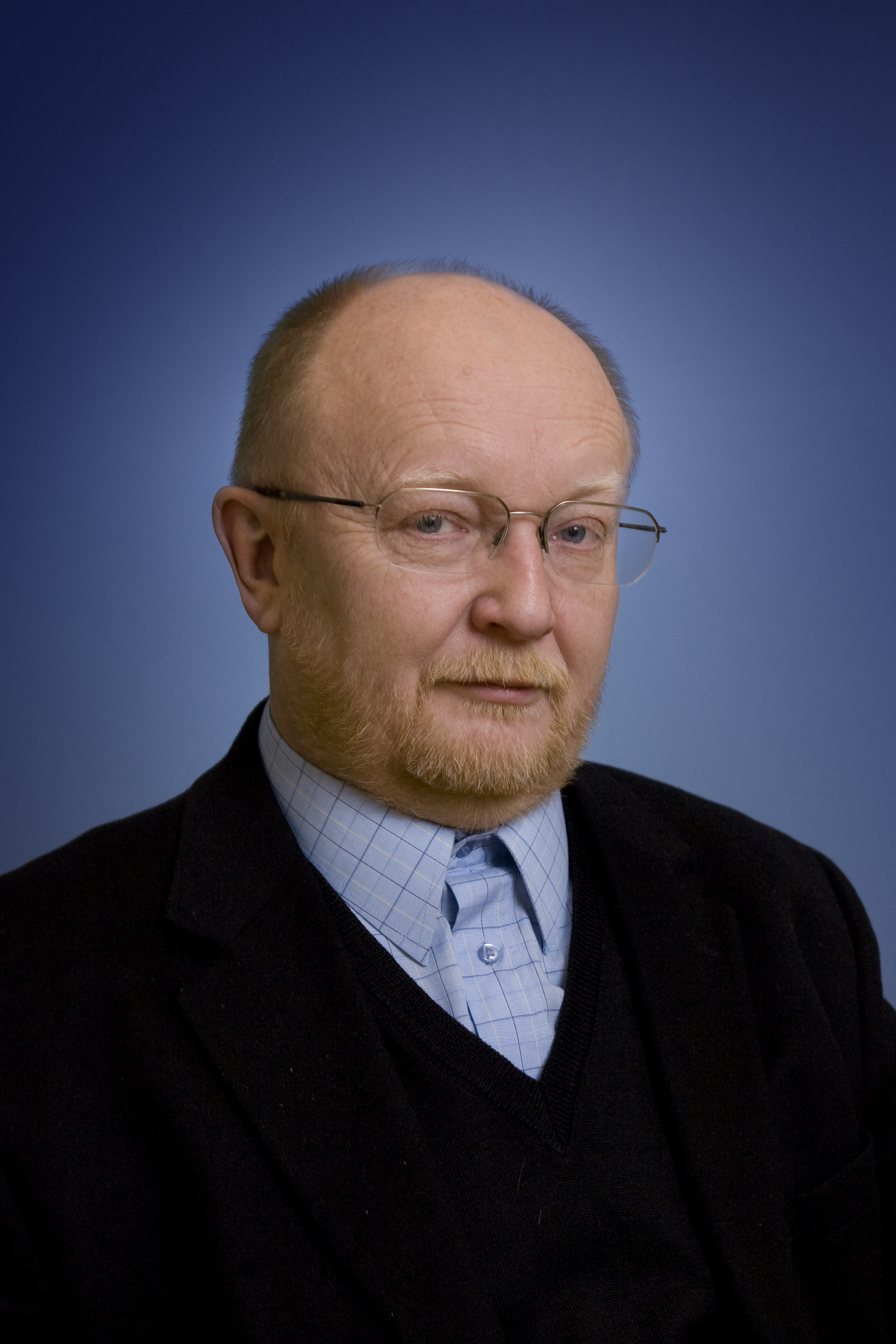
Speaking on RIA Novosti, Carnegie Moscow's Alexey Malashenko notes that Russia plays an extremely important role as mediator in the current Libyan conflict. If Russia can succeed in this role, there would be a clear positive benefit to Libya and its neighbors. Turning to the increasing violence in other parts of the region, Malashenko argued that a Libya-style involvement by the West in Syria would be a “big mistake,” as it could destabilize the region in unpredictable ways, and that a revolution in Yemen could lead to Islamic radicalization in neighboring states, including as Sudan, Somalia, and Eritrea.
Former Scholar in Residence, Religion, Society, and Security Program
Malashenko is a former chair of the Carnegie Moscow Center’s Religion, Society, and Security Program.
Recent Work
Alexey Malashenko
Alexey Malashenko
It has been a rather long learning curve for New Delhi to separate presumed transcendental religious solidarity and the logic of national self-interest in engaging the Middle East.
C. Raja Mohan
As New Delhi prepares to host the Saudi Crown Prince Mohammed bin Salman, India must come to terms with an unfamiliar idea—“nationalism in Arabia”.
C. Raja Mohan
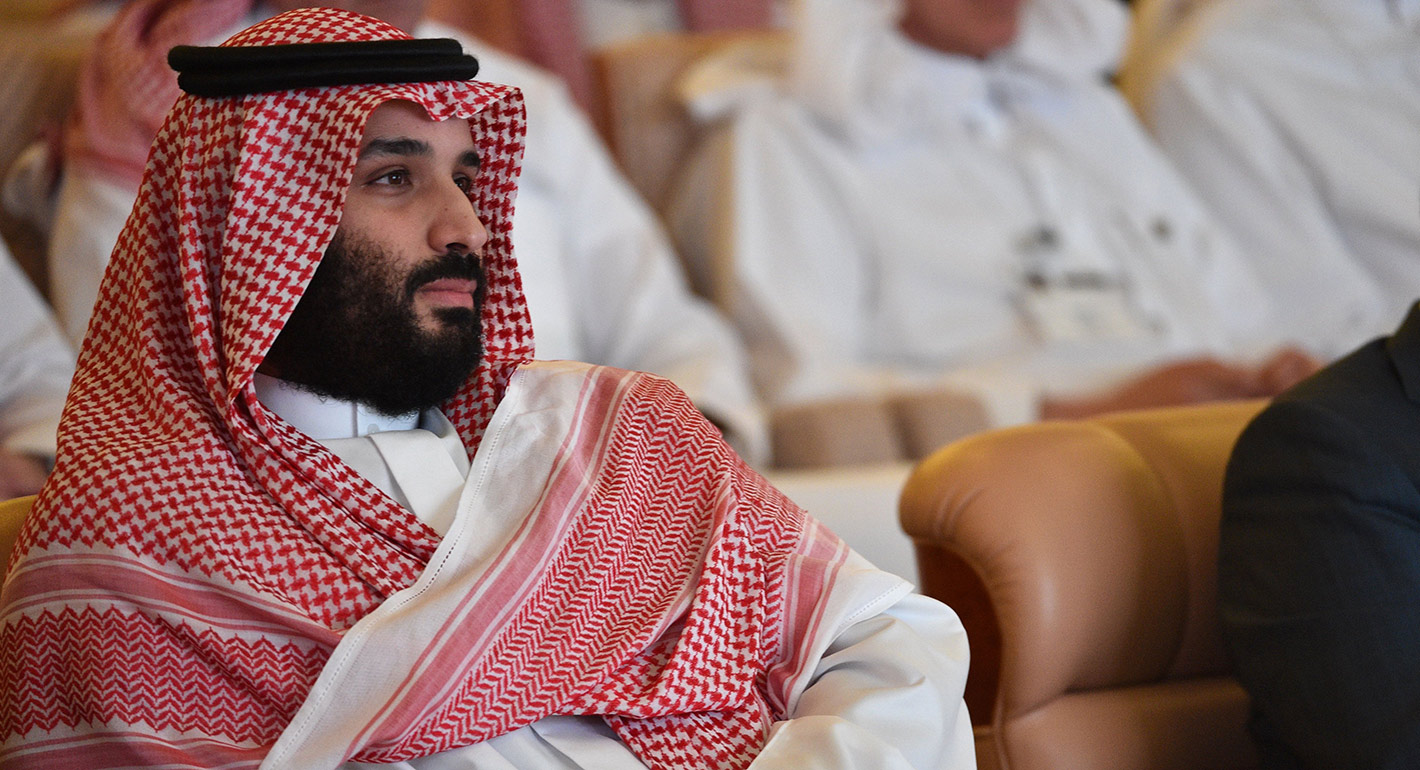
Saudi Crown Prince Mohammed bin Salman’s visit to India—as part of a larger tour of Asia, including Pakistan and China—should mark the consolidation of two important trends and help initiate a significant third.
C. Raja Mohan
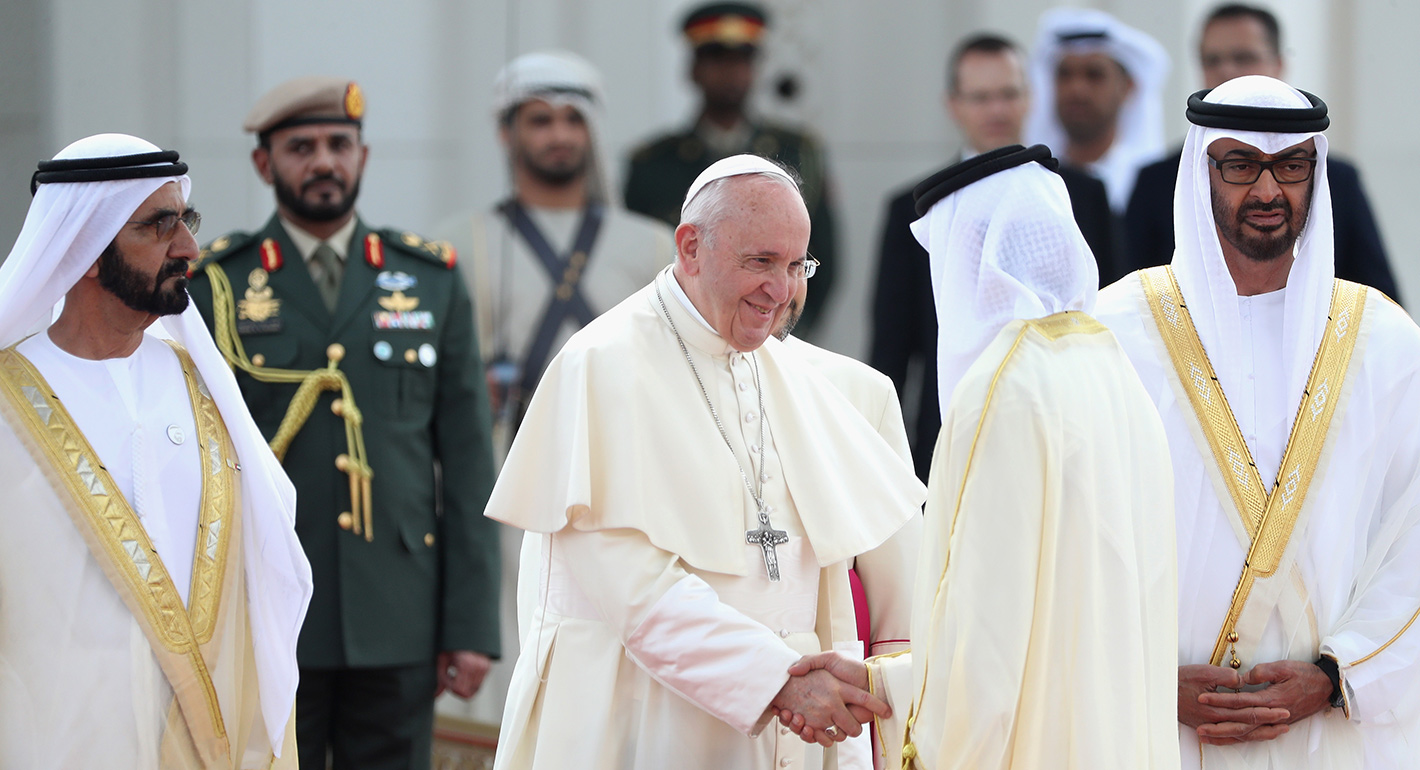
For both the United Arab Emirates and Saudi Arabia, the new emphasis on separating religion from politics and confronting “political Islam” is not a question of defining an abstract theory of the state. It is a considered response to the grave challenges they face.
C. Raja Mohan
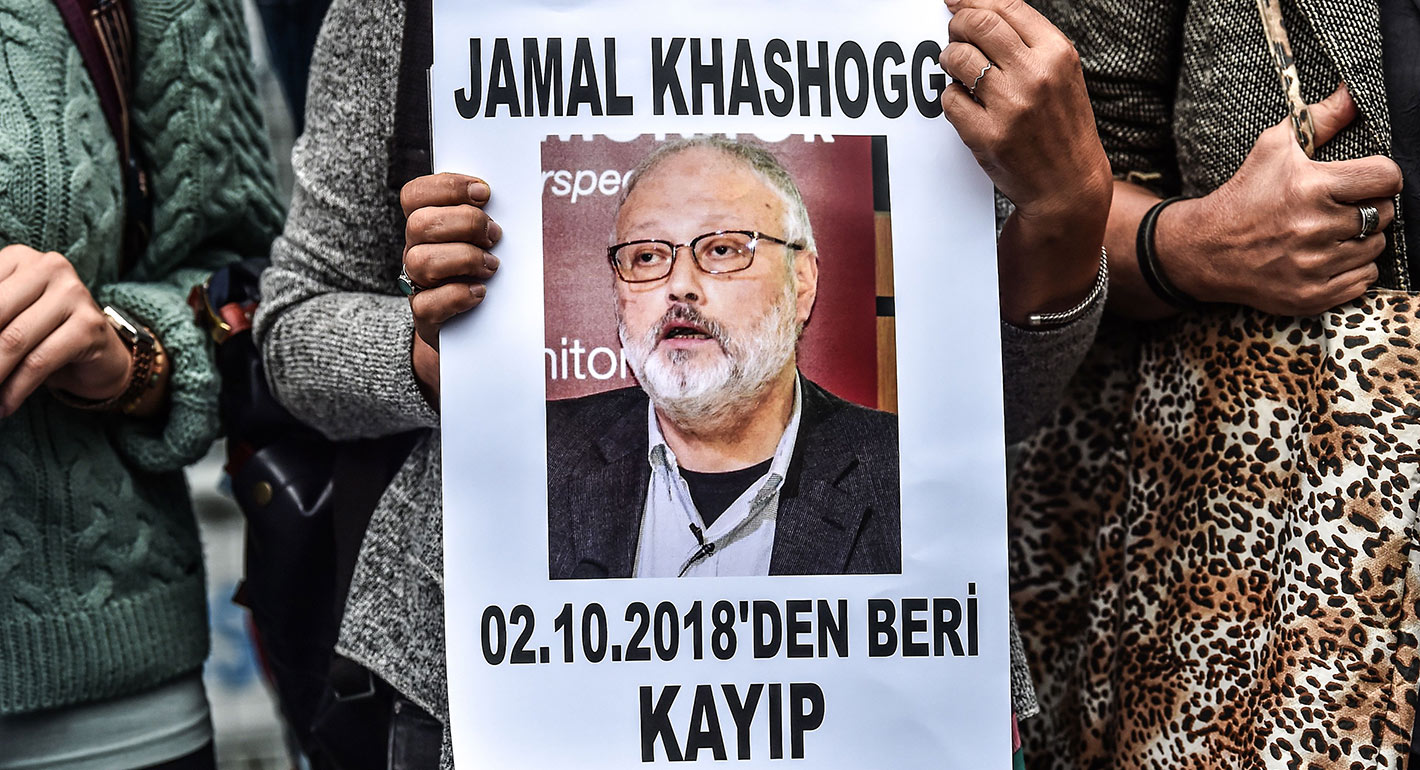
The outrageous murder of the Saudi dissident Jamal Khashoggi in the kingdom’s consulate in Istanbul has brought into sharp relief the deepening conflict between Riyadh and Ankara.
C. Raja Mohan