

In The Media
Petr Topychkanov
{
  "authors": [
    "Petr Topychkanov"
  ],
  "type": "legacyinthemedia",
  "centerAffiliationAll": "",
  "centers": [
    "Carnegie Endowment for International Peace",
    "Carnegie Russia Eurasia Center"
  ],
  "collections": [],
  "englishNewsletterAll": "",
  "nonEnglishNewsletterAll": "",
  "primaryCenter": "Carnegie Russia Eurasia Center",
  "programAffiliation": "",
  "programs": [],
  "projects": [
    "Eurasia in Transition"
  ],
  "regions": [
    "South Asia",
    "Pakistan"
  ],
  "topics": [
    "Political Reform",
    "Military"
  ]
}
Source: Getty
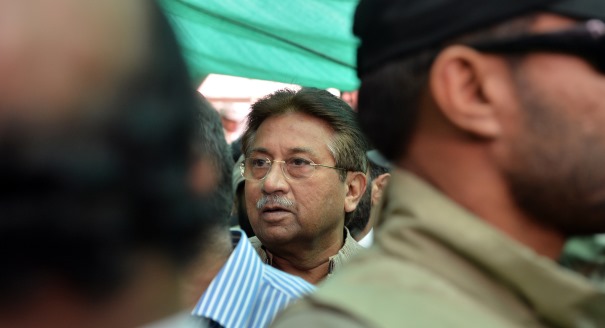
The arrest of Pervez Musharraf is a momentous event for Pakistan, since his conviction would deprive the country’s military establishment of impunity it has long enjoyed.
Source: Voice of Russia's Morning Show
After returning from a four-year exile, Pervez Musharraf is in custody. Carnegie Moscow Center’s Petr Topychkanov spoke about reasons for Musharraf’s return to Pakistan after four years of exile and his recent arrest with Voice of Russia’s Ric Young.Regarding Musharraf’s reasons to return and participate in elections, Topychkanov noted that the former Pakistani president and top commander hoped for the support of the military establishment and military-owned businesses. However, while in exile he was unable to accurately gauge the changes in the Pakistan’s political environment , Topychkanov said. Musharraf thus made a mistake deciding to return to the country, where he actually had no support whatsoever.
According to Topychkanov, the arrest of Musharraf is a momentous event for Pakistan since his conviction would deprive the country’s military establishment of the legal impunity it has been enjoying for a long time.
Topychkanov admitted that there is no doubt the judges will try to bring all the possible charges against Musharraf, including the assassination of Benazir Bhutto. However, it is hard to predict whether he will be imprisoned since he will try to reach some sort of agreement with Pakistani judges and current politicians, Topychkanov concluded.
Former Fellow, Nonproliferation Program, Moscow Center
Topychkanov was a fellow in the Carnegie Moscow Center’s Nonproliferation Program.
Recent Work
Petr Topychkanov
Petr Topychkanov
Carnegie India does not take institutional positions on public policy issues; the views represented herein are those of the author(s) and do not necessarily reflect the views of Carnegie, its staff, or its trustees.
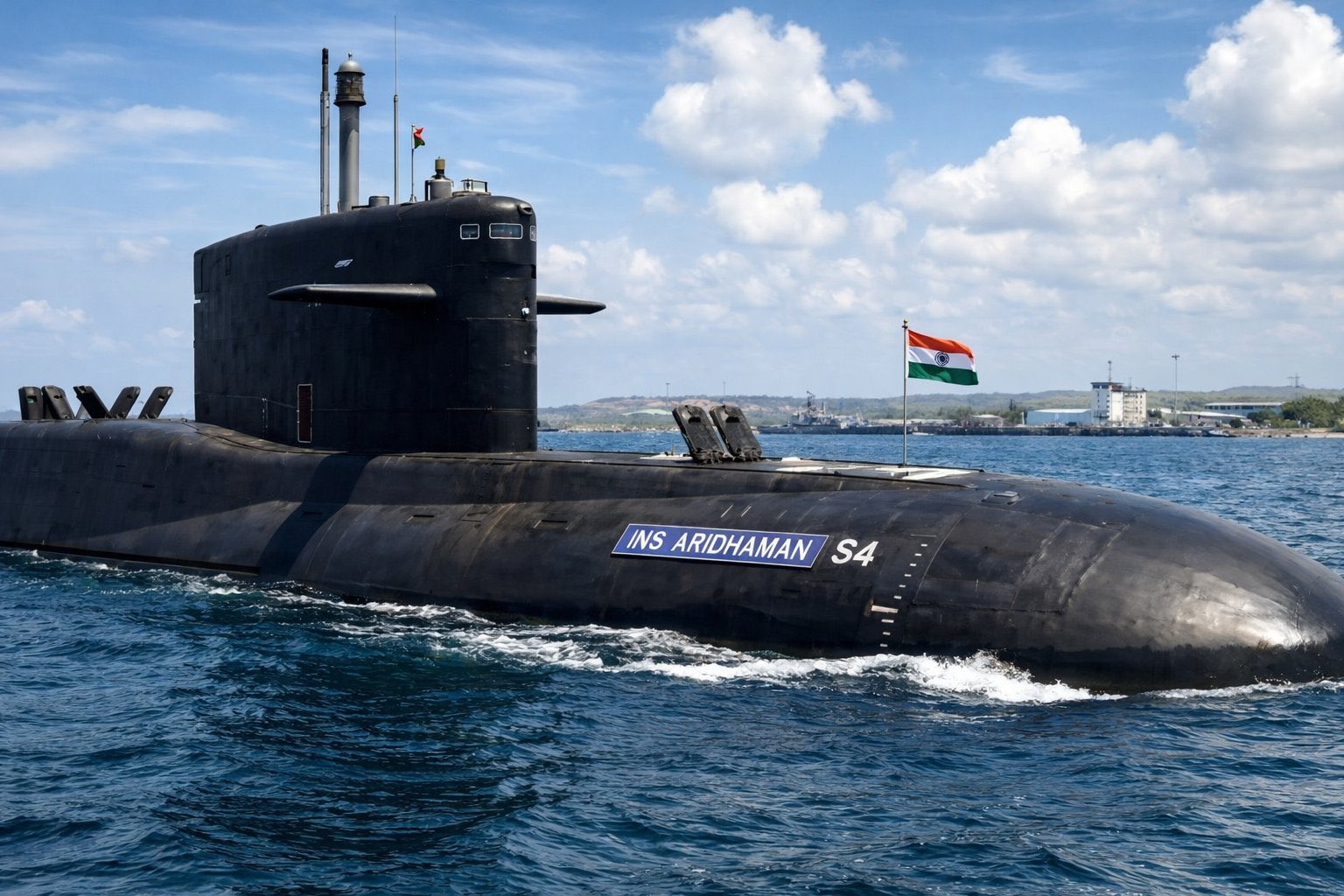
The induction of INS Aridhaman, which features several technological enhancements, now gives India the third nuclear ballistic missile submarine to ensure continuous at-sea deterrent.
Dinakar Peri
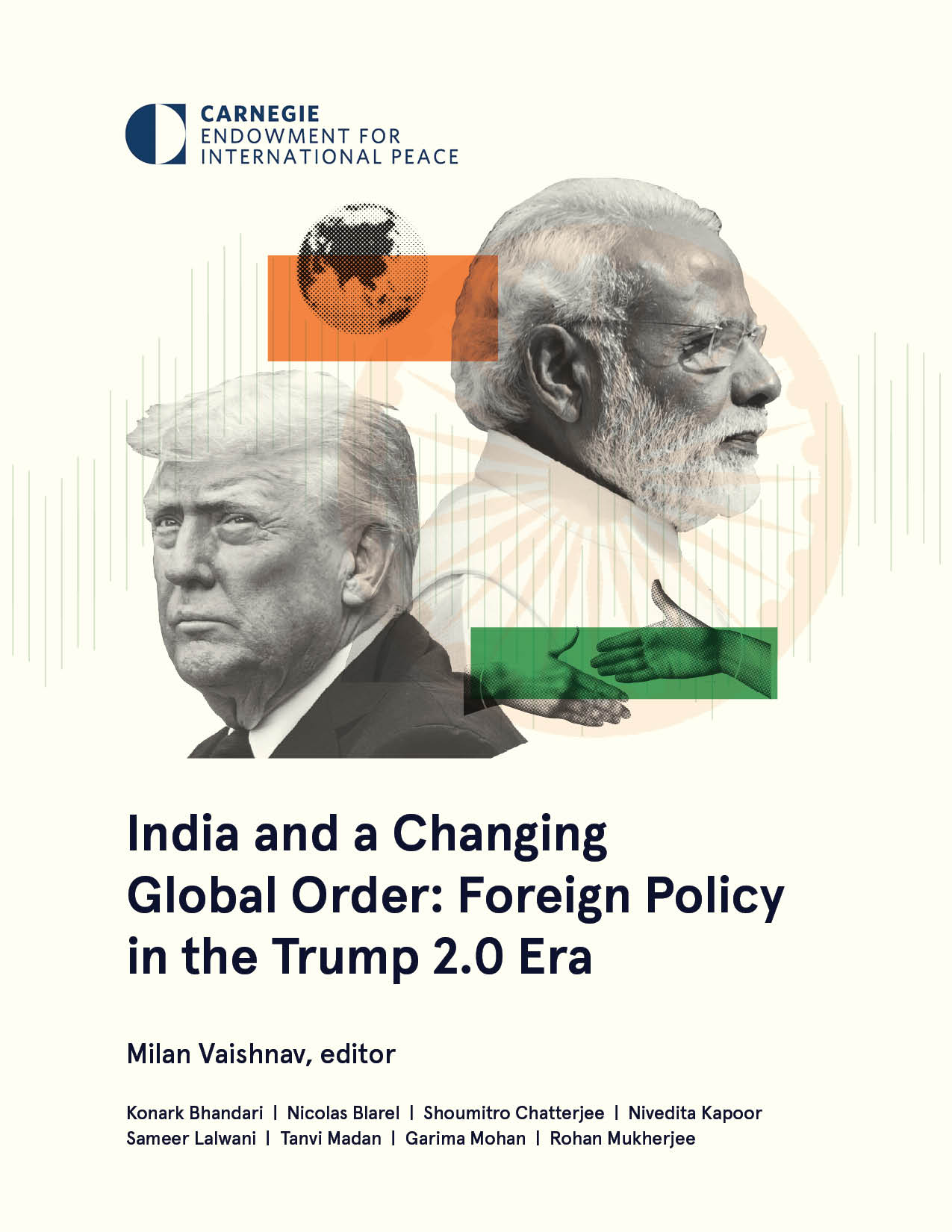
Trump 2.0 has unsettled India’s external environment—but has not overturned its foreign policy strategy, which continues to rely on diversification, hedging, and calibrated partnerships across a fractured order.



Milan Vaishnav, ed., Sameer Lalwani, Tanvi Madan, …
This book examines the impact of cross-border violence on communities living along the Line of Control and the International Border in Jammu and Kashmir, India.


Deep Pal, Surya Valliappan Krishna, Saheb Singh Chadha
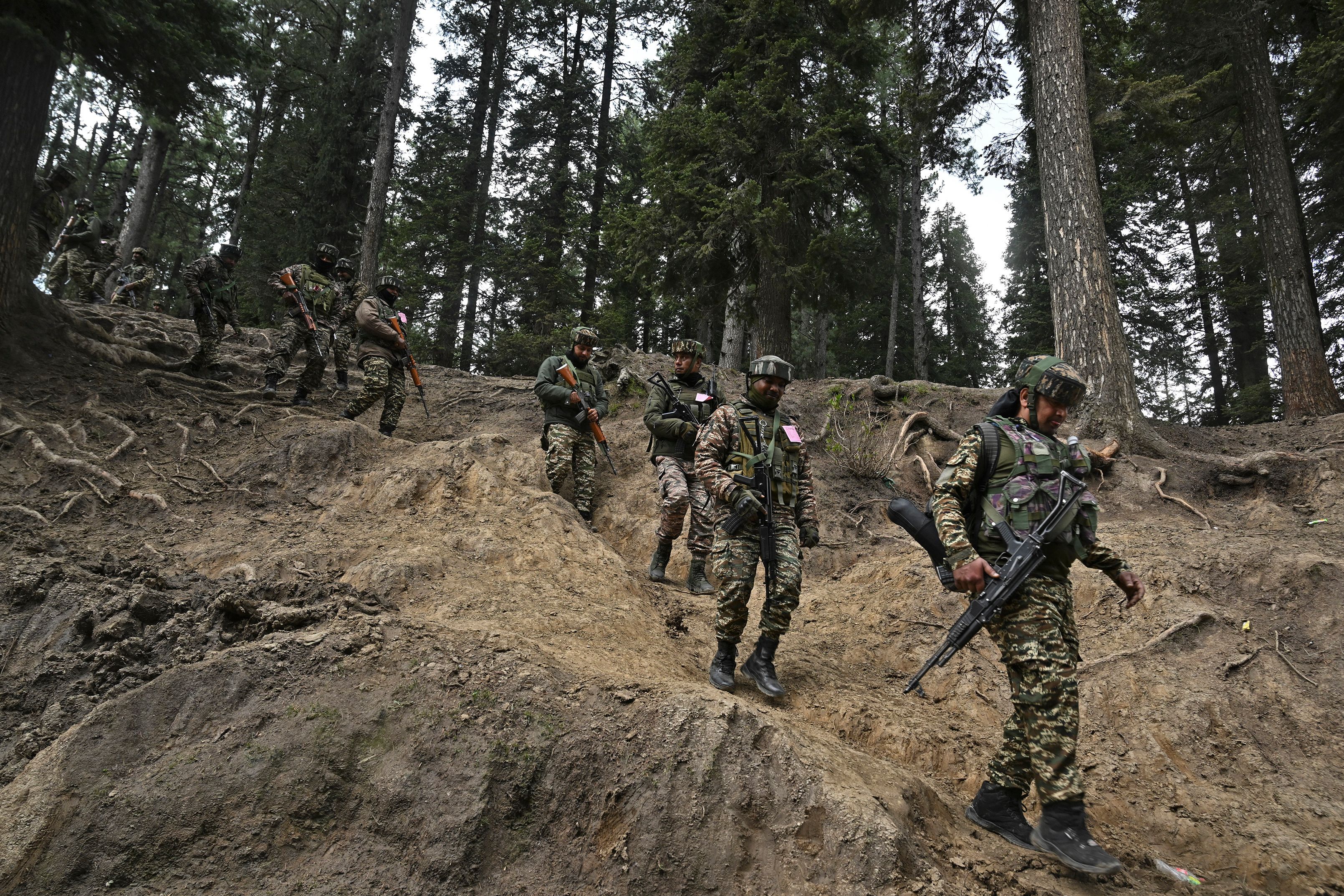
On May 7, 2025, between 1:05 and 1:30 a.m. (IST), airstrikes carried out by the Indian Air Force hit nine locations inside Pakistan and Pakistan occupied Kashmir (PoK). It was codenamed Operation Sindoor.

Rudra Chaudhuri

This compendium provides an independent look at how to get the most out of India’s current technology ecosystem, and the measures that may need to be adopted or re-considered in order to build a lasting and enduring framework for policy changes in the select areas under the current administration.

Konark Bhandari, Ajay Kumar, Amlan Mohanty, …