

In The Media
David Rothkopf
{
  "authors": [
    "David Rothkopf"
  ],
  "type": "legacyinthemedia",
  "centerAffiliationAll": "",
  "centers": [
    "Carnegie Endowment for International Peace"
  ],
  "collections": [],
  "englishNewsletterAll": "",
  "nonEnglishNewsletterAll": "",
  "primaryCenter": "Carnegie Endowment for International Peace",
  "programAffiliation": "",
  "programs": [],
  "projects": [],
  "regions": [
    "North America",
    "South America",
    "Middle East",
    "North Africa",
    "Egypt"
  ],
  "topics": [
    "Political Reform",
    "Democracy",
    "Civil Society"
  ]
}
Source: Getty
The greatest force to be overcome in governments and societies everywhere is inertia. Demonstrations are easy. Lasting change is hard.
Source: Foreign Policy
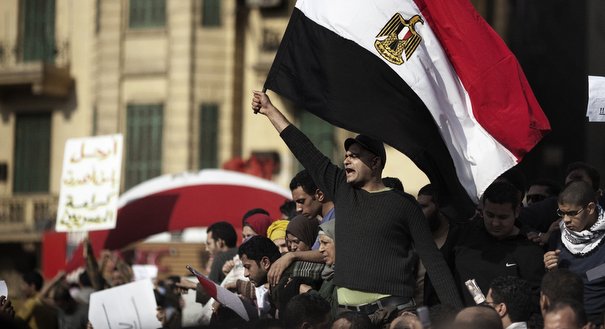
Few things can be as inspiring -- or misleading -- as the sight of millions of people gathered in protest. From Egypt (again) to Turkey to Brazil, we have recently seen stirring displays of people power, prompting commentators to suggest (again) that we are living in the new 1848 -- an era of discontent in which the world's emergent middle classes are finding their voices.
Putting aside the fact that many of those protesting in the Arab world and in other regions rattled recently by civil unrest are not yet middle class by any reasonable definition, the analogy holds in one particularly important respect: The revolutions of 1848 failed to produce real, immediate change. They upset the establishment to be sure, and they had longer-term consequences that should not be discounted. But they also frittered out or were quashed for an important reason: The revolutionaries were better at organizing protests than they were at institutionalizing their movements or creating, cultivating, and empowering leaders who could master existing institutions.The genius of the American Revolution was that its leaders were good not only at promoting upheaval, but also at creating mechanisms to foster that upheaval over several years (a Continental Congress, a Continental Army). And then, once victory had been achieved, they created a constitutional government that protected itself while enshrining the principles they had fought for in a system that would both protect those principles and resist the efforts of counterforces to reassert themselves. The system allowed for pluralistic expression of views and smooth transitions among political groups within the society. In other words, the system preserved and was actually sustained by the energy of the revolution.
Look at some of the recent outpourings of public discontent that have captured our imaginations in the past couple of decades. Tiananmen Square. The uprisings that brought down the Soviet Union. Iran's Green Revolution. Tahrir Square. Revolutions in Libya, Tunisia, and elsewhere in the Arab world. Taksim Square. In each case, even where revolutions have brought seeming change, the protesters were hardly among the greatest beneficiaries of the outcomes.
There were really two kinds of outcomes. In the first, there was precious little change at all -- as in the case of China, Iran, or, to date, Turkey. In the second, the change shifted power from one entrenched elite to another: Russia may not be communist, but it is run by a former KGB officer in a very undemocratic way; in Egypt, the Muslim Brotherhood sought to fill the void created when Hosni Mubarak was pushed out, and if the current protests there play out, expect the military to resume primary control of the state, reversing the "reforms" demanded by President Mohamed Morsy.
Certainly, there are exceptions. The wave of revolutions that swept through Central and Eastern Europe brought real change and democratic government to a swath of the continent. But for each such exception -- the Philippines' People Power Revolution might be another -- there are as many or more examples of protests going for naught or being exploited by the already-powerful to consolidate their grip on the countries. Ask Jennifer Lopez what kind of Soviet-style strongman she was singing "Happy Birthday" to the other day in Turkmenistan? Look elsewhere in the 'stans. Sometimes, where there is no effective organized political force behind the revolution -- as in Libya -- the result is years of festering unrest.
Brazil's Dilma Rousseff deserves real credit for seeking to listen to protesters in her country and for moving to change laws that had superempowered the political establishment and protected its members as they parlayed their jobs into illicit income and a place seemingly above the law. But, again, she was already president and had a history as a revolutionary and as a leader of a political party that was born of a protest movement. She sees change and listening to the people as part of her mandate. And she may well be able to turn that into another term in office if she follows through on the reforms she proposed last week.
But in places like the Arab world, the hopes of revolutionaries are more likely to turn into frustrations -- just as they did for the members of the Occupy movement, which, for all the soundness behind its campaign against inequality and the concentrated power of the 1 percent, now looks more like a worldwide tantrum than the beginning of a new era.
It is great that new technologies enable crowds to gather quickly, communicate among themselves, learn new slogans, and be briefed on the latest developments. They can help translate feelings into nationwide actions with unprecedented speed. But if the elites have the money, control the military, control the police, control the mechanisms of political expression, if they can use the means of the state to suppress upheaval or if they can exploit revolutions to advance their own agendas versus those of other elites, they become hard to dislodge -- especially for movements without real leaders, clear agendas, strong political organizations, or effective plans for enshrining their values were they ever to gain power.
Frustrated with the unreliable and sometimes menacing Morsy, the United States and other Western powers may welcome the return of the Egyptian military to power if it comes to that, just as they embraced the dubious Morsy and his counterparts in Libya. As great powers, they are more interested in stability than in empowering people who would upset the established actors they are used to working with -- which means those in the international system are complicit in preserving the status quo.
That underscores a point long understood by many students of power: The greatest force to be overcome in governments and societies everywhere is inertia. Demonstrations are easy. Lasting change is hard. Those who hope for it in the Arab world and elsewhere must focus more on training oppositions in the long game of getting and consolidating power and less on how today's chants are playing on CNN or in the Twitterverse.
Former Visiting Scholar
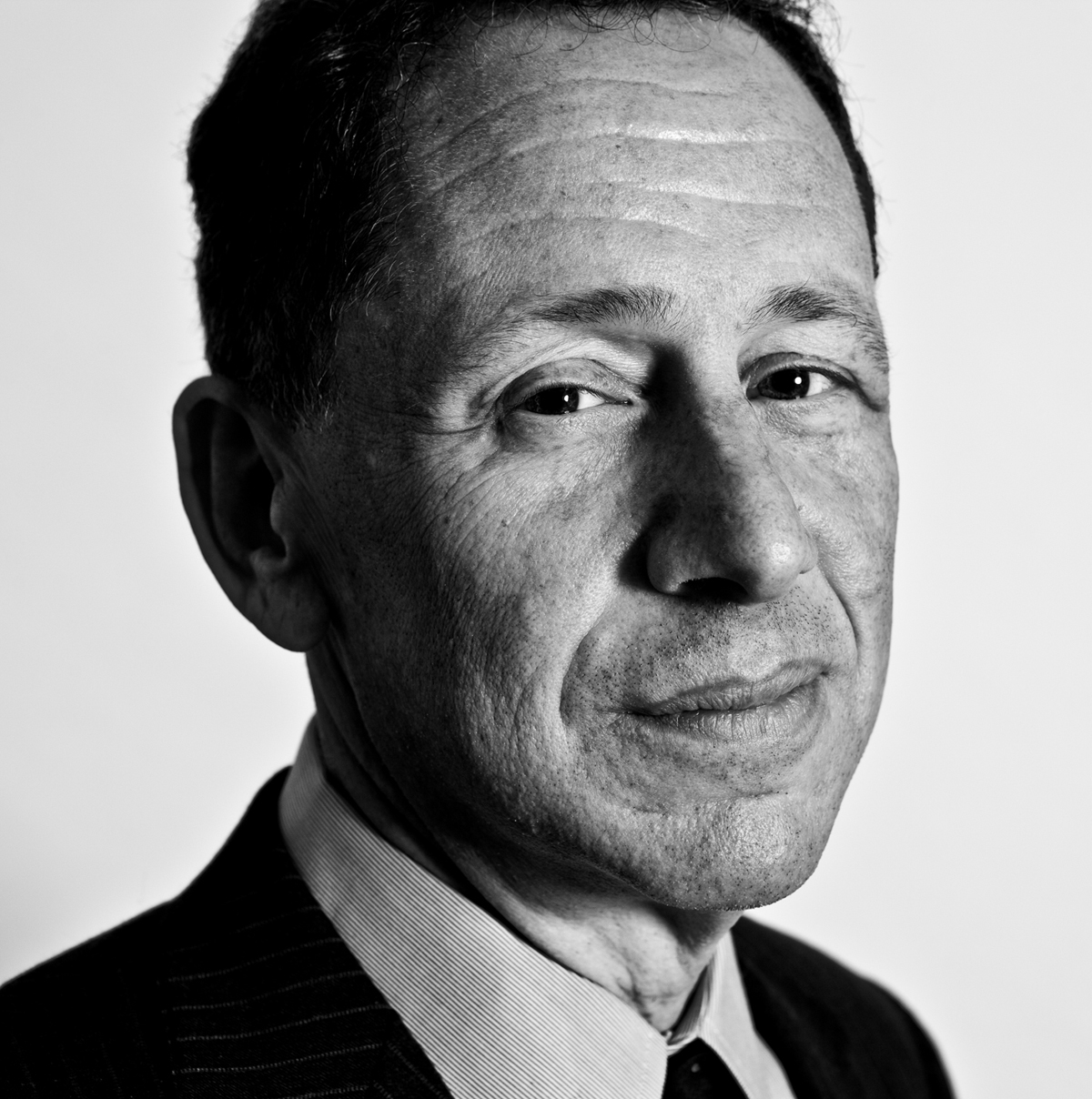
David Rothkopf was a visiting scholar at the Carnegie Endowment as well as the former CEO and editor in chief of the FP Group.
Recent Work
David Rothkopf
David Rothkopf
Carnegie India does not take institutional positions on public policy issues; the views represented herein are those of the author(s) and do not necessarily reflect the views of Carnegie, its staff, or its trustees.

A partnership between India, a country of subcontinental size, and Africa, a continent of fifty-four countries, may seem asymmetric until one notes that both are home to nearly the same number of people—1.4 billion. This essay spells out the existing challenges to the partnership, its optimal potential, and the possible pathways to realize it over the next quarter-century.

Rajiv Bhatia

This commentary explores the likely actions of the Trump administration and driving forces on issues of deregulation, the United States’ leadership in AI, national security, and global engagements on AI safety.

Shatakratu Sahu, Amlan Mohanty
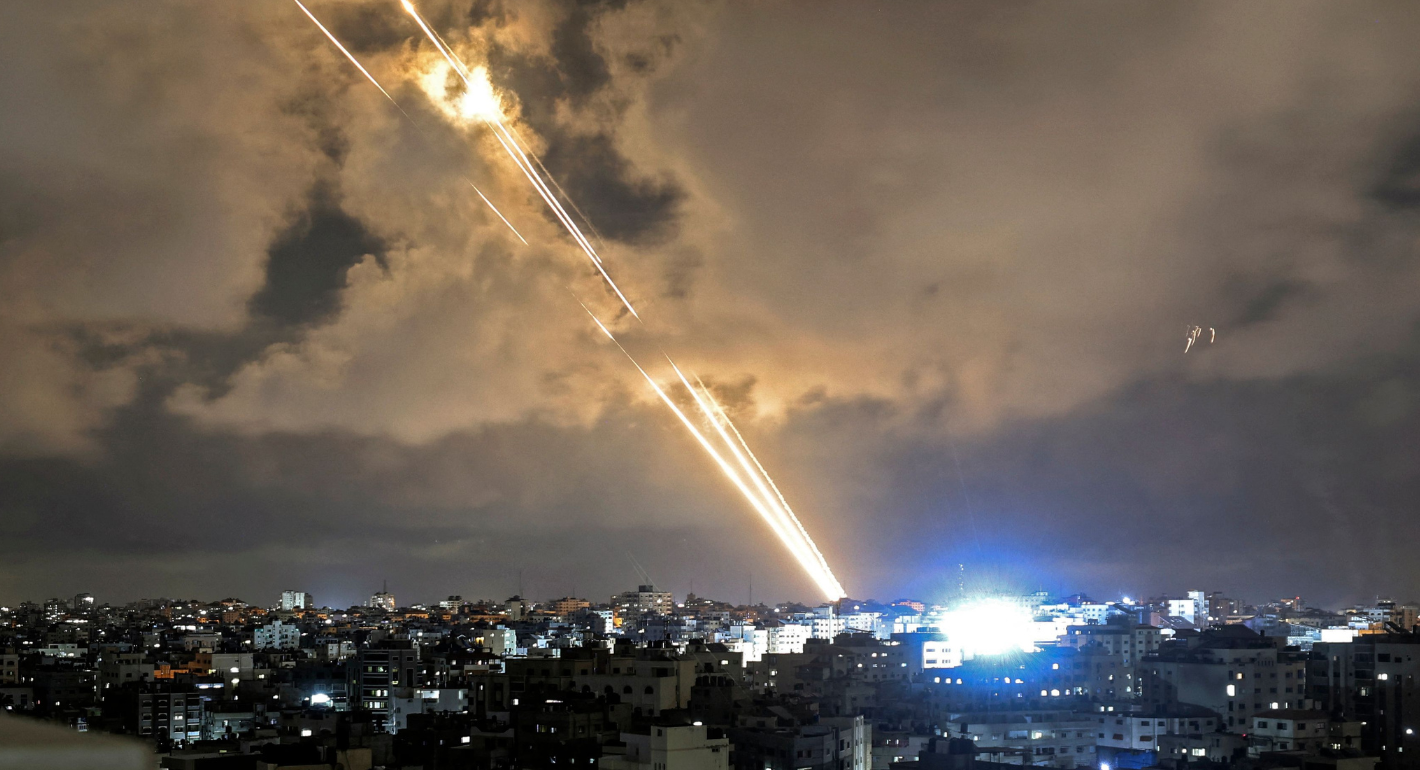
An Israeli response to Iran’s October 1 attack is imminent. The key question is of its intensity and potential fallout, both within Iran, in terms of nuclear security policy changes, and across the broader region. The coming days are likely to reshape West Asia irreversibly.
Gaddam Dharmendra

Since its launch nearly a year ago, the INDUS-X has marked many milestones in the India-U.S. relationship. Much has been achieved, but there is room to further enhance defense cooperation between the two countries in the coming years.

Ajay Kumar, Tejas Bharadwaj
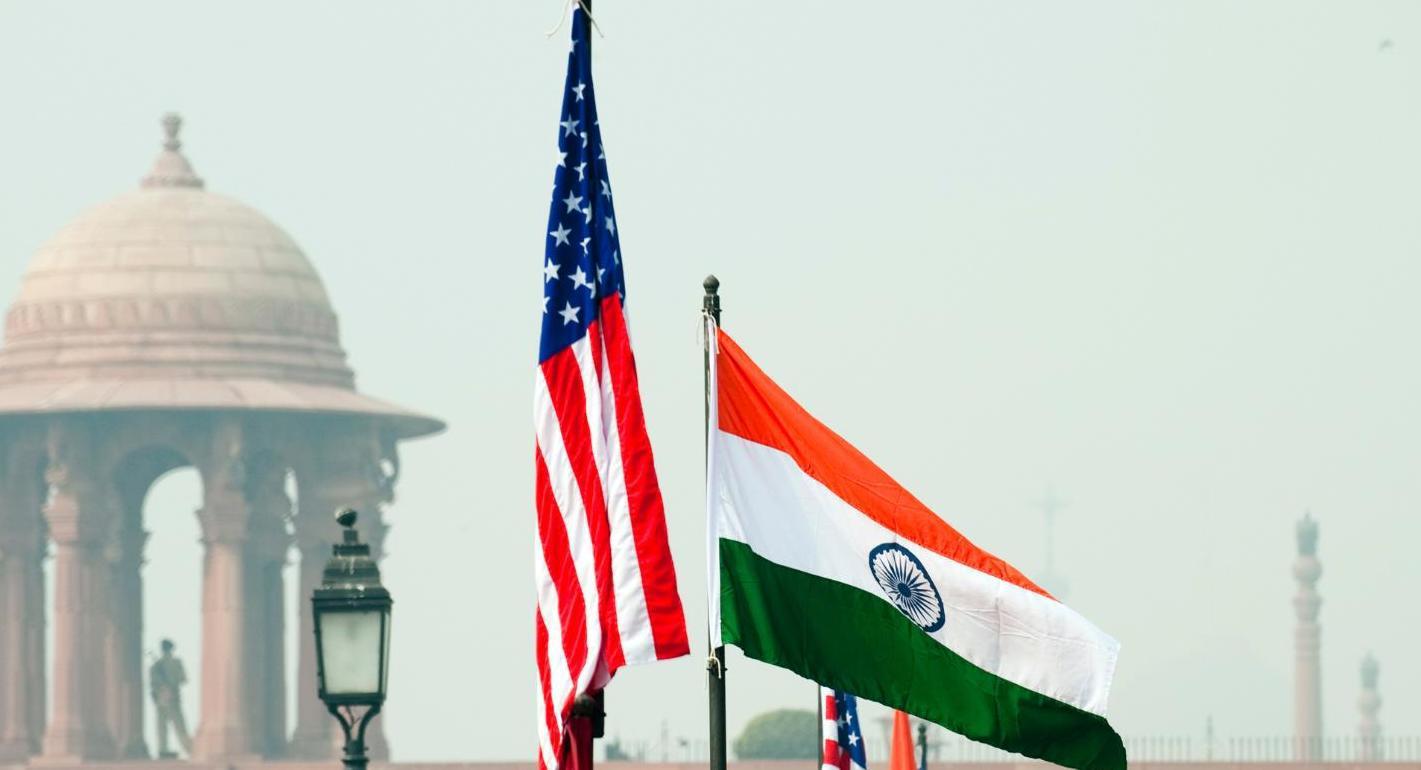
This article explicates what iCET is and what it should not be mistaken for. The initiative is not designed to deliver a single deal. Instead, it involves multiple streams for cooperation and collaboration between the United States and India on critical and emerging technologies.

Rudra Chaudhuri