
• Research
  • About
  • Experts
Carnegie India logoCarnegie lettermark logo
{
  "authors": [
    "Karen Leigh",
    "Petr Topychkanov"
  ],
  "type": "legacyinthemedia",
  "centerAffiliationAll": "dc",
  "centers": [
    "Carnegie Endowment for International Peace",
    "Malcolm H. Kerr Carnegie Middle East Center",
    "Carnegie Russia Eurasia Center"
  ],
  "collections": [],
  "englishNewsletterAll": "ctw",
  "nonEnglishNewsletterAll": "",
  "primaryCenter": "Carnegie Russia Eurasia Center",
  "programAffiliation": "russia",
  "programs": [
    "Russia and Eurasia"
  ],
  "projects": [
    "Eurasia in Transition"
  ],
  "regions": [
    "Levant",
    "Middle East",
    "Syria"
  ],
  "topics": [
    "Security",
    "Foreign Policy"
  ]
}

Source: Getty

In The Media
Carnegie Russia Eurasia Center

How Would Russia React to a Strike on Syria?

Investigation of chemical weapons use is in the interest of both the United States and Russia. Russia will continue to support Assad only if there is no evidence that he used chemical weapons.

Link Copied
By Karen Leigh and Petr Topychkanov
Published on Aug 26, 2013
Project hero Image

Project

Eurasia in Transition

Learn More

Source: Syria Deeply

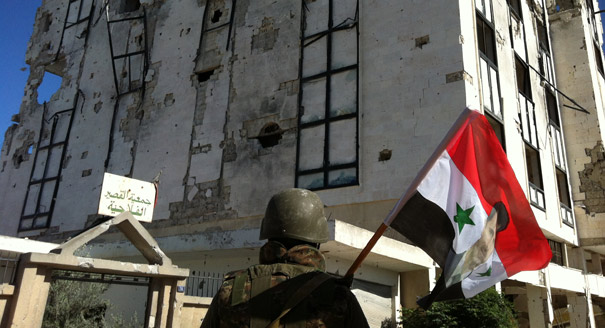
In a weekend call between Russian Foreign Minister Sergei Lavrov and U.S. Secretary of State John Kerry, Lavrov reportedly warned that a U.S. strike on Syria would have “extremely dangerous consequences.”

Russia, a firm ally of President Bashar al-Assad, has vehemently opposed Western intervention against the Syrian regime. That position has put a diplomatic wedge between the Russia and the U.S., one that could widen as the West considers air strikes against Assad in retaliation for an apparent chemical weapons attack outside of Damascus.

Washington and its allies blame Assad for the incident, vowing to take action in response. Assad’s regime has denied responsibility, accusing rebels of using the deadly chemicals as a tactic to provoke foreign intervention. Russia officials have stood by that narrative, pinning the chemical attack on rebels and saying a Western military strike would be a “tragic mistake.”

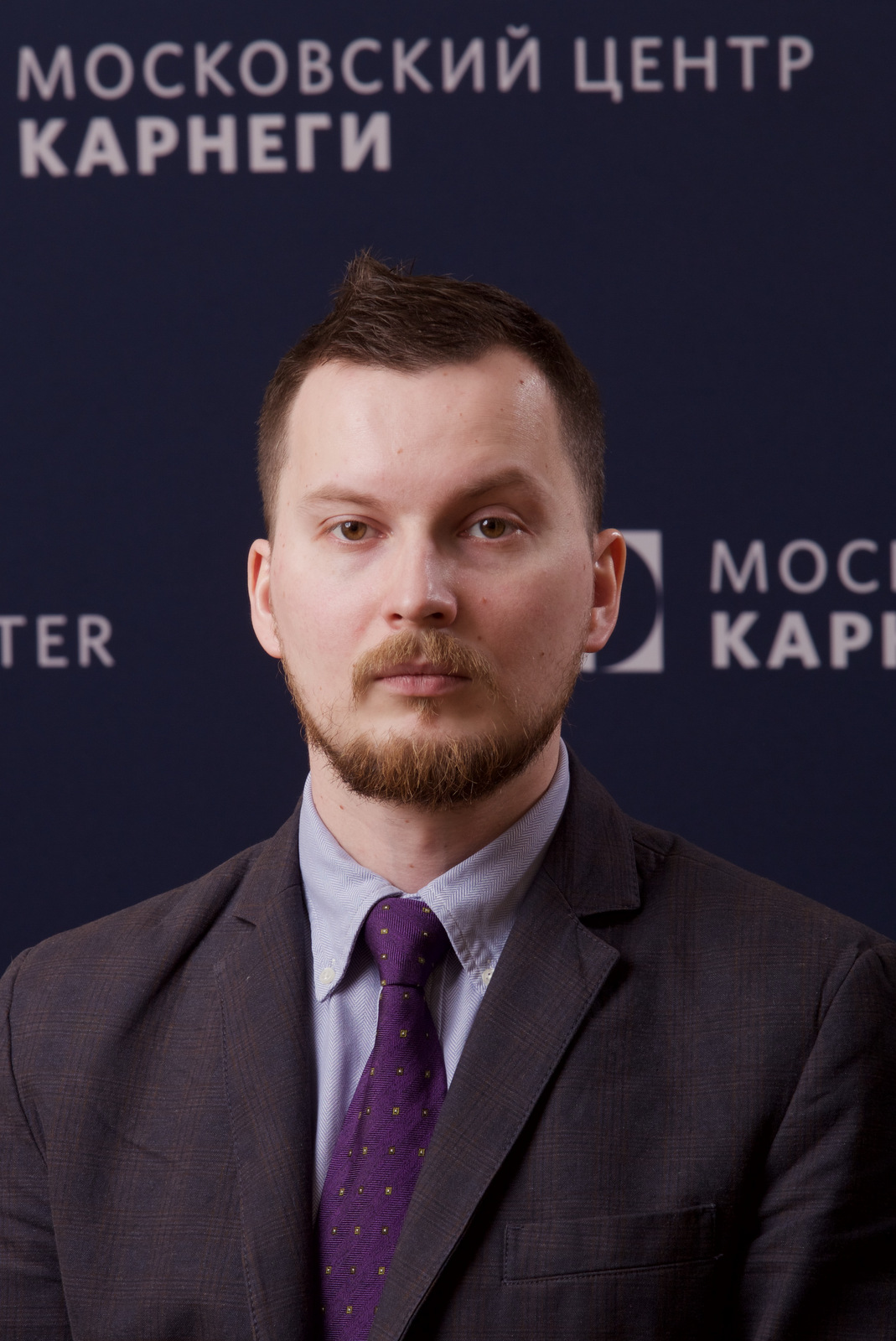
To better understand Russia’s position we spoke to Petr Topychkanov, an analyst with the Carnegie Moscow Center. He weighs in on how the Kremlin might react to a U.S. strike on its Syrian allies.

Syria Deeply: What would be the most likely Russian response to a Western-led air strike on Syria?

Petr Topychkanov: First of all, Russia doesn’t seem to be ready to play an active military role in Syria, because it would mean direct confrontation with the U.S. Russia doesn’t have such intentions or capabilities. So Russian reaction to a U.S. strike would depend on the legal and organizational framework of this strike. For example, Russia could agree with the participation of the U.S. in military operations under auspices of the U.N. Security Council [UNSC]. It’s more probable if the UNSC will obtain solid evidence about the use of chemical weapons by the Assad regime.

But if there is not such evidence and the U.S. decides to act without any approval from the UNSC, of course Russia would strongly criticize military action from the U.S. and its allies, and would militarily support Syria. Russia would continue to supply arms and military equipment to the Assad regime, and Russia would develop close relations with the regime in Iran to help that regime to support and provide military help to Assad.

Russia will continue to support Assad only if there is no evidence that he used chemical weapons. It would be impossible to help Assad if he did. So this is the key issue. ... 

 Full text of Q&A was published in Syria Deeply

About the Authors

Karen Leigh

Petr Topychkanov

Former Fellow, Nonproliferation Program, Moscow Center

Topychkanov was a fellow in the Carnegie Moscow Center’s Nonproliferation Program.

Authors

Karen Leigh
Petr Topychkanov
Former Fellow, Nonproliferation Program, Moscow Center
Petr Topychkanov
SecurityForeign PolicyLevantMiddle EastSyria

Carnegie India does not take institutional positions on public policy issues; the views represented herein are those of the author(s) and do not necessarily reflect the views of Carnegie, its staff, or its trustees.

More Work from Carnegie India

  • Commentary
    The Impact of U.S. Sanctions and Tariffs on India’s Russian Oil Imports

    This piece examines India’s response to U.S. sanctions and tariffs, specifically assessing the immediate market consequences, such as alterations in import costs, and the broader strategic implications for India’s energy security and foreign policy orientation.

      Vrinda Sahai

  • Article
    Military Lessons from Operation Sindoor

    The India-Pakistan conflict that played out between May 6 and May 10, 2025, offers several military lessons. This article presents key takeaways from Operation Sindoor and breaks down how India’s preparations shaped the outcome and what more is needed to strengthen future readiness.

      Dinakar Peri

  • Book
    India and the Sovereignty Principle: The Disaggregation Imperative

    This book offers a comprehensive analysis of India's evolving relationship with sovereignty in a complex global order. Moving beyond conventional narratives, it examines how the sovereignty principle shapes India's behavior across four critical domains—from traditional military power to contemporary data governance.

      Rudra Chaudhuri, Nabarun Roy

  • Commentary
    NISAR Soars While India-U.S. Tariff Tensions Simmer

    On July 30, 2025, the United States announced 25 percent tariffs on Indian goods. While diplomatic tensions simmered on the trade front, a cosmic calm prevailed at the Sriharikota launch range. Officials from NASA and ISRO were preparing to launch an engineering marvel into space—the NASA-ISRO Synthetic Aperture Radar (NISAR), marking a significant milestone in the India-U.S. bilateral partnership.

      Tejas Bharadwaj

  • Article
    Hidden Tides: IUU Fishing and Regional Security Dynamics for India

    This article examines the scale and impact of Chinese IUU fishing operations globally and identifies the nature of the challenge posed by IUU fishing in the Indian Ocean Region (IOR). It also investigates why existing maritime law and international frameworks have struggled to address this growing threat.

      Ajay Kumar, Charukeshi Bhatt

Get more news and analysis from
Carnegie India
Carnegie India logo, white
Unit C-4, 5, 6, EdenparkShaheed Jeet Singh MargNew Delhi – 110016, IndiaPhone: 011-40078687
  • Research
  • About
  • Experts
  • Projects
  • Events
  • Contact
  • Careers
  • Privacy
  • For Media
Get more news and analysis from
Carnegie India
© 2026 Carnegie Endowment for International Peace. All rights reserved.





