

Research
- +11
Frances Z. Brown, Nate Reynolds, Priyal Singh, …
{
  "authors": [
    "Andrew S. Weiss"
  ],
  "type": "legacyinthemedia",
  "centerAffiliationAll": "dc",
  "centers": [
    "Carnegie Endowment for International Peace",
    "Malcolm H. Kerr Carnegie Middle East Center",
    "Carnegie Russia Eurasia Center"
  ],
  "collections": [],
  "englishNewsletterAll": "ctw",
  "nonEnglishNewsletterAll": "",
  "primaryCenter": "Carnegie Endowment for International Peace",
  "programAffiliation": "russia",
  "programs": [
    "Russia and Eurasia"
  ],
  "projects": [
    "Eurasia in Transition"
  ],
  "regions": [
    "North America",
    "United States",
    "Middle East",
    "Syria",
    "Russia",
    "Levant"
  ],
  "topics": [
    "Security",
    "Foreign Policy",
    "Global Governance"
  ]
}
Source: Getty
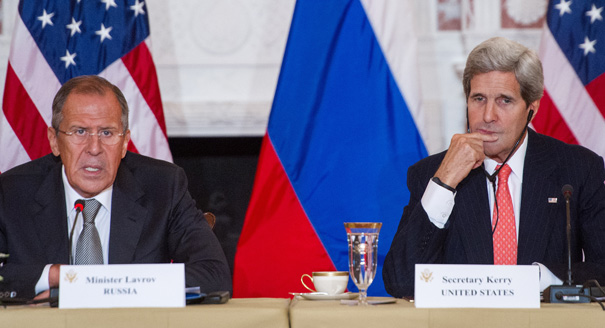
Moscow and Washington face the tough task of coming up with an enforcement mechanism to secure Syria’s chemical weapons that outlines possible consequences if Assad reneges or cheats on the deal.
Source: New York Times
No one should harbor any illusions that Russian President Vladimir Putin enjoys magical influence over Syrian President Bashar al-Assad. Nor should one assume that Putin is going to be in a position to force a deal on securing Syria's chemical weapons down Assad’s throat. Putin, like President Obama, is clearly improvising as he tries to forestall U.S. military action.
This week's negotiation between Secretary of State John Kerry and Russia’s very capable foreign minister Sergey Lavrov has high-stakes. The goal is to come up with parameters for international supervision, monitoring, and, ultimately, the verified destruction of Syria’s vast arsenal of chemical weapons. Doing that kind of work in the middle of a civil war in a way that meets Kerry’s yardstick (“It has to be swift, it has to be real, it has to be verifiable. It cannot be a delaying tactic.”) will be enormously challenging for all the reasons that various experts have been offering in recent days. Mr. Lavrov, a veteran of the endless wrangling in New York over the United Nations monitoring of Iraq’s "weapons of mass destruction" programs back in the 1990s, knows these issues cold.The hardest part, almost certainly, will be to come up with an enforcement mechanism, ideally embodied in a United Nations Security Council resolution, outlining possible consequences in the event that Assad reneges or cheats on the deal, which seems likely. As Putin’s brief comments on Tuesday illustrated, Russia’s long-standing opposition to any form of military action remains firm. Moscow will not permit the type of U.N. resolutions that created the legal basis for U.S.-led coalition airstrikes against Saddam Hussein during the 1990s let alone the more recent example of Libya. Russia abstained from the March 2011 resolution aimed at protecting vulnerable Libyan civilians when Muammar el-Qaddafi was still in power.
Squaring these kinds of circles is the essence of diplomacy. Whether Kerry and Lavrov can get there is truly anyone’s guess at this point.
This article was originally published in the New York Times.
James Family Chair, Vice President for Studies
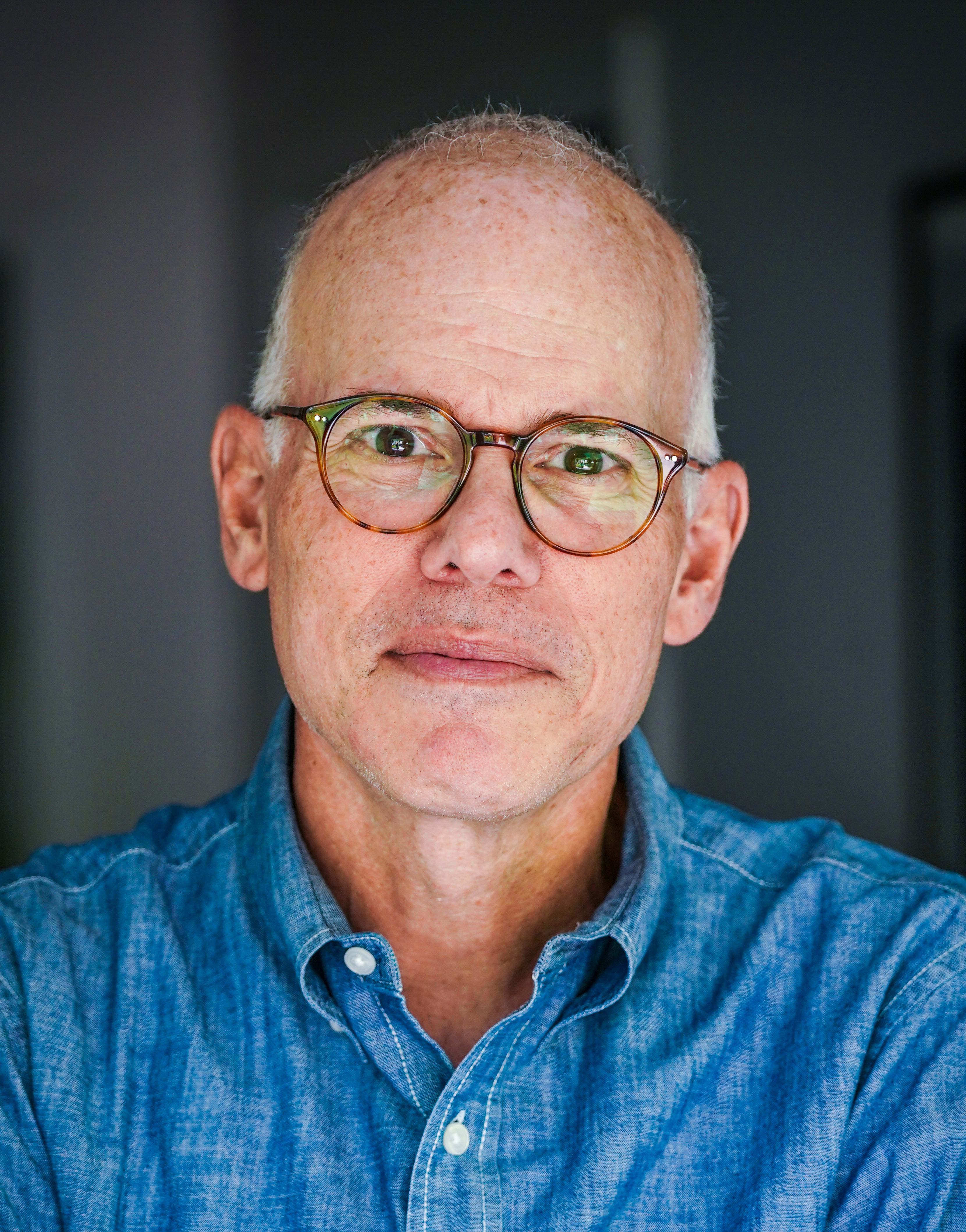
Andrew S. Weiss is the James Family Chair and vice president for studies at the Carnegie Endowment for International Peace, where he oversees research on Russia, Ukraine, and Eurasia. His graphic novel biography of Vladimir Putin, Accidental Czar: the Life and Lies of Vladimir Putin, was published by First Second/Macmillan in 2022.
Recent Work

Frances Z. Brown, Nate Reynolds, Priyal Singh, …


James M. Acton, Saskia Brechenmacher, Cecily Brewer, …
Carnegie India does not take institutional positions on public policy issues; the views represented herein are those of the author(s) and do not necessarily reflect the views of Carnegie, its staff, or its trustees.

This piece argues that the present Indian strategy, based on opportunistic diversification and utilization of limited strategic reserves, remains inadequate when confronting supply disruptions. It evaluates India’s options in the short, medium, and long terms.

Vrinda Sahai
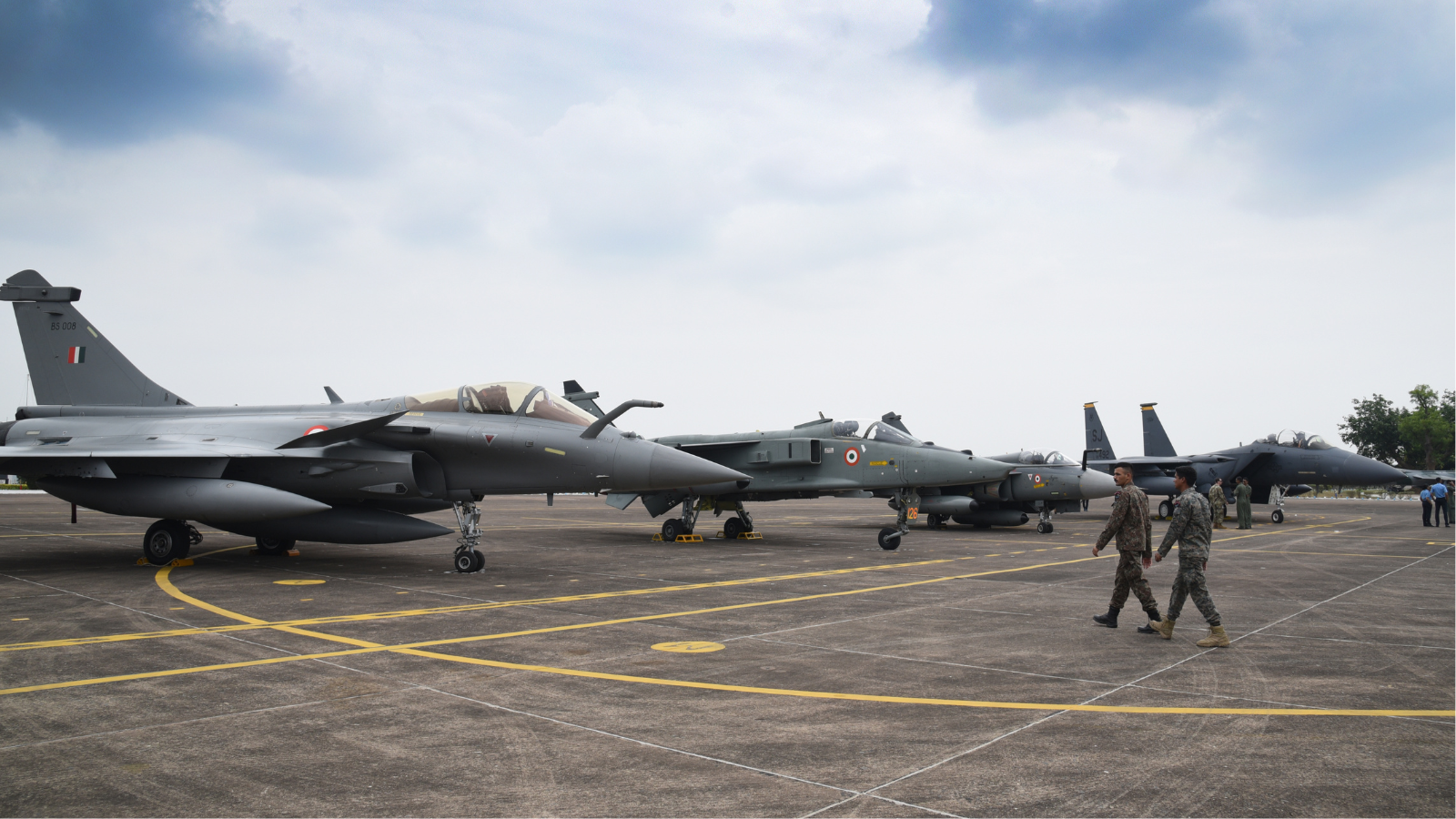
India and the United States are close to concluding a Reciprocal Defense Procurement Agreement (RDPA) that will allow firms from the two countries to sell to each other’s defense establishments more easily. While this may not remedy the specific grievances both sides may have regarding larger bilateral issues, an RDPA could restore some momentum, following the trade deal announcement.

Konark Bhandari

On the last day of the India AI Impact Summit, India signed Pax Silica, a U.S.-led declaration seemingly focused on semiconductors. While India’s accession to the same was not entirely unforeseen, becoming a signatory nation this quickly was not on the cards either.
Konark Bhandari

This piece examines India’s response to U.S. sanctions and tariffs, specifically assessing the immediate market consequences, such as alterations in import costs, and the broader strategic implications for India’s energy security and foreign policy orientation.
Vrinda Sahai
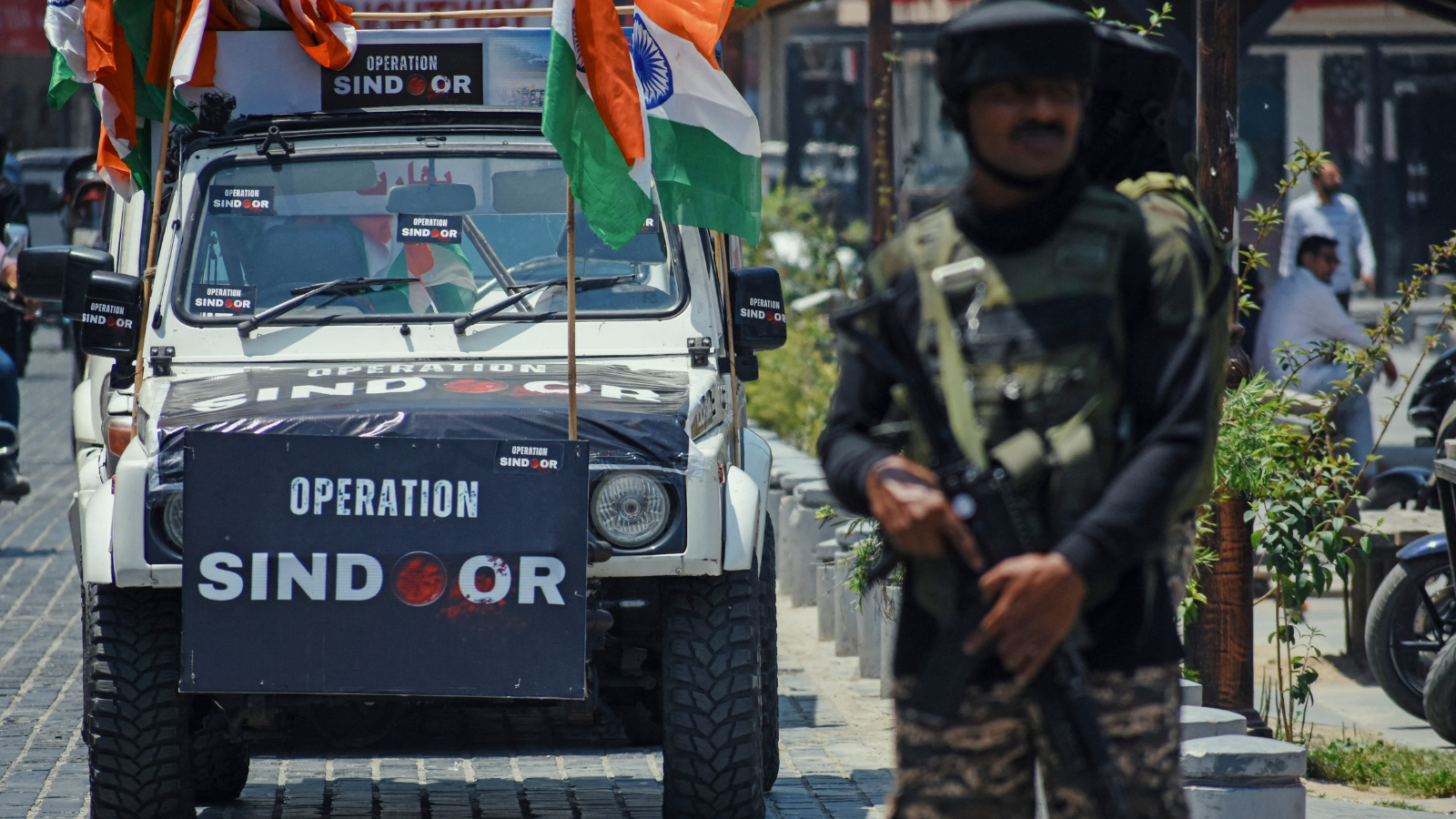
The India-Pakistan conflict that played out between May 6 and May 10, 2025, offers several military lessons. This article presents key takeaways from Operation Sindoor and breaks down how India’s preparations shaped the outcome and what more is needed to strengthen future readiness.

Dinakar Peri