

Paper
- +2
George Perkovich, Malcolm Chalmers, Steven Pifer, …
{
  "authors": [
    "Paul Schulte"
  ],
  "type": "legacyinthemedia",
  "centerAffiliationAll": "dc",
  "centers": [
    "Carnegie Endowment for International Peace",
    "Carnegie Europe",
    "Malcolm H. Kerr Carnegie Middle East Center"
  ],
  "collections": [
    "Europe’s Southern Neighborhood"
  ],
  "englishNewsletterAll": "ctw",
  "nonEnglishNewsletterAll": "",
  "primaryCenter": "Carnegie Endowment for International Peace",
  "programAffiliation": "NPP",
  "programs": [
    "Nuclear Policy"
  ],
  "projects": [],
  "regions": [
    "Middle East",
    "Syria",
    "Gulf",
    "Levant"
  ],
  "topics": [
    "Political Reform",
    "Nuclear Policy"
  ]
}
Source: Getty
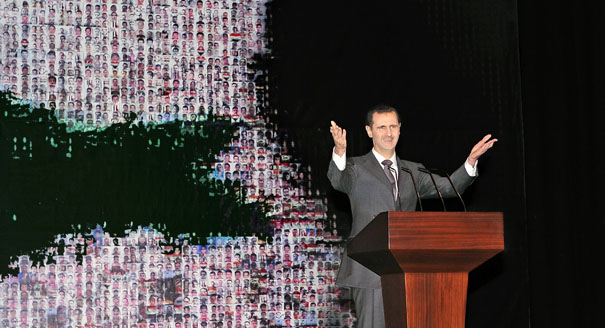
If the Syrian regime has decided it is going to give up its chemical weapons, the international community might want to revisit what happened to the chemical weapons stockpiles in Iraq after the 1991 conflict.
Source: PRI’s The World
Speaking to PRI's The World, Carnegie's Paul Schulte explained that if the Syrian regime has decided to give up its chemical weapons, the international community might want to revisit what happened to the chemical weapons stockpiles in Iraq after the 1991 conflict.
"The Iraqis admitted they had very large amounts of chemical weapons and they pointed out where they were, and the UN team destroyed them," Schulte said, adding "they did it quickly, not very quickly; they did it over several periods over several months, but they did it efficiently with a rather small team."
Schulte suggested that this could serve as a model in Syria. The inspectors would have to check the information they receive against the information intelligence services know. But, Schulte pointed out, "it's very difficult to prove a negative so you would have to rely on your general impression of Syrian truthfulness."
Schulte also mentioned the difficulty of carrying out a mission of this nature and protecting the inspectors in the middle of a civil war. "Who's going to do it? Should it be the Syrian army? Can you trust them to take things away? What happens if they come under fire from the rebels, including rebels who may want to seize stuff themselves?"
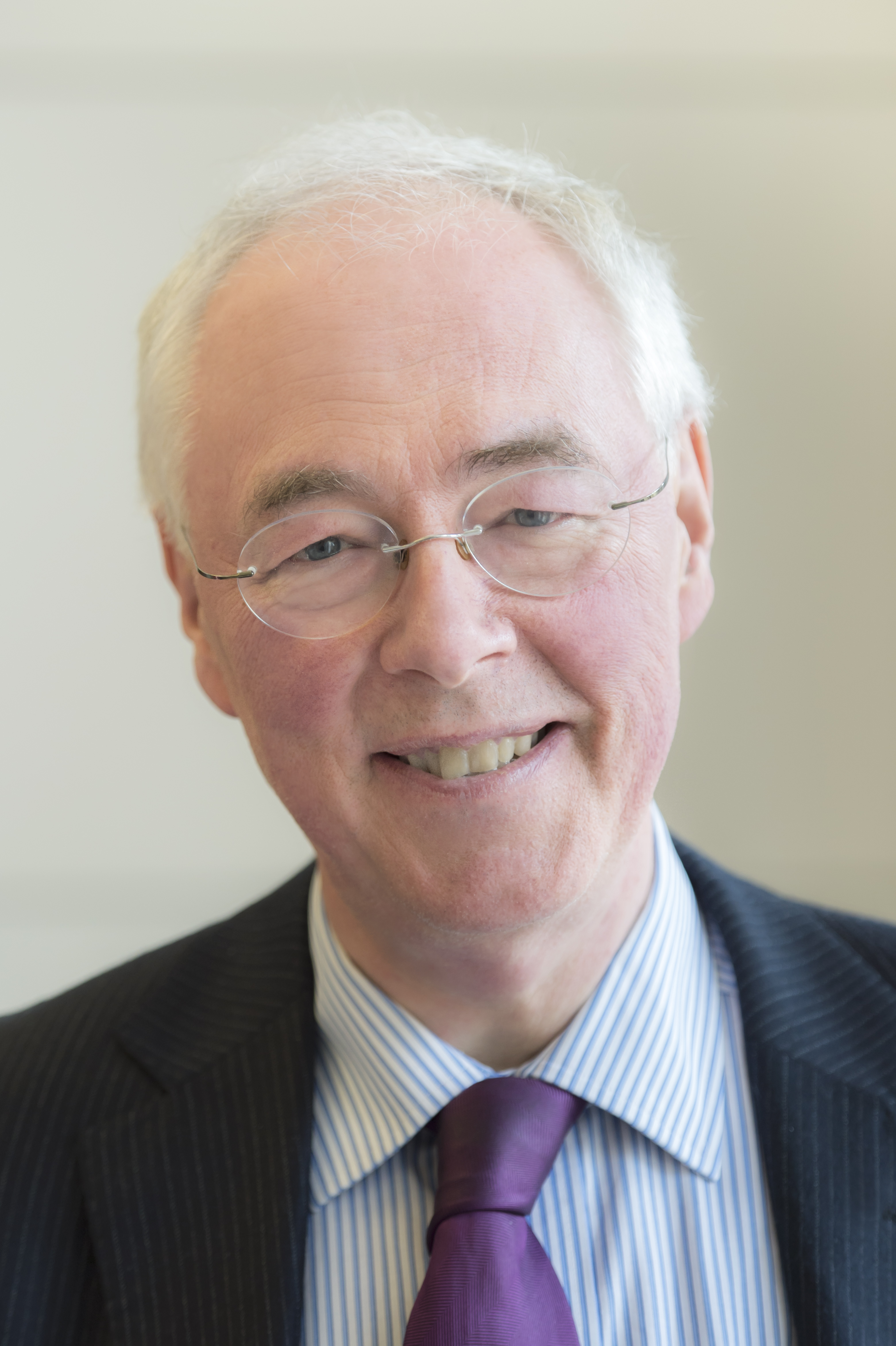
Former Nonresident Senior Associate, Nuclear Policy Program
Schulte was a nonresident senior associate in the Carnegie Nuclear Policy Program, where his research focuses on the future of deterrence, nuclear strategy, nuclear nonproliferation, cybersecurity, and their political implications.
Recent Work

George Perkovich, Malcolm Chalmers, Steven Pifer, …
Paul Schulte
Carnegie India does not take institutional positions on public policy issues; the views represented herein are those of the author(s) and do not necessarily reflect the views of Carnegie, its staff, or its trustees.
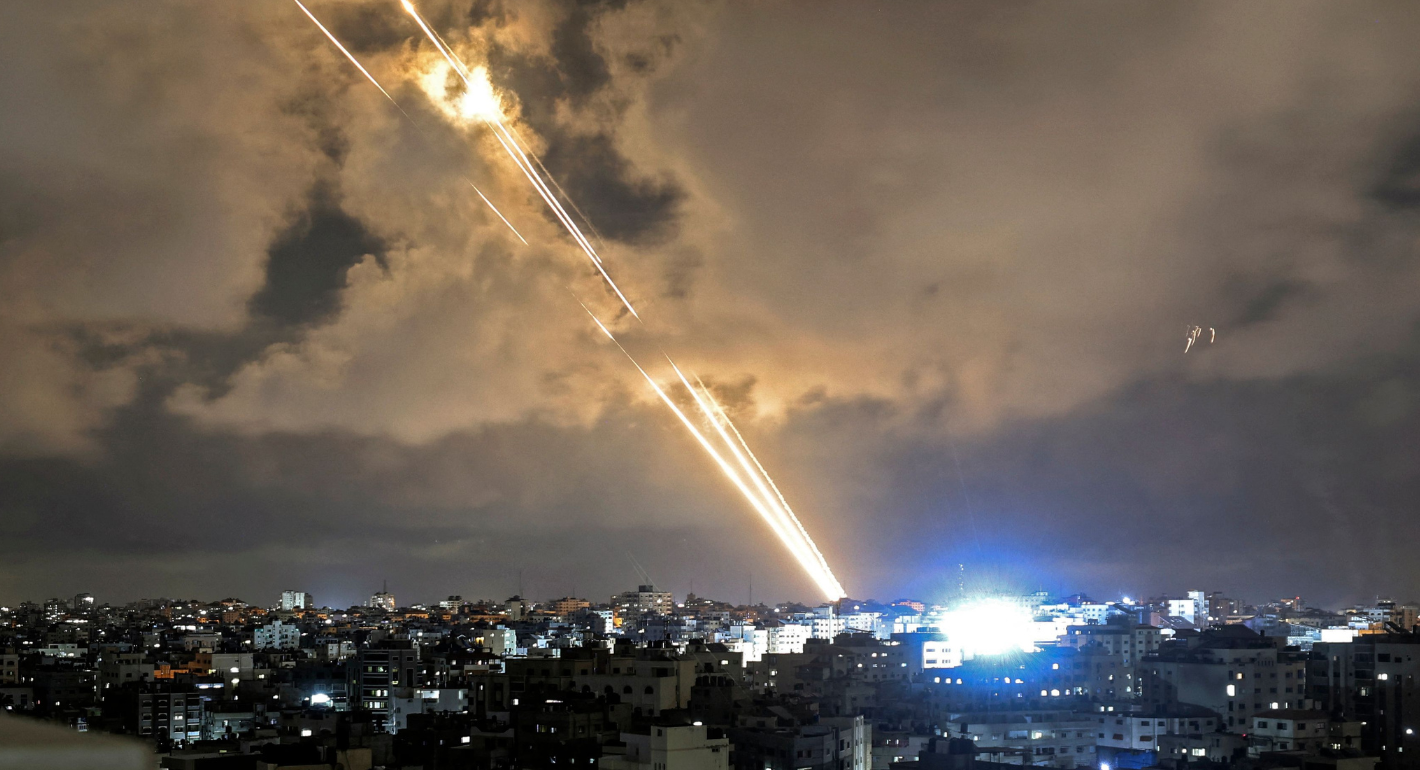
An Israeli response to Iran’s October 1 attack is imminent. The key question is of its intensity and potential fallout, both within Iran, in terms of nuclear security policy changes, and across the broader region. The coming days are likely to reshape West Asia irreversibly.
Gaddam Dharmendra
As India’s economy recovers from the coronavirus pandemic, Indian businesses need efficient financial structures to regain their ground. Key reforms to India’s Insolvency and Bankruptcy Code could fill these gaps.

Anirudh Burman
Access to cross-border data is an integral piece of the law enforcement puzzle. India is well placed to lead the discussions on international data agreements subject to undertaking necessary surveillance reforms.
Smriti Parsheera, Prateek Jha
Asia’s two largest nuclear powers have never threatened each other with nuclear weapons. How much will the recent deadly border clashes between China and India change the security landscape?


Toby Dalton, Tong Zhao, Rukmani Gupta
After the coronavirus pandemic wanes, how will China’s reorientation of the Belt and Road Initiative to address global health concerns influence its relationships with South Asian countries?
Deep Pal, Rahul Bhatia