

Report
- +3
James M. Acton, Alexey Arbatov, Vladimir Dvorkin, …
{
  "authors": [
    "Petr Topychkanov"
  ],
  "type": "commentary",
  "centerAffiliationAll": "",
  "centers": [
    "Carnegie Endowment for International Peace",
    "Carnegie Russia Eurasia Center"
  ],
  "collections": [],
  "englishNewsletterAll": "",
  "nonEnglishNewsletterAll": "",
  "primaryCenter": "Carnegie Russia Eurasia Center",
  "programAffiliation": "",
  "programs": [],
  "projects": [],
  "regions": [],
  "topics": [
    "Security"
  ]
}
Source: Getty
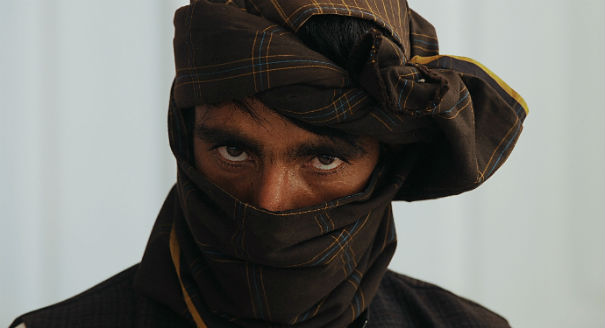
Terrorism is hardly to be found in a traditional religious society, consisting of people who are brought up and educated there, who know this tradition, its texts and practices, and whose life is religiously integral rather than separated into religious and profane parts.
On September 21, 2013, a group of attackers entered the Westgate Shopping Center in Nairobi, Kenya. They opened fire and began throwing grenades at the crowd of shoppers. It was the beginning of a half-a-week siege, which left over sixty people dead. On the next day, two suicide bombers attacked the All Saints Church in Peshawar, Pakistan. More than eighty people were killed.
In Nairobi and Peshawar there were groups behind these attacks which associated themselves with Islam. In both the mall and the church mostly non-Muslims were targeted. It makes some people come to the simple conclusion that “Muslims are fully capable of attacking a church and killing innocent Pakistanis, just like Christians, when they fought their battles of faith, destroyed churches and burned heretics.” This comparison of contemporary terrorist activities with the wars of religions is a mere commonplace. Yet it is not reflective of the reality of either wars of religion or terrorism. Such wars were rather for power and influence in Europe than for religious principles. Furthermore, the age of wars of religion resulted in secularism coming.
Terrorism is hardly to be found in a traditional religious society, consisting of people who are brought up and educated there, who know this tradition, its texts and practices, and whose life is religiously integral rather than separated into religious and profane parts. Who can say now that he or she regards every breath as a religious act? A tiny number of hermits, may be. But if they have a weapon, it would be a prayer or charitable act rather than a gun. It does not mean that there is no violence in traditional religious societies. It does exist there, yet this is not the terrorism.
In the post-secular world where we live now, people are free to mix some elements of religions with everything else which could be very far from the religious tradition. This looks like a shopper who takes what he or she likes at the moment. That is why today religion can be found side by side with insolence, hatred, and animosity.
If Christians of the Medieval Russia used to help those who were in prisons, knowing the words of Jesus Christ: “I was in prison and you came to Me” (Matthew 25:36), today many people formally belonging to the Orthodox Christian Church do not want to show mercy to Pussy Riot’s Nadezhda Tolokonnikova and others who are in the Russian prisons which are notorious for their inhuman living conditions.
It would be impossible in a traditional religious society to justify the Pussy Riot performances as well as the malicious joy demonstrated by others regarding the bad consequences for the women from this group. In the same way it is impossible to regard the attacks in Nairobi and Peshawar as religious acts. These terrorists are not Muslims. They are just criminals who know almost nothing about Islam.
Former Fellow, Nonproliferation Program, Moscow Center
Topychkanov was a fellow in the Carnegie Moscow Center’s Nonproliferation Program.
Recent Work


James M. Acton, Alexey Arbatov, Vladimir Dvorkin, …
Petr Topychkanov
Carnegie India does not take institutional positions on public policy issues; the views represented herein are those of the author(s) and do not necessarily reflect the views of Carnegie, its staff, or its trustees.

In any defense establishment, change is an ongoing process. However, despite the best of intentions, existing bureaucracies, bound by habit and years of socialization, have their limits in implementing transformative change.

Anit Mukherjee

After the chill in ties between 2020 and 2024 that brought India–China relations to their lowest point in several decades, the two countries have engaged each other afresh. This paper argues that there are predominantly four imperatives guiding India’s approach to China, and they exist in an order of priority.

Saheb Singh Chadha

This piece argues that the present Indian strategy, based on opportunistic diversification and utilization of limited strategic reserves, remains inadequate when confronting supply disruptions. It evaluates India’s options in the short, medium, and long terms.

Vrinda Sahai

This piece examines India’s response to U.S. sanctions and tariffs, specifically assessing the immediate market consequences, such as alterations in import costs, and the broader strategic implications for India’s energy security and foreign policy orientation.
Vrinda Sahai
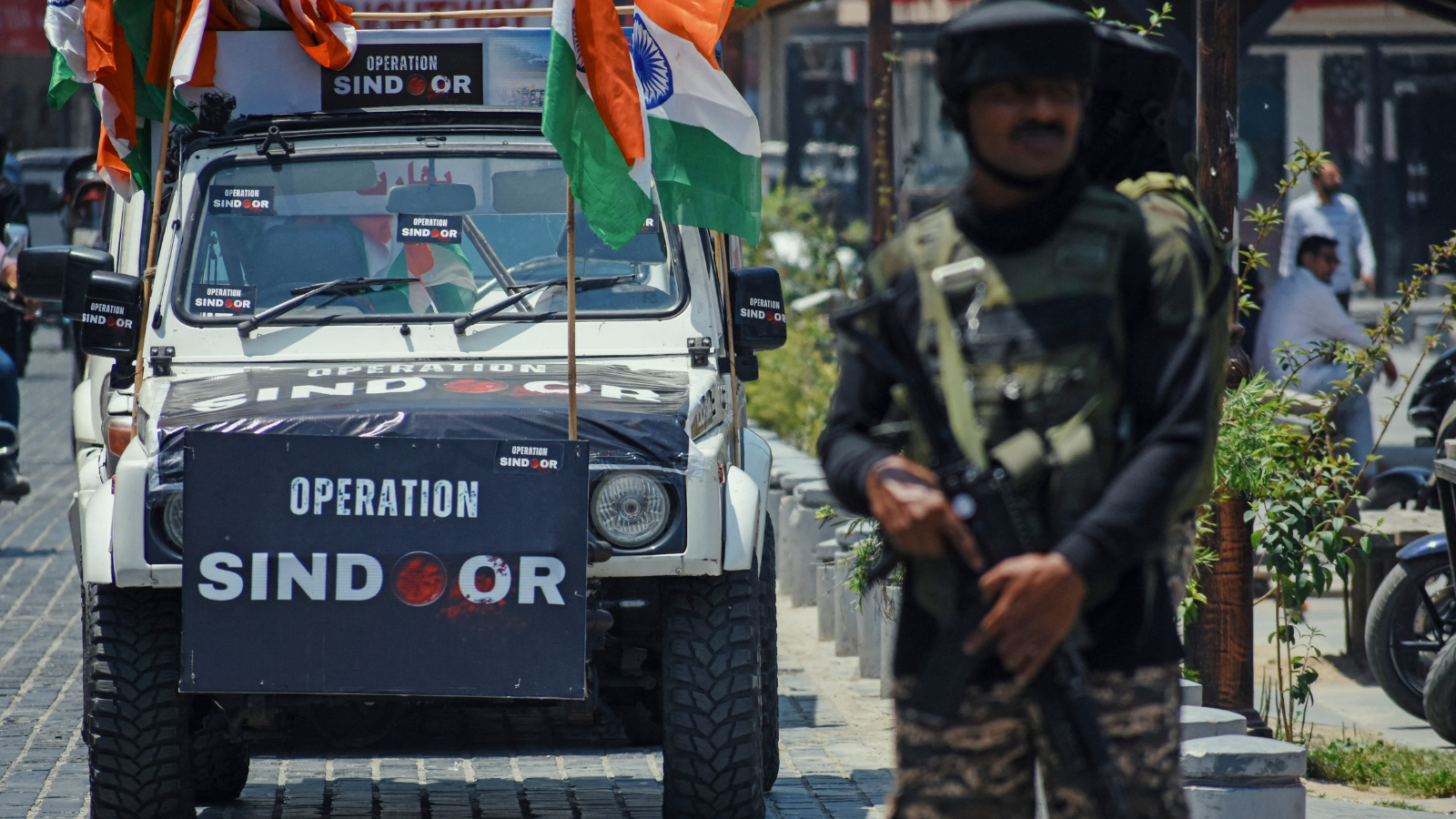
The India-Pakistan conflict that played out between May 6 and May 10, 2025, offers several military lessons. This article presents key takeaways from Operation Sindoor and breaks down how India’s preparations shaped the outcome and what more is needed to strengthen future readiness.

Dinakar Peri