

Research
- +11
Frances Z. Brown, Nate Reynolds, Priyal Singh, …
{
  "authors": [
    "Frederic Wehrey"
  ],
  "type": "legacyinthemedia",
  "centerAffiliationAll": "dc",
  "centers": [
    "Carnegie Endowment for International Peace",
    "Malcolm H. Kerr Carnegie Middle East Center"
  ],
  "collections": [],
  "englishNewsletterAll": "menaTransitions",
  "nonEnglishNewsletterAll": "",
  "primaryCenter": "Carnegie Endowment for International Peace",
  "programAffiliation": "MEP",
  "programs": [
    "Middle East"
  ],
  "projects": [],
  "regions": [
    "North America",
    "United States",
    "Middle East",
    "Iraq",
    "Syria",
    "Gulf",
    "Levant"
  ],
  "topics": [
    "Political Reform",
    "Security",
    "Foreign Policy"
  ]
}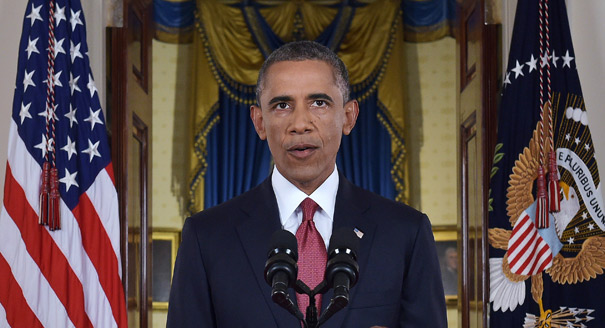
Source: Getty
The president's four-pronged strategy of airstrikes, support to local proxies, defending against ISIS attacks through intelligence and counter-terrorism, and humanitarian assistance leaves many unanswered questions.
Source: CNN
The president's four-pronged strategy of airstrikes, support to local proxies, defending against ISIS attacks through intelligence and counter-terrorism, and humanitarian assistance leaves many unanswered questions. It's hardly a clear articulation of the sort of long-term, holistic strategy needed to deny ISIS the fertile ground it needs to thrive. The approach is fraught with tradeoffs, risks and hidden costs that need to be addressed.
The focus on targeting ISIS leadership -- drawing from what President Obama hailed as successful campaigns in Yemen and Somalia -- doesn't create the conditions on the ground for a lasting solution to the movement. High-value leadership targeting through precision strikes carry the risk of collateral casualties and of radicalization. And the record shows that militant leadership cadres can reconstitute themselves quickly, making such a strategy akin to a game of "whack-a-mole."The emphasis on coalitions, while laudable in concept, also carries hidden risks: each of Iraq's Arab neighbors will be pursuing competing agendas that may run counter to America's stated objectives. And the solicitation of Gulf support will come with costs: the U.S. must be leery of turning a blind eye to the repressive policies of these regimes toward legitimate Islamist opposition groups under the newfound framework of "counter-terrorism."
Each of America's local allies against ISIS also have their own agendas -- the so-called "moderate" Syrian opposition, the Kurdish peshmerga and the Shiite militias, and there's evidence that each is already using airstrikes as convenient cover to advance their own political objectives.
Ultimately, Baghdad holds the key to the long term: how power is distributed in the capital's institutions. Obama cited U.S. support for the devolution of security responsibilities to Sunni tribes as part of the national guard structure. But this must be pursued carefully, to avoid setting the conditions for warlordism and militia rule.
Finally, the U.S. shouldn't focus too much on counter-ideology -- this is an argument without end, and religious factors are probably tangential to the more societal, economic and political grievances that drive the rank-and-file, whether they are alienated young Muslims from the West, Anbari tribes or ex-Baathist officers.
Obama rightfully dismissed ISIS's religious pretensions. The caliphate discourse is the mobilizing vocabulary for something that is ultimately more mundane and worldly: the absence of credible and inclusive institutions that can temper the appeal of toxic sectarian identities and radical religious voices.
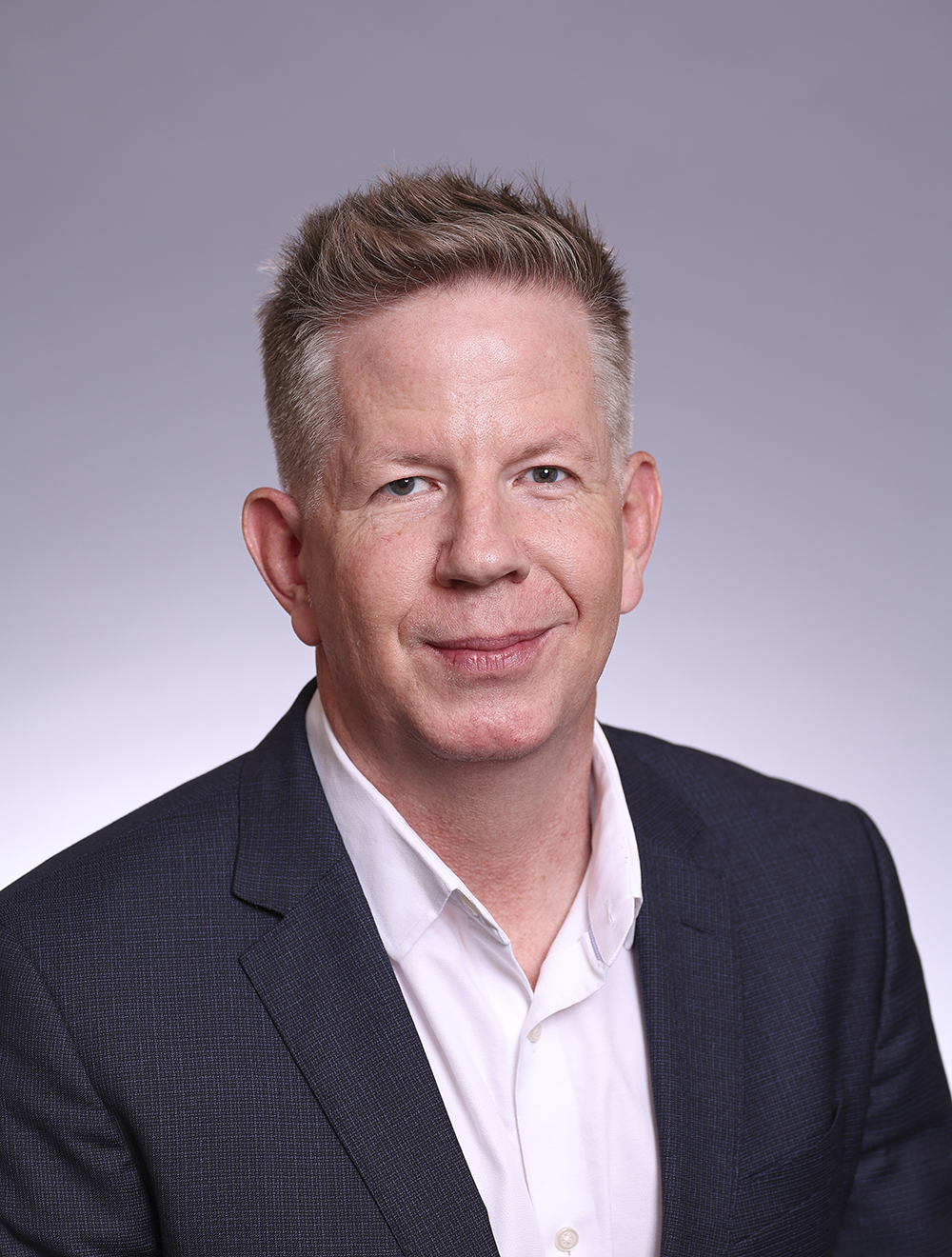
Senior Fellow, Middle East Program
Frederic Wehrey is a senior fellow in the Middle East Program at the Carnegie Endowment for International Peace, where his research focuses on governance, conflict, and security in Libya, North Africa, and the Persian Gulf.
Recent Work

Frances Z. Brown, Nate Reynolds, Priyal Singh, …
Charles H. Johnson, Frederic Wehrey
Carnegie India does not take institutional positions on public policy issues; the views represented herein are those of the author(s) and do not necessarily reflect the views of Carnegie, its staff, or its trustees.

On the last day of the India AI Impact Summit, India signed Pax Silica, a U.S.-led declaration seemingly focused on semiconductors. While India’s accession to the same was not entirely unforeseen, becoming a signatory nation this quickly was not on the cards either.

Konark Bhandari

This piece examines India’s response to U.S. sanctions and tariffs, specifically assessing the immediate market consequences, such as alterations in import costs, and the broader strategic implications for India’s energy security and foreign policy orientation.
Vrinda Sahai
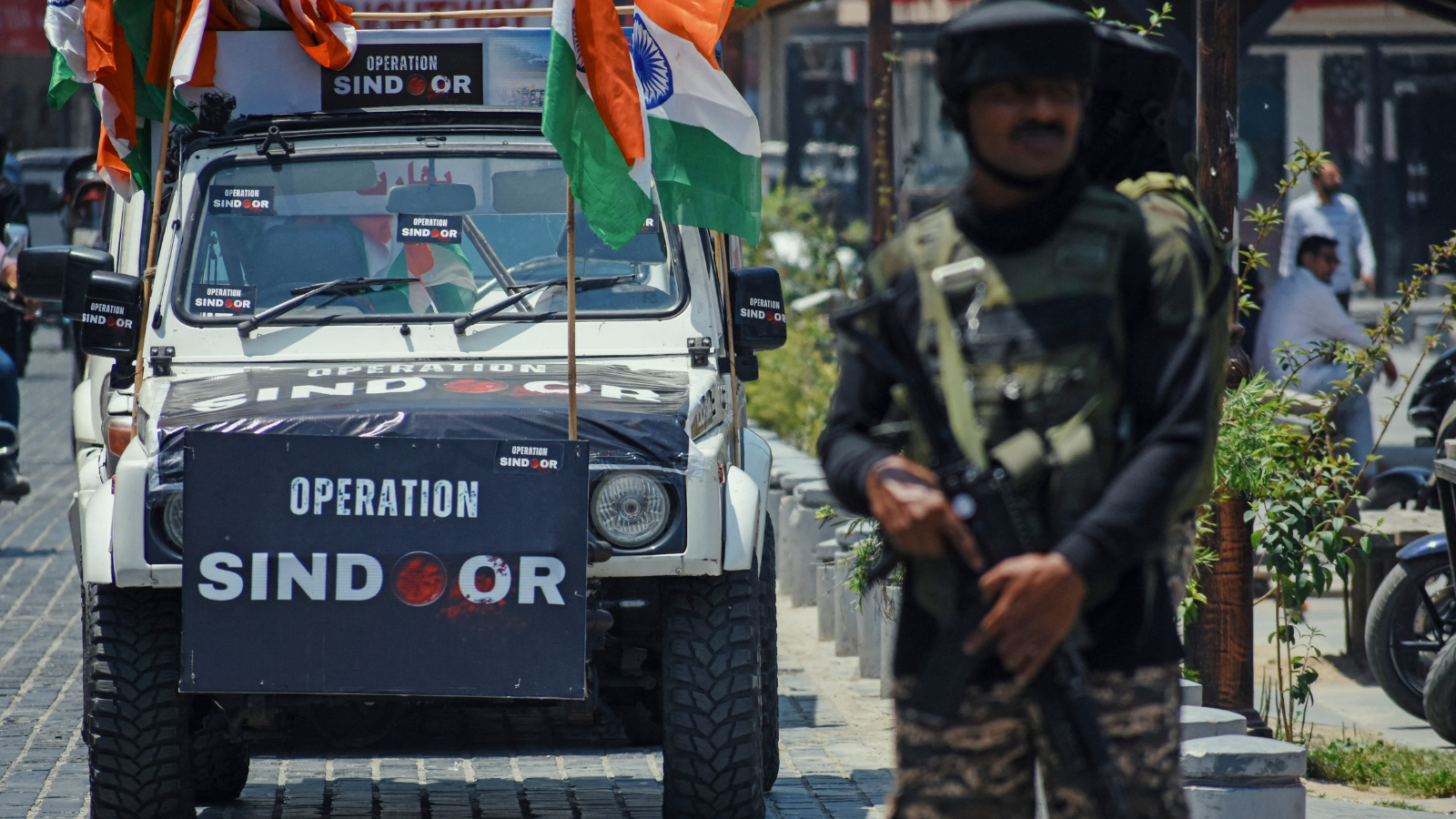
The India-Pakistan conflict that played out between May 6 and May 10, 2025, offers several military lessons. This article presents key takeaways from Operation Sindoor and breaks down how India’s preparations shaped the outcome and what more is needed to strengthen future readiness.
Dinakar Peri
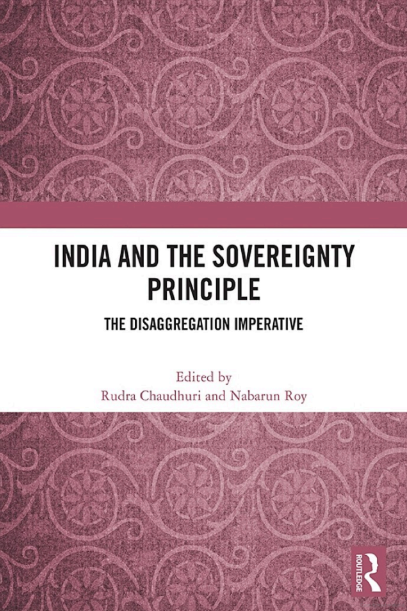
This book offers a comprehensive analysis of India's evolving relationship with sovereignty in a complex global order. Moving beyond conventional narratives, it examines how the sovereignty principle shapes India's behavior across four critical domains—from traditional military power to contemporary data governance.

Rudra Chaudhuri, Nabarun Roy
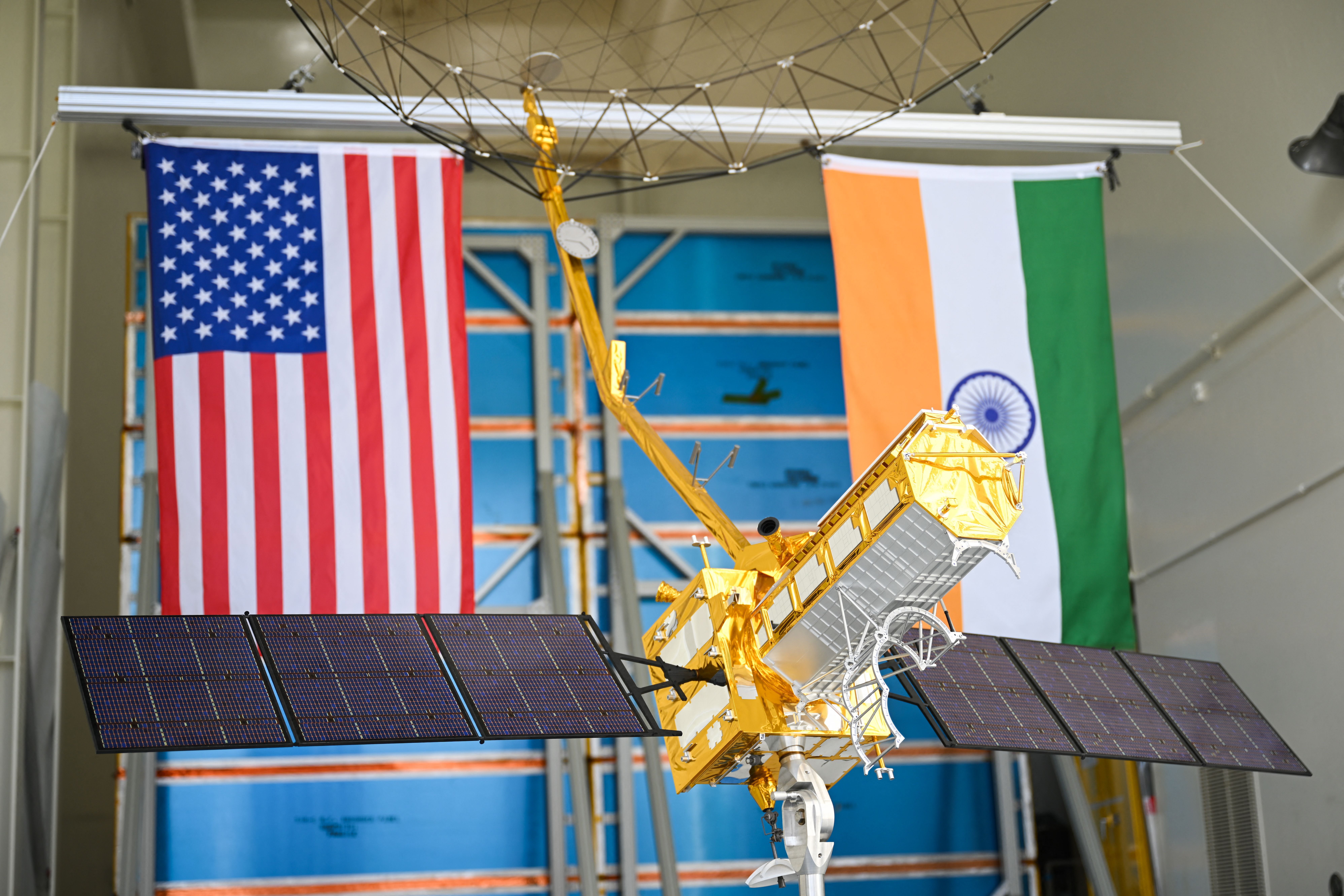
On July 30, 2025, the United States announced 25 percent tariffs on Indian goods. While diplomatic tensions simmered on the trade front, a cosmic calm prevailed at the Sriharikota launch range. Officials from NASA and ISRO were preparing to launch an engineering marvel into space—the NASA-ISRO Synthetic Aperture Radar (NISAR), marking a significant milestone in the India-U.S. bilateral partnership.

Tejas Bharadwaj