

Research
- +5
Alper Coşkun, Fatih Ceylan, Tacan İldem, …
{
  "authors": [
    "Sinan Ülgen"
  ],
  "type": "legacyinthemedia",
  "centerAffiliationAll": "dc",
  "centers": [
    "Carnegie Endowment for International Peace",
    "Carnegie Europe",
    "Malcolm H. Kerr Carnegie Middle East Center"
  ],
  "collections": [
    "Turkey’s Transformation",
    "Europe’s Southern Neighborhood"
  ],
  "englishNewsletterAll": "menaTransitions",
  "nonEnglishNewsletterAll": "",
  "primaryCenter": "Carnegie Europe",
  "programAffiliation": "MEP",
  "programs": [
    "Middle East",
    "Europe"
  ],
  "projects": [],
  "regions": [
    "Middle East",
    "Europe",
    "Türkiye",
    "Iran",
    "Syria"
  ],
  "topics": [
    "Security"
  ]
}
Source: Getty
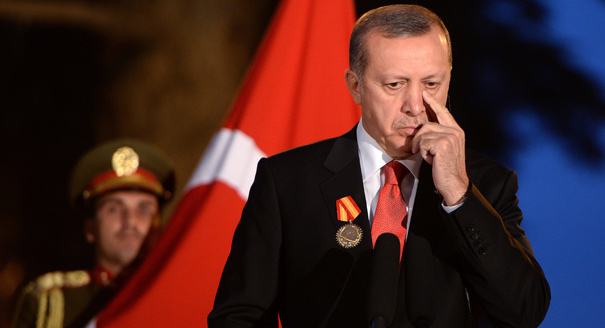
Amid multiple security spillovers from the Syrian crisis, Turkish public opinion is becoming less supportive of Ankara’s ambitious agenda to champion regime change in Syria.
Source: World Politics Review
Turkey recently announced that only Syrian refugees would be allowed to cross the border to fight against the so-called Islamic State (IS) in the besieged town of Kobani. In an email interview, Sinan Ülgen, a visiting scholar at Carnegie Europe, discussed domestic influences on Turkey’s Syria policy.
Ülgen: The Turkish business community has not really been a factor shaping the government’s Syria policy. In previous years, when the relationship with Damascus was markedly warmer, companies in Turkey’s southeast profited significantly from this rapprochement. Border trade was increasing, and many Syrians were traveling to Turkey for shopping, tourism and even medical care. Now this positive dynamic has ended. Turkey’s overall exports to Syria have fallen by 40 percent. But the severity of the political tension between Ankara and Damascus does not allow the business community to play a role in shaping policy.
Ülgen: Turkey’s Kurds have recently staged violent street protests to express their dissatisfaction with what they perceive to be the inaction of the Turkish government in the face of IS’s siege of Kobani in Syria. The Peoples’ Democratic Party (HDP), the political representative of Turkey’s Kurds, even threatened to pull out of ongoing peace negotiations with the government. They are intent on using the leverage provided by the negotiations to get the Turkish government to adopt a more interventionist stance on Kobani.
But so far Ankara has resisted this pressure. For Ankara, ensuring U.S. support for the regime change agenda in Syria is more important. That is the reasoning behind calls for setting up safe havens to be backed by a no-fly zone within Syria. Another factor shaping Ankara’s decision-making is the perceived affinity of the Kurdish faction in Syria toward the Assad regime. Ankara wants the Rojava, or Syrian Kurdistan, administration to break away from Assad and take part in the anti-Assad coalition.
This interview was originally published on World Politics Review.

Senior Fellow, Carnegie Europe
Sinan Ülgen is a senior fellow at Carnegie Europe in Brussels, where his research focuses on Turkish foreign policy, transatlantic relations, international trade, economic security, and digital policy.
Recent Work

Alper Coşkun, Fatih Ceylan, Tacan İldem, …

After the chill in ties between 2020 and 2024 that brought India–China relations to their lowest point in several decades, the two countries have engaged each other afresh. This paper argues that there are predominantly four imperatives guiding India’s approach to China, and they exist in an order of priority.

Saheb Singh Chadha
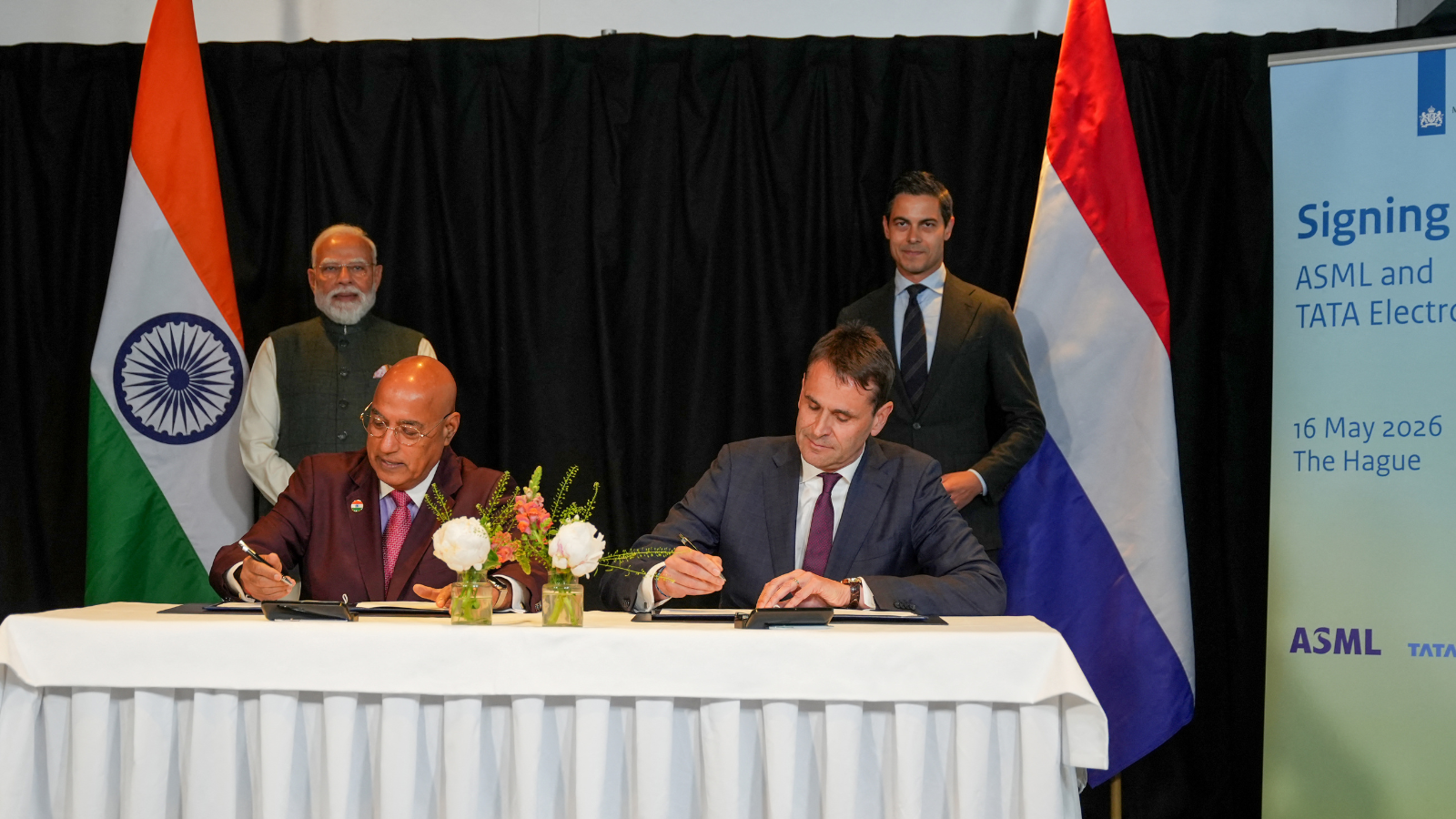
The ASML MoU with Tata Electronics is an indicator of how far the Indian semiconductor ecosystem has come. This ecosystem has been years in the making and represents real commercial logic.

Konark Bhandari

The India–EU Free Trade Agreement (FTA) is shaping up to be one of the most consequential trade negotiations, both economically and strategically. But, what’s in the agreement, what’s missing, and what will determine its success in the years ahead

Vrinda Sahai, Nicolas Köhler-Suzuki

This piece argues that the present Indian strategy, based on opportunistic diversification and utilization of limited strategic reserves, remains inadequate when confronting supply disruptions. It evaluates India’s options in the short, medium, and long terms.
Vrinda Sahai

This piece examines India’s response to U.S. sanctions and tariffs, specifically assessing the immediate market consequences, such as alterations in import costs, and the broader strategic implications for India’s energy security and foreign policy orientation.
Vrinda Sahai