

President Kais Saied has won a second term in office, but his country is facing a host of problems that necessitate urgent reforms, above all preventing the possibility of a financial meltdown.
Ishac Diwan, Hachemi Alaya, Hamza Meddeb
{
"authors": [
"Richard Youngs",
"Emiliano Alessandri",
"Rosa Balfour",
"Nicolas Bouchet"
],
"type": "other",
"centerAffiliationAll": "dc",
"centers": [
"Carnegie Endowment for International Peace",
"Carnegie Europe",
"Malcolm H. Kerr Carnegie Middle East Center"
],
"collections": [
"Europe’s Southern Neighborhood"
],
"englishNewsletterAll": "ctw",
"nonEnglishNewsletterAll": "",
"primaryCenter": "Carnegie Europe",
"programAffiliation": "EP",
"programs": [
"Europe"
],
"projects": [],
"regions": [
"Middle East",
"Egypt",
"Maghreb",
"North Africa",
"Southern, Eastern, and Western Africa",
"Iran"
],
"topics": [
"Democracy",
"Political Reform"
]
}Source: Getty
EU and U.S. approaches to reform must be more sophisticated in circumventing the many negative developments and obstacles in today’s MENA region.
Source: German Marshall Fund
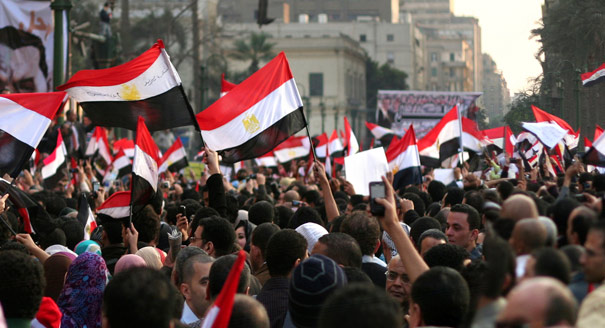
The Arab Spring and its truncated aftermath raise many important questions about political reform. Citizenship and rights, in particular, form an important area of concern in light of the obstacles to wholesale democratization and to the reform of formal institutional structures in the Middle East and North Africa (MENA). As most regimes have pushed back strongly against societal pressure for political opening, many reformers hope that active citizenship can compensate for the lack of progress in other areas. One of the few enduring legacies of the flowering of democratic activism in 2011 is citizens’ search for more active involvement in decisions that affect their day-to-day lives — even as the prospect of democratization has receded in most states. This has engendered much debate over how citizens across the region understand rights — and whether they seek a concept of citizenship that is distinct to the region.
Since the first rumblings of the Arab revolts in late 2010, the U.S. and EU governments and institutions have routinely promised to listen to local voices in devising and implementing their MENA policies. Their narrative has been one of supporting the local “ownership” of reform processes and buying into citizens’ different understandings of democratic rights. In line with this, they should now direct their attention and resources to local initiatives that raise awareness and create the conditions for individual rights to expand in a way that makes citizenship more effective — even as prospects for institutional reform at the macro level remain uncertain. The challenges lie in identifying the right range of partners and in molding U.S. and EU support around local views and aspirations rather than their own political terms and concepts, even in the presence of controversial concepts of citizenship rights. Indeed, the debates following the Arab Awakening saw lively dialectics between often contradictory concepts of citizenship, highlighting how difficult it can be to reconcile individual and community rights, the relationship between the state and religion, or the role of women.Over the last three years, our EUSPRING research project has explored exactly these issues. It has listened to and engaged with representatives from Egypt, Morocco, and Tunisia as they addressed fundamental questions about rights and citizenship.[1] Since 2011, these three countries have experienced unprecedented intense and lively debates about citizenship and the different ways of enshrining rights within the new constitutions that were promulgated in each state following popular pressure. The EUSPRING project examined these debates as the three countries embarked on different political paths. Tunisia is attempting to consolidate a still fragile democracy, while security threats give rise to government responses that impinge negatively upon democratic rights. Egypt has reverted to a regime more repressive than that of former President Hosni Mubarak, and citizens’ protests flare periodically and unpredictably. In Morocco, the monarchy codified several more liberal rights in the new constitution, but citizens continue to demand more far-reaching change.
Senior Fellow, Democracy, Conflict, and Governance Program
Richard Youngs is a senior fellow in the Democracy, Conflict, and Governance Program, based at Carnegie Europe. He works on EU foreign policy and on issues of international democracy.
Emiliano Alessandri
Director, Carnegie Europe
Rosa Balfour is the director of Carnegie Europe. Her fields of expertise include European politics, institutions, and foreign and security policy.
Nicolas Bouchet
Nicolas Bouchet is a visiting fellow at the German Marshall Fund of the United States.
Carnegie India does not take institutional positions on public policy issues; the views represented herein are those of the author(s) and do not necessarily reflect the views of Carnegie, its staff, or its trustees.
President Kais Saied has won a second term in office, but his country is facing a host of problems that necessitate urgent reforms, above all preventing the possibility of a financial meltdown.
Ishac Diwan, Hachemi Alaya, Hamza Meddeb
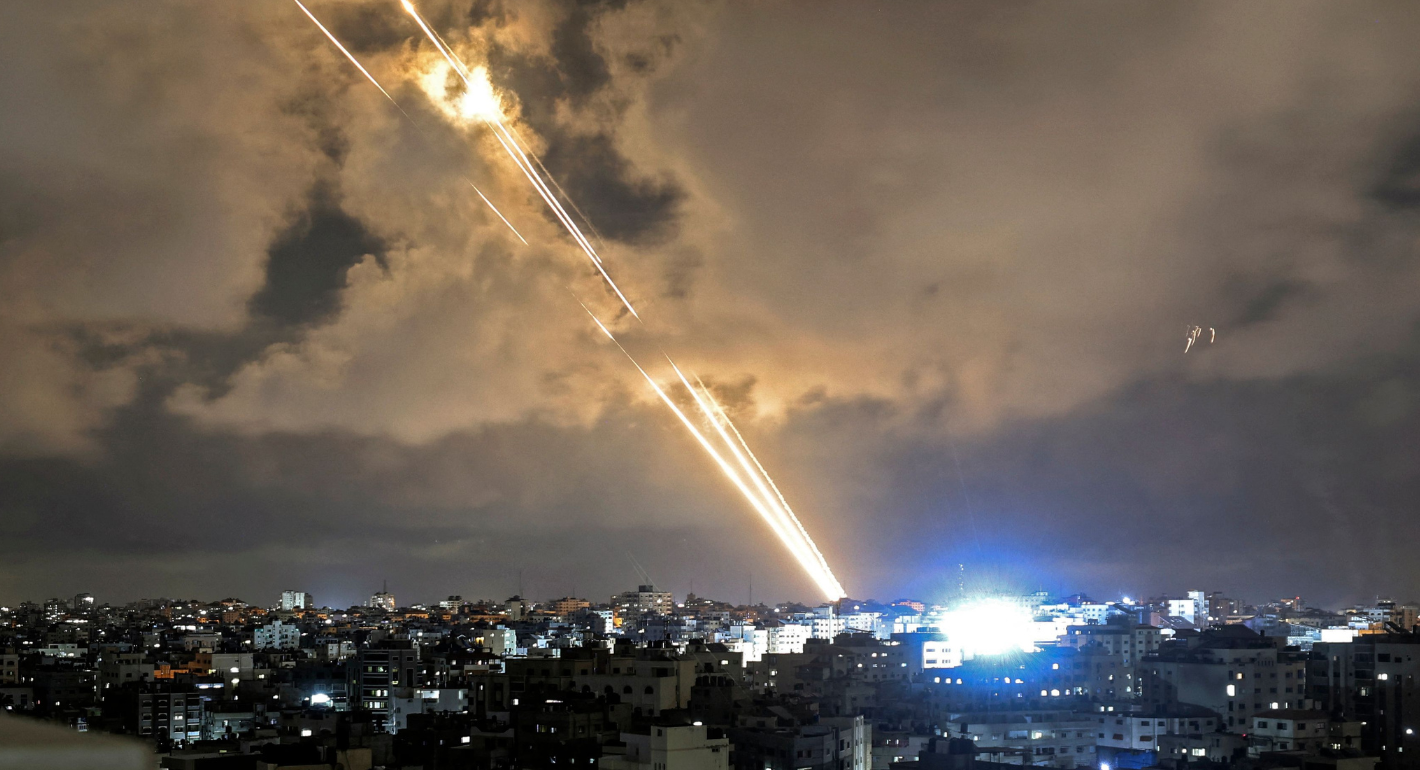
An Israeli response to Iran’s October 1 attack is imminent. The key question is of its intensity and potential fallout, both within Iran, in terms of nuclear security policy changes, and across the broader region. The coming days are likely to reshape West Asia irreversibly.
Gaddam Dharmendra
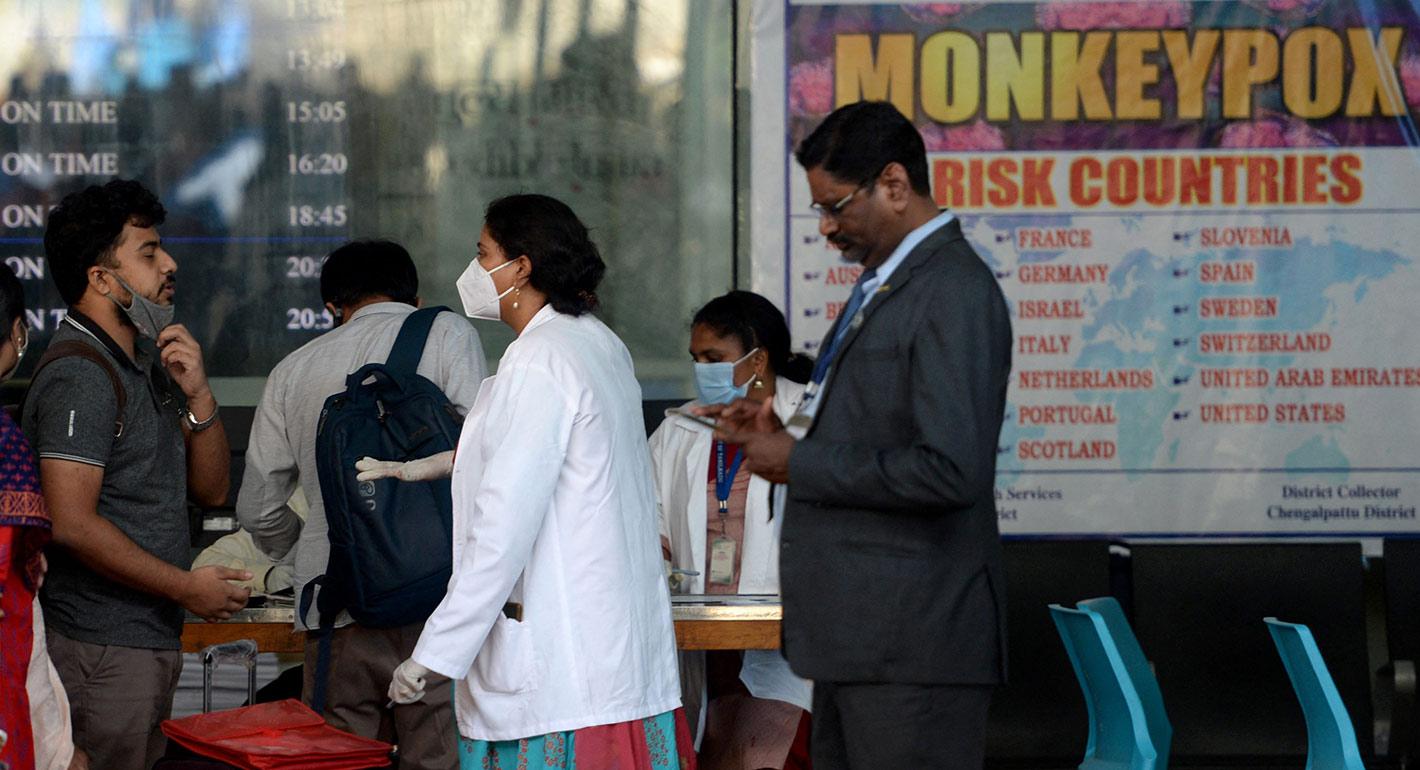
With monkeypox being declared a global health emergency, the WHO approach is an innovative and effective way to curb outbreaks of zoonotic diseases.
Shruti Sharma
In India, biotechnology has played an important role in helping stakeholders in academia, industry, and government develop new pandemic-related technology, from test kits to respiratory devices. But these biotechnology advancements can go further to strengthen India’s public health capacity.
Shruti Sharma
Unless the government can up its communications game, anti-vax movements could prolong India’s pandemic effects.
Shruti Sharma