

Research
- +10
Rosa Balfour, Frances Z. Brown, Yasmine Farouk, …
{
  "authors": [
    "Moisés Naím"
  ],
  "type": "legacyinthemedia",
  "centerAffiliationAll": "",
  "centers": [
    "Carnegie Endowment for International Peace"
  ],
  "collections": [],
  "englishNewsletterAll": "",
  "nonEnglishNewsletterAll": "",
  "primaryCenter": "Carnegie Endowment for International Peace",
  "programAffiliation": "",
  "programs": [],
  "projects": [],
  "regions": [
    "North America",
    "United States"
  ],
  "topics": [
    "Political Reform"
  ]
}
Source: Getty
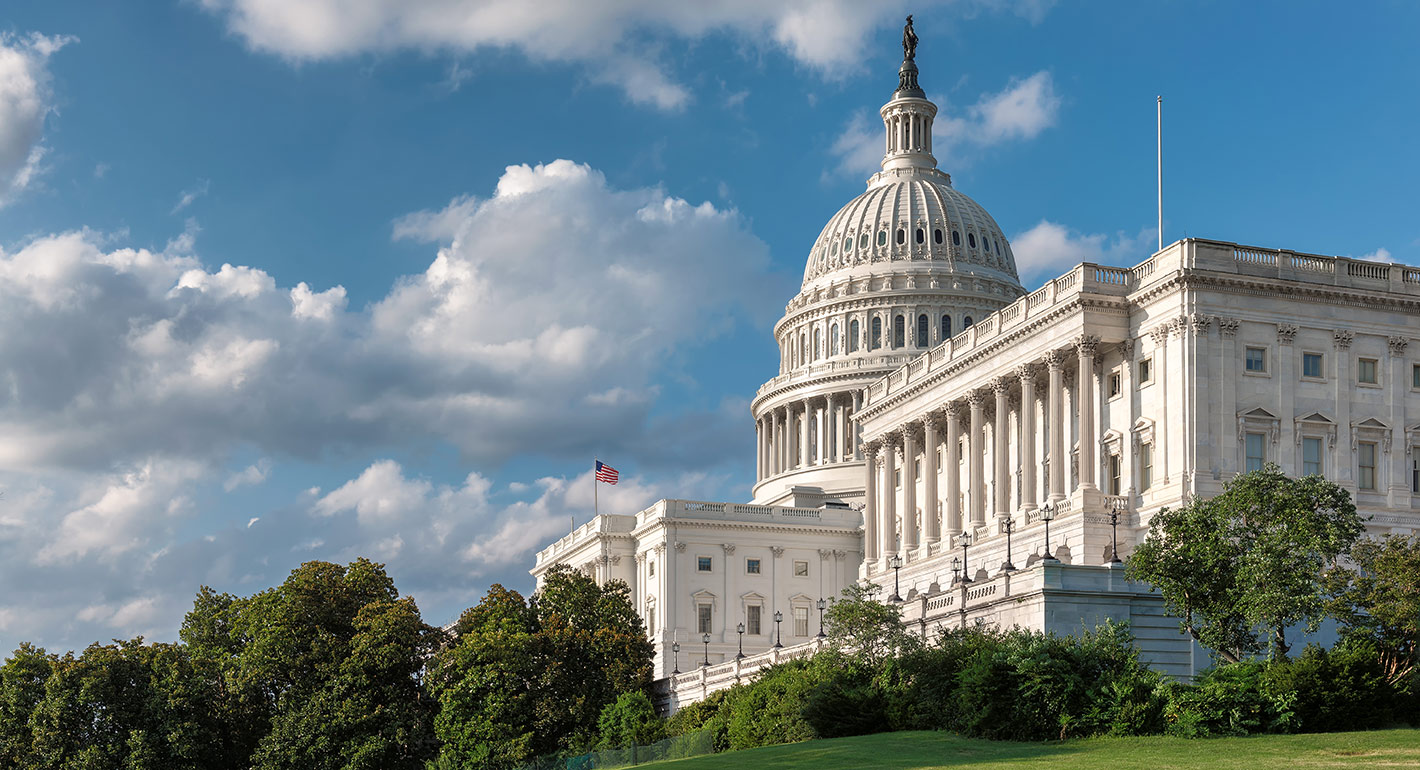
As a result of their recent electoral victories, there are now more women in positions of power in the United States than ever before.
Source: El País
Donald Trump bet on the caravan and lost the House of Representatives. While the president was busy using every campaign stop to frighten his supporters about an imminent invasion by a caravan of Central American refugees, American women were getting out the vote for women candidates.
In the wake of the mid-term elections, two things have become clear. The first is that nobody talks that much about the caravan anymore, not even Trump. The second is that, as a result of their recent electoral victories, there are now more women in positions of power in the United States than ever before.
This milestone was made possible by President Trump himself. His policies, his behavior, and even his style, have mobilized millions of women against him. As soon as he was sworn in, they began to organize massive Women’s Marches. Then they organized themselves so that their grievances would be heard. Next, thousands of them decided to run for elected office – they ran for Congress, for governor, for attorney general and for seats in the state legislatures. Then, finally, they voted en masse. And they won.
So far this wave of women’s politicization has primarily benefited the Democratic Party. Why? There are two reasons. First, for decades the Republican Party has been suffering from the so-called “gender gap,” that is, a chronic inability to attract women to their ranks. Second, as the polls and election results indicate, Donald Trump’s “seizure” of the Republican Party has widened the gender gap even further.
Another surprise was that women’s issues had more weight in the election than the economy. And an even bigger surprise was that Trump devoted much more time and attention to the caravan than to the country’s buoyant economic situation. Right now the US economy is expanding, unemployment is at its lowest level in decades, and wages are increasing at a rate not seen since 2009. Trump, of course, always touted the economy in his campaign speeches, but what always got the most enthusiastic applause from his followers were his vitriolic criticisms of immigrants, journalists (“the enemy of the people”), and the other divisive issues that the president so skillfully exploits.
In 1992 James Carville, an advisor to then-presidential candidate Bill Clinton, coined the phrase “It’s the economy, stupid,” to remind his communication team to always emphasize the weak state of the economy at the time. The phrase ended up being the campaign slogan and it has been adopted as a kind of electoral mantra: Don’t get distracted by other issues. The economic situation is the key to winning (or losing) an election.
We will never know what would have happened if Trump had respected this golden rule of electoral lore and concentrated his attention on celebrating the country’s economic prosperity instead of placing his emphasis on the issues that divide American society. There is no doubt that his agenda and his polarizing discourse served to motivate his base and helped the Republican Party increase its majority in the Senate. But there is also no doubt that his policies and messages also inflamed and mobilized his opposition. Despite all the president’s efforts, Republicans lost the House of Representatives by a significant margin.
Finally, a revealing surprise of the mid-term elections was the disappearance of any meaningful debate about one pressing national issue: gun control.
In February, a 19-year-old boy entered a high school in Parkland, Florida and killed 17 people and wounded 17 others, most of them students. Some of the survivors turned out to be intelligent, organized, and very effective communicators. In the days and weeks following the tragedy, this group of young people managed to create a broad and intense national discussion about the need to regulate the purchase and possession of firearms. The intensity of the debate seemed to foretell that the issue would certainly linger and end up being a crucial factor in the midterm elections. But it was not to be so. While it is true that several Democratic candidates who dared to openly confront the NRA, the powerful gun lobby, were elected, the discussion about the need to reform the nation’s gun laws was conspicuous in its absence.
The leadership of the Democratic party decided to center the campaign on Trump and, especially, on the need to protect the Affordable Care Act from the Republicans’ intention to dismantle some of its most sensitive provisions, such as the guaranteed coverage of pre-existing conditions, for example. Clearly this strategy worked. But the national conversation about gun control that can lead to stronger legislation is still pending.
While a broad debate on the ease with which firearms can be obtained may be on hold, this very unique American tragedy continues unabated. The day after the elections, an armed man entered a bar in California and, without saying a word, killed a dozen people and then committed suicide. So far this year there have been 307 similar attacks in the United States.
Will the newly elected contingent of women abandon the peaceful coexistence with the gun lobby that the majority of American politicians have had until now?

Distinguished Fellow
Moisés Naím is a distinguished fellow at the Carnegie Endowment for International Peace, a best-selling author, and an internationally syndicated columnist.
Recent Work



Rosa Balfour, Frances Z. Brown, Yasmine Farouk, …
Moisés Naím
Carnegie India does not take institutional positions on public policy issues; the views represented herein are those of the author(s) and do not necessarily reflect the views of Carnegie, its staff, or its trustees.

How is AI reshaping space security, creating governance challenges, and where does international diplomacy stand today?


Tejas Bharadwaj, Almudena Azcárate Ortega

The U.S.–India semiconductor cooperation story is well-stocked with top-level strategic intent. What remains unresolved, however, are some underlying challenges that will determine whether the cooperation actually functions. Three such friction points stand out.

Shruti Mittal

India and the United States are close to concluding a Reciprocal Defense Procurement Agreement (RDPA) that will allow firms from the two countries to sell to each other’s defense establishments more easily. While this may not remedy the specific grievances both sides may have regarding larger bilateral issues, an RDPA could restore some momentum, following the trade deal announcement.

Konark Bhandari

On the last day of the India AI Impact Summit, India signed Pax Silica, a U.S.-led declaration seemingly focused on semiconductors. While India’s accession to the same was not entirely unforeseen, becoming a signatory nation this quickly was not on the cards either.
Konark Bhandari

This piece examines India’s response to U.S. sanctions and tariffs, specifically assessing the immediate market consequences, such as alterations in import costs, and the broader strategic implications for India’s energy security and foreign policy orientation.

Vrinda Sahai