

Commentary
Thomas de Waal
{
  "authors": [
    "Thomas de Waal"
  ],
  "type": "other",
  "centerAffiliationAll": "dc",
  "centers": [
    "Carnegie Endowment for International Peace",
    "Carnegie Europe"
  ],
  "collections": [
    "Europe’s Eastern Neighborhood"
  ],
  "englishNewsletterAll": "ctw",
  "nonEnglishNewsletterAll": "",
  "primaryCenter": "Carnegie Europe",
  "programAffiliation": "EP",
  "programs": [
    "Europe"
  ],
  "projects": [],
  "regions": [
    "Russia",
    "Eastern Europe",
    "Caucasus",
    "Georgia",
    "Iran"
  ],
  "topics": [
    "Security"
  ]
}
Source: Getty
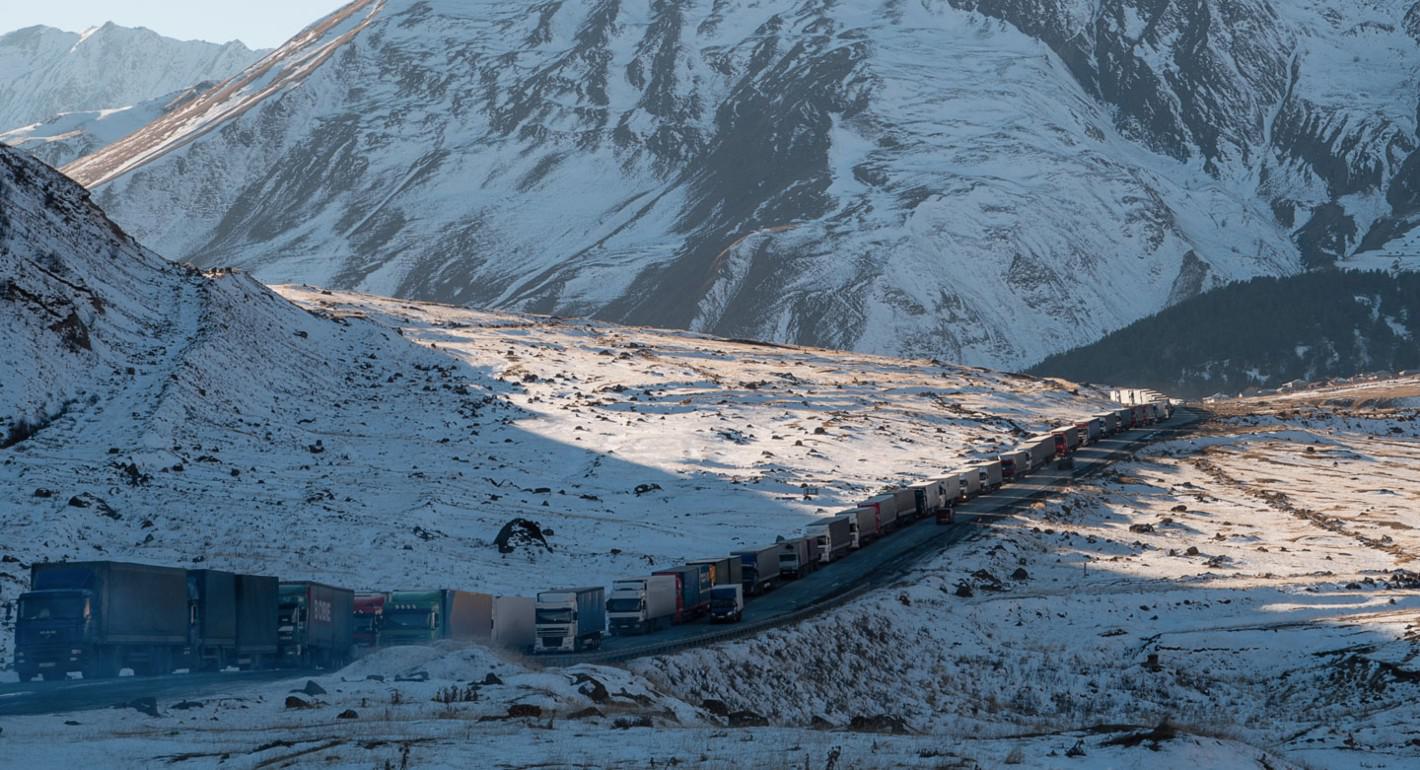
South Ossetia has all but disappeared from international view since the Georgia-Russia conflict of 2008 and is now being used by Moscow to pressure Tbilisi and channel funds to the breakaway Donbas regions.
Source: CENTRE FOR EUROPEAN POLICY STUDIES
The modern history of South Ossetia is a tragic one in which a generally peaceful region was first dragged into an unnecessary war with Georgia in the 1990s, then became the centre of the Georgian-Russian conflict of 2008. Since then it has been granted what has been described as “unwanted independence,” which in practice means isolation, economic depression and de facto Russian military annexation. On a personal level, this isolation hurts Ossetians as much or even more than Georgians. Many mixed Georgian-Ossetian families have been divided. The South Ossetian economy has withered, deprived of its traditional economic links with neighbouring Georgian towns.This publication was prepared within the framework of the CEPS-led 3DCFTAs project, enabled by financial support from Sweden. To download the publication, please consult the following link.

Senior Fellow, Carnegie Europe
Thomas de Waal is a senior fellow at Carnegie Europe, specializing in Eastern Europe and the Caucasus.
Recent Work
Thomas de Waal
Thomas de Waal

In any defense establishment, change is an ongoing process. However, despite the best of intentions, existing bureaucracies, bound by habit and years of socialization, have their limits in implementing transformative change.

Anit Mukherjee

After the chill in ties between 2020 and 2024 that brought India–China relations to their lowest point in several decades, the two countries have engaged each other afresh. This paper argues that there are predominantly four imperatives guiding India’s approach to China, and they exist in an order of priority.

Saheb Singh Chadha

This piece argues that India’s central challenge is not managing a single flashpoint but resolving the underlying tension between expansion and institutional coherency of the BRICS grouping.

Vrinda Sahai

This piece argues that the present Indian strategy, based on opportunistic diversification and utilization of limited strategic reserves, remains inadequate when confronting supply disruptions. It evaluates India’s options in the short, medium, and long terms.
Vrinda Sahai

This piece examines India’s response to U.S. sanctions and tariffs, specifically assessing the immediate market consequences, such as alterations in import costs, and the broader strategic implications for India’s energy security and foreign policy orientation.
Vrinda Sahai