

Commentary
Peter Kellner
{
  "authors": [
    "Peter Kellner"
  ],
  "type": "legacyinthemedia",
  "centerAffiliationAll": "dc",
  "centers": [
    "Carnegie Endowment for International Peace",
    "Carnegie Europe"
  ],
  "collections": [],
  "englishNewsletterAll": "ctw",
  "nonEnglishNewsletterAll": "",
  "primaryCenter": "Carnegie Europe",
  "programAffiliation": "EP",
  "programs": [
    "Europe"
  ],
  "projects": [],
  "regions": [
    "North America",
    "United States",
    "Iran"
  ],
  "topics": [
    "Political Reform"
  ]
}
Source: Getty
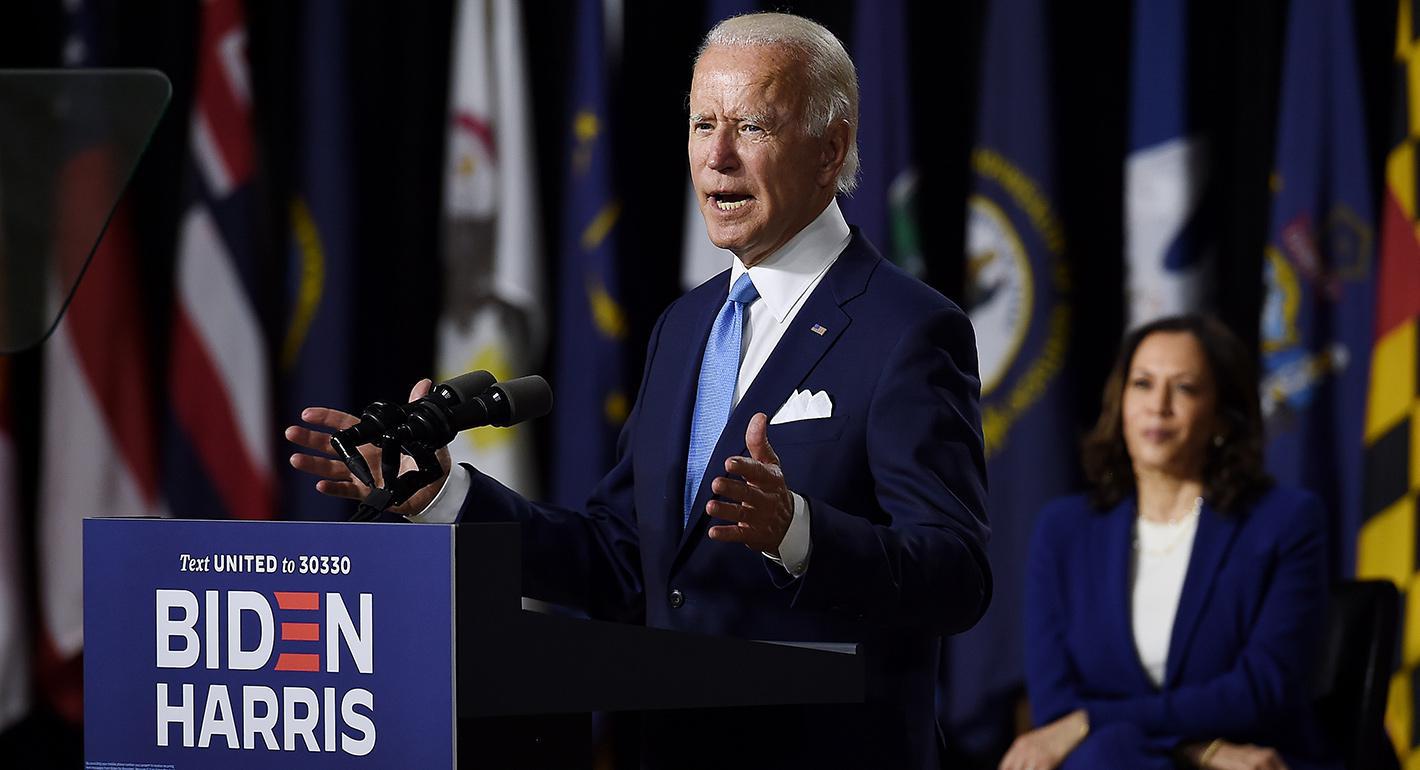
Former U.S. vice president Joe Biden is well placed to defeat U.S. President Donald Trump in November. But to do so, he must mobilize America’s clear anti-Trump majority to march behind his banner.
Source: TheArticle
Joe Biden’s task seems obvious enough. He must win back a decent number of the long-term Democrats who backed Donald Trump four years ago. If he does that, he will become President. If he doesn’t, he will lose.
In fact, that’s not quite right. It is perfectly possible for Trump to retain all the support he secured in 2016 and Joe Biden to win. Indeed, Trump could add win one million — and conceivably two million — more votes than last time and still lose. As for Biden, it would obviously help to persuade last-time Trump supporters to switch sides; but it’s not necessary.As we approach Labour Day and the unofficial start of the final, hectic race to election day, let’s crunch the numbers. For the contest is not as straightforward as it looks.
In 2016, Clinton won 48 per cent of the national vote, while Trump won 46 per cent. Six per cent voted for other candidates. This “other” block was well above the recent norm. In each of the three previous presidential elections, “other” candidates won less than two per cent of the vote between them. The latest polling evidence suggests that this year’s election will see the “other” total fall back again.
What does this mean for the Trump-Biden contest? Here are two assumptions:
Former Nonresident Scholar, Carnegie Europe
Kellner was a nonresident scholar at Carnegie Europe, where his research focused on Brexit, populism, and electoral democracy.
Recent Work
Peter Kellner
Peter Kellner
Carnegie India does not take institutional positions on public policy issues; the views represented herein are those of the author(s) and do not necessarily reflect the views of Carnegie, its staff, or its trustees.

India and the United States are close to concluding a Reciprocal Defense Procurement Agreement (RDPA) that will allow firms from the two countries to sell to each other’s defense establishments more easily. While this may not remedy the specific grievances both sides may have regarding larger bilateral issues, an RDPA could restore some momentum, following the trade deal announcement.

Konark Bhandari

On the last day of the India AI Impact Summit, India signed Pax Silica, a U.S.-led declaration seemingly focused on semiconductors. While India’s accession to the same was not entirely unforeseen, becoming a signatory nation this quickly was not on the cards either.
Konark Bhandari

This piece examines India’s response to U.S. sanctions and tariffs, specifically assessing the immediate market consequences, such as alterations in import costs, and the broader strategic implications for India’s energy security and foreign policy orientation.

Vrinda Sahai
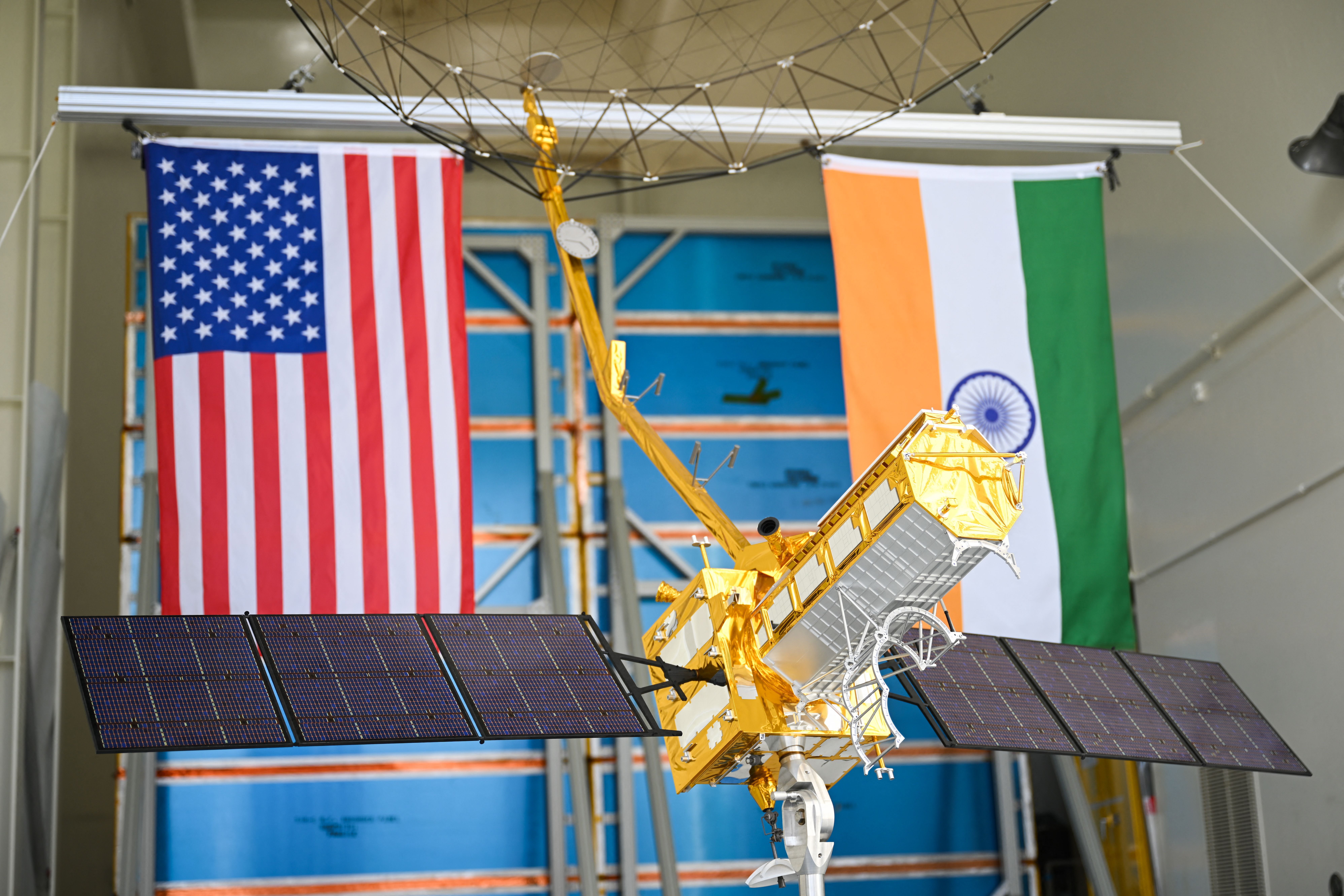
On July 30, 2025, the United States announced 25 percent tariffs on Indian goods. While diplomatic tensions simmered on the trade front, a cosmic calm prevailed at the Sriharikota launch range. Officials from NASA and ISRO were preparing to launch an engineering marvel into space—the NASA-ISRO Synthetic Aperture Radar (NISAR), marking a significant milestone in the India-U.S. bilateral partnership.

Tejas Bharadwaj
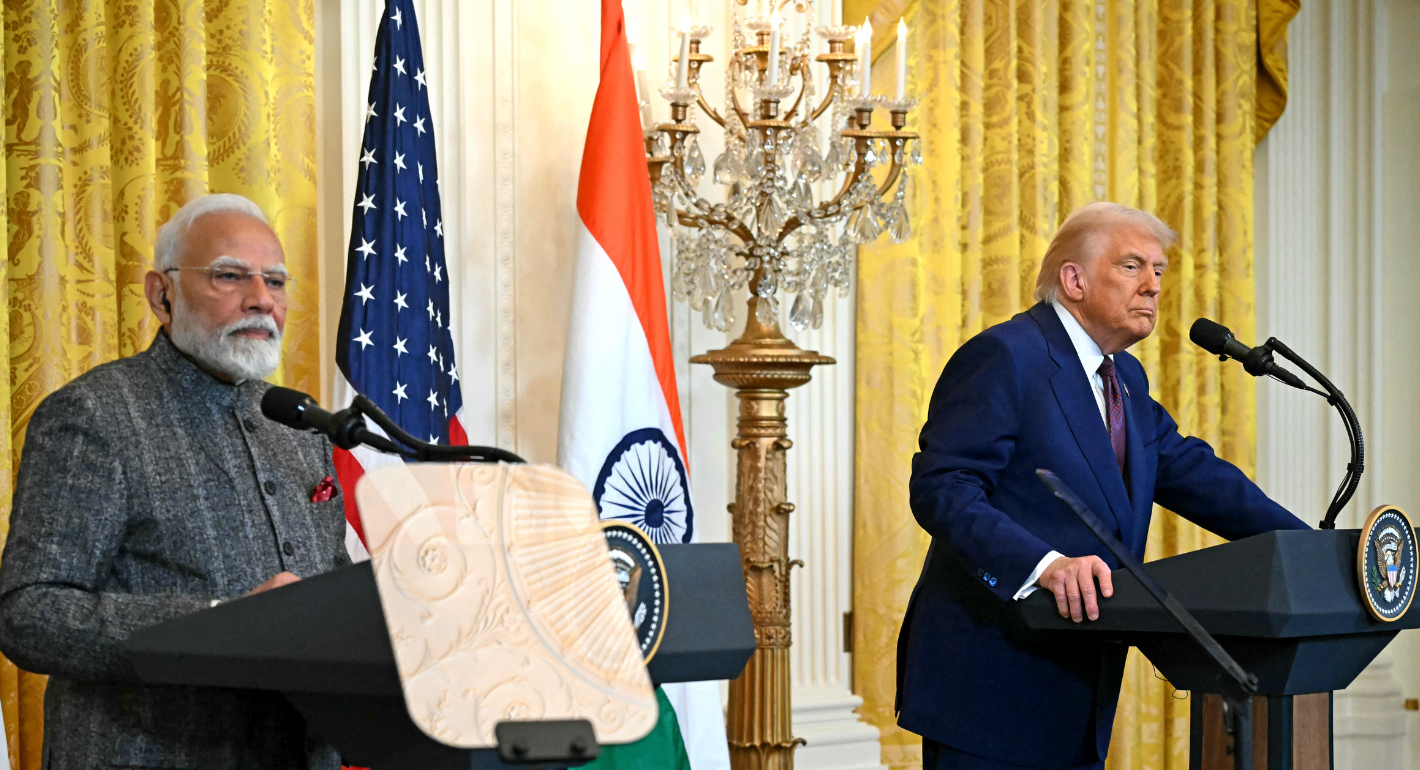
The India-U.S. relationship currently appears buffeted between three “Ts”—TRUST, Tariffs, and Trump.
Arun K. Singh