

Paper
Thomas Carothers

REQUIRED IMAGE
Source: Carnegie
Summary
As part of the changed U.S. geostrategic outlook arising from the September 11, 2001, terrorist attacks against the United States, the Bush administration is giving greatly heightened attention to the issue of promoting democracy in the Middle East. Although a policy of coercive regime change has been applied in Iraq, the administration has pursued a more gradualist model of political change in most of the region.
There is still little consensus among U.S. policy makers regarding the best approach for implementing democracy. This working paper assesses three competing strategies that have emerged within the growing domain of gradualist pro-democratic policies and programs.
Click on link above for full text of this Carnegie Paper.
This is the third in a series of working papers that will frame key issues relating to democracy promotion policies and programs in the Middle East. Also in the series:
Liberalization Versus Democracy: Understanding Arab Political Reform, by Daniel Brumberg
Promoting Democracy in the Middle East: The Problem of U.S. Credibility, by Marina Ottaway
About the Author
Thomas Carothers, senior associate at the Carengie Endowment, is the founder and director of the Endowment's Democracy and Rule of Law Project. He is the author of several books on democracy promotion, including Aiding Democracy Abroad: The Learning Curve, and a coauthor of Democratic Mirage in the Middle East (Carnegie Endowment Policy Brief No. 20).
Available only online.

Harvey V. Fineberg Chair for Democracy Studies; Senior Fellow, Democracy, Conflict, and Governance Program
Thomas Carothers, a senior fellow in the Carnegie Endowment for International Peace’s Democracy, Conflict, and Governance Program, is a leading expert on comparative democratization and international support for democracy.
Recent Work
Thomas Carothers

Richard Youngs, Thomas Carothers
Carnegie India does not take institutional positions on public policy issues; the views represented herein are those of the author(s) and do not necessarily reflect the views of Carnegie, its staff, or its trustees.

In any defense establishment, change is an ongoing process. However, despite the best of intentions, existing bureaucracies, bound by habit and years of socialization, have their limits in implementing transformative change.

Anit Mukherjee

After the chill in ties between 2020 and 2024 that brought India–China relations to their lowest point in several decades, the two countries have engaged each other afresh. This paper argues that there are predominantly four imperatives guiding India’s approach to China, and they exist in an order of priority.

Saheb Singh Chadha

This piece argues that the present Indian strategy, based on opportunistic diversification and utilization of limited strategic reserves, remains inadequate when confronting supply disruptions. It evaluates India’s options in the short, medium, and long terms.

Vrinda Sahai

This piece examines India’s response to U.S. sanctions and tariffs, specifically assessing the immediate market consequences, such as alterations in import costs, and the broader strategic implications for India’s energy security and foreign policy orientation.
Vrinda Sahai
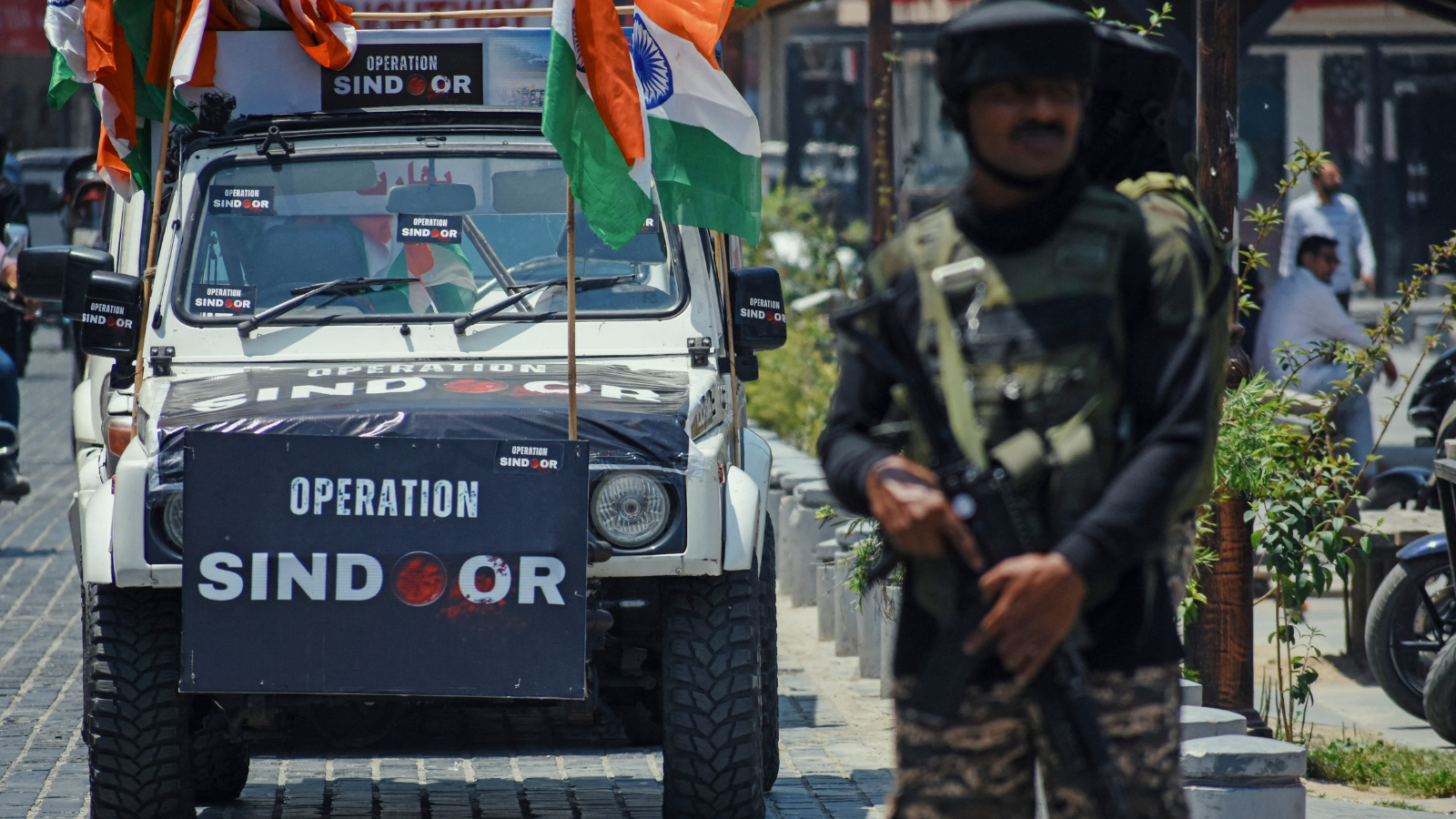
The India-Pakistan conflict that played out between May 6 and May 10, 2025, offers several military lessons. This article presents key takeaways from Operation Sindoor and breaks down how India’s preparations shaped the outcome and what more is needed to strengthen future readiness.

Dinakar Peri