

Article
Marina Ottaway, Omar Hossino

REQUIRED IMAGE
Source: Carnegie
Summary
The U.S. government has made the promotion of women's rights and the empowerment of women a central element of its new campaign to modernize and democratize the Arab world. This new focus is widely supported, but its popularity has generated confusion about the actual conditions of women in the Middle East and the problems they face; about the relationship between women's rights and democracy; and about what an outside intervenor like the United States can accomplish. This paper seeks to clarify some of these issues.
Click on link above for the full text of this Carnegie Paper.
This is the fourth in a series of papers that frame key issues relating to democracy promotion policies and programs in the Middle East. Also in the series:

About the Author
Marina Ottaway is senior associate in the Democracy and Rule of Law Project. Among her most recent publications are The Right Road to Sovereignty in Iraq (Policy Brief no. 27) and Democracy Challenged: The Rise of Semi-Authoritarianism (Carnegie Endowment, 2003).
Some print copies are available.
Request a copy
Former Senior Associate, Middle East Program
Before joining the Endowment, Ottaway carried out research in Africa and in the Middle East for many years and taught at the University of Addis Ababa, the University of Zambia, the American University in Cairo, and the University of the Witwatersrand in South Africa.
Recent Work
Marina Ottaway, Omar Hossino
Marina Ottaway
Carnegie India does not take institutional positions on public policy issues; the views represented herein are those of the author(s) and do not necessarily reflect the views of Carnegie, its staff, or its trustees.

An Israeli response to Iran’s October 1 attack is imminent. The key question is of its intensity and potential fallout, both within Iran, in terms of nuclear security policy changes, and across the broader region. The coming days are likely to reshape West Asia irreversibly.

Gaddam Dharmendra
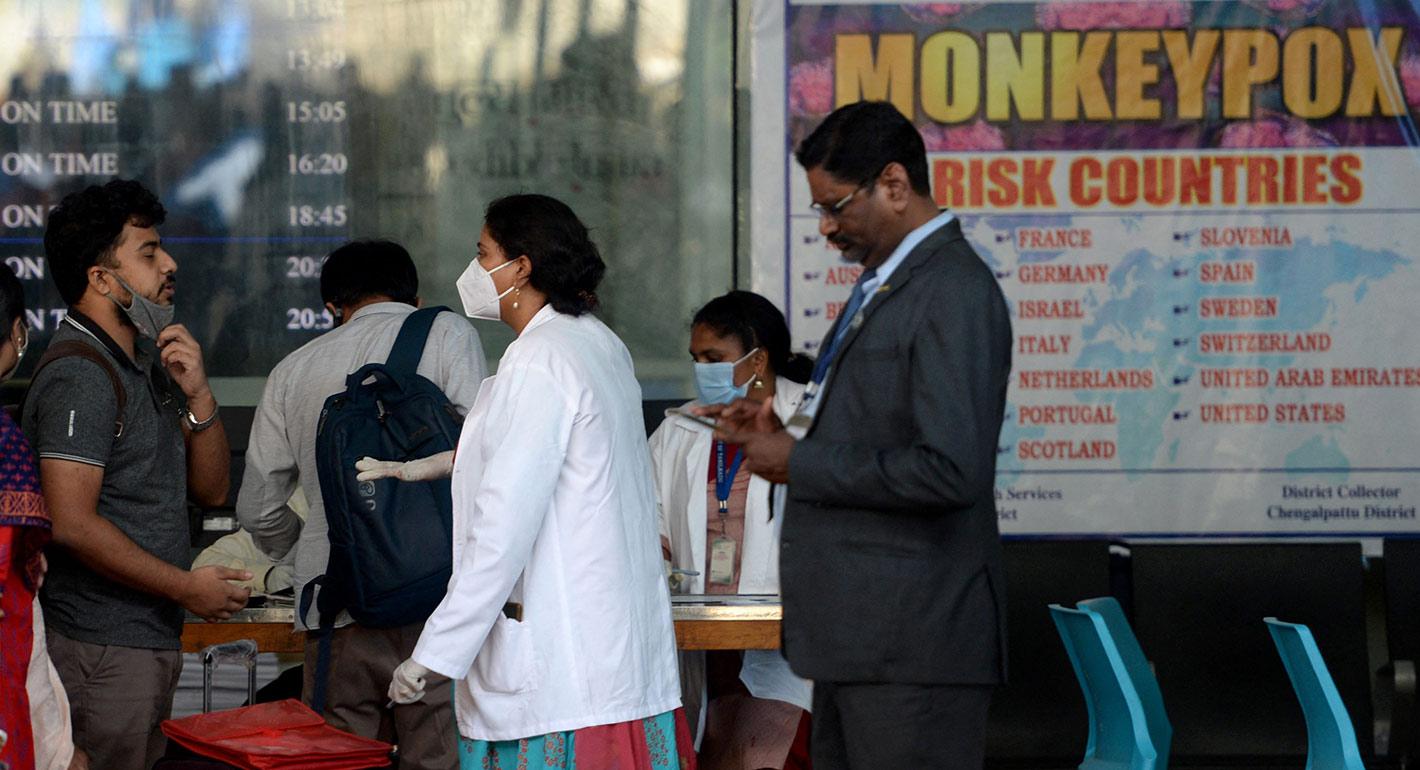
With monkeypox being declared a global health emergency, the WHO approach is an innovative and effective way to curb outbreaks of zoonotic diseases.

Shruti Sharma
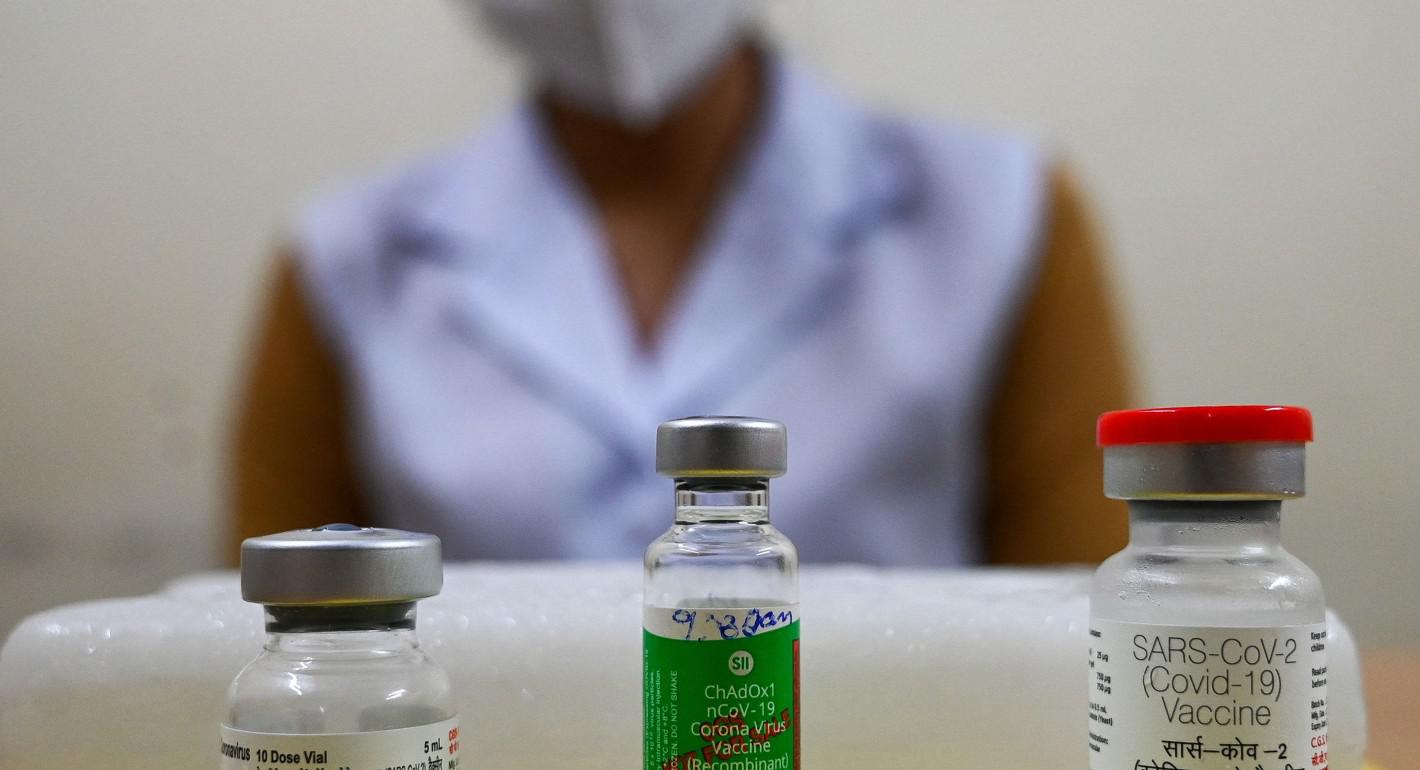
In India, biotechnology has played an important role in helping stakeholders in academia, industry, and government develop new pandemic-related technology, from test kits to respiratory devices. But these biotechnology advancements can go further to strengthen India’s public health capacity.
Shruti Sharma
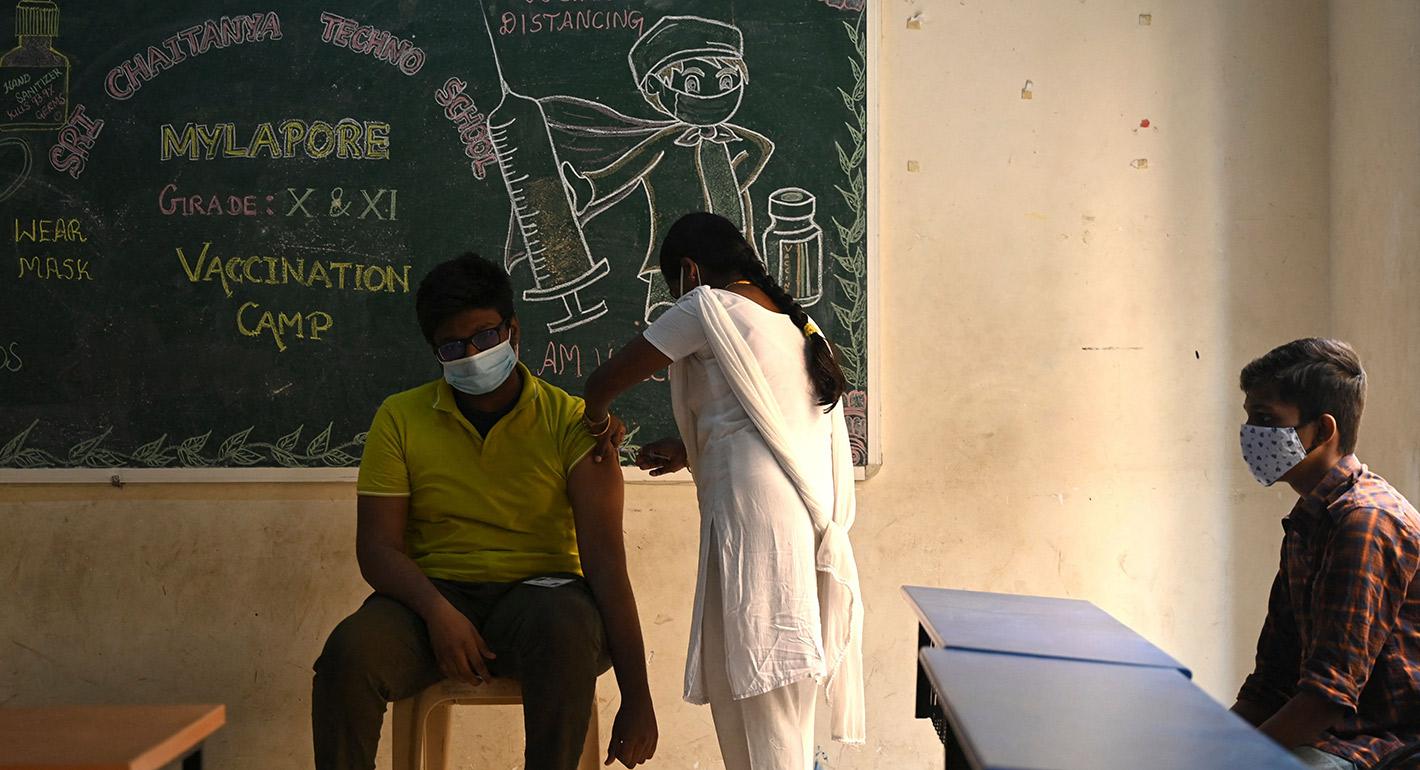
Unless the government can up its communications game, anti-vax movements could prolong India’s pandemic effects.
Shruti Sharma
Experts weigh in on whether the United States is too hostile toward China.



Stephen Wertheim, Evan S. Medeiros, Vijay Gokhale