

Paper
Anirudh Suri

REQUIRED IMAGE
The India-U.S. civilian nuclear deal, under which theU.S.would provide civilian nuclear technology toIndia, overturning decades ofU.S.policy and marking a turning point in the evolution of the U.S.-India relationship, has faltered close to fruition. Even as a new counter-offensive has been launched to push through the deal during the lame duck session of the Senate in November, proponents of the deal are disappointed, and even slightly frustrated, that the Senate did not take up the bill in its recently concluded session.
Adding to their discomfort isNorth Korea’s recent nuclear test.North Korea’s test is likely to place the India-U.S. nuclear deal debate more firmly within the context of increasing proliferation in the world, instead of in the narrative about strengthening the bilateral relationship between theU.S.andIndia. The test has strengthened the voice of the critics of the India-U.S. nuclear deal. (Read More)
The India-U.S. civilian nuclear deal, under which the
Adding to their discomfort is
The Indian government has not given up hope. It seems to be developing a multi-pronged strategy to counter the growing opposition and unexpected obstacles for a deal that many consider is largely favorable to the Indians.
Firstly, even as they have criticized the DPRK for the nuclear test, Indian officials have sought to prevent
Two, they have emphasized that the North Korean nuclear test cannot and should not be compared to the Indian tests in 1998. They point out that
Critics contend that
There might be a silver lining for the Indian government in the timing of
The Indian lobby and the PR firms hired by the
Amidst the vagaries of the
The Democrats, who wanted to introduce 19 amendments to the Bill in the last session, are attempting to push for a deal that ensures
If that does not happen, then the ball would be placed in
Though backing out of the deal is an option, it is probably not
Much will now depend on how well
Anirudh Suri is a Junior Fellow with the South Asia Program at the Carnegie Endowment.
Nonresident Scholar, Technology and Society Program
Anirudh Suri is a nonresident scholar with Carnegie India. His interests lie at the intersection of technology and geopolitics, climate, and strategic affairs.
Recent Work
Anirudh Suri
Anirudh Suri
Carnegie India does not take institutional positions on public policy issues; the views represented herein are those of the author(s) and do not necessarily reflect the views of Carnegie, its staff, or its trustees.

How is AI reshaping space security, creating governance challenges, and where does international diplomacy stand today?


Tejas Bharadwaj, Almudena Azcárate Ortega

The U.S.–India semiconductor cooperation story is well-stocked with top-level strategic intent. What remains unresolved, however, are some underlying challenges that will determine whether the cooperation actually functions. Three such friction points stand out.

Shruti Mittal
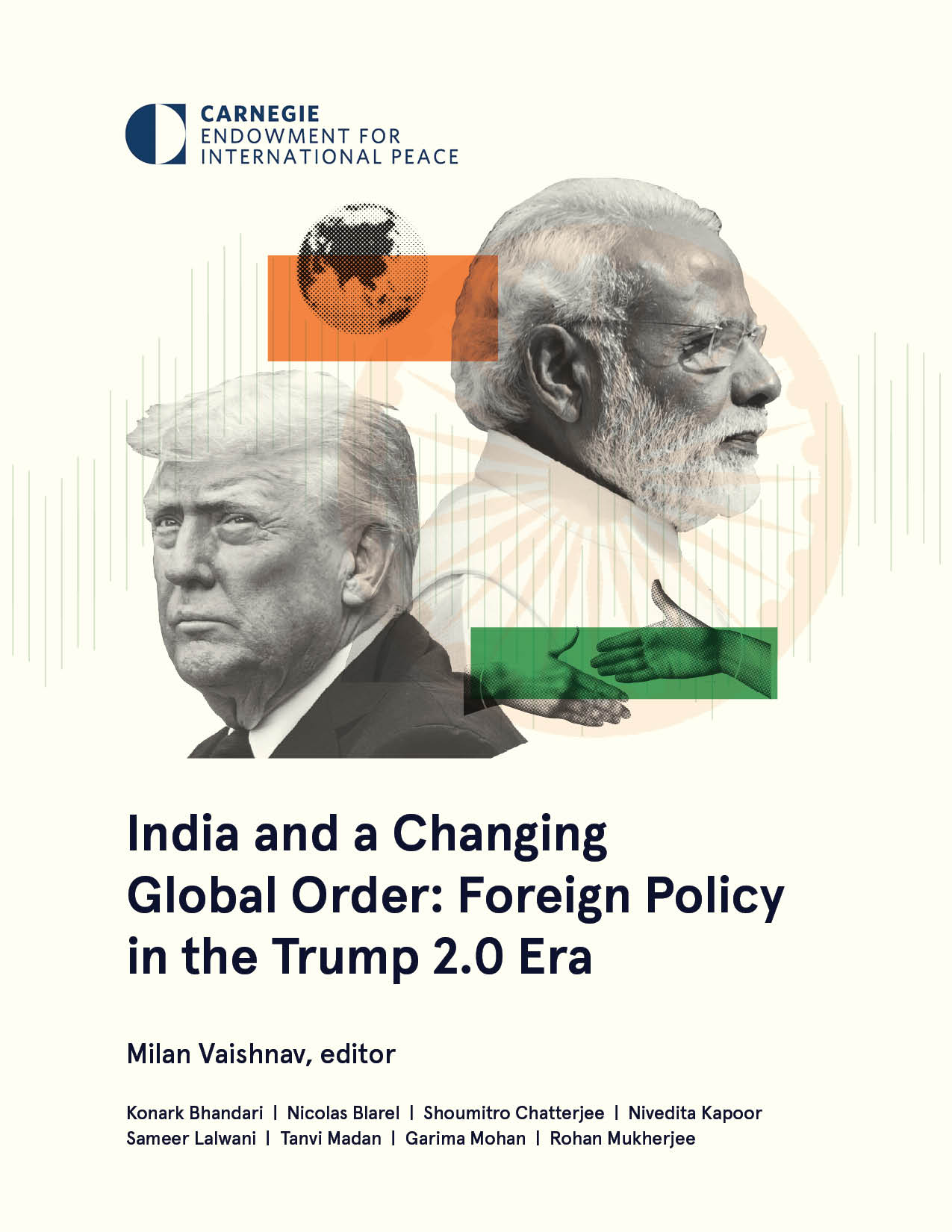
Trump 2.0 has unsettled India’s external environment—but has not overturned its foreign policy strategy, which continues to rely on diversification, hedging, and calibrated partnerships across a fractured order.



Milan Vaishnav, ed., Sameer Lalwani, Tanvi Madan, …

India and the United States are close to concluding a Reciprocal Defense Procurement Agreement (RDPA) that will allow firms from the two countries to sell to each other’s defense establishments more easily. While this may not remedy the specific grievances both sides may have regarding larger bilateral issues, an RDPA could restore some momentum, following the trade deal announcement.

Konark Bhandari
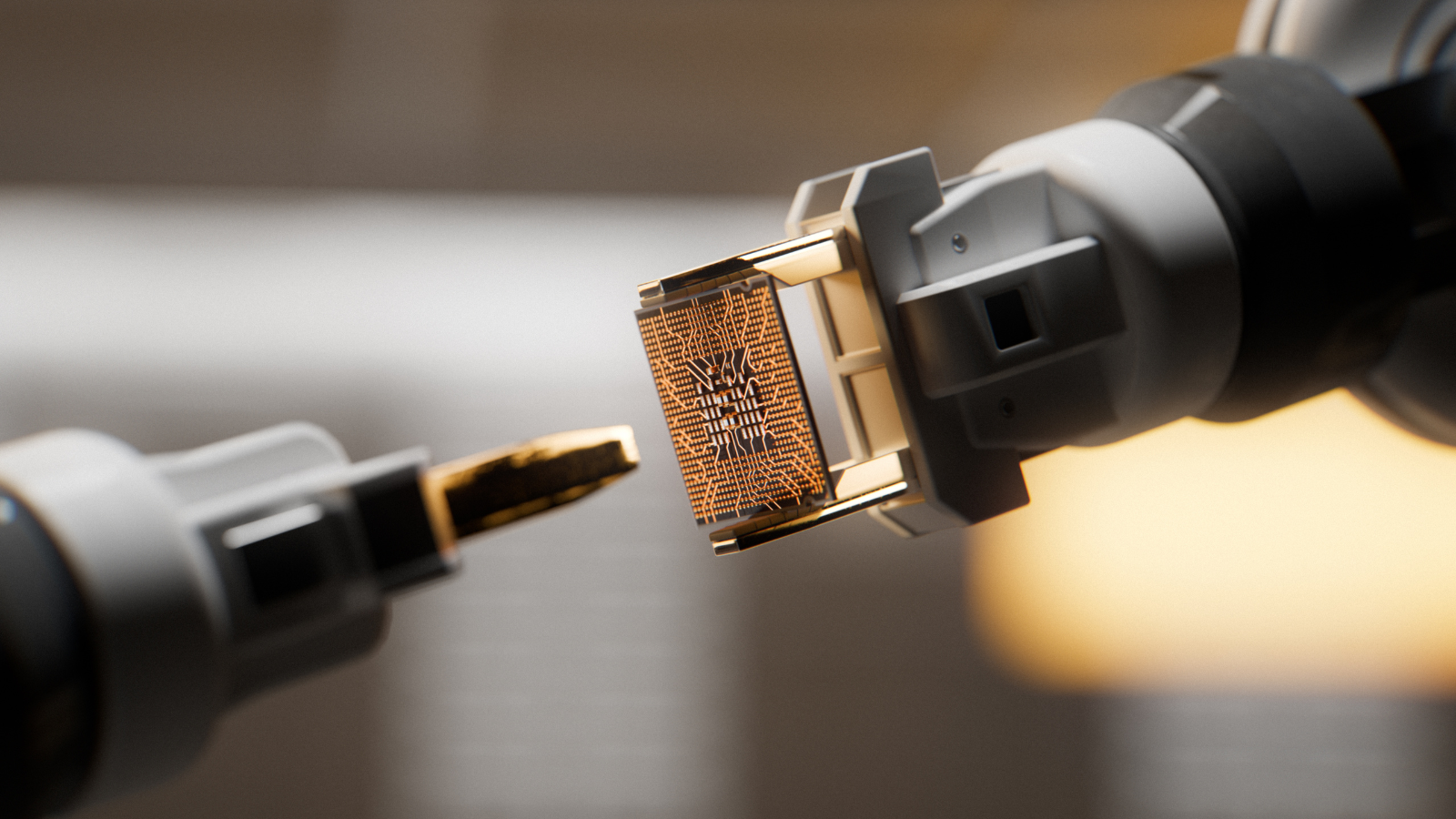
On the last day of the India AI Impact Summit, India signed Pax Silica, a U.S.-led declaration seemingly focused on semiconductors. While India’s accession to the same was not entirely unforeseen, becoming a signatory nation this quickly was not on the cards either.
Konark Bhandari