

Commentary
Rachid Tlemçani

REQUIRED IMAGE
Despite Algeria’s recent economic growth and domestic stability, the government’s refusal to address the legacy of its violent civil war threatens its long-term stability. President Abdelaziz Bouteflika’s decision to push forward his “Charter for Peace and National Reconciliation” without public input or dialogue has undermined the prospect for true reconciliation.
Source: Carnegie Endowment
Despite Algeria’s recent economic growth and domestic stability, the government’s refusal to address the legacy of its violent civil war threatens its long-term stability, argues a new paper from the Carnegie Endowment. President Abdelaziz Bouteflika’s decision to push forward his “Charter for Peace and National Reconciliation” without public input or dialogue has undermined the prospect for true reconciliation.
In Algeria Under Bouteflika: Civil Strife and National Reconciliation, Algeria expert Rachid Tlemçani examines the implementation of Bouteflika’s efforts to restore stability to the country and move beyond the legacy of civil war.
Key points:
“Algerian officials, led by President Bouteflika, decided to ignore the experience of other countries, to grant blanket amnesty and to pacify victims’ families with money rather than information, in hopes of turning the page on a dark period of Algerian history as soon as possible. That haste merely postpones a crisis that is likely to break out in the future as unreconciled grievances from the decade of civil war become enmeshed in growing socioeconomic and identity tensions in the country. Then the prospects for reconciliation and the reinforcement of human rights in Algeria will become even dimmer,” concludes Tlemçani.
Click on icon above for the full text of this Carnegie Paper.
A limited number of print copies of this Carnegie Paper are available.
Request a copy
About the Author
Rachid Tlemçani was a visiting scholar at the Carnegie Middle East Center and a visiting scholar in the Carnegie Endowment’s headquarters in Washington, D.C., the Center for Middle Eastern Studies at Harvard University, and the Center for Contemporary Arab Studies at Georgetown University. He has published numerous articles and several books on Algerian politics, including Elections et Elites en Algerie (2003), Etat, Bazar et Globalisation: L’aventure de L’Infitah en Algerie (1999) and State and Revolution in Algeria (1986).
Former Visiting Scholar
Recent Work
Rachid Tlemçani
Carnegie India does not take institutional positions on public policy issues; the views represented herein are those of the author(s) and do not necessarily reflect the views of Carnegie, its staff, or its trustees.

A partnership between India, a country of subcontinental size, and Africa, a continent of fifty-four countries, may seem asymmetric until one notes that both are home to nearly the same number of people—1.4 billion. This essay spells out the existing challenges to the partnership, its optimal potential, and the possible pathways to realize it over the next quarter-century.

Rajiv Bhatia

On March 10, 2026, India’s Union Cabinet approved amendments to Press Note 3, a regulation that mandated government approval on all foreign direct investment (FDI) from countries sharing a land border with India. This amendment raises questions primarily about whether its stated benefits will materialize and if the risks have been adequately weighed. This piece will address the same.

Konark Bhandari

This piece examines India’s response to U.S. sanctions and tariffs, specifically assessing the immediate market consequences, such as alterations in import costs, and the broader strategic implications for India’s energy security and foreign policy orientation.

Vrinda Sahai

This paper examines the evolution of India-China economic ties from 2005 to 2025. It explores the impact of global events, bilateral political ties, and domestic policies on distinct spheres of the economic relationship.

Santosh Pai
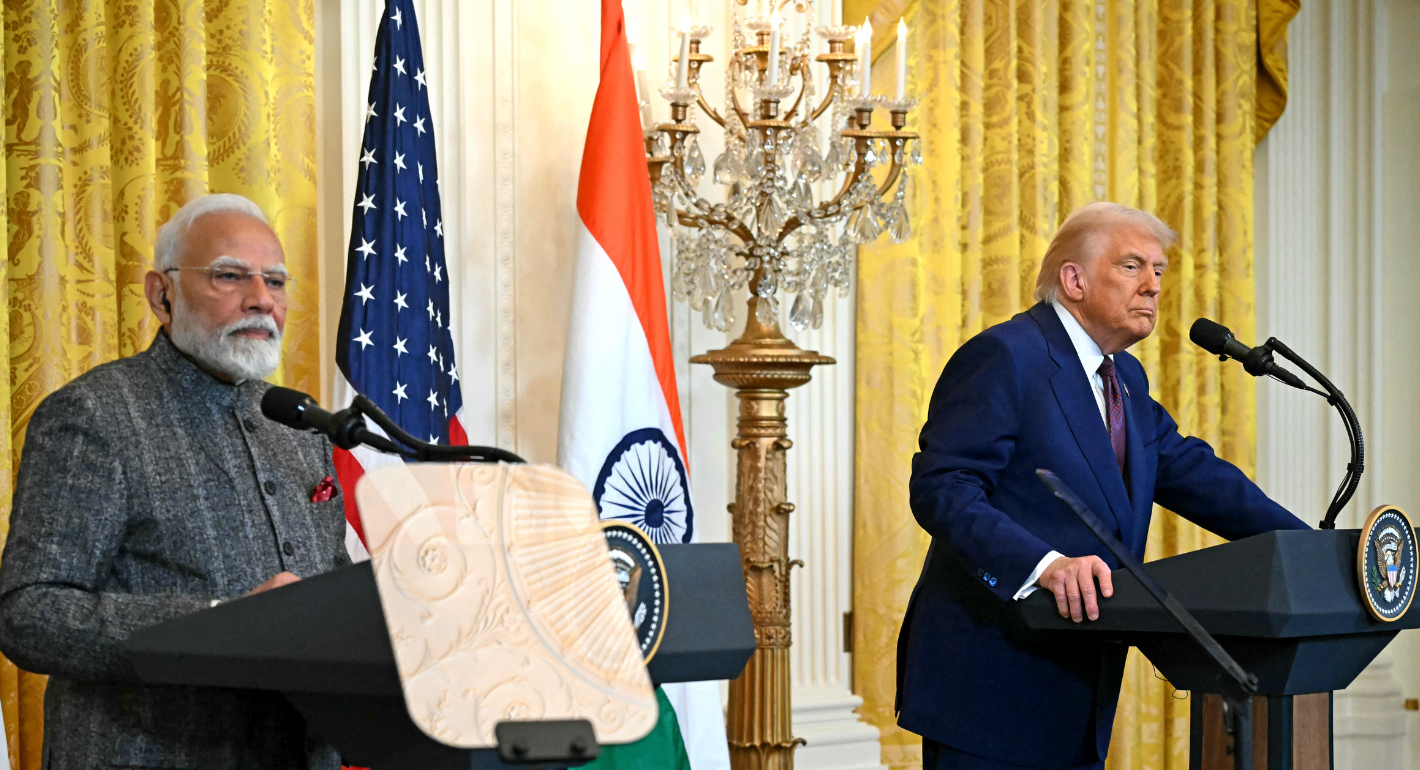
The India-U.S. relationship currently appears buffeted between three “Ts”—TRUST, Tariffs, and Trump.
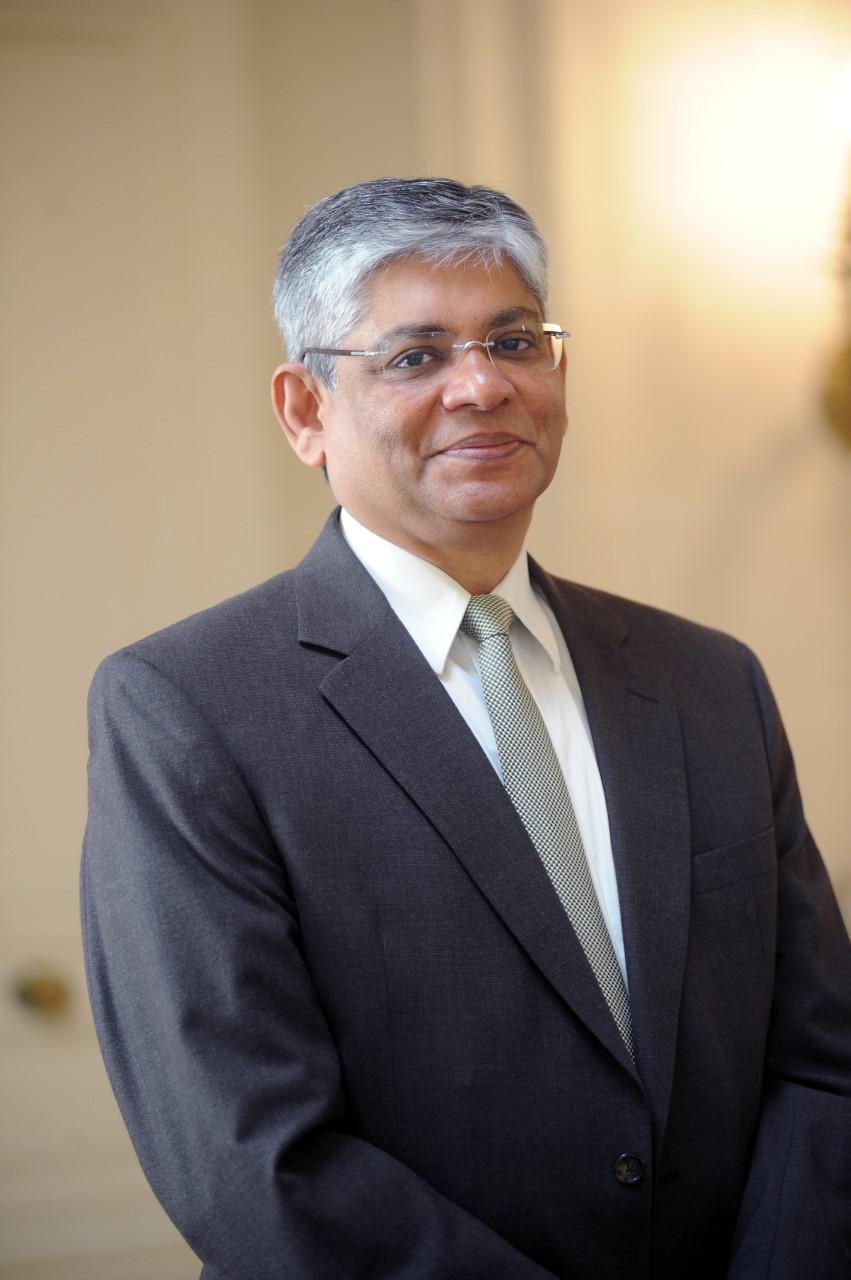
Arun K. Singh