

Paper
Gilles Dorronsoro
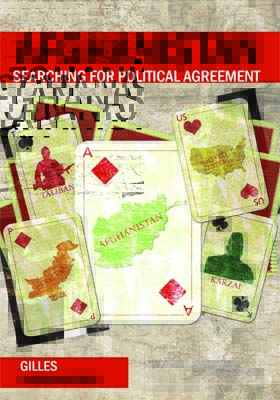
A less costly and more effective way for the international coalition to overcome the impasse in Afghanistan is a negotiated agreement with the Taliban, which could pave the way for a unity government.
Coalition strategy in Afghanistan has reached an impasse: tactical successes will not defeat the Taliban while Pakistan offers sanctuary, nor can security be “Afghanized” by a government that lacks legitimacy and is irreparably unpopular. A less costly—both in lives and money—and more effective option would be a negotiated agreement with the Taliban that paves the way for a unity government.
“Nothing guarantees that negotiations—if agreed to by the Taliban—will succeed. Furthermore, the regime that will be established will be unstable for months, perhaps even years,” writes Dorronsoro.
“But if the negotiations succeed, they will enable the formation of a national unity government in Kabul, a new constitution negotiated during a Loya Jirga, and internal and international guarantees to prevent the return of al-Qaeda. Given the current impasse in which the coalition finds itself, such a result is the best that one can hope for.”

Former Nonresident Scholar, South Asia Program
Dorronsoro’s research focuses on security and political development in Afghanistan. He was a professor of political science at the Sorbonne in Paris and the Institute of Political Studies of Rennes.
Recent Work
Gilles Dorronsoro
Gilles Dorronsoro
Carnegie India does not take institutional positions on public policy issues; the views represented herein are those of the author(s) and do not necessarily reflect the views of Carnegie, its staff, or its trustees.
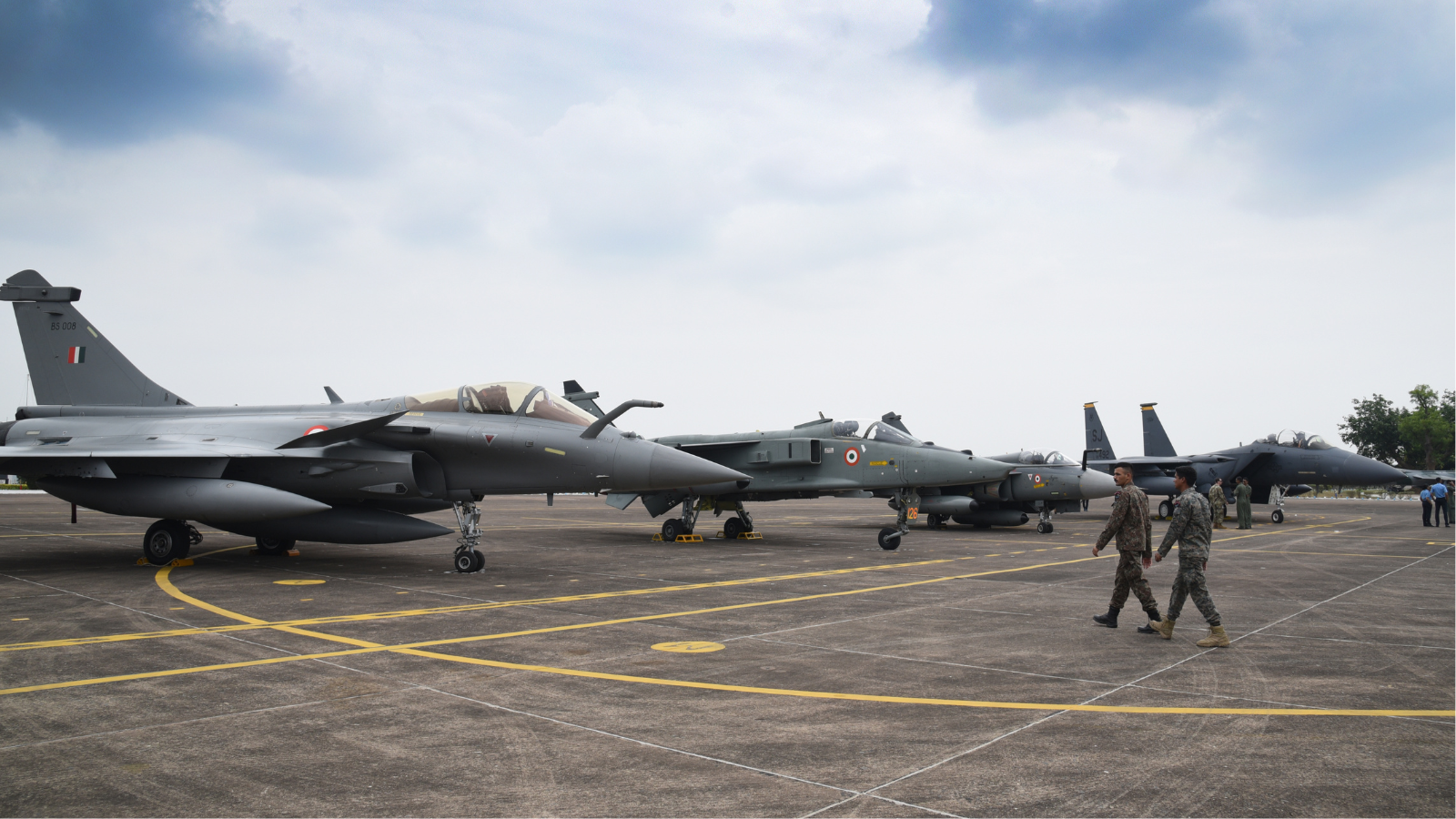
India and the United States are close to concluding a Reciprocal Defense Procurement Agreement (RDPA) that will allow firms from the two countries to sell to each other’s defense establishments more easily. While this may not remedy the specific grievances both sides may have regarding larger bilateral issues, an RDPA could restore some momentum, following the trade deal announcement.

Konark Bhandari

On the last day of the India AI Impact Summit, India signed Pax Silica, a U.S.-led declaration seemingly focused on semiconductors. While India’s accession to the same was not entirely unforeseen, becoming a signatory nation this quickly was not on the cards either.
Konark Bhandari

This piece examines India’s response to U.S. sanctions and tariffs, specifically assessing the immediate market consequences, such as alterations in import costs, and the broader strategic implications for India’s energy security and foreign policy orientation.
Vrinda Sahai
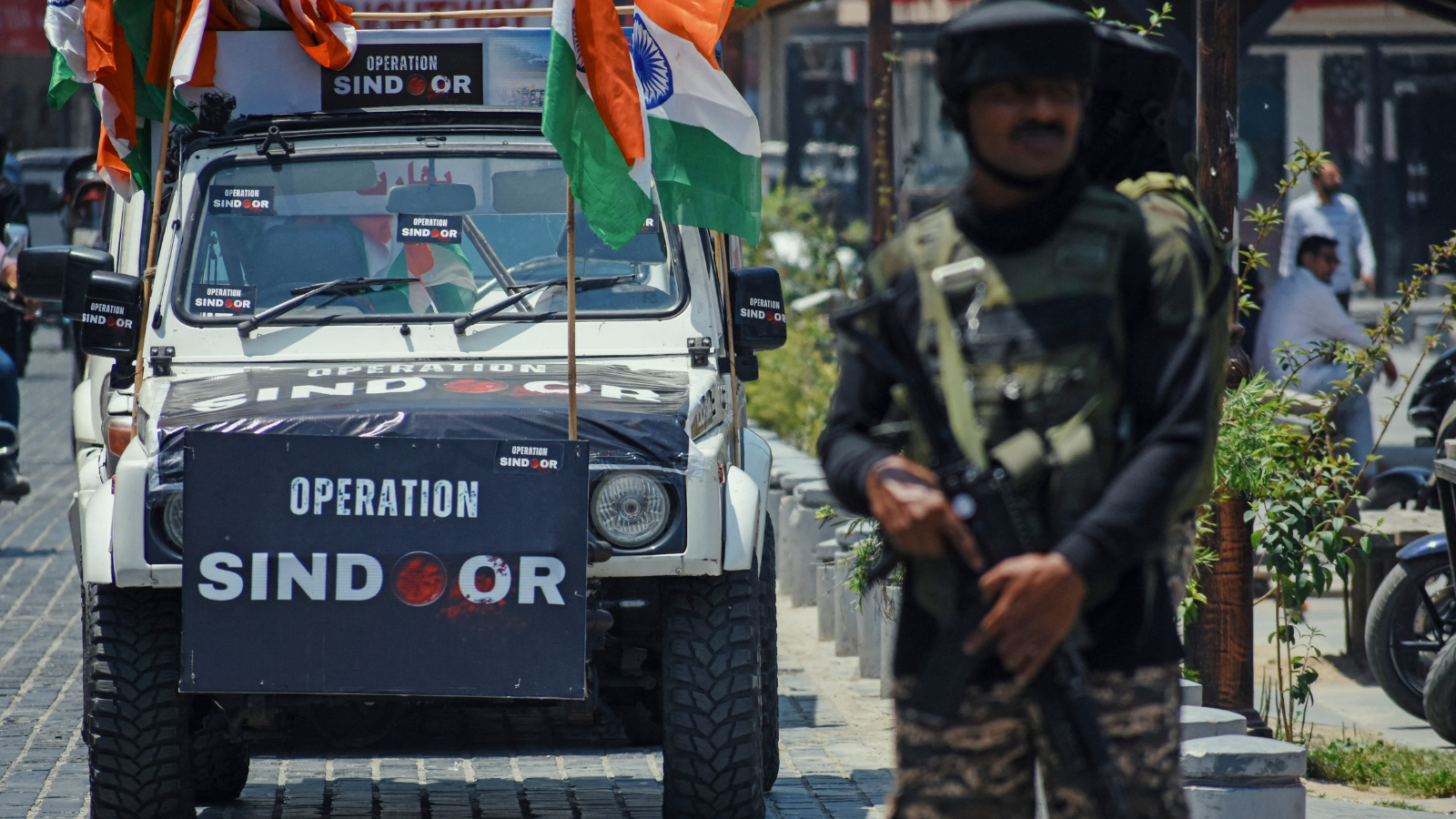
The India-Pakistan conflict that played out between May 6 and May 10, 2025, offers several military lessons. This article presents key takeaways from Operation Sindoor and breaks down how India’s preparations shaped the outcome and what more is needed to strengthen future readiness.

Dinakar Peri
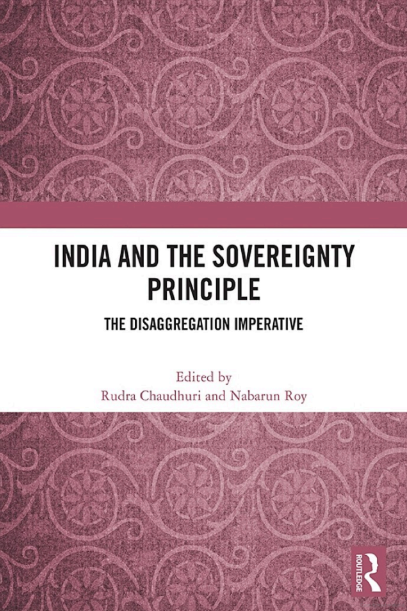
This book offers a comprehensive analysis of India's evolving relationship with sovereignty in a complex global order. Moving beyond conventional narratives, it examines how the sovereignty principle shapes India's behavior across four critical domains—from traditional military power to contemporary data governance.

Rudra Chaudhuri, Nabarun Roy