

Paper
Paul Salem
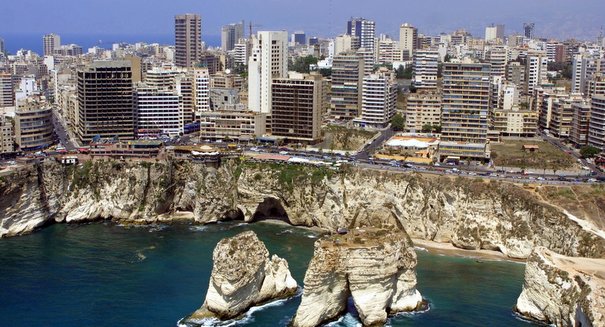
Source: Getty
The visit of Saudi King Abdullah and Syrian President al-Assad to Lebanon was a rare display of cooperation, but it yielded no real progress on a compromise over the upcoming results of the special tribunal, an issue that threatens to tear Lebanon apart.
Last week's visit to Lebanon by Saudi Arabia's King Abdullah and Syria's President Bashar al-Assad signaled a new level of cooperation between rivals who were fighting a proxy war against each other in Lebanon only a few years ago. Coming together to try to assuage heightened tensions over the looming results of the international tribunal investigating the assassination of former leader Rafik Hariri, the two leaders met with Lebanon's president, prime minister, and parliamentary speaker.
By showing strong support for the current coalition government, the meeting was significant in its own right. And the inclusion of Syria reflects a renewed role for Damascus in Lebanon-albeit one Saudi Arabia hopes to keep under control. The meeting followed a warming in Syria-Saudi relations, but it's still questionable whether Syria will use its leverage in Lebanon to calm tensions or simply back Hizbollah as it has before.
Approval for the meeting from Egypt, the United Arab Emirates, and Turkey signaled a broader regional understanding about the importance of the potential crisis and their desire to preserve Lebanon's stability. The position of Iran remained unclear: it could join with many of Lebanon's neighbors and work to minimize the political fallout from the tribunal, or it could encourage Hizbollah to further escalate tensions.
While the Saudi-Syrian visit was a positive sign for a country too frequently home to its neighbors' battles, there was no real progress on the issue that threatens to tear Lebanon apart-the special tribunal.
The tribunal is expected to release its findings in September, and rumors are circulating that the international investigation will implicate Hizbollah. The issue of Hariri's assassination has created major divides in Lebanon over the last five years and these findings risk internal turmoil.
Hizbollah leader Sayed Hassan Nasrallah has pre-emptively rejected the tribunal as an Israeli plot and accused Israel of being behind Rafik Hariri's assassination. Nasrallah is pushing Prime Minister Saad Hariri to distance himself and his government from the tribunal.
But Hariri is holding firm, maintaining the government's original position of respect and support for the tribunal. On the other hand, Hariri has signaled that he will be flexible in his response to the findings. He apparently proposed to Nasrallah that if the tribunal indicts Hizbollah operatives, Hariri would be willing to say that the accused were operating as rogue agents-allowing Hizbollah a way out. But Nasrallah flat out rejected the offer.
While the Abdullah-Assad visit temporarily relieved tensions, the contradictory positions of Nasrallah and Hariri will only escalate.
Pressure will mount on Hariri and his Saudi backers to refute the tribunal before its conclusions are released. Hizbollah, backed by Syria and Iran, believe that if the government denounces the tribunal, the Lebanese and Arab public will not give credibility to its conclusions and the government will not need to make any arrests.
If the government does refute the tribunal, it is likely that the indictment against Hizbollah will have much the same effect as the International Criminal Court's charge against Sudanese president Omar Bashir, who still comfortably runs his country and is welcomed in most Arab capitals.
But if Hariri holds his ground, Hizbollah is likely to use the full range of tools at its disposal to pressure the government-even encouraging protests that could escalate into street fighting, as seen in 2008.
Lebanon's neighbors are weighing in as well. Syria has alleged from the onset that the tribunal is biased and has come out publicly against it. President Assad has apparently even urged King Abdullah to use his influence to stop the tribunal. The Saudi king has remained fairly quiet about the tribunal, but has indicated that the stability of Lebanon is of paramount importance.
Although the summit brought a moment of internal calm, it failed to bridge the divide and it's unclear whether a compromise can be reached in time. The fear is that tensions beginning at the political level will degenerate into street protests and more serious risks. The issue of Hariri's assassination has determined major shifts in Lebanese and regional politics since 2005-and it's unlikely that the indictments of the 5-year international investigation will pass without incident.
Senior Fellow at the Middle East Institute
Paul Salem is a senior fellow at the Middle East Institute.
Recent Work
Paul Salem
Paul Salem
Carnegie India does not take institutional positions on public policy issues; the views represented herein are those of the author(s) and do not necessarily reflect the views of Carnegie, its staff, or its trustees.

In any defense establishment, change is an ongoing process. However, despite the best of intentions, existing bureaucracies, bound by habit and years of socialization, have their limits in implementing transformative change.

Anit Mukherjee

After the chill in ties between 2020 and 2024 that brought India–China relations to their lowest point in several decades, the two countries have engaged each other afresh. This paper argues that there are predominantly four imperatives guiding India’s approach to China, and they exist in an order of priority.

Saheb Singh Chadha

This piece argues that the present Indian strategy, based on opportunistic diversification and utilization of limited strategic reserves, remains inadequate when confronting supply disruptions. It evaluates India’s options in the short, medium, and long terms.

Vrinda Sahai

This piece examines India’s response to U.S. sanctions and tariffs, specifically assessing the immediate market consequences, such as alterations in import costs, and the broader strategic implications for India’s energy security and foreign policy orientation.
Vrinda Sahai
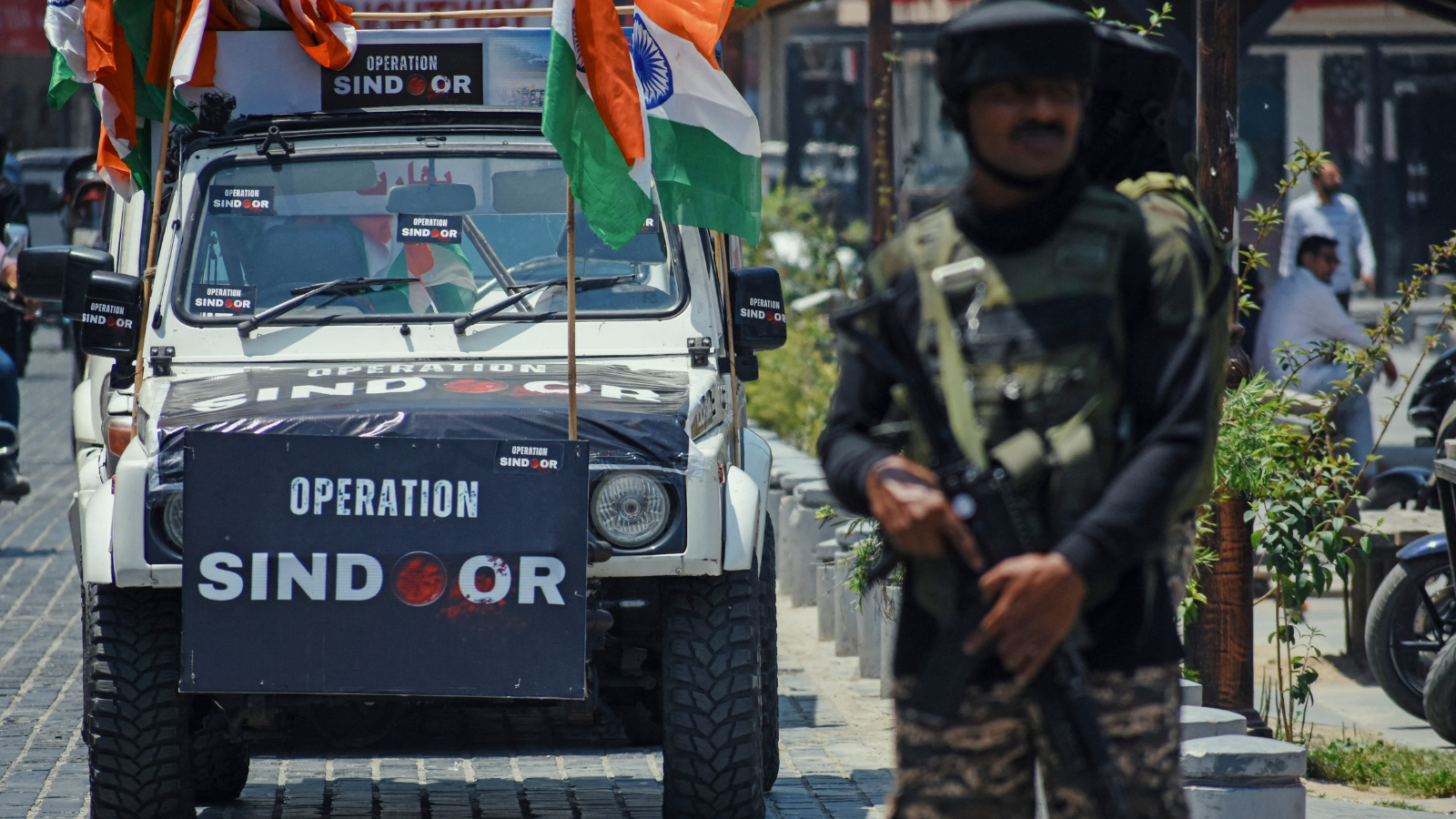
The India-Pakistan conflict that played out between May 6 and May 10, 2025, offers several military lessons. This article presents key takeaways from Operation Sindoor and breaks down how India’s preparations shaped the outcome and what more is needed to strengthen future readiness.

Dinakar Peri