

Article
Cheng-Chwee Kuik
The EU and ASEAN have diverging priorities in climate, security, technology, trade, and democracy. Stronger cooperation in these fields would enable the two blocs to tackle shared challenges and pursue common interests.
The European Union (EU) and the Association of Southeast Asian Nations (ASEAN) formally marked almost half a century of diplomatic ties at the end of 2022. The two blocs’ forty-five-year commemorative summit was held in Brussels against a backdrop of Russia’s ongoing war in Ukraine and heightened security tensions in the Asia-Pacific given China’s continued and increasingly aggressive stance toward its southern neighbors and, in particular, in the Taiwan Strait.
Paradoxically, despite the intensified security situations in both regions and the extent to which the U.S.-China rivalry is squeezing the space for other actors to play a more strategic role in the Indo-Pacific, the security dossier has not featured heavily on the EU-ASEAN agenda. This is symptomatic not only of the way both organizations view each other’s respective capacities and interests in each region but also of the way the relationship has fared to date. There has been a series of highs and lows, with many of the more controversial issues—in particular, thorny democracy and human rights concerns—left to be either hammered out by diplomats or tackled by civil society, given sensitivities at the political level.
This misalignment on democracy will likely always be a point of contention, given each region’s inherent approach to this policy area: democracy is codified in the EU’s treaties, whereas ASEAN comprises a range of political systems. And while Europe has certainly managed to issue a coherent and comprehensive strategy on Asia, specifically the Indo-Pacific, and ASEAN has articulated its own Outlook on the Indo-Pacific, what these approaches should entail in practice and the motivations behind them remain nebulous because of the lack of an actionable and concrete forward vision.1
The main thrust of the EU-ASEAN relationship has focused very much on trade and investment, reflecting the EU’s competence vis-à-vis its member states and the areas where there is slightly more wiggle room for ASEAN as a whole. And despite the failure to advance an EU-ASEAN free-trade agreement (FTA), which has essentially been stalled since 2007, the EU has moved forward with bilateral FTAs with individual ASEAN member states—namely, Singapore and Vietnam—signaling at least the potential to fully realize the economic relationship.
There are both internal and external reasons for this prioritization of policy issues. For one, ASEAN as a regional organization is not set up in a similar way to the EU—it does not have a single currency or a customs union, for example—and nor does it have any ambition to be. ASEAN is more of a coordinating body and a clearinghouse for some of the region’s mutual concerns. It has no binding or enforcing power and operates on the basis of principled nonintervention in its member states’ affairs. That is something that a large majority of ASEAN nationals surveyed in late 2022 considered to be a serious handicap, resulting in the association being “slow and ineffective” at harmonizing regional responses.2 The EU, by contrast, acts as a much more integrated bloc, despite its internal disagreements and complex governance dynamics. For all intents and purposes, the EU—in its core areas of competence, especially trade—acts as any regional body looking out for the collective interests of its members would.
On the foreign policy side, however, both the EU and ASEAN face struggles. For one thing, the EU’s members have never entirely moved forward with relinquishing full control over external engagement to the union’s executive arm. This is why, despite the ratification of the EU’s Lisbon Treaty in 2009, the EU member states have continued to retain national competence over the many challenges that affect the union’s Common Foreign and Security Policy. ASEAN acts in a very similar way but much more strongly favors individual member states’ prerogatives. But there has never been any ambition or coordinated attempt to externalize ASEAN’s foreign policy engagement to the regional secretariat.
These discrepancies help explain why the EU-ASEAN relationship has been so stop-and-go over the past forty-five years. Yet, in the past decade or so, the geopolitical landscapes in Europe and Asia have changed significantly, leaving the EU and ASEAN exposed to critical security and economic vulnerabilities over which they have limited sway. This is especially true of the two organizations’ exposure to the U.S.-China rivalry, which, despite the Asia-Pacific being the main theater of this power play, has also affected Europe in many ways. Indeed, the United States’ prominent role in security dynamics in both regions—coupled with inescapable exposure to and engagement with China, which brings its own rapid growth, global ambitions, and increasingly polarizing worldview—has left the EU and ASEAN stuck in the middle of an extremely uncomfortable power rivalry.
The similarities in the ways in which the EU and ASEAN navigate between these two heavyweights are very much conditioned by the two blocs’ bilateral relationships with the United States and China. As regards the former, the EU has always prioritized strong transatlantic relations, despite interactions coming under strain in recent years. Indeed, with over 80 percent of EU countries allied with the United States through the North Atlantic Treaty Organization (NATO), it is difficult to imagine the EU collectively taking an all-out aggressive posture toward Washington, although there will inevitably be tensions among individual member states.3 ASEAN, meanwhile, features many countries that are not U.S. allies. Only two of the ten ASEAN members—the Philippines and Thailand—are formally allied with Washington through collective defense arrangements. Each ASEAN member state’s relationship with the United States falls on a different point along a spectrum, based on historical dynamics, economic and security dependencies, and values-based compatibilities.
When it comes to China, there is much congruity in the EU’s and ASEAN’s approaches. The EU’s current position toward China is to treat it as either a competitor, a rival, or a partner depending on the circumstances. ASEAN could be said to have deployed a very similar tactic—though that trichotomy is much more pronounced and dependent on individual nations’ relations with Beijing. Certainly, there is not yet a coordinated or formal mechanism that conditions a unified ASEAN response to China, given the organization’s stance on noninterference in member states’ affairs. That is a situation that China has undoubtedly been able to play to its advantage.
At the same time, there have been major differences in worldview between the EU and ASEAN. The most obvious recent example has been the contrast in responses to the war in Ukraine. The EU, for understandable reasons—including the fact that the conflict is playing out in the union’s immediate neighborhood—has taken a strong stance against Russia’s aggression in Ukraine and has expected its partners in the Global South to stand in solidarity with its position. This expectation is a values judgment based on the understanding that every nation is owed territorial sovereignty and that Russia’s unprovoked attack is fundamentally wrong.
The mixed reactions of the Global South to the war—and the perceived ambivalence of ASEAN members (with the exception of Singapore)—have led to incomprehension at best and an almost moral exasperation at worst from the EU. For their part, many ASEAN nations have been reluctant to take sides not because the territorial integrity of other sovereign nations is not sacred but because the interpretation of right and wrong is not so clearly black and white. Many ASEAN member states have observed decades of the West—especially the United States and, in some cases, specific EU member states—undertaking their own type of vigilante justice based on their interpretations of right and wrong in other parts of the world. ASEAN countries then ask how Russia’s unprovoked attack on Ukraine is different from, say, NATO’s 2011 intervention in Libya or even France’s 2014–2022 Operation Barkhane in the Sahel.
Given this kaleidoscope of variables, a core purpose of this publication is to ask what space there is for Europe and Asia to forge different forms of collaboration and reimagine what the partnership could look like in areas of common interest. This compendium is unique in two ways: First, it examines the relationship at face value. The point is to remove, to the extent possible, the United States and China as variables from the relationship and explore ways for creative collaboration. Second, each chapter is co-written by an Asian and a European analyst in equal partnership, reflecting the project’s approach of bringing together two views on each issue with equal merit.
Each chapter provides the state of play of the EU-ASEAN relationship on a specific issue, takes a deep dive into the challenges on the horizon, and offers opportunities for moving the relationship forward. What emerges is a picture of a relationship that is as dynamic as it is complex. This speaks volumes of the need to approach policy issues from a multisector, multistakeholder perspective that does not silo individual issues but treats them as inherently dependent on other policy areas.
The climate chapter highlights the challenges of reconciling climate targets and global commitments with realities on the ground, especially in light of the EU’s green energy policies like the renewable energy directive, the Carbon Border Adjustment Mechanism, and Just Energy Transition Partnerships. In the security chapter, the authors outline the difficulties of the EU and ASEAN seeing eye to eye not only because of differing interpretations of what security means in each region but also because of the fundamental approach each actor has taken toward this policy area since the outset.
The technology chapter provides much more fertile ground for advancing the EU-ASEAN agenda because of the way other Asian actors in the Pacific have harnessed the EU’s regulatory standards for their own national models and because there is a genuine recognition that there are mutual lessons to be learned. Unsurprisingly, the trade chapter focuses on what could be called the hallmark of the relationship. The EU increasingly sees ASEAN as an alternative partner that can help the union boost its supply-chain resilience, while ASEAN sees the potential to harness EU investment in the region. But vying national interests and differing economic capacities on both sides also play out in the relationship.
The chapter on democracy—possibly the most contentious issue, and not just because of a long track record of misalignment—reveals perhaps the area of most raw but palpable potential. There is surprisingly much the EU can learn from the Asian models of democracy because space for civil society has been so stifled. Civil society actors in many ASEAN states have become much nimbler and more creative than the EU, where civil society is more mature and society is increasingly polarized.
Together, the chapters paint a vivid picture of the possible areas for the EU and ASEAN to work together and create a space that is very much their own, despite the challenges. Hubris needs to be dealt with on both sides. The EU’s perceived righteous indignation in the face of ASEAN states’ desire to create their own path separate from the Global North needs to be met with the full recognition that this relationship can realize its potential to do more in the coming years. The EU and ASEAN have a mutual need for each other’s presence in international affairs—and for a relationship based on true cooperation and the realization of concrete outcomes.
Lizza Bomassi would like to thank the researchers and peer reviewers involved in this project and also Pavi Prakash Nair for her invaluable research support during this process.
1 “The EU Strategy for Cooperation in the Indo-Pacific,” European Commission, September 16, 2021, https://www.eeas.europa.eu/sites/default/files/jointcommunication_2021_24_1_en.pdf; “ASEAN Outlook on the Indo-Pacific,” Association of Southeast Asian Nations, June 23, 2019, https://asean.org/asean2020/wp-content/uploads/2021/01/ASEAN-Outlook-on-the-Indo-Pacific_FINAL_22062019.pdf.
2 Sharon Seah et al., “The State of Southeast Asia: 2023 Survey Report,” ISEAS–Yusof Ishak Institute, February 9, 2023, https://www.iseas.edu.sg/articles-commentaries/state-of-southeast-asia-survey/the-state-of-southeast-asia-2023-survey-report-2/.
3 “Relations With the European Union,” North Atlantic Treaty Organization, April 4, 2023, https://www.nato.int/cps/en/natohq/topics_49217.htm.
With its European Green Deal, one of the world’s most advanced multisector climate action plans, the European Union (EU) has been branding itself over the last five years as a climate leader at home and on the international scene. Designed as a set of thirteen policy packages, the Green Deal contains a few provisions that lend it an international character, for example a deforestation law and the Carbon Border Adjustment Mechanism (CBAM), a tariff on carbon-intensive imports. These initiatives harness the power of regulation to transform supply chains to reduce carbon emissions. On the whole, though, the Green Deal is a set of climate mitigation policies designed by and for Europeans. The diplomacy around the deal was developed only later and was derived from European interests.
This approach poses a problem. The Green Deal and its international provisions do not take into account the EU’s existing economic relations with its partners or the ways in which the industrial activity necessary for energy transitions will recast economic metabolisms in middle-income countries. As a result, members of the Association of Southeast Asian Nations (ASEAN) perceive the EU as espousing protectionism, falling prey to incoherence, and worsening international market fragmentation, which inhibits the economies of scale needed to generate economic growth and climate adaptation.
Not only that, the provisions of the Green Deal also promote misperceptions of international fracture at a time of systemic rivalry. Against this background, the EU’s task is to help transform the economic dependencies of its Southeast Asian partners while ensuring their ecological security. That requires fresh thinking underpinned by ambition, creativity, and respect.
ASEAN and the EU work together through various initiatives to strengthen cooperation on climate action, disaster risk reduction, and sustainable clean energy. The EU has been an official dialogue partner of ASEAN since 1977 and takes into consideration Southeast Asian countries’ growing climate vulnerabilities. But the union acts mostly as a technocratic partner by providing ASEAN with financial and capacity-building assistance on climate change. ASEAN sees the EU as a responsible climate player and seeks deeper engagement with the union—beyond capacity building—to advance disaster resilience and clean energy transitions in the region.1
The socioeconomic vulnerabilities of ASEAN members make them even more susceptible to the effects of climate change than countries in other regions. Although poverty levels in Southeast Asia have significantly reduced since 1990, food and economic insecurities are still rampant, particularly in poorer countries, such as Cambodia, Laos, and Myanmar.2
For this reason, through regional initiatives such as the ASEAN Socio-Cultural Community Blueprint 2025, ASEAN countries emphasize the need to balance socioeconomic and environmental development. The blueprint specifies four major areas of strategic cooperation among member countries and in their global partnerships: conservation and sustainable management of biodiversity and natural resources, environmentally sustainable cities, sustainable climate, and sustainable consumption and production.3
Through EU-ASEAN high-level dialogues, policymakers and senior officials discuss natural capital, energy transitions, socially inclusive development, and security.4 More recently, the dialogues have started to integrate green issues into wider cooperation by tying them to the EU’s Global Gateway projects on connectivity, which are necessary to prepare the future of grid resilience in Southeast Asia.5 The Global Gateway is an EU strategy to invest in infrastructure projects and establish economic partnerships.6 The emergence of high-level dialogues on energy, specifically in the wake of the war in Ukraine, demonstrates a more joined-up approach on the EU’s part.7
Similarly, the 2017–2023 Enhanced Regional EU-ASEAN Dialogue Instrument, an EU-funded development cooperation program, works to build on opportunities offered by regional integration to foster research and capacity building on climate- and sustainability-related issues.8 In 2020, the EU launched a €10 million ($11 million) program to support the ASEAN Coordinating Center for Humanitarian Assistance on Disaster Management.9 The EU’s development assistance to ASEAN also includes €50 million ($56 million) under the ASEAN Catalytic Green Finance Facility from 2021 onward, €5 million ($6 million) for forest governance in 2020–2023, €20 million ($22 million) for sustainable peat management and haze mitigation in 2016–2023, €10 million for biodiversity conservation in 2017–2022, and €5 million for smart cities in 2021–2024.10 EU-ASEAN cooperation on climate change has resulted in policy dialogues and research projects, working groups, and a steady stream of investments into the ASEAN institutions and countries.
In addition to these EU-level initiatives, bilateral actions in Cambodia, Indonesia, Laos, the Philippines, and Vietnam focus on agriculture, hydroelectric energy, and the circular economy. But at the same time, climate and environmental issues are generating severe costs for Southeast Asian countries in the range of billions of dollars per year.11 For example, Indonesia, the Philippines, Thailand, and Vietnam all suffer average annual losses (AAL) from disasters of over $10 billion, with agricultural drought dominating the makeup of these losses. Indeed, ASEAN countries are an epicenter of ecological disruptions, and the associated risks create an impetus for support, research, and cooperation. Yet, the full potential of EU-ASEAN climate cooperation remains unfulfilled.
The EU is developing a more integrated approach to dealing with green issues, which requires addressing blind spots that create unnecessary tensions with ASEAN countries. These blind spots stem from the ways in which the EU generates its climate legislation without consulting ASEAN countries upstream about the rollout of its climate policies, even though the legislation affects supply chains between Southeast Asia and Europe. Helena Varkkey of the University of Malaya argues that the EU’s “trade-related environmental policies are increasingly seen to have detrimental effects outside the EU, in particular on the developmental opportunities of countries in the global South.”12 Three specific challenges in the EU-ASEAN relationship stand out: deforestation, industrial projects, and climate finance.
The EU’s revised renewable energy directive, introduced in 2018, requires 32 percent of the energy consumed in the EU to be renewable by 2030 but limits the amount of certain types of biofuels that can be used toward this target, to tackle land degradation and deforestation.13 The EU’s 2017 decision to phase out the use of palm oil in biofuels for the transportation sector from 2030 and the union’s 2022 deforestation law, which bans imports of palm oil and other products linked with deforestation, have been severely criticized in countries such as Indonesia and Malaysia, despite their pledges at United Nations climate change conferences to support bans on deforestation.
The EU’s deforestation law should be lauded for its efforts. But partners in the ASEAN region and elsewhere were not consulted in the lead-up to it and therefore not co-opted into co-designing the policy sequence. This is a missed opportunity.
Instead, the introduction of the law led to a significant drop in trust levels, in spite of the high-level dialogues. Both Indonesia and Malaysia have filed lawsuits against the EU at the World Trade Organization for introducing unilateral, protectionist measures that could adversely affect their economies.14 The two countries have refused to accept the EU’s climate policy interventions and have in turn stalled discussions on many other issues, such as trade under the EU-ASEAN Strategic Partnership.15 These countries have repeatedly called the EU’s measures unfair, claiming that they violate existing trade rules and the United Nations Framework Convention on Climate Change principle of common but differentiated responsibilities and respective capabilities.16 The measures also undermine ongoing efforts by Indonesia and Malaysia to mainstream sustainability certifications and programs into their palm oil industries, thereby hindering steps to increase the sustainability of this highly politicized sector.
The EU imports goods produced by carbon-intensive industries across the world, including in ASEAN countries. While the EU pushes for industrial decarbonization domestically, it is also keen to introduce climate-related trade measures to tackle imported emissions from carbon-intensive production outside the EU. CBAM, a carbon-pricing mechanism that imposes a tax on carbon-intensive imports into the union, is designed to ensure that the European Green Deal does not lead to carbon leakage and that European industrial innovation produces results in Europe and elsewhere. However, CBAM is broadly interpreted as a protectionist policy that imposes a border levy on any country that fails to meet the EU’s green requirements. ASEAN countries are generally skeptical of the mechanism.17
Because CBAM is not yet active, it provides room for the EU to use high-level energy dialogues—complemented by lower-level talks on research, industrial cooperation, and civil society partnerships—to identify how to use CBAM’s introduction to co-design ASEAN partners’ industrial and ecological transitions. Indeed, according to an ISEAS–Yusof Ishak Institute study, the EU needs to formulate country-specific policies on CBAM to reflect the diverging positions of ASEAN members.18 While Indonesia and Malaysia tend to oppose CBAM because of the lingering palm oil dispute, other countries, such as the Philippines, Singapore, and Thailand, have fewer reservations, especially because the mechanism currently targets only certain sectors that are not central to EU-ASEAN trade. Among the ASEAN countries, only Malaysia features in the top twenty exporters of goods in these sectors to the EU.19
However, there are concerns over the EU’s unilateralism and most countries’ lack of capacity to deal with the new mechanism, which could introduce complex rules and reduce the competitiveness of local industries in global markets.20 If and when CBAM expands to include more sectors, ASEAN countries’ woes could increase. This risk requires careful co-design of the mechanism’s sequencing and of partners’ economic transformations.
Climate finance is a major bone of contention in EU-ASEAN climate diplomacy. In climate change negotiations, Southeast Asian nations have consistently called on the industrialized countries of the EU to deliver on their promise to provide $100 billion a year to developing countries by 2020 to assist them in climate adaptation and mitigation.21 Most Southeast Asian nations have also committed to more ambitious climate action, which is conditional on the receipt of climate finance. From 2000 in 2019, Japan delivered 65 percent of total bilateral climate finance to the region, while Germany’s and France’s contributions accounted for 11.8 percent and 8.4 percent, respectively.22
Driven partly by the demand for greater ambition on climate finance, the EU supports Just Energy Transition Partnerships (JETPs) in countries like Indonesia and Vietnam. Although hailed as a successful model of North-South clean energy partnership, the JETP approach faces some obstacles, too. The partnerships are aimed at decarbonizing electricity sectors, scaling up renewable energy, transitioning away from coal-dependent economies, and enhancing international support for critical minerals and clean energy technologies. However, sources close to the Indonesian government and civil society organizations have raised questions about the lack of transparency in the partnerships’ negotiations and implementation and in the composition of funds. Similarly, they have alleged that the EU and other donors are putting pressure on Indonesia to decarbonize faster without much regard to the socioeconomic and political risks of doing so.23
While the political economies of Indonesia and Vietnam favor energy transitions, these need to be undertaken with a holistic approach. That means refurbishing electricity infrastructures, supporting populations employed in or dependent on fossil-fuel sectors, addressing pricing issues for renewables, and disentangling political and bureaucratic interests in fossil-fuel sectors—all without pushing Indonesia and Vietnam into debt.24 Most ASEAN countries are undergoing economic and energy crises, which make it difficult for these nations to transition in a way that does not compromise their political and economic stability. Although renewable investments have grown in recent years, coal and gas are still planned to be parts of ASEAN countries’ energy portfolios.25
The fundamental task of the European Green Deal is to identify how economic dependencies can be transformed into a climate-compatible model. In essence, that means not simply replacing commodities without understanding how economies generate stability from them; it also means not applying barriers that raise the costs of entry into the EU’s single market, especially when countries have spent years refining how to enter it in the first place. Getting the process and content of these policies right is a matter of equality and respect. Priorities on which the EU and ASEAN could focus include co-designing economic transformations, reinvesting revenues from the union’s carbon border tax, and sharing best practices.
EU policies like the deforestation package and CBAM profoundly affect the political economies and, therefore, the social contracts of ASEAN countries. Because the deforestation law had been expected since 2020, the EU could have established working groups or transition labs upstream of the legislative process with countries affected by the law’s downstream effects. If adopted in the future, these approaches would represent a tremendous qualitative leap in the way the EU can create mutually reinforcing, multidimensional partnerships.
Working groups are usually established to consult and iron out differences. Transition labs could go further and represent a truly novel idea for partnership processes and outputs. Entire economic paradigms need to be reinvented. Adaptation still needs to be defined and must be context specific while being generated collectively and accompanied cooperatively. If the EU and its partners were to set up research and policy co-design labs to study ideas on coupling mitigation and adaptation policies to identify how to transform economic interdependencies and political economies within planetary boundaries, then changes would be co-owned and regulatory measures would be what they should be: the last mile of co-designed climate action.26
One of the ways in which the EU could adhere to the principle of common but differentiated responsibilities and respective capabilities while implementing CBAM is to invest at least part of the revenues generated by the mechanism into adaptation and mitigation projects in developing countries. That would allow the EU to pay developing nations’ fair share of climate finance and acknowledge the long-standing cross-border trade dependencies on which Southeast Asia’s economies have thrived. Otherwise, well-intentioned domestic EU policies such as CBAM could be construed as a strategy to “shift the economic burden of developed-world climate policies to the developing world,” in the words of researchers Christoph Böhringer, Jared Carbone, and Thomas Rutherford.27
While this approach may lead to resistance in some EU member states, the union can reconcile these tensions by demonstrating the mutual economic and security benefits of bolstering collective security with the EU’s partners. This is of particular importance in a world where the EU finds itself in the throes of a growing geoeconomic competition in which it is largely on the demand side, whereas partners in the Indo-Pacific are mainly on the supply side for raw materials that are key for energy transitions and, therefore, for democratic and security resilience.
For now, ASEAN countries see environmental and climate regulations as an expense to their trade prospects, because these regulations have a direct bearing on countries’ economic growth trajectories and adaptation chances. Removing commodities such as palm oil from trade without fostering climate adaptation and economic transformation processes leads to dead ends. Similarly, ASEAN countries would see negatively any intervention that could hurt local industries and employment prospects. The EU could, instead, support Southeast Asia’s focus on energy transitions and stronger environmental regulations, which could make the region’s industries competitive in global markets. That would help mainstream environmental, social, and governance principles, including transparency, human and labor rights, and ecological safeguards.28
In that regard, high-level dialogues are a move in the right direction but should be the last link in a chain of dialogues to address these issues. The EU and ASEAN could use more complex dialogues involving track 1, track 1.5, and track 2 actors to investigate country-specific and region-wide transition labs that pool academic research on decarbonization and regeneration. The formation of EU-ASEAN industrial relations may serve as a new anchor for co-designed research on economic interdependencies and ecological resilience. For instance, ASEAN countries are keen on developing their green hydrogen potential for both domestic requirements and export, which would require expanding the region’s hydrogen infrastructure.29
As the EU develops a model of co-partnership and co-design for a sustainability agenda that takes into account historical dependencies, the union has an opportunity not to reduce the relationship to a donor-recipient one. The EU could learn from several successful examples of climate adaptation measures adopted by ASEAN countries, given the EU’s lesser experience of dealing with large-scale disasters, such as the 2021 Central European floods.
Countries such as Indonesia that are vulnerable to different types of disaster have been using low-cost technological tools and technical measures to prevent and manage them. Now, Indonesia’s National Disaster Management Authority is gradually developing multihazard early-warning systems for tsunamis, earthquakes, floods, and other disasters.30 Similarly, several ASEAN countries, such as Indonesia and the Philippines, have implemented social protection and resilience schemes as well as climate mainstreaming of development planning to cope with climate-related disasters. Adaptation is at the heart of multidimensional security, for which the template and architecture need to be entirely invented. Mutual learning can pave the way for this.
At the same time, the EU has an opportunity to deliver financial and capacity-building assistance to Southeast Asian countries to set up carbon-pricing mechanisms that could complement CBAM. ASEAN members—like most other developing countries that prioritize development goals—rely on incentive-based mechanisms to promote climate action and sustainability. Currently, nearly all countries are in the process of developing carbon markets to strengthen their climate regulations, achieve their emissions-reduction targets, and meet global standards. While they look to learn from each other’s experiences, the EU could establish knowledge-sharing platforms, which could serve as a launchpad for other initiatives.
ASEAN countries understand that ecological, social, and economic shocks may lead rapidly to global structural inequalities in the next decade unless they defend themselves against such a prospect—and play geopolitical offers against one another if necessary. The EU cannot pursue both climate mitigation and European economic security if it fails to produce economic and climate-adaptive security for partners that have been co-opted into the union’s single market dependencies.
The frictions that EU-driven climate action has generated stem from changes to the rules of business and economics in what ASEAN countries consider the middle of the race. While the rules governing EU-ASEAN economic relations need to change, new rules cannot be introduced as unilateral substitutes. Rather, the logic that drives economics needs to change, and there is no template for this. There is, however, an opportunity for the EU to be more ambitious about the creative processes that will shepherd other economies and international partnerships into a sequential, co-designed, respectful framework that abides by planetary boundaries. Through diplomatic and trade exchanges based on collective but differentiated responsibilities, the EU and ASEAN can transform complex economies through mutually reinforcing targets and mutually beneficial objectives.
Dhanasree Jayaram is an assistant professor in the Department of Geopolitics and International Relations at the Manipal Academy of Higher Education, India, and a research fellow at the Centre Marc Bloch, Germany.
1 David Hutt, “Survey: EU’s Influence Surging in Southeast Asia,” DW, February 2, 2023, https://www.dw.com/en/survey-eus-influence-surging-in-southeast-asia/a-64666700.
2 Aris Ananta, Armin Bauer, and Myo Thant, The Environments of the Poor in Southeast Asia, East Asia and the Pacific (Manila: Asian Development Bank and Institute of Southeast Asian Studies, 2014),
https://www.adb.org/publications/environments-poor-southeast-asia-east-asia-and-pacific.
3 “ASEAN Socio-Cultural Community: Blueprint 2025,” Association of Southeast Asian Nations, March 2016, https://www.asean.org/wp-content/uploads/2012/05/8.-March-2016-ASCC-Blueprint-2025.pdf.
4 “ASEAN and EU Hold 3rd High-Level Dialogue on Environment and Climate Change,” European Commission, December 19, 2021, https://ec.europa.eu/newsroom/env/items/731545/en.
5 “EU-Asia and the Pacific Flagship Projects for 2023: Partnerships on Digital, Climate and Energy, Transport, Health, Education and Research,” European Commission, March 2023, https://international-partnerships.ec.europa.eu/system/files/2023-04/Asia-Pac-flagship-projects-for-2023-V06_0.pdf.
6 “EU-ASEAN: Global Gateway,” Council of the European Union, https://www.consilium.europa.eu/media/60832/global-gateway-asean-factsheet_final.pdf.
7 “EU and ASEAN Establish Energy Dialogue,” European Commission, December 14, 2022, https://energy.ec.europa.eu/news/eu-and-asean-establish-energy-dialogue-2022-12-14_en.
8 Alexander Chipman Koty, “The Enhanced Regional EU-ASEAN Dialogue Instrument,” ASEAN Briefing, October 20, 2021, https://www.aseanbriefing.com/news/the-enhanced-regional-eu-asean-dialogue-instrument-what-does-it-do/.
9 “Press Release—EU Announces Support to Humanitarian and Emergency Response in ASEAN,” ASEAN Coordinating Center for Humanitarian Assistance on Disaster Management, January 27, 2020, https://ahacentre.org/press-release/eu-saha-programme-launch/.
10 “EU-ASEAN Strategic Relationship: Blue Book 2022,” European External Action Service, https://www.eeas.europa.eu/sites/default/files/documents/EU-ASEAN%20Blue%20Book%202022.pdf.
11 “Record Climate Disasters in Asia-Pacific Push Millions to ‘Breaking Point,’” CNBC, December 15, 2020, https://www.cnbc.com/2020/12/16/record-climate-disasters-in-asia-pacific-push-millions-to-breaking-point.html.
12 Helena Varkkey, “Transboundary Environmental Governance in the EU and Southeast Asia: Contesting Hybridity in the Biofuels and Palm Oil Regimes,” Journal of ASEAN Studies 9, no. 2 (2021), https://journal.binus.ac.id/index.php/jas/article/view/7757.
13 “Palm Oil: What Is New in the EU Legislation?,” European External Action Service, March 21, 2019, https://www.eeas.europa.eu/sites/default/files/20190321_press_release_palm_oil_en.pdf.
14 “Growing Tensions Between Asian Palm Oil Producers and the European Union,” Reuters, January 16, 2023, https://www.reuters.com/markets/commodities/growing-tensions-between-asian-palm-oil-producers-european-union-2023-01-13/.
15 Jorge Valero, “Malaysian Minister: ‘Palm Oil Is a Deal-breaker for EU-ASEAN Trade Relations,’” Euractiv, May 10, 2019, https://www.euractiv.com/section/agriculture-food/interview/malaysian-minister-palm-oil-is-a-deal-braker-for-eu-asean-trade-relations/.
16 Anuradha Raghu, “Malaysia Weighs Trade Curbs to Fight EU’s Anti-Palm Oil Policies,” Bloomberg, February 8, 2023, https://www.bloomberg.com/news/articles/2023-02-08/malaysia-weighs-trade-curbs-to-fight-eu-s-anti-palm-oil-policies.
17 Frédéric Simon, “Asian Countries See EU Carbon Border Levy as Protectionist: Survey,” Euractiv, March 10, 2021, https://www.euractiv.com/section/energy-environment/news/asian-countries-see-eu-carbon-border-levy-as-protectionist-survey/.
18 Melinda Martinus and Kanin Laopirun, “The EU’s Carbon Border Adjustment Mechanism (CBAM): Implications for ASEAN-EU Relations,” ISEAS–Yusof Ishak Institute, 2023, https://www.iseas.edu.sg/wp-content/uploads/2022/11/TRS1_23.pdf.
19 David Hutt, “EU’s Carbon Scheme—How Will It Affect Trade With ASEAN?,” DW, March 8, 2021, https://www.dw.com/en/eu-asean-trade-environment-carbon-emissions/a-58740914.
20 Martinus and Laopirun, “The EU’s Carbon Border Adjustment Mechanism.”
21 Melinda Martinus and Qiu Jiahui, “Climate Finance in Southeast Asia: Trends and Opportunities,” ISEAS–Yusof Ishak Institute, September 2022, https://www.iseas.edu.sg/articles-commentaries/iseas-perspective/2022-9-climate-finance-in-southeast-asia-trends-and-opportunities-by-melinda-martinus-and-qiu-jiahui/.
22 Ibid.
23 Joe Lo, “Governments Sworn to Secrecy on ‘$20bn’ for Indonesia’s Energy Transition,” Climate Home News, March 3, 2023, https://www.climatechangenews.com/2023/03/03/governments-sworn-to-secrecy-on-20bn-for-indonesias-energy-transition/; Rezza Aji Pratama, “Experts Urge Awareness of Debt Trap as Indonesia Eyes Funding for Energy Transition,” Earth Journalism Network, November 21, 2022, https://earthjournalism.net/stories/experts-urge-awareness-of-debt-trap-as-indonesia-eyes-funding-for-energy-transition.
24 James Guild, “Vietnam’s $15.5 Billion Just Energy Transition Partnership Explained,” Diplomat, January 4, 2023, https://thediplomat.com/2023/01/vietnams-15-5-billion-just-energy-transition-partnership-explained/.
25 “Southeast Asia Energy Outlook 2022,” International Energy Agency, https://iea.blob.core.windows.net/assets/e5d9b7ff-559b-4dc3-8faa-42381f80ce2e/SoutheastAsiaEnergyOutlook2022.pdf.
26 “The Nine Planetary Boundaries,” Stockholm Resilience Centre, https://www.stockholmresilience.org/research/planetary-boundaries/the-nine-planetary-boundaries.html.
27 Christoph Böhringer, Jared C. Carbone, and Thomas F. Rutherford, “Embodied Carbon Tariffs,” Scandinavian Journal of Economics 120, no. 1 (January 2018): 180–210, https://doi.org/10.1111/sjoe.12211.
28 “Data Point: What’s Driving ESG Adoption in ASEAN Countries?,” Economist Impact, February 25, 2022, https://impact.economist.com/sustainability/resilience-and-adaptation/data-point-whats-driving-esg-adoption-in-asean-countries.
29 Beni Suryadi, Adhityo Gilang Bhaskoro, Suwanto, and Li Yanfei, “Hydrogen in ASEAN: Economic Prospects, Development, and Applications,” ASEAN Center for Energy, August 30, 2021, https://aseanenergy.org/hydrogen-in-asean-economic-prospects-development-and-applications/.
30 Priyanker Bhunia, “Exclusive—Leveraging ICT for Disaster Warning and Management at BNPB, Indonesia,” Open Gov, October 28, 2017, https://opengovasia.com/exclusive-leveraging-ict-for-disaster-warning-and-management-at-bnpb-indonesia/.

Dhanasree Jayaram
Dhanasree Jayaram is an assistant professor in the Department of Geopolitics and International Relations at the Manipal Academy of Higher Education, India, and a research fellow at the Centre Marc Bloch, Germany.
The September 2021 release of the European Union (EU) Strategy for Cooperation in the Indo-Pacific marked the beginning of the EU’s new approach to the region in general and to the Association of Southeast Asian Nations (ASEAN) in particular. It is an approach that takes into account China’s rise and growing geostrategic competition with the United States.1 The EU’s relations with China have significantly deteriorated in the last few years over issues such as intellectual and industrial property theft, political interference, and President Xi Jinping’s explicit ambition to assert the Chinese model of development through the Belt and Road Initiative. European suspicion of Beijing was exacerbated by the coronavirus pandemic and China’s attempt to turn the outbreak into a propaganda exercise as well as the EU’s sudden realization of its excessive dependence on China and its need to diversify its economic ties and supply chains.
In 2019, the EU for the first time openly declared China a partner, competitor, and systemic rival of the union.2 While this complex relationship remains valid today, it is clear that systemic rivalry is now the predominant component. Moreover, the EU can no longer ignore the potentially disastrous consequences for itself of a confrontation between China and the United States or the risk of marginalization should the EU stay out of the Indo-Pacific dynamic. Hence the need for the EU to frame a strategy for the region in its own terms.
For the EU to effectively implement its Indo-Pacific strategy in the region, the union needs to be able to define new partnerships and reinvigorate and reimagine existing ones. In this context, the EU’s long-standing partnership dialogue with ASEAN should be the cornerstone of the union’s strategy. That is because both organizations share the objective of not directly confronting potential military threats from China and seek to rebalance their relationships away from dependence while pushing back against China’s assertiveness when needed.
Considered comprehensively, the EU’s Indo-Pacific strategy—and its various related instruments—can be useful to achieve the objective of an open and free Indo-Pacific, which ASEAN would welcome. However, despite the upgrade of the EU-ASEAN relationship to a strategic partnership, ASEAN support for the EU’s desire to play a more strategic role in the Indo-Pacific cannot be taken for granted. This is because while the EU is widely respected as an economic and normative power, it is not generally recognized as a traditional security actor. Indeed, the EU is not a military power and is unlikely to become one anytime soon, nor will it ever be able to meet all of the larger security needs of the region.
The EU Strategy for Cooperation in the Indo-Pacific and the ASEAN Outlook on the Indo-Pacific (AOIP) are two important documents that lay out the strategic priorities of the two blocs in the region. It is instructive to examine them in more detail to find common ground for EU-ASEAN security cooperation.
Although written in typically positive and nonconfrontational EU rhetoric, the content of the EU’s Indo-Pacific strategy addresses all of the issues that put China at odds with a substantial part of the international community, from democracy and the rule of law to security and prosperity. The strategy is a response to the hybrid character of the Chinese offensive, in which Beijing could potentially weaponize all activities, from trade to climate change, to serve its geopolitical objectives. If implemented comprehensively, the strategy has the potential not to stop China’s rise but to enable the union to work with partners in the Indo-Pacific to uphold the multilateral rules-based order and expand the strategic space of the EU and its partners. At the same time, the strategy includes seven broad pillars of cooperation that allow EU member states to pick and choose their priorities. This wide-net approach risks diluting the strategy.
The EU should thus synergize its Indo-Pacific strategy with the Global Gateway, which the EU published in December 2021.3 The Global Gateway is “an EU plan for major investment in infrastructure development around the world” and is in part a response to the Chinese Belt and Road Initiative. The EU plan offers an alternative to countries that need infrastructural investments to strengthen their digital, transportation, and energy connectivity. The Global Gateway’s core task is to invest in projects “that can be delivered with high standards . . . and transparency” with the aim of forging links and not creating dependencies.
The Indo-Pacific represents only part of the Global Gateway’s intended outreach and will absorb a share of the €300 billion ($336 billion) that the EU and its member states are supposed to mobilize between 2021 and 2027.4 The methodology of the plan’s implementation remains to be refined, but the Global Gateway is a powerful and necessary, if insufficient, tool of the EU’s Indo-Pacific strategy.
For its part, ASEAN in 2019 released the AOIP, which called for a more open and inclusive approach to cooperation and development in the region. The outlook was an attempt by ASEAN to regain its centrality and strengthen ASEAN-led mechanisms in the face of challenges brought about by rising anti-China coalitions championed by Washington, such as the Quadrilateral Security Dialogue (known as the Quad) of Australia, India, Japan, and the United States and the AUKUS pact among Australia, the United Kingdom, and the United States.
ASEAN initially resisted the concept of the Indo-Pacific, which it sees as a geostrategic construct to contain China. The association was comfortable with the Asia-Pacific concept that emerged in the 1980s and became popular in the 1990s, leading to strong U.S. economic engagement in the region. However, when Japan and then the United States began to push the Indo-Pacific idea with regular Quad meetings, and especially after former U.S. president Donald Trump officially renamed the U.S. military command in the Asia-Pacific the U.S. Indo-Pacific Command, ASEAN felt compelled to respond with its own outlook on the Indo-Pacific to prevent its further marginalization.
The AOIP reflected ASEAN’s approach to security. The concept of comprehensive security, to which ASEAN has adhered since its founding years, put economic growth and development front and center in promoting peace and security. Economic development is the foundation for the security of most ASEAN countries, and the AOIP is an attempt to shift the excessive focus on military security and U.S.-China geopolitical rivalry to return to ASEAN’s inclusive approach to economic cooperation and political dialogue. It is not surprising that the AOIP views the Indo-Pacific “not as contiguous territorial spaces” but as a closely integrated and interconnected region, with ASEAN playing a central and strategic role.5
The EU’s purported pursuit of strategic autonomy in the face of an unreliable United States under Trump and ASEAN’s concern over its continued relevance in the Indo-Pacific pushed the two organizations toward mutual support to strengthen each other’s agency in the increasing geopolitical contest. But even though the EU’s Indo-Pacific strategy gave prominence to ASEAN’s centrality and the association welcomed this, challenges remain. Most notable among these are perceptions of the EU’s security posture, political divergences in the wake of the Ukraine war, and the EU’s multilayered foreign policy.
In “The State of Southeast Asia” surveys carried out by the ISEAS–Yusof Ishak Institute since 2019, while many Southeast Asians see the EU as a trusted partner to uphold the rule of law and contribute to global peace, security, and governance, they do not see the union as an actor with real influence in the region. In the survey conducted in late 2022 and published in February 2023, 51 percent of respondents trusted the EU to do the right thing to contribute to global peace and security, whereas only 4.9 percent viewed the EU as having political and strategic influence in the region.6
Although respondents’ perceptions may be skewed by the way the questions are framed and the possible answers, other anecdotal evidence seems to corroborate the observation that the EU is seen as a legalistic, institutionalized economic bloc and, because of this identity, as a champion of a rules-based order but not necessarily as a strategic security actor. When security is mentioned as an area of cooperation, Southeast Asians see the EU as a supporter of human rights and a useful partner in nontraditional security issues, such as climate change and environmental security.
There is also a perception that the EU does not have the capacity or political will for global leadership and is too distracted by its own internal affairs. The war in Ukraine reinforced the view that the EU is distracted and that its pursuit of strategic autonomy is being sidelined as the union seeks to reaffirm the transatlantic solidarity necessary to support Ukraine for as long as it takes.
Several ASEAN countries are concerned about the longevity of the EU’s engagement in the Indo-Pacific amid what seems like a long, drawn-out war in Ukraine and a deteriorating security situation in Europe. Attempts by the EU to get ASEAN to agree on a strong statement against Russia’s invasion of Ukraine have also been met with reservation, as witnessed at the EU-ASEAN commemorative summit in Brussels in December 2022.7 While the EU maintains that Russia’s invasion of Ukraine has not fundamentally changed the union’s posture in the Indo-Pacific, it is inevitable that the renewed threat from Russia has diverted European attention and confronted Europe with a real quandary in the allocation of its resources. However, the intensifying U.S.-China rivalry in the Indo-Pacific has also strengthened the EU’s conviction of the need for its own Indo-Pacific strategy. Beijing’s failure to condemn Russia and the Western understanding of the war as a deliberate attempt to alter the international order in which the EU had been thriving since the end of the Second World War have led to the EU sharpening its posture in the Indo-Pacific.
This greater European conviction about the need for an Indo-Pacific strategy was not devoid of ulterior motives, such as pleasing the United States in the region as a way to ensure U.S. security guarantees in Europe. This, in turn, may conflict with the expectations of the EU’s partners in Southeast Asia. ASEAN wants the EU to engage with the region on its own merits—because of its economic potential and the need to address common challenges, such as climate change—and not just join the anti-China coalition.
The framing of the Russia-Ukraine war as a clash between autocracy and democracy was not well received in Southeast Asia. After all, ASEAN member states have political systems ranging from democracies to one-party communist regimes. The votes at the United Nations on a resolution deploring Russian actions showed a split, with Laos and Vietnam abstaining and Singapore taking a strong stand, including by joining the West in imposing some sanctions against Russia. The EU needs to be cognizant of these differences within ASEAN, and if the union intends to adopt an independent Indo-Pacific posture, it must be conscious not to push ASEAN countries to choose sides in the Russia-Ukraine war.
Trying to draw parallels between what Russia did to Ukraine and what China might do to Taiwan with the narrative of autocracy versus democracy is also problematic. For several ASEAN countries, the Taiwan issue is a different ball game. All ASEAN members accept the One China principle and see Taiwan as part of China, and while some ASEAN countries see Beijing as a threat because of its actions in the South China Sea, others see the threats as coming not from China directly but from the intensifying U.S.-China rivalry.
It is also interesting to note that in the ISEAS–Yusof Ishak Institute survey, Southeast Asians said that their trust in the EU was underpinned by material considerations—the union’s economic, institutional, and military resources—and not by admiration for European civilization or culture or a shared worldview.8 This opinion reflects political differences; and hence, if the EU is intent on pursuing its values-based foreign policy and working only with like-minded partners, cooperation with ASEAN may not go that far.
Since 2011, when then U.S. president Barack Obama declared a pivot to Asia, the EU has also striven to increase its security engagement with the continent. In 2012, the EU acceded to ASEAN’s Treaty of Amity and Cooperation in Southeast Asia (TAC) as a necessary step toward membership in the East Asia Summit (EAS). However, the EU faced competition from its own member states: France had acceded to the TAC much earlier and sought inclusion in the EAS in its own right. Such competition between the EU and its member states, while understandable, might not augur well for the EU. Traditionally, ASEAN countries, which operate within a more realist, state-centric framework, tend to find it easier to accord a strategic role to states rather than regional entities like the EU.
France was the first EU member state to announce its own Indo-Pacific strategy, doing so in 2018. France sees itself as a residential Indo-Pacific power because seven of its thirteen overseas territories are in the Pacific or Indian Ocean. France is the only EU member state that has a military presence in the Indo-Pacific, with regular naval deployments.
The German government released its policy guidelines on the Indo-Pacific in September 2020, stating that one important aim of Germany’s strategy was to strengthen structures of international cooperation, in particular with ASEAN.9 The Netherlands followed suit in November of the same year as the third EU member state to release a strategy for the region. In the Dutch document, there was a clear incorporation of an EU dimension, leading some analysts to believe that this provided the building blocks for the EU’s Indo-Pacific strategy.10
Germany increased its military presence in the Indo-Pacific by deploying the Bayern frigate to the region in August 2021 and engaging in joint exercises with the navies of Australia, Japan, and Singapore. Berlin also sent a fleet of six fighter planes to Singapore to show the ability of a European nation to quickly move air power to the Indo-Pacific region.11
These measures by EU member states, while welcomed by some Indo-Pacific countries, reinforce the perception that the EU is not a strategic actor and that it would be more expedient for ASEAN countries to engage individual EU member states directly when it comes to strategic issues in the Indo-Pacific.
Looking ahead, the EU and ASEAN have several opportunities to deepen their cooperation by taking steps to operationalize the EU’s Indo-Pacific strategy, improve coordination at sea, tackle major security challenges, and focus on economic security. This would go some way toward contributing to the stability and development of the Indo-Pacific region.
No amount of public diplomacy will compensate for the current lack of credibility in the European strategy if it is not implemented comprehensively. The best chance for ASEAN to cooperate meaningfully with the EU in the Indo-Pacific is therefore to take the Europeans at their word and pressure the EU to operationalize its strategy. Cooperation occurs not at the level of principles but on concrete projects, whatever their nature.
EU-ASEAN collaboration could take place in two ways. The first is to identify projects for cooperation, as ASEAN countries know their own needs best. The second way is to mutualize capacities, particularly—but not exclusively—financial capacities through the joint funding of identified projects. The commitment made by the EU at the December 2022 summit to mobilize €10 billion ($11 billion) to address green transitions and sustainable connectivity in Southeast Asia is a good start.12
At the same summit, several ASEAN members reiterated the need for an equal partnership and cooperation that goes both ways, as ASEAN has useful experiences to offer Europe. The Southeast Asia Cooperation and Training program, a capability-building initiative for maritime security, is one such example. The program could usefully be extended or replicated in the Indian Ocean and could offer an entry point for greater EU-ASEAN coordination and cooperation in the maritime domain.
This domain can include EU support for ASEAN on South China Sea issues, in particular freedom of navigation and a code of conduct to prevent accidental conflicts. The EU can provide legal support on the substance of the code of conduct that ASEAN is negotiating with China. Another area for the EU to consider is exploration of the legal framework for joint development of the South China Sea or the Greater Mekong Subregion by leveraging the EU’s experience. Other issues of mutual interest in the maritime domain include addressing the broader question of ocean governance, which is one of the priority areas in the EU’s Indo-Pacific strategy, and deepening cooperation on dealing with illegal fishing and marine pollution.
The EU needs to coordinate much more closely with its member states when it comes to traditional security issues that require military participation. Beginning with cooperation on tackling piracy, the EU can use its experience with the counterpiracy mission Operation Atalanta to coordinate the deployment of military assets to participate in various exercises in Southeast Asia. In so doing, the EU can slowly raise its security profile and deepen its engagement with ASEAN on a comprehensive range of security issues.
Last but not least, the EU and ASEAN should prioritize economic security and engage in real, substantive discussions to work on economic diversification and supply-chain resilience. The EU should encourage commercial efforts and work with ASEAN countries to help mobilize investments from multilateral financial institutions into the infrastructural needs of the less developed ASEAN members to spur economic development and move away from excessive dependence on China.
The EU’s strategic posture in the Indo-Pacific remains inhibited by two interlinked yet distinct problems of perception and credibility. ASEAN’s perception of the EU as primarily an economic and normative actor and the view that the union’s posture is too closely aligned to that of the United States constrains what the EU can achieve in security cooperation with ASEAN.
The EU is of value to ASEAN as a strategic partner because of what the union claims it wishes to do: be strategically autonomous and act in partnership with others to uphold multilateralism and a rules-based order. If the EU is perceived to be working in lockstep with the United States to contain China, this will diminish the EU’s position in Southeast Asia as a partner with which the region can work to hedge against the consequences of increasing U.S.-China rivalry.
Besides this perception issue, the EU must also overcome the legitimate skepticism of ASEAN states as to the EU’s ability to operationalize its Indo-Pacific strategy and translate its intentions into concrete actions. The war in Ukraine has added to this challenge, as the EU’s attention and resources in the near term are inevitably drawn to addressing the real threat posed by Russia and the impacts on domestic politics of rising gas prices and inflation.
If the EU can overcome these two hurdles, it can become an important actor that ASEAN can count on to mitigate the security risks from the increasing strategic rivalry between the United States and China in the Indo-Pacific.
Lay Hwee Yeo is the director of the EU Centre in Singapore and a senior fellow at the Singapore Institute of International Affairs.
1 “EU Strategy for Cooperation in the Indo-Pacific,” European External Action Service, February 21, 2022, https://www.eeas.europa.eu/eeas/eu-strategy-cooperation-indo-pacific_en.
2 “EU-China—A Strategic Outlook,” European Commission, March 12, 2019,
https://commission.europa.eu/system/files/2019-03/communication-eu-china-a-strategic-outlook.pdf.
3 “Joint Communication to the European Parliament, the Council, the European Economic and Social Committee, the Committee of the Regions and the European Investment Bank: The Global Gateway,” European Commission, December 1, 2021, https://eur-lex.europa.eu/legal-content/EN/TXT/PDF/?uri=CELEX:52021JC0030.
4 “Global Gateway,” European Commission, https://commission.europa.eu/strategy-and-policy/priorities-2019-2024/stronger-europe-world/global-gateway_en.
5 “ASEAN Outlook on the Indo-Pacific,” ASEAN Secretariat, https://asean.org/asean2020/wp-content/uploads/2021/01/ASEAN-Outlook-on-the-Indo-Pacific_FINAL_22062019.pdf.
6 “The State of Southeast Asia 2023: Survey Report,” ISEAS–Yusof Ishak Institute, February 9, 2023, https://www.iseas.edu.sg/wp-content/uploads/2025/07/The-State-of-SEA-2023-Final-Digital-V4-09-Feb-2023.pdf.
7 Lizza Bomassi, “A Missed Opportunity on the EU-ASEAN Summit,” Strategic Europe (blog), Carnegie Europe, December 13, 2022,
https://carnegieeurope.eu/strategiceurope/88628.
8 Ibid.
9 “Policy Guidelines for the Indo-Pacific Region,” The Federal Government of Germany, September 2020,
https://china.diplo.de/blob/2381212/5038169e5f7c5eee4136c32ca183f75e/200904-indopazifik-data.pdf.
10 Maaike Okano-Heijmans, “Towards Meaningful Action: The Netherlands and the EU Turn to the Indo-Pacific,” Institute of South Asian Studies, July 10, 2021, https://www.isas.nus.edu.sg/papers/towards-meaningful-action-the-netherlands-and-the-eu-turn-to-the-indo-pacific/.
11 “German Fighter Jets on Marathon 24-hour Flight to Singapore,” Al Jazeera, August 16, 2022,
https://www.aljazeera.com/news/2022/8/16/german-fighter-jets-on-marathon-24-hour-flight-to-singapore.
12 “EU Pledges to Mobilise 10-billion-euro Investment in ASEAN by 2027,” Business Standard, December 15, 2022, https://www.business-standard.com/article/international/eu-pledges-to-mobilise-10-billion-euro-investment-in-asean-by-2027-122121500090_1.html.
Lay Hwee Yeo
Lay Hwee Yeo is the director of the EU Centre in Singapore and a senior fellow at the Singapore Institute of International Affairs.
Growing insecurity in the cyber domain and concerns over the socioeconomic impacts of new technologies have received substantial attention from both the European Union (EU) and the Association of Southeast Asian Nations (ASEAN). Cybersecurity is essential for EU-ASEAN cooperation because of common and pressing interests in protecting critical infrastructure, safeguarding data, fostering trust, preventing cyber crime, and promoting digital trade and economic growth. These interests are foregrounded by both organizations’ commitment to promote an open, secure, stable, and peaceful information and communication technology (ICT) environment that is consistent with international and national laws.
The two organizations have developed strategies and initiatives to find common pathways for collaboration, which display agency and autonomy to achieve mutual aims. Both the EU and ASEAN need to adapt to a fast-evolving geopolitical environment that also affects the digital and tech sectors, including through rapid transformations in the cyber-physical domains engendered by emerging and disruptive technologies (EDTs) like artificial intelligence (AI). This need inserts a dose of political realism into diplomatic relations between the two organizations, which must continue to uphold the principles, norms, and values they share.
EU-ASEAN cooperation shows examples of both convergence and divergence amid the intensification of cyber operations catalyzed by the war in Ukraine. The EU and ASEAN are demonstrating their agency and autonomy against the backdrop of U.S.-China competition, the deterioration of the rules-based international order, and the evolving threats of the cyber landscape. Going forward, there are opportunities for the EU and ASEAN to deepen their digital cooperation and chart a new path toward a balanced approach between principles and pragmatism.
The EU and ASEAN have converging interests in achieving effective cybersecurity, which is aimed at protecting citizens’ safety online, ensuring trusted connectivity, promoting digital trade, and boosting critical national infrastructures to prevent malicious cyber activities. With their deep adherence to the principles of multilateral cooperation, both regional blocs are keen to buttress consensus on what constitutes responsible state behavior in cyberspace.
The evolving nature and depth of EU-ASEAN cybersecurity cooperation is warranted. Major structural forces—driven mainly by the U.S.-China trade-turned-tech war, Russia’s invasion of Ukraine, and the aftereffects of the coronavirus pandemic—have reinforced the need for a deeper EU-ASEAN strategic partnership. And this observation could not be more reflected in the current theater of great-power competition and the center of rapid digital economic growth: the Indo-Pacific.
EU-ASEAN collaboration in cyberspace cuts across various platforms and activities, given the two organizations’ shared goal of maintaining an open, secure, stable, accessible, and peaceful ICT environment. The 2019 ASEAN-EU Statement on Cybersecurity Cooperation underscored the importance of strengthening cyber capacity-building, confidence-building measures, the sharing of best practices, and the promotion of cyber norms and responsible behavior in cyberspace.1 Recognizing the growing risks and harms that digital technologies pose to social cohesion and stability, the EU and ASEAN have also started to discuss the rising prevalence of misinformation and disinformation.2
Individually, both organizations have put forward Indo-Pacific outlooks to navigate growing uncertainties. Launched in 2019, ASEAN’s Outlook on the Indo-Pacific (AOIP) asserts the group’s desire to maintain its convening role amid great-power rivalry.3 While the AOIP is not a strategy but a framework, it envisages ASEAN’s centrality as the underlying principle for fostering ASEAN-led cooperation in the Indo-Pacific.
Similarly, the EU Strategy for Cooperation in the Indo-Pacific is a direct response to the emerging power dynamics that are underpinned by regional volatility.4 As geostrategic competition shifts into the geotechnological realm, the EU strategy notes digital governance, partnerships, and connectivity as priority areas. The strategy pays particular attention to connectivity and highlights the need to invest in digitization and better connect Europe to its partners in the Indo-Pacific. The document also aims to “strengthen cooperation on research and innovation under ‘Horizon Europe’ [the EU’s research funding program] [and] explore the association to this programme of eligible likeminded Indo-Pacific partners such as Australia, Japan, Republic of Korea, New Zealand and Singapore.”5
Conversely, the ASEAN Digital Masterplan 2025 envisages ASEAN as a leading digital community and economic bloc that is powered by secure and transformative digital services, technologies, and ecosystems.6 In this regard, at their forty-five-year commemorative summit in 2022, the two organizations vouched to deepen their commitment to an EU-ASEAN approach that covers digital connectivity; science, research, and technology; and enhanced investments in innovation.7
Both the EU and ASEAN have recognized the potential of AI to bolster digital transformation, economic growth, and frontier innovation. The EU has put forward a comprehensive AI strategy, which aims at promoting the research, innovation, and development of AI technologies and applications across Europe by making the bloc a world-class hub for AI while ensuring that the technology is human-centric and trustworthy.8
Such goals have translated into a European approach to excellence and trust that is based on concrete rules and actions.9 This approach is supported by the European Commission’s 2021 AI package, which included a proposed regulation to harmonize rules in this sphere, the AI Act (AIA).10 With the AIA, the EU has developed an AI governance stance that emphasizes a binding regulatory framework based on the responsible and ethical use of AI technologies. The act is the first-ever attempt to introduce a risk-based regulation of AI systems already in use, according to which risks deemed unacceptable would be prohibited, while high-risk AI systems would be authorized but could only gain EU market access if they met a specific set of requirements. This framework addresses issues such as transparency, safety, accountability, cybersecurity, and data protection and aims to ensure that AI is used in a way that respects fundamental rights and European values.
The pace of AI adoption in ASEAN is correlated with the region’s degree of digitization. In 2021, the association launched the Consolidated Strategy on the Fourth Industrial Revolution for ASEAN, which highlighted the importance of AI to the bloc, including the technology’s potential to contribute up to nearly $1 trillion to ASEAN’s gross domestic product.11This potential refers to applications such as predictive algorithms for streamlining financial and educational services as well as other industries, like healthcare, transportation, and logistics. The strategy also recognized that despite its numerous applications, AI presents risks similar to those of big data analytics, especially concerning potential cybersecurity breaches and data misuse.
As evinced by their Indo-Pacific frameworks, the EU and ASEAN have converging interests in maintaining peace and stability in the region and promoting digital economic growth amid systemic crises and disruptions. However, propping up a vibrant digital economic ecosystem that is conducive to collaboration requires more than diplomatic showmanship. It also requires overcoming fundamental challenges of cyber instability, the digital divide, and a fragmented consensus on data governance.12 Equally vital is addressing the underlying divergence in the EU and ASEAN’s political and institutional decisionmaking processes.
The potential for cyber operations to spill over from the Ukraine war into Southeast Asia underscores the borderless nature of cyber conflict, which has political, digital, and economic security ramifications within and beyond the cyber domain. It is therefore prudent for both organizations to prepare for such spillover effects, which range from increased intelligence collection and new disinformation campaigns to hacktivist and distributed denial-of-service (DDOS) attacks.
Fundamental differences exist between the EU and ASEAN, especially on cyber crime regulation. Aside from the Philippines, ASEAN member states have not ratified the Council of Europe’s Budapest Convention on cyber crime. Meanwhile, the EU’s Indo-Pacific strategy makes explicit reference to cyber crime and the need for the union to strengthen capacity-building for partners to tackle cyber crime and increase overall cyber resilience.
There is no unified decisionmaking framework among ASEAN member states, which rely mostly on disparate networks of bilateral legal-assistance treaties that further complicate regional law-enforcement cooperation. Compared with the EU, ASEAN depends on a more consensual approach, which at times is largely symbolic rather than practical. Addressing this challenge is critical to set the foundation of any prospective EU-ASEAN cooperation before diving into the specifics of cybersecurity and digital technology. Moreover, there is no common understanding of the definition of cyber crime, as some ASEAN member states focus more on cyber crime policy, which deals with disinformation rather than technology-related issues.13 Unfortunately, however, concrete progress on cyber crime might be futile in the short to medium term given the current geopolitical climate.
While not directly tied to the ongoing Russia-Ukraine war, cyber crime, such as ransomware attacks, phishing campaigns, or financial fraud, flourishes during crises, chaos, and geopolitical tensions. As Russia’s relationship with the West further deteriorates, President Vladimir Putin is looking more to Asia, particularly ASEAN, for support.14 Unlike the EU, ASEAN member states have no solid consensus on Ukraine because of differences in their political views.15 Some states are ambivalent toward Russia’s invasion, while others’ stances are more nuanced. Of the ASEAN members, Singapore has been the most vocal toward the invasion and has imposed financial sanctions on the Kremlin. As the most technologically advanced ASEAN state, it has also raised concerns about the implications of the invasion in the cyber domain and introduced measures to reduce the risk of consumer harm in cryptocurrency trading.16
In addition to the varying geostrategic calculus determining how ASEAN countries choose to engage with Russia, the digital divide between nations with and without full access to ICT remains a pervasive issue that could hamper EU-ASEAN cooperation on cybersecurity, digital partnerships, emerging technologies, and connectivity. The digital divide perpetuates the binary of digital haves and have-nots, exacerbating socioeconomic and political inequities across ASEAN and between Southeast Asia and Europe.
This divide has deep implications for Southeast Asia’s proactive participation in international standards-setting bodies and the cultivation of a pan-ASEAN data-sharing ecosystem, which are vital for enabling regional collaboration on emerging technologies while ensuring the security and stability of critical infrastructures.17 In terms of a more principled approach to furthering EU-ASEAN engagement, it is important to note the two blocs’ differing attitudes toward human rights–based uses of ICT. For example, when it comes to surveillance practices and digital privacy rights, the EU has established comprehensive data protection legislation, including the General Data Protection Regulation (GDPR), which sets high standards for privacy rights and imposes strict obligations on organizations that handle personal data; meanwhile, ASEAN member states have varying levels of data protection legislation, with some countries still in the process of developing comprehensive privacy frameworks. Such differences may also cause friction between the two organizations in terms of pragmatic exchanges on cyber diplomacy, digital cooperation on EDTs, and the promotion of critical infrastructure resilience, given their varying perceptions on issues relating to content, privacy, and tech.
Consequently, cybersecurity standards and data protection principles across the ASEAN member states are very fragmented. Countries differ in terms of the extent to which they lean toward surveillance or openness in the way they approach questions of national security. Conversely, while there are variations in cybersecurity standards across the EU’s twenty-seven member states, the bloc has established a comprehensive regulatory framework for cybersecurity.
The EU’s stated goal of promoting multilateralism in the Indo-Pacific faces important obstacles in the areas of digital governance and partnerships as well as cybersecurity. These obstacles include, above all, U.S.-China competition across the Indo-Pacific, which spills over into the EU’s engagement with ASEAN. This situation has led to tensions in the area of connectivity with regard to ASEAN member states’ potential decoupling from China, especially due to different approaches to digital governance. What is more, geographic and digital realities are impacting geoeconomics and digitization dynamics across the region. This means that the EU will also have to consider trade-offs between its interests and the goal of promoting multilateralism with key institutional partners such as ASEAN, including in areas related to emerging technologies.
Working closely together and with other like-minded partners in the wider Indo-Pacific, the EU and ASEAN can be voices of moderation against the great-power competition in the region. While there are differences in the two organizations’ institutionalization and consensus-building processes regarding cyber, digital, and technological cooperation, both blocs are committed to peaceful multistakeholder approaches, multilateralism, international cooperation, and community-building based on trust and dialogue. Cybersecurity and AI regulation stand out as two promising areas for potential EU-ASEAN collaboration.
Cybersecurity and EDTs are high on the agendas of both parties, with the EU and ASEAN having demonstrated a track record of cooperation that confirms their shared interests on these strategic issues. Even though ASEAN does not have the same strong regulatory powers as the EU, both organizations are cognizant that cybersecurity is fundamental to their ongoing digital transformations and their prospects in the emerging digital economy.
In this respect, one concrete step forward in promoting a values-based and pragmatic response to cybersecurity risks is to deepen EU-ASEAN engagement via the creation of targeted instruments, such as a potential EU-ASEAN cyber diplomacy toolbox. The EU Cyber Diplomacy Toolbox could provide a basis for reflection on how to tackle state-sponsored cyber espionage effectively and practically.18 The EU’s toolbox clearly signals the value of a joint EU diplomatic response to malicious cyber activities via international engagement—specifically, by influencing the behavior of potential aggressors in cyberspace and thus bolstering European cybersecurity. Yet the ongoing revision of the toolbox also points to the fact that some areas of engagement can be further improved. Such discussions could provide a starting point for the EU and ASEAN to address common challenges, from fostering a common understanding of priorities and cyber threat perceptions to improving intelligence-sharing and agreeing on collective measures against cyber threats.
The EU’s view of cyber diplomacy centers on working closely with like-minded partners. While this may be a good starting point, if the EU wants to build broad support and strengthen its position as a norm-setter in cyberspace and on EDTs, it will need to be fully committed to multilateralism and multistakeholder engagement while being internationally inclusive. The creation of an EU-ASEAN cyber diplomacy toolbox could be a concrete way to achieve such goals.
The EU should also prioritize engagement with ASEAN and lead the way in ensuring common standards for the internet, cybersecurity, cyber resilience, data and AI governance, critical infrastructure protection, and connectivity. Relatedly, fifth-generation (5G) networks are exposed to cyber attacks on a scale never seen before. China is building Southeast Asia’s 5G infrastructure, which puts ASEAN in a precarious position. Although European players like Ericsson and Nokia were primed as alternatives, they do not come close to what Huawei offers for a comparable price. This is an area in which concrete actions, such as creating frameworks for the screening of foreign direct investment, could prove particularly productive.
Making critical decisions to use or not use certain Chinese, U.S., European, or indigenous network vendors creates geopolitical complications for both ASEAN and EU member states. ASEAN could take note of the backlash against Huawei’s 5G package and how it has reverberated in the EU. In early 2020, the EU put forward its toolbox for 5G security,19 the goal of which is to create a robust framework of possible measures to mitigate the cybersecurity risks of 5G networks. The EU should take active steps to promote its 5G toolbox as an avenue for cooperation with ASEAN countries.
When it comes to regulating AI, ASEAN can learn from the EU’s trust- and risk-based approach in several ways. ASEAN could implement similar ethical guidelines for the development and use of AI that prioritize human-centric and trustworthy approaches by addressing issues such as transparency, accountability, safety, and data protection. There are also several areas where the EU could draw insights from ASEAN, including the extension of digital infrastructure, connectivity, affordable internet access that bridges the urban-rural divide, and mobile-centric digital solutions and services.
EU-ASEAN cooperation in this area would build on the fact that the EU’s GDPR is seen as the preferred model by countries like Indonesia, Malaysia, Thailand, and, to some extent, Singapore. Likewise, ASEAN can learn from the EU’s regulatory approach, particularly toward big tech companies, given Southeast Asia’s booming start-up ecosystem. The EU’s Digital Services Act (DSA) and Digital Markets Act (DMA) could be attractive models for Southeast Asia in curbing the worst excesses of big tech and fostering trust and transparency among ASEAN member states.20
In terms of the EU’s potential to externalize its regulatory frameworks, the proposed Data Act could be equally attractive to ASEAN member states. This act puts forward new horizontal rules on who can use and access the data generated across all economic sectors in the EU, with the aim of ensuring fairness and competitiveness in the European data market.21 Together, the AIA, the DSA, the DMA, and the Data Act comprise a regulatory package that will apply across the EU to set landmark standards for a safer and more open digital space, both to protect the fundamental rights of users and to establish a level playing field for companies in the years to come.
Optimism persists in the EU and ASEAN for sustained and elevated digital and technological cooperation. With their firm commitment to the tenets of multilateral collaboration, both blocs are also motivated to foster consensus on what constitutes responsible state behavior in cyberspace, and what a human-centric digital transition might look like. Given that much is at stake in the current geopolitical and geoeconomic context, this transition comes with pragmatic opportunities and disruptions that require forward-looking responses. These responses include values-based and joint approaches to avoid authoritarian regimes’ misuses of EDTs and increasing limitations on internet openness and individual freedoms.
The EU and ASEAN should work together to strengthen citizens’ rights online with regard to data protection and data portability and to rein in the increasing critical infrastructure power of tech giants. For the EU, working with Indonesia and Singapore in particular could be an entry point to more advanced data governance dialogues with ASEAN. The EU and both countries face similar cybersecurity and tech challenges, such as protecting critical infrastructures, combating cybercrime, and bolstering digital innovation and transformations. Moreover, both Indonesia and Singapore have established themselves as leaders on cybersecurity issues by implementing advanced cybersecurity measures while being important emerging tech hubs with growing pools of tech talent and innovation start-ups.
Amid unprecedented geopolitical tensions, the proliferation of states and nonstate actors in the cyber domain, and the fragmentation of digital governance, the EU and ASEAN are taking incremental yet significant steps to harmonize their initiatives and increase the resilience of the global internet ecosystem. Lucrative areas of further potential engagement include coordination of regulatory and standard-setting initiatives, capacity-building, and awareness-raising on the challenges emanating from cyberspace and emerging technologies. Such synchronization of policies and initiatives is rooted in the two organizations’ shared goal of building capacity to bridge existing gaps in cybersecurity and digital and tech cooperation. At the crux of this goal, whether at the technical or the policy level, is the deep desire of both organizations to embrace a whole-of-society approach based on multilateral and multistakeholder engagement.
Mark Manantan is the director of cybersecurity and critical technologies at the Pacific Forum in Honolulu, Hawaii.
1 “ASEAN-EU Statement on Cybersecurity Cooperation,” European External Action Service, August 1, 2019, https://www.eeas.europa.eu/node/66196_en.
2 “ASEAN: 30th Joint Cooperation Committee Meeting With the European Union Convenes in Jakarta,” European External Action Service, February 24, 2023, https://www.eeas.europa.eu/eeas/asean-30th-joint-cooperation-committee-meeting-european-union-convenes-jakarta_en?s=172.
3 “ASEAN Outlook on the Indo-Pacific,” Association of Southeast Asian Nations, June 23, 2019, https://asean.org/speechandstatement/asean-outlook-on-the-indo-pacific/.
4 “EU Strategy for Cooperation in the Indo-Pacific,” European External Action Service, February 21, 2022, https://www.eeas.europa.eu/eeas/eu-strategy-cooperation-indo-pacific_en#:~:text=With%20this%20new%20strategy%2C%20the,human%20rights%20and%20international%20law.
5 “The EU Strategy for Cooperation in the Indo-Pacific,” European External Action Service, September 16, 2021, https://www.eeas.europa.eu/eeas/joint-communication-indo-pacific_en.
6 “ASEAN Digital Masterplan 2025,” Association of Southeast Asian Nations, November 6, 2020, https://asean.org/book/asean-digital-masterplan-2025/.
7 “EU-ASEAN Commemorative Summit: Joint Leaders’ Statement,” European Council, December 14, 2022, https://www.consilium.europa.eu/en/press/press-releases/2022/12/14/eu-asean-commemorative-summit-joint-leaders-statement-14-december-2022/.
8 “Artificial Intelligence for Europe,” European Commission, April 25, 2018, https://eur-lex.europa.eu/legal-content/EN/TXT/PDF/?uri=CELEX:52018DC0237&from=EN.
9 “White Paper on Artificial Intelligence: A European Approach to Excellence and Trust,” European Commission, February 19, 2020, https://commission.europa.eu/document/d2ec4039-c5be-423a-81ef-b9e44e79825b_en.
10 “A European Approach to Artificial Intelligence,” European Commission, April 21, 2021, https://digital-strategy.ec.europa.eu/en/policies/european-approach-artificial-intelligence; “Artificial Intelligence Act,” European Commission, April 21, 2021, https://eur-lex.europa.eu/legal-content/EN/TXT/?uri=celex%3A52021PC0206.
11 “Consolidated Strategy on the Fourth Industrial Revolution for ASEAN,” Association of Southeast Asian Nations, October 2021, https://asean.org/wp-content/uploads/2021/10/6.-Consolidated-Strategy-on-the-4IR-for-ASEAN.pdf.
12 Raluca Csernatoni and Ramon Pacheco Pardo, “The Digital Decade: The EU, Partnerships and Governance in the Indo-Pacific,” Centre for Security, Diplomacy, and Strategy at Vrije Universiteit Brussel, December 2022, https://brussels-school.be/publications/other-publications/digital-decade-eu-partnerships-and-governance-indo-pacific.
13 Nathalie Van Raemdonck, “Cyber Diplomacy in Southeast Asia,” EU Cyber Direct—EU Cyber Diplomacy Initiative Digital Dialogue, May 2021, https://eucd.s3.eu-central-1.amazonaws.com/eucd/assets/2ZycxfN1/dd-southeast-asia-nb-fb-nvr-09-05.pdf.
14 “Eyeing Asia Pivot, Putin Says ‘Impossible’ to Isolate Russia,” France 24, September 7, 2022, https://www.france24.com/en/live-news/20220907-eyeing-asia-pivot-putin-says-impossible-to-isolate-russia.
15 Rebecca Ratcliffe, “‘A Leader of the World’: South-east Asian Countries Open to Putin Pivot,” Guardian, September 9, 2022, https://www.theguardian.com/world/2022/sep/09/russia-south-east-asian-countries-open-to-putin-pivot.
16 Mark Manantan et al., “US-Singapore: Advancing Technological Collaboration and Innovation in Southeast Asia,” Pacific Forum, September 2022, https://pacforum.org/publication/issues-insights-vol-22-sr5-us-singapore-advancing-technological-collaboration-and-innovation-in-southeast-asia.
17 Mark Manantan, “Mind the Gap: How Southeast Asia Can Make the AI Leap,” Diplomat, October 23, 2020, https://thediplomat.com/2020/10/mind-the-gap-how-southeast-asia-can-make-the-ai-leap/.
18 “Draft Council Conclusions on Cyber Diplomacy,” Council of the European Union, February 11, 2015, https://data.consilium.europa.eu/doc/document/ST-6122-2015-INIT/en/pdf.
19 “The EU Toolbox for 5G Security,” European Commission, March 24, 2021, https://digital-strategy.ec.europa.eu/en/library/eu-toolbox-5g-security.
20 “Regulation on Digital Services Act,” European Commission, October 27, 2022, https://eur-lex.europa.eu/legal-content/EN/TXT/?uri=CELEX%3A32022R2065&qid=1666857835014; “Regulation on Digital Markets Act,” European Commission, October 12, 2022, https://eur-lex.europa.eu/legal-content/EN/TXT/?uri=CELEX%3A32022R1925.
21 “Data Act: Commission Proposes Measures for a Fair and Innovative Data Economy,” European Commission, February 23, 2022, https://ec.europa.eu/commission/presscorner/detail/en/ip_22_1113.

Mark Manantan
Mark Manantan is the director of cybersecurity and critical technologies at the Pacific Forum in Honolulu, Hawaii.
There are several reasons why Southeast Asia is at the center of the European Union’s (EU’s) Indo-Pacific courtship. The first is strategic convergence: both the EU and the states of the Association of Southeast Asian Nations (ASEAN) seek to hedge the multiple risks of uncertainties associated with the U.S.-China rivalry; and both want to do so by diversifying their external partnerships while cultivating room for maneuver and keeping their options open as long as possible. The second reason is economic complementarity and growth opportunities: both sides aim to benefit from each other’s comparative advantages and reduce risks associated with dependencies on China while enhancing longer-term economic resilience. The third factor is institutional dynamics: the EU and ASEAN are widely regarded as the most successful regional organizations in the developed world and the developing Global South, respectively.
At the same time, however, challenges of ambivalence, competition, and protectionism mean that the EU and ASEAN will need to work diligently to build new momentum in their commercial and diplomatic relations. Going forward, enhanced connectivity cooperation will depend on whether and to what extent the Global Gateway—the EU’s infrastructure investment and connectivity initiative, launched in late 2021—can be pursued on the basis of accessibility, equality, and viability. Of particular importance is whether enhanced EU partnerships with ASEAN states on connectivity cooperation offer a real alternative to China’s Belt and Road Initiative (BRI) or U.S.-led efforts like the Partnership for Global Infrastructure and Investment.
The EU has been a dialogue partner of ASEAN since 1977, with growing layers of multidomain, multilevel cooperation among increasing numbers of countries in Europe and Southeast Asia as the two regional organizations have expanded their memberships and ASEAN has enmeshed more partner countries via ever-evolving ASEAN-led mechanisms since the mid-1990s.1 Hence, EU-ASEAN cooperation consists not only of institutionalized partnerships between the two organizations but also of circles of cooperation that involve two of the world’s most economically dynamic and diverse regions.
Official EU evaluations of the relationship with ASEAN tend to emphasize the dynamism of Southeast Asian economies, the size of the region’s population at over 600 million, and the deep trade and financial ties between Europe and Southeast Asia. Indeed, EU-ASEAN economic relations reflect a high degree of interdependence. For well over a decade, governments and businesses from the two regions have been engaged in efforts to further deepen their trade and investment connections, including through multilateral and bilateral agreements.
For example, in 2021, ASEAN was the EU’s third-largest trade partner, after China and the United States. Likewise, in the same year, the EU was also ASEAN’s third-largest trade partner, after China and the United States. In terms of trends, total EU-ASEAN trade in goods expanded by almost 30 percent from $210 billion in 2012 to just under $270 billion in 2021. Yet, in the same period, ASEAN’s overall trade in goods with China more than doubled from nearly $320 billion to almost $670 billion, while U.S.-ASEAN trade increased by over 80 percent from about $200 billion to just under $365 billion.2 So while the EU and ASEAN have maintained robust trade ties in the last decade, this relationship has not kept pace with increasing Chinese and U.S. trade with the region.

However, because trade is multilateral rather than bilateral, the relatively moderate pace of growth in EU-ASEAN trade compared with ASEAN’s trade with the United States and China reflects a growing trade diversion related to U.S.-China tensions. That is, some goods that previously were shipped directly from China to the United States are now assembled in, and exported from, countries in Southeast Asia like Vietnam. Steady if muted EU-ASEAN trade growth is therefore also a function of the EU’s comparatively stable trade and political ties with China. Overall, EU-ASEAN trade in goods continues to reflect a high level of intra-industry trade, especially in machinery, transportation equipment, and optical products, underpinning the potential for further growth and diversification.
The most ambitious government-led effort to deepen trade between Europe and Southeast Asia was a proposed EU-ASEAN regional free-trade agreement (FTA), negotiations for which took place between 2007 and 2009. The talks were paused in favor of a series of bilateral FTAs and investment protection agreements between the EU and individual ASEAN countries. A major reason that a regional agreement with ASEAN was abandoned for bilateral deals is the diversity in political systems and levels of economic development across Southeast Asia. While there has been some discussion of reviving a region-to-region FTA, the challenges posed by such diversity likely mean that bilateral trade deals will remain the focus.
Two such bilateral agreements, with Singapore and Vietnam, have been signed and at least partly entered into force. Vietnam is especially important in this context because in addition to the EU’s FTA, member states like Germany have sought to expand their bilateral trade with Vietnam as part of a broader diversification of regional supply chains.3 Negotiations on a similar agreement with Indonesia are ongoing, while talks with Malaysia, the Philippines, and Thailand are on hold. In the latter two cases, the pause in negotiations has been tied directly to EU criticisms of the suspension of democracy or human rights abuses in those countries.4
In addition to these country-specific trade and investment agreements and negotiations, the EU has been keen to promote sector-specific cooperation in areas such as the digital economy, green technology and services, and supply chain resilience. These issues feature prominently in key EU initiatives that focus on Southeast Asia, including the union’s Global Gateway and Indo-Pacific strategy.
The EU has been one of the most important sources of foreign direct investment (FDI) in ASEAN countries (see table 1). Contrary to conventional wisdom, Chinese investment in ASEAN countries is consistently less than that of the EU and of the other two major sources of FDI: the United States and Japan. The EU highlights that as of 2019, its overall stock of FDI in the ASEAN region was worth around €314 billion ($344 billion)—close to the value of U.S. FDI stock in the region, which was worth $329 billion in 2020 (see table 2).5


In terms of specific ASEAN countries, Singapore, as a regional financial and logistics hub, stands out as the largest recipient of all FDI in the region, including from the EU. Other important destinations for EU investment are Indonesia, Malaysia, Thailand, and Vietnam, whereas the poorer Mekong region countries of Cambodia, Laos, and Myanmar attract far less EU investment. It is in these poorer countries, which also face serious governance challenges, that China has focused much of its development-related diplomatic efforts, including support for infrastructure and connectivity projects.
EU-ASEAN economic relations manifest themselves not only in trade and investment ties but also in cooperation on infrastructure connectivity. Some ventures in this area are supported by private finance; others are funded by official EU loans and aid. Key examples of EU-backed infrastructure projects include grid and road modernization in Cambodia; urban transportation, roads, and irrigation systems in Laos; grids and hydropower plants in Vietnam; and solar power systems and a hydropower plant in the Philippines.6 At the EU-ASEAN summit in December 2022, the EU proposed to mobilize €10 billion ($11 billion) in Global Gateway financing for green transitions and sustainable connectivity in the ASEAN region. In particular, the EU says, “investments will focus on energy, transport, digitalisation, education and promote trade and sustainable value chains.”7
EU-sponsored connectivity cooperation, especially the Global Gateway, faces strong competition from China’s BRI and, to some extent, U.S.-sponsored initiatives like the Partnership for Global Infrastructure and Investment and the Indo-Pacific Economic Framework. Despite controversies and shortcomings, BRI-related hard and soft infrastructure projects have been expanding across Southeast Asia over the past decade.8 Western connectivity efforts all rely heavily on public-private partnerships in which government-backed efforts are meant to catalyze private financing, while the BRI continues to be much more fully state supported. From the point of view of ASEAN countries, such competition among governments and private capital may provide an opportunity to bargain, but given the politicized nature of competition between Western countries and China, there is also a risk of being exposed to those geopolitical rivalries.
Despite examples of fruitful EU-ASEAN cooperation, many hurdles remain in the relationship between the two regions. Challenges such as ASEAN’s ambivalence toward EU strategies, competition with other trade blocs, and protectionist trade policies mean that both sides need to deepen their understanding of the other’s core economic and geopolitical interests and priorities.
The ASEAN states view the EU’s Indo-Pacific strategy as an emerging reality that entails both promises and pitfalls. On the one hand, most if not all Southeast Asian states see the Indo-Pacific pivots of the EU and individual European powers as a geopolitical trend that presents a need for greater diplomatic and defense engagements between regional states and extraregional powers.9 If successful, such enhanced engagements would strengthen the rules-based normative order while contributing to a stable balance of power and preventing the emergence of a predominant power in Asia.
The EU’s regional security role in Asia was acknowledged and highlighted, for instance, by Singaporean Prime Minister Lee Hsien Loong in a speech in May 2022: “As the strategic balance shifts,” he said, Asian countries’ aim “should be to achieve a regional balance of power and influence among all stakeholders. Not only among the Asian countries themselves, but also with others, such as the US, EU and UK so that we can promote a more stable and secure environment in the region.”10 Meanwhile, President Ferdinand “Bongbong” Marcos Jr. of the Philippines, one of four ASEAN states that have overlapping maritime claims with China in the South China Sea, commented at the December 2022 summit that ASEAN was in a “very strong position” to negotiate issues on the South China Sea dispute, as the association had the “strategic support” of the EU.11
On the other hand, the ASEAN states also see geopolitical risks and geoeconomic pitfalls in Europe’s strategic approaches. Geopolitically, the European powers’ Indo-Pacific push—alongside strategic realignments by the United States and other like-minded nations to constrain an increasingly powerful China—might, if taken too far, raise the risks of entrapment, polarization, and marginalization for ASEAN states.12
In terms of geoeconomics, for all the EU-ASEAN activity in negotiating regional, country-specific, or sector-specific trade and investment deals, it is clear that such nominally economic agreements are also efforts to deepen political relations. As such, some of the obstacles these deals face are political and normative; that is certainly the case in some of the EU’s other major efforts to sign large regional agreements, in particular with Mercosur. The diversity of political systems in Southeast Asia, with some countries backsliding on democracy, and the differing levels of economic development in the region pose challenges for expanding the quantity and quality of EU-ASEAN trade and investment agreements. The EU has claimed that, going forward, its FTA strategy will focus on being “greener, fairer and more sustainable,” but this will require a detailed understanding of how ASEAN member state governments and their citizens view their needs and interests.13
Accordingly, the ASEAN states’ perceptions of the EU’s Global Gateway initiative are rather mixed. Many ASEAN members see the program, which promised to mobilize up to €300 billion ($329 billion) between 2021 and 2027 to build modern infrastructure in Africa, Asia, and beyond, as a potential source of developmental benefits for countries in the Global South amid their postcoronavirus recovery and growth efforts.14 But they are skeptical about the likelihood of the Global Gateway becoming an alternative to China’s BRI.15
Thus far, many observers in Southeast Asia, as elsewhere, view the Global Gateway more as an announcement than as a concrete, credible initiative. In November 2022, about a year after the EU unveiled the scheme, officials said at a hearing in the European Parliament that “none of the €300 billion would be ‘new,’” the “Global Gateway does not bring new financial means,” and “there is no additional money when it comes to the EU level.” An EU spokesperson added that “at this stage, we are taking forward projects and flagship programmes with our partner countries under [the] Global Gateway agreed on a rolling basis.”16 Hence, while the launch of the Global Gateway may not be too late, Southeast Asian elites see the initiative in its current form as either too little or too unsubstantiated to be taken seriously.
Southeast Asian states also share a deep-seated anxiety over the growing pressure from intensified big-power rivalries. As scholar Malcolm Cook observed, the ASEAN states’ ambivalence toward the Indo-Pacific largely “stems from Southeast Asian states’ historically informed fears of themselves becoming pawns and the region as a whole an arena of great power competition.”17
The intensifying U.S.-China rivalry is deepening such fears. At the December 2022 summit, Marcos, when asked whether ASEAN would welcome the EU competing with either the United States or China, responded, “We would rather not have these tensions in our part of the world. That is the last thing that we would like.” He stressed that the Philippines had “taken an independent policy and we absolutely refuse to go back to the situation of the Cold War where we have to pick sides in terms of who the superpower is that we are aligned with.”18
In a similar vein, the Singaporean leader cautioned that while geopolitical tensions had led more countries to emphasize “resilience and national security considerations over . . . economic gains,” states “should be very careful about taking extreme measures, pre-emptively before conflicts arise.” In his words, “whether [countries] disconnect themselves from global supply chains and strive for reshoring or . . . cut off countries that are not allies or friends[,] such actions shut off avenues for regional growth and cooperation, deepen divisions between countries, and may precipitate the very conflicts that we all hope to avoid.”19
On the substance of the Global Gateway, while a greater effort to enhance EU-ASEAN economic cooperation is welcome, the economic inducements offered by the EU are not exactly what ASEAN states prioritize. When the EU announced the €10 billion infrastructure package of grants and loans for ASEAN states in December 2022, some leaders emphasized that Southeast Asia preferred trade deals to handouts. Hun Sen, the Cambodian prime minister and outgoing ASEAN chair, said that “ASEAN is not always waiting for help from the EU, but [we] need to see the complementarity of the economies of the two regions” and that “ASEAN and Europe [should] agree to have a free-trade agreement.”20
There are concerns about the terms and spirit of partnerships as well. Amid an ongoing dispute with the EU over nickel and palm oil, Indonesia’s two most crucial commodities, the country’s President Joko “Jokowi” Widodo said that “partnership must be based on equality” before adding that there “should no longer be anyone dictating and assuming that their standard is better than others.”21 It is not only Indonesia that views the EU’s palm oil import restrictions due to concerns over deforestation as unfair and discriminatory. Malaysia, the world’s second-largest palm oil producer, has also been at loggerheads with the EU for years over curbs on palm oil imports. Both Indonesia and Malaysia see the EU’s import restrictions as trade barriers and protectionist measures for the benefit of the bloc’s domestic oilseed industries.22
The EU’s Indo-Pacific strategy and Global Gateway initiative are still in their formative stages and therefore have the potential to be shaped and developed in ways that move beyond entrenched patterns. Looking forward, the prospect and progress of enhanced EU-ASEAN connectivity cooperation depend on the extent to which the Global Gateway will be promoted in an accessible, equitable, and viable manner.
First, to be an attractive alternative to China’s BRI and broader development-themed economic diplomacy, the EU’s approach must be concrete, credible, and accessible. Thus far, the EU’s new connectivity strategy falls short of these expectations. Second, a politically acceptable and sustainable partnership must be built on equality, fairness, and mutual respect. Third, as big-power rivalries escalate, a viable partnership between the EU and ASEAN must be developed in an inclusive, impartial, and institutionalized manner. To this end, both sides should frame and promote EU-ASEAN connectivity cooperation within the context of mainstreaming the ASEAN Outlook on the Indo-Pacific.
Beyond EU-led connectivity cooperation, the two sides can do more to ensure that stalled bilateral trade and investment agreements between the EU and individual ASEAN countries, or even the proposed multilateral agreement, are part of a renewed economic relationship between Europe and Southeast Asia. Especially as ASEAN countries emerge from the health and economic crises induced by the coronavirus pandemic, the EU should ensure that such trade deal discussions also align with the interests and needs of the region.
At the same time, as European governments and firms move forward with proposals for reconfiguring supply chains to reduce risk and maximize resilience, they need a close and careful understanding of the capacities and desires of ASEAN countries to play a role in that process. In particular, as the EU promotes its new directive on corporate sustainability due diligence, which aims to foster responsible behavior throughout supply chains, the union should closely collaborate with its ASEAN counterparts to ensure that such policies are also accessible, equitable, and viable.
Matt Ferchen is a senior fellow at the LeidenAsiaCentre in Leiden, the Netherlands.
Cheng-Chwee Kuik is a professor of international relations at the Institute of Malaysia and International Studies, National University of Malaysia.
1 Cheng-Chwee Kuik, “Southeast Asian States and ASEAN: A Center of Courtships and Cooperation,” in International Relations of Asia, 3rd edition, ed. David Shambaugh (Lanham: Rowman and Littlefield, 2022), 189–227.
2 ASEAN Statistical Yearbook 2022, Association of Southeast Asian Nations, December 2022, https://asean.org/book/asean-statistical-yearbook-2022/.
3 David Hutt, “Germany Builds Ties With Vietnam, Hedging Bets Against China,” DW, November 15, 2022, https://www.dw.com/en/germany-builds-ties-with-vietnam-hedging-bets-against-china/a-63762919.
4 “Trade negotiations between the EU and ASEAN member states,” European Parliament, November 2020, https://www.europarl.europa.eu/RegData/etudes/BRIE/2020/659337/EPRS_BRI(2020)659337_EN.pdf.
5 “Association of South East Asian Nations (ASEAN),” European Commission, https://policy.trade.ec.europa.eu/eu-trade-relationships-country-and-region/countries-and-regions/association-south-east-asian-nations-asean_en; “Association of Southeast Asian Nations (ASEAN),” Office of the United States Trade Representative, https://ustr.gov/countries-regions/southeast-asia-pacific/association-southeast-asian-nations-asean.
6 “EU-ASEAN: Global Gateway,” Council of the European Union, https://www.consilium.europa.eu/media/60832/global-gateway-asean-factsheet_final.pdf.
7 “Global Gateway: EU and Its Member States to Mobilise €10 Billion for South-East Asia,” European Commission, December 14, 2022, https://ec.europa.eu/commission/presscorner/detail/en/ip_22_7678.
8 Cheng-Chwee Kuik, “Irresistible Inducement? Assessing China’s Belt and Road Initiative in Southeast Asia,” Council on Foreign Relations, June 2021, https://www.cfr.org/sites/default/files/pdf/kuik_irresistible-inducement-assessing-bri-in-southeast-asia_june-2021.pdf.
9 Simone Galimberti, “The EU Comes to South-East Asia,” Star, May 23, 2021, https://www.thestar.com.my/news/focus/2021/05/23/the-eu-comes-to-south-east-asia; Dian Septiari, “EU Wants to Have Maritime Presence in South China Sea,” Jakarta Post, June 9, 2021, https://www.thejakartapost.com/news/2021/06/09/eu-wants-to-have-maritime-presence-in-south-china-sea.html; “Relasi Eropa dan Asia Tenggara” [European and Southeast Asian Relations], Kompas, December 16, 2022, https://www.kompas.id/baca/opini/2022/12/16/relasi-eropa-dan-asia-tenggara.
10 “PM Lee Hsien Loong at the 27th International Conference on the Future of Asia,” Prime Minister’s Office, Singapore, May 26, 2022, https://www.pmo.gov.sg/Newsroom/PM-Lee-Hsien-Loong-at-the-27th-International-Conference-on-the-Future-of-Asia.
11 “With EU Support, ASEAN in ‘Strong Position’ to Negotiate South China Sea Issues—Marcos,” CNN Philippines, December 15, 2022, https://www.cnnphilippines.com/news/2022/12/15/asean-strong-position-south-china-sea-negotiation-eu.html.
12 Cheng-Chwee Kuik, “Shades of Grey: Riskification and Hedging in the Indo-Pacific,” Pacific Review, September 9, 2022, https://doi.org/10.1080/09512748.2022.2110608.
13 “Remarks by Executive Vice-President Dombrovskis at the Press Conference on the Trade and Sustainable Development Review,” European Commission, June 22, 2022, https://ec.europa.eu/commission/presscorner/detail/en/speech_22_3918.
14 “Global Gateway,” European Commission, https://commission.europa.eu/strategy-and-policy/priorities-2019-2024/stronger-europe-world/global-gateway_en.
15 “Southeast Asian Responses to China’s Belt and Road Initiative,” Asian Perspective 45, no. 2 (Spring 2021), https://muse.jhu.edu/issue/44263; “Special Issue: Southeast Asian Responses to the BRI (Part II),” Asian Perspective 45, no. 4 (Fall 2021), https://muse.jhu.edu/issue/46780.
16 Finbarr Bermingham and Jevans Nyabiage, “1 Year On, EU Alternative to China’s Belt and Road Fails to Deliver,” South China Morning Post, December 31, 2022, https://www.scmp.com/news/china/diplomacy/article/3204431/one-year-eu-alternative-chinas-belt-and-road-fails-deliver.
17 Malcolm Cook, “Europe’s Indo-Pacific Adoption: Two Southeast Asian Challenges,” Institute of South Asian Studies, May 17, 2021, https://www.isas.nus.edu.sg/wp-content/uploads/2021/07/665.pdf.
18 Betheena Unite, “PH Won’t Pick Sides Between World Superpowers—Marcos,” Manila Bulletin, December 15, 2022, https://mb.com.ph/2022/12/15/ph-wont-pick-sides-between-world-superpowers-marcos/.
19 “PM Lee Hsien Loong,” Prime Minister’s Office.
20 Finbarr Bermingham, “At Summit, EU Announces €10 Billion Package but Frustrated Asean Leaders Seek Trade Pact,” South China Morning Post, December 15, 2022, https://www.scmp.com/news/asia/southeast-asia/article/3203343/summit-eu-announces-eu10-billion-package-frustrated-asean-leaders-seek-trade-pact.
21 “EU-ASEAN Summit; Jokowi Calls for Inclusivity, Sustainability,” Tempo, December 15, 2022, https://en.tempo.co/read/1668683/eu-asean-summit-jokowi-calls-for-inclusivity-sustainability.
22 Mei Mei Chu, “Explainer: Why Malaysia Is Considering a Ban on Palm Oil Exports to the European Union,” Reuters, January 16, 2023, https://www.reuters.com/markets/commodities/why-malaysia-is-considering-ban-palm-oil-exports-european-union-2023-01-13/.

Nonresident Scholar, Carnegie China
Cheng-Chwee Kuik’s research focuses on small-state foreign and defence policies, China-ASEAN relations, big powers in the Indo-Pacific, Asian security, and international relations.
Recent Work
Cheng-Chwee Kuik
Cheng-Chwee Kuik
Cooperation between the European Union (EU) and the Association of Southeast Asian Nations (ASEAN) has for decades struggled to develop any effective focus on democracy and human rights. ASEAN countries have long pushed back against European democracy and human rights policies. The Economist Intelligence Unit’s 2022 Democracy Index ranked Indonesia, Malaysia, the Philippines, Thailand, and Singapore as flawed democracies and Cambodia, Laos, Myanmar, and Vietnam as authoritarian regimes¾although these categorizations are contested and have shifted over time.1
The EU has prioritized trade and security issues in its relations with ASEAN and has been inconsistent in engaging with normative political concerns, while many European states have also suffered democratic erosion in recent years. Since 2022, diverging positions on the Russian invasion of Ukraine have reduced the prospects of democracy becoming a high-profile part of the EU-ASEAN agenda. The challenges of developing cooperation in this area are more severe than in other strands of the agenda. Nevertheless, there are some limited opportunities for cooperation, in particular on the civil society dimension of the relationship.
There have been acute sensitivities about the place of democracy and human rights in EU-ASEAN relations since the two actors signed a cooperation agreement in 1980. Relations have long struggled to prevent political issues from complicating interregional cooperation. A brief overview of the evolution of EU-ASEAN relations reveals both the difficulties of broaching democracy and human rights issues and the way they have gradually found a modest place on the interregional agenda.
In the 1980s and 1990s, the absence of democracy in the ASEAN region pushed the EU to focus on the economic dimension of relations with Southeast Asia. Regime control over opposition parties and the erosion of civil liberties in many ASEAN countries were recurring features in the decades before and after the end of the Cold War, even as uneven democratic transitions opened in the Philippines in 1986 and Indonesia in 1998. Although most transitions to democracy in the region have since suffered rollbacks, the 1997 Asian financial crisis and the shift toward democracy in Indonesia opened conversations about democracy and human rights in ASEAN. On the European side, in 2001 the EU launched its new approach to the region through the “Europe and Asia: A Strategic Framework for Enhanced Partnerships” document, which sought to find points of political convergence beyond economic relations.2
In 2007, ASEAN adopted its charter, which committed the organization to “the principles of democracy, the rule of law and good governance, [and] respect for and protection of human rights and fundamental freedoms.”3 This action by ASEAN could be considered the first step toward publicly positioning the organization as a supporter of normative principles that the EU had long endorsed, and this perhaps opened the prospect of new areas of interregional political cooperation. In a significant step toward political institutionalization, in 2009 the ASEAN Intergovernmental Commission on Human Rights began work; in 2012, ASEAN adopted its Human Rights Declaration, which marked a new chapter on strengthening and protecting regional cooperation on human rights.4
Thus, it can be argued that ASEAN moved external concerns about democracy among its member states from being a peripheral issue to part of its internal political identity. However, ASEAN’s adoption of these regional initiatives did not translate into strong political actions, as democratic reforms have been slow and authoritarian regime stability has benefited from strong economic performance across the region.
By the end of the 2010s, the EU was struggling with democratic backsliding in many of its member states. It is in this context of fraught political transitions in both the EU and ASEAN that the two regions engaged each other—and did so amid the growing geopolitical shift evident in Asia with the rise of China. In parallel, the EU was engaging different strategic partners, including China and India, as it sought to strengthen its relations with ASEAN. A European pivot toward Asia was discernible, driven by changing geopolitical developments that were giving the Indo-Pacific region greater strategic and geoeconomic prominence. This shift also led the EU to reexamine its own interests and confront new strategic concerns and political choices in EU-ASEAN relations.
The EU acceded to the Treaty of Amity and Cooperation in Southeast Asia (TAC) in 2012.5 The TAC is an important nonaggression and cooperation pact signed by ASEAN’s members in 1976 and, subsequently, by its partners. Albeit without naming China as a security risk, the then EU high representative for foreign affairs and security policy saw the union’s accession to the TAC as an opportunity to work with ASEAN to address some of the political and security concerns in the region.6
Despite the patchiness of democracy in ASEAN countries, in 2015 the first EU-ASEAN Policy Dialogue on Human Rights took place, institutionalizing bilateral engagement on human rights. To date, four dialogues have been held, the most recent in 2022. Although these dialogues have enabled a conversation between the two sides, it is questionable whether the conversation has compelled ASEAN states to address internal rights-related issues in any tangible way. The EU can claim some success in that it has moved beyond its focus on trade to make human rights an integral part of meetings with ASEAN partners, but the impact of this development has arguably been modest. Economic priorities remain paramount: while the EU removed trade preferences for Cambodia in 2020 because of violations of human and labor rights, the union has generally not let human rights issues get in the way of commercial relations; it signed new trade agreements with nondemocratic Singapore and Vietnam in the late 2010s.
Meanwhile, the EU has become more concerned with security issues emanating from the region. The growing Chinese presence, with the launch of the Belt and Road Initiative in 2014, has transformed the geopolitical and geoeconomic landscape, creating new security concerns. The EU acknowledged this shift in its 2016 Global Strategy and put out a strategy for connectivity in Asia in 2018.7 As a consequence of these political developments, the EU and ASEAN adopted a Global Partnership for Shared Strategic Goals in 2016, marking a major shift in interregional relations.8 This partnership aimed to deepen the security dimension of the relationship between the two organizations, but did not appear to upgrade the democratization and human rights agenda in ASEAN. Clearly, the trade-off between security and normative political concerns tilted toward the former in the two regions’ engagement.
In 2020, the EU and ASEAN upgraded their relations to a strategic partnership—the first such interregional exercise by the union. This move again focused mainly on security, resilience, and sustainable connectivity, but democratic coordination also crept onto the agenda. More recently, the EU’s Global Gateway, an infrastructure investment initiative, has promised an alternative to China’s Belt and Road Initiative and, ostensibly, a way of funding infrastructure compatible with “democratic values and high standards,” according to the European Commission.9 However, it remains unclear what this means in practice, and the Global Gateway is still not widely known in Southeast Asia.
Thus, although democracy and human rights do not play a major role in EU-ASEAN relations, they have gradually found their way onto the interregional agenda. Political dialogue has deepened between the two regions, and the EU has clearly defined ASEAN as a crucial partner. This convergence is mainly about security and geoeconomics, but has also brought with it some focus on democracy and human rights as a secondary part of the agenda; democracy concerns are now nested within a much broader geopolitical set of shared concerns across the two regions. Still, although the EU and ASEAN have incrementally given democracy and human rights more visibility in their cooperation, the two blocs have not developed a joint strategy to address fallout from the U.S.-China rivalry and the way this affects democratic developments in the region.
EU-ASEAN relations today are colored by the deepening geopolitical contestation between China and the United States in the region and unsettling developments in Europe, particularly Russia’s invasion of Ukraine, which has prompted closer Russia-China ties. The war poses a challenge to the EU-ASEAN agenda, as it affects EU and ASEAN states differently and has contrasting implications for the two regions’ domestic politics and foreign policy choices. Just as EU-ASEAN relations seemed to be gaining momentum, the Russian invasion has introduced an issue of significant divergence. Adding to the growing political challenge is China’s display of power, which seeks to enhance Beijing’s influence and produce instability in the region while the United States and the EU are preoccupied with the war in Europe.
The war in Ukraine has introduced a new challenge for EU-ASEAN relations, as the two blocs have not responded in the same way to the Russian aggression. The European perception of the Russian invasion as a decisive and existential turning point is not widely shared in Southeast Asia. The invasion has, to some extent, brought renewed EU interest in ASEAN, especially the region’s democracies and their political preferences. While the war has made authoritarianism appear a more real and tangible risk, it has also brought to the surface the geopolitical costs of Western powers turning a blind eye to this risk. In this context, the Russia-China no-limits partnership is seen in Europe as a growing menace to democratic nations.10
European and U.S. leaders have framed their responses to the war in terms of support for democratic values more broadly than just for Ukraine itself. European Commission President Ursula von der Leyen has insisted, “This is about autocracy against democracy. . . . This watershed moment in global politics calls for a rethink of our foreign policy agenda. This is the time to invest in the power of democracies. This work begins with the core group of our like-minded partners: our friends in every single democratic nation on this globe.”11 The EU and the United States have sought to build a wider network of democracy support for the war in Ukraine through the Ukraine Defense Contact Group, which includes Western democracies, Japan, and South Korea.12
However, ASEAN countries have a different perspective on the Russian invasion from the EU and have not framed it as a systemic threat to democratic nations in the same way as their European counterparts. Southeast Asian countries have generally been reluctant to join Western initiatives and groupings. Singapore adopted sanctions on Russia, but other states, including the more democratic ones, have declined to adopt punitive measures—and have frequently complained at Western pressure on them to do so.
Undoubtedly, the war has divided the EU and ASEAN states and complicated the new momentum in their cooperation. In 2022, the EU and ASEAN celebrated forty-five years of diplomatic relations and held a commemorative summit at which they discussed cooperation in the Indo-Pacific. However, while some Asian democracies, like Japan, have been quite outspoken in supporting the EU position on Ukraine, such a response has not been forthcoming from ASEAN members, which have stood firm in their rejection of EU perspectives on the war. The 2022 summit could not reach an agreement to condemn the Russian invasion, as the strong military ties of some ASEAN states, like Laos and Vietnam, with Moscow influenced their decisions to remain neutral.
Conversely, the area where spillover from events in Ukraine could push the EU and ASEAN closer is the issue of Taiwan. The two actors have expressed their fears of the Ukraine war ramping up Chinese intimidation of Taiwan.13 The EU and ASEAN have, to some extent, framed this concern in terms of a need to defend democratic Taiwan while mapping a different position from that of the United States. In the context of growing tension in the Taiwan Strait, both the EU and ASEAN have called for restraint and the use of diplomatic means to resolve the issues in case of a potential Chinese attack on Taiwan.
Quite apart from the tragedy unfolding in Ukraine, the EU-ASEAN partnership suffers from more structural problems, which militate against an effective focus on democracy and human rights. The EU has a formal and institutionalized leadership structure that is largely absent in ASEAN. This undermines the latter’s regional identity and creates a fundamental problem of agenda-setting for collective action in ASEAN.
Domestic trends add to the difficulties. A decade on, the ASEAN Human Rights Declaration has had little positive impact on strengthening human rights or raising the level of democracy in the region. Restrictions on civil society organizations have increased, and trends toward authoritarianism have deepened in some places. While the military has aborted the democratic transition in Myanmar,14 autocratic control has tightened in Cambodia15 and Vietnam.16 Since the military seized power in 2014, Thailand has struggled to return to a democratic path;17 it is not certain how far the opposition’s strong showing at the general election in May 2023 will attenuate the junta’s power. And while the people have rejected military rule, the transition of political power remains unclear. The Philippines went through a period of highly illiberal populism and its political trajectory has been uncertain since former president Rodrigo Duterte left office in 2022.18
Democratic backsliding has also taken place in the EU,19 especially in Hungary and Poland, and the rise of far-right parties has led to a restriction of civic rights. Although the EU can claim to be a more democratic space, these developments underscore that it also faces contentious political issues, which impact the union’s ability to speak collectively for all its members.
As long as normative divergences exist, the EU and ASEAN will lack fully common ideational interests to take the partnership forward. These differences over democracy exist today as much internally within each region as between the two, and neither regional body has found a fully effective way of dealing with democratic malaise. Further, amid the two blocs’ different interpretations of regional threats, these structural imbalances have become more of a hindrance to deeper coordination and a shared agenda on sensitive political issues.
The threats facing democracy call for stronger engagement and coordination between Europe and ASEAN, despite all the difficulties and sensitivities. For many years, this relationship has been imbalanced, with the EU expressing concerns about the human rights situation in a predominantly nondemocratic ASEAN. Today, a much more balanced approach is needed. While the EU’s critical focus on strongly authoritarian trends in places like Cambodia may be justified, many European democracies are suffering from democratic erosion and a rise of the hard right.
Given the political variations in ASEAN, it is likely that the EU will need to build dialogue and coordination in tailored forms with those countries in the region that are at least partly democratic and have recently made some pro-democratic progress. The two sides need to explore a more shared agenda of upholding democratic values and human rights, even if differences will persist and this agenda will continue to be sensitive and not the main priority in EU-ASEAN relations.
This agenda needs to be created equally by both sides and should not involve the EU simply pushing ASEAN states to sign on to European concerns. There will, of course, be impediments to this idea of equal partnership, especially while illiberal political trends remain strong in ASEAN and also manifest themselves in Europe. There remain differing strategic geopolitical exposures in the region, especially to China, and divergent strategic priorities and interests between the EU and ASEAN. There are also different political perceptions of problems and solutions; for instance, the view remains in Southeast Asia that Europe is a neocolonialist bloc that pushes normative discourses on democracy and human rights onto Asia. The two sides need to fully engage with these viewpoints if they are to move into a more positive phase of cooperation.
Undoubtedly, the dialogue on human rights is a relative weak point in EU-ASEAN relations. One key requirement for engagement is to forge a new understanding of emergent political, economic, and security issues, especially those that are contentious. The EU’s low visibility in Southeast Asia, coupled with the perception that the EU is not a security provider, has increased since the outbreak of the Ukraine war. As conflict increases in Southeast Asia and the wider region, ASEAN will seek more U.S. engagement in offsetting the Chinese footprint. In a departure from a previously perceived pro-China stance, in 2023 the Philippines has expanded its defense cooperation with the United States,20 signaling a realignment with Washington. As the language of hard power increases in both regions, the EU’s own dependence on the United States and the North Atlantic Treaty Organization and its inability to be a security provider or guarantor will also impact its partnership with ASEAN.
Even if expectations need to be kept at a realistic level, there are avenues of potential cooperation. One way forward is to develop the civil society component of the relationship. A high-profile EU-ASEAN civic forum could be tasked with leading a response to key challenges that beset both regions today. In particular, democracy activists and civil society organizations are under attack in both regions, and ideas are needed for ways in which they can be more effectively protected. Far more structured civil society bodies exist in the EU’s relations with some other regions, like Eastern Europe and Africa, and could serve as a template for the EU-ASEAN partnership.
This approach could form a promising and much-needed focus of a shared EU-ASEAN democracy and human rights agenda. Civil society would be well placed to map out what locally owned understandings of democratization would look like and how international actors could best help develop these—going beyond neocolonialist dynamics but without letting nondemocratic regimes sweep human rights issues off the agenda. Such EU-ASEAN engagement could offer a first step toward better understandings of perceptions on both sides compared with the formal state-to-state structure that predominates today.
Those European and few ASEAN states that are included in the U.S.-led Summit for Democracy process should coordinate more under this umbrella. The fact that South Korea will host the third summit under this initiative opens a possible opportunity to enhance EU-Asia engagement, since neither the EU nor ASEAN democracies have fully engaged with the process. With the United States now stepping back, the next phase of the process paves the way for other actors to shape the agenda in ways they want. While most ASEAN states are excluded, a wider grouping of Asian democracies could work with their European counterparts to leverage this influence: two or three ASEAN democracies could be part of this wider initiative, even if the EU-ASEAN format as a whole will not be able to engage with the summit process.
A final area on which EU-ASEAN joint reflection would be useful is the relationship between democracy and geopolitics. Precisely because the two sides differ on Russia’s invasion of Ukraine, the U.S.-China rivalry, and other geopolitical issues, dialogue is needed to try to mitigate tensions that arise out of different political perceptions. Differences will persist, but this is perhaps the crucial question for the future in both regions and needs to be fully grasped by leaders on both sides. An EU-ASEAN high-level reflection group on geopolitical challenges and democracy could be a precursor to more robust political engagement in the future.
Other specific areas of cooperation will also be possible and important, but these examples suffice to demonstrate that there is modest scope for constructive engagement on what remains a generally thorny area of the EU-ASEAN agenda. The year 2023 will be critical in ASEAN, with elections in Indonesia and Thailand that are crucial for strengthening democracy, while new governments in Malaysia and the Philippines are gaining momentum.
As the holder of the ASEAN chairmanship this year, Indonesia is focusing on making Southeast Asia an epicenter of growth, and economic objectives evidently outweigh political concerns like enhanced democracy. Yet the political heterogeneity in ASEAN and growing securitization in Southeast Asia have called attention to the need to balance security concerns with normative goals like democracy and human rights. With similar challenges on the European side, a practical focus on such democracy challenges can and should be crafted as a shared agenda, quite apart from conflictual geopolitical dynamics.
Ummu Salma Bava is Jean Monnet Chair at the Centre for European Studies in the School of International Studies at Jawaharlal Nehru University.
1 Democracy Index 2022, Economist Intelligence Unit, 2022, https://www.eiu.com/n/campaigns/democracy-index-2022/.
2 “Europe and Asia: A Strategic Framework for Enhanced Partnerships,” European Commission, September 4, 2001, https://eur-lex.europa.eu/legal-content/EN/TXT/PDF/?uri=CELEX:52001DC0469.
3 “2007 Charter of the Association of Southeast Asian Nations,” Centre for International Law, November 20, 2007, https://cil.nus.edu.sg/wp-content/uploads/2019/02/2007-ASEAN-Charter-1.pdf.
4 “ASEAN Human Rights Declaration,” Association of Southeast Asian Nations, November 19, 2012, https://asean.org/asean-human-rights-declaration/.
5 “Council Decision 2012/308/CFSP of 26 April 2012 on the Accession of the European Union to the Treaty of Amity and Cooperation in Southeast Asia,” Official Journal of the European Union, June 15, 2012, https://eur-lex.europa.eu/LexUriServ/LexUriServ.do?uri=OJ:L:2012:154:0001:0010:EN:PDF.
6 “The EU Accedes to Treaty of Amity and Cooperation in Southeast Asia,” European Commission, press release, July 12, 2012,
https://ec.europa.eu/commission/presscorner/detail/en/IP_12_781.
7 “Shared Vision, Common Action: A Stronger Europe,” European Commission, June 2016, https://www.eeas.europa.eu/sites/default/files/eugs_review_web_0.pdf.
8 “Bangkok Declaration on Promoting an ASEAN-EU Global Partnership for Shared Strategic Goals at the 21st ASEAN-EU Ministerial Meeting (AEMM),” Association of Southeast Asian Nations, October 14, 2016, https://asean.org/wp-content/uploads/2021/03/86.pdf.
9 “Global Gateway,” European Commission, https://commission.europa.eu/strategy-and-policy/priorities-2019-2024/stronger-europe-world/global-gateway_en.
10 Victor Sanjinez, Han Huang, and Andrew London, “China and Russia: A Friendship With ‘No Limits’,” South China Morning Post, March 28, 2023,
https://multimedia.scmp.com/infographics/news/china/article/3214426/china-russia/index.html.
11 “2022 State of the Union Address by President von der Leyen,” European Commission, September 14, 2022, https://neighbourhood-enlargement.ec.europa.eu/news/2022-state-union-address-president-von-der-leyen-2022-09-14_en.
12 Jim Garamone, “More Than 50 Nations Pledge to Help Build Ukraine’s Defense,” U.S. Department of Defense, June 15, 2022, https://www.defense.gov/News/News-Stories/Article/Article/3064765/more-than-50-nations-pledge-to-help-build-ukraines-defense/.
13 “EU Urges Dialogue to Reduce Risks Amid Taiwan Tension,” Reuters, August 3, 2022, https://www.reuters.com/world/eu-urges-dialogue-reduce-risks-amid-taiwan-tension-2022-08-03/;
“Shangri-La Dialogue: Ex-Malaysian Minister Says Asean ‘Very Nervous’ About Taiwan as US-China Rivalry Looms Over Forum,” South China Morning Post, June 2, 2023, https://www.scmp.com/news/asia/southeast-asia/article/3222685/shangri-la-dialogue-ex-malaysian-minister-says-asean-very-nervous-about-taiwan-us-china-conflict.
14 “Myanmar Coup Reverses a Fragile Democracy,” Financial Times, February 1, 2021,
https://www.ft.com/content/470fd349-ddda-410f-afb6-1342010ce079.
15 “Cambodia,” Human Rights Watch,
https://www.hrw.org/world-report/2022/country-chapters/cambodia.
16 Bennett Murray, “Vietnam’s Quiet New Autocrat Is Consolidating Power,” Foreign Policy, November 7, 2018,
https://foreignpolicy.com/2018/11/07/vietnams-quiet-new-autocrat-is-consolidating-power/.
17 Janjira Sombatpoonsiri, “Two Thailands: Clashing Political Orders and Entrenched Polarization,” Carnegie Europe, August 18, 2020, https://carnegieendowment.org/2020/08/18/two-thailands-clashing-political-orders-and-entrenched-polarization-pub-82438.
18 Mark R. Thompson, “Duterte’s Violent Populism: Mass Murder, Political Legitimacy and the ‘Death of Development’ in the Philippines,” Journal of Contemporary Asia, April 16, 2021,
https://www.tandfonline.com/doi/abs/10.1080/00472336.2021.1910859?journalCode=rjoc20.
19 Piotr Buras, “Poland, Hungary, and the Slipping Façade of Democracy,” European Council on Foreign Relations, July 11, 2018,
https://ecfr.eu/article/commentary_poland_hungary_slipping_facade_of_democracy/.
20 Tommy Walker, “How is the Philippines Balancing Ties With China and the US?,” DW, February 21, 2023, https://www.dw.com/en/how-is-the-philippines-balancing-ties-with-china-and-the-us/a-64777259.

Ummu Salma Bava
Ummu Salma Bava is Jean Monnet Chair at the Centre for European Studies in the School of International Studies at Jawaharlal Nehru University.
Carnegie India does not take institutional positions on public policy issues; the views represented herein are those of the author(s) and do not necessarily reflect the views of Carnegie, its staff, or its trustees.

This piece argues that India’s central challenge is not managing a single flashpoint but resolving the underlying tension between expansion and institutional coherency of the BRICS grouping.

Vrinda Sahai
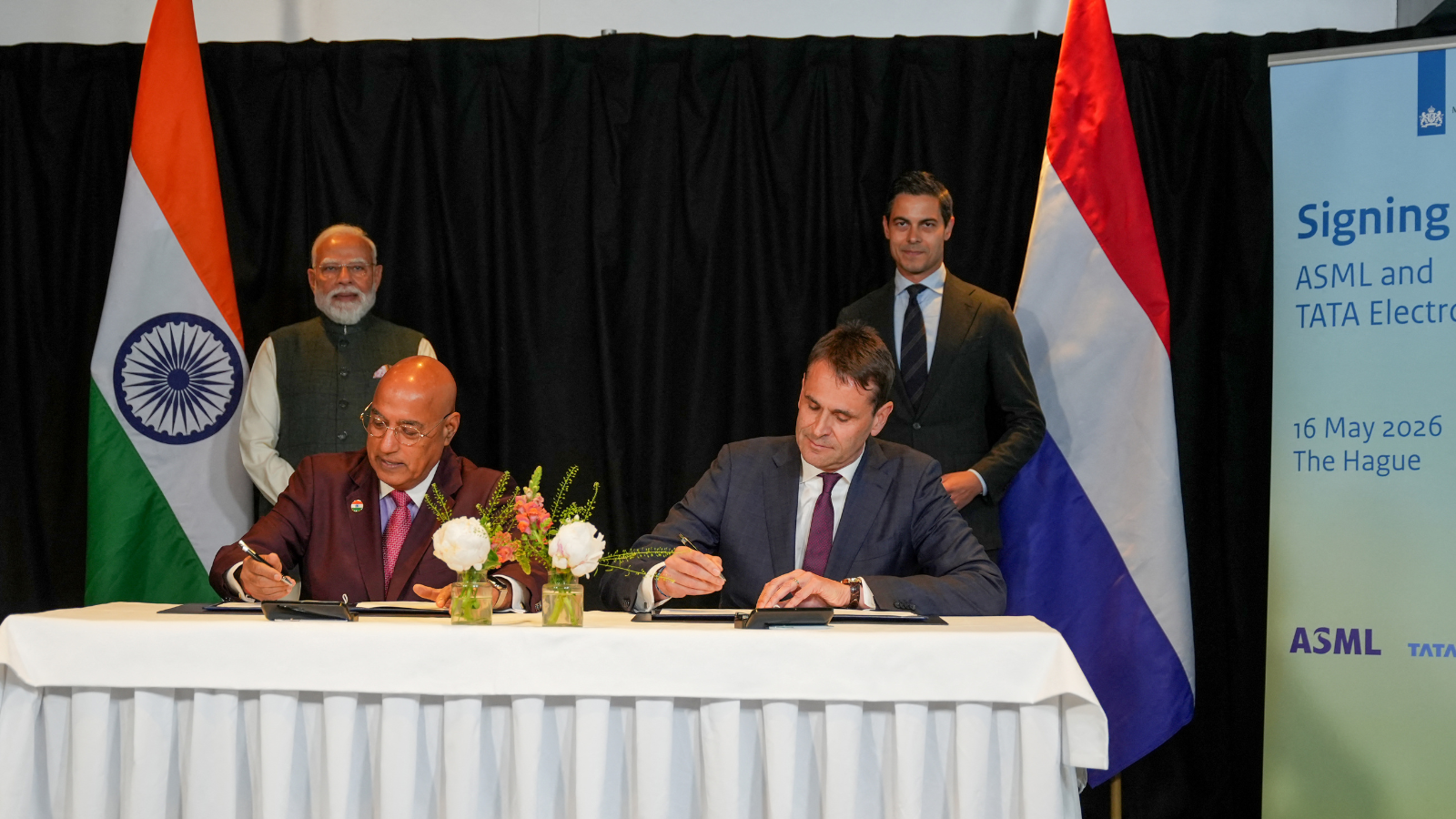
The ASML MoU with Tata Electronics is an indicator of how far the Indian semiconductor ecosystem has come. This ecosystem has been years in the making and represents real commercial logic.

Konark Bhandari
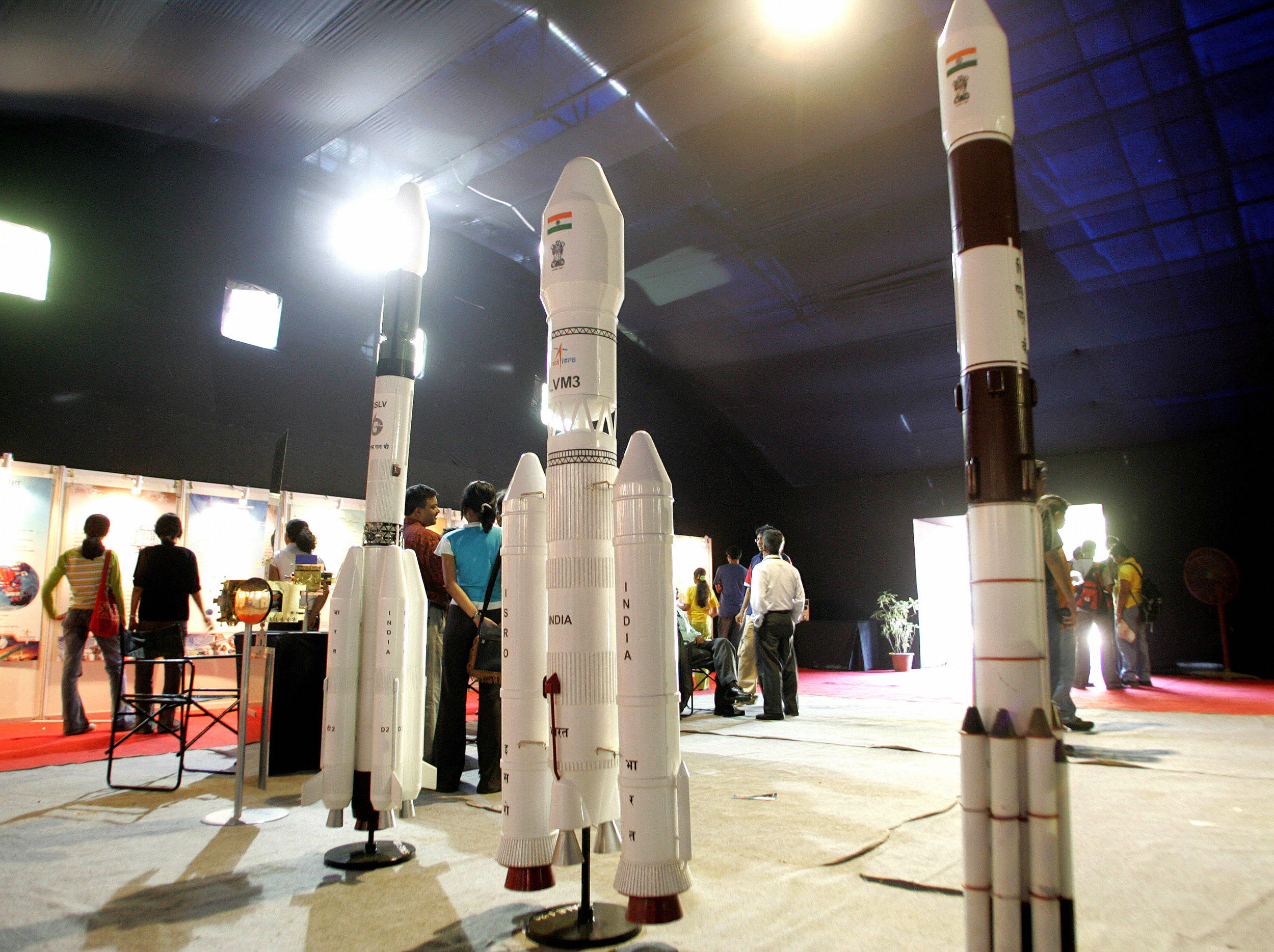
This paper examines the relationship between India’s evolving space policy and the corresponding growth in private space ventures. It analyzes both the enabling factors created by recent regulatory changes and the persistent challenges facing entrepreneurs in this capital-intensive, highly regulated industry.

Harshan Vazhakunnam

A partnership between India, a country of subcontinental size, and Africa, a continent of fifty-four countries, may seem asymmetric until one notes that both are home to nearly the same number of people—1.4 billion. This essay spells out the existing challenges to the partnership, its optimal potential, and the possible pathways to realize it over the next quarter-century.

Rajiv Bhatia

The U.S.–India semiconductor cooperation story is well-stocked with top-level strategic intent. What remains unresolved, however, are some underlying challenges that will determine whether the cooperation actually functions. Three such friction points stand out.

Shruti Mittal