

Paper
Richard Youngs, Thomas Carothers
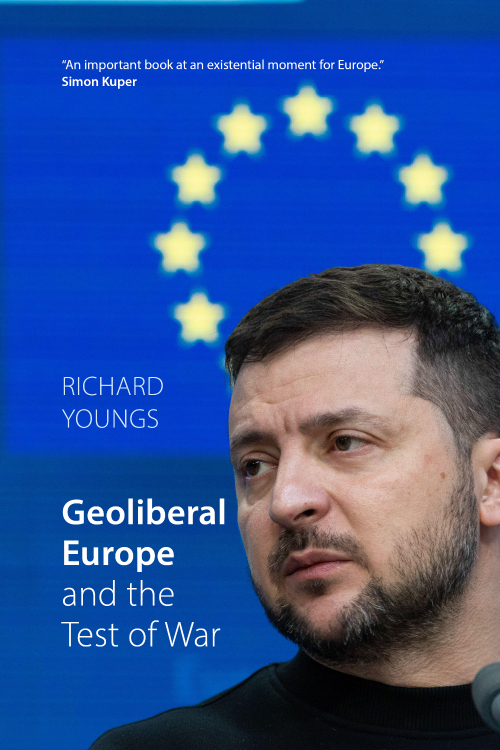
Russia’s invasion of Ukraine has pushed Europe into a new strategic era. But as the conflict persists, European governments and institutions are struggling to move past crisis-driven, short-term policies and design a new European order.
Source: Agenda Publishing
Russia’s invasion of Ukraine has pushed Europe into a new strategic era. The knock-on effects of the war have combined to open a period of reordering across the European continent. European governments and the European Union collectively have begun to fashion policies for this shift, recognizing this to be a pivotal historical moment. Richard Youngs unpacks the different dynamics that have come to characterize European policies in the wake of the war: the nature of EU integration, geopolitical power, defense priorities, European borders, liberal values, the green transition, and economic sovereignty.
The book looks to the future and outlines the issues and choices with which European governments still need to grapple. Youngs develops the notion of geoliberalism as a way of addressing these challenges and guiding European governments and the EU into the fragile order taking shape in the shadow of Ukraine’s war.
“A must-read for everyone thinking about how Europe can live up to today’s geopolitical challenges while remaining true to its liberal foundations.”
—Anna Lührmann, Minister of State for Europe and Climate, Germany.
“Russia’s unprovoked full-scale invasion of Ukraine required the European Union to rise to the urgency of the moment. Now, the task is to build a new European and global order. Youngs’ book is essential reading for anyone wanting to understand how and why that can be accomplished.”
—Erik Jones, Director, Robert Schuman Centre, European University Institute.
“Youngs poses a very big question, in clear prose: how will Russia’s invasion of Ukraine change Europe? His notion of ‘geoliberalism’ could become crucial in understanding our new era. This is an important book at an existential moment for Europe.”
—Simon Kuper, columnist, Financial Times.
“A major exploration of Europe’s shifting geopolitical landscape, a must-read for anyone hoping to understand the consequences of Putin’s war on Ukraine.”
—Norma Percy and Lotte Murphy-Johnson, producers of Putin vs the West.

Senior Fellow, Democracy, Conflict, and Governance Program
Richard Youngs is a senior fellow in the Democracy, Conflict, and Governance Program, based at Carnegie Europe. He works on EU foreign policy and on issues of international democracy.
Recent Work

Richard Youngs, Thomas Carothers
Richard Youngs
Carnegie India does not take institutional positions on public policy issues; the views represented herein are those of the author(s) and do not necessarily reflect the views of Carnegie, its staff, or its trustees.

This piece argues that India’s central challenge is not managing a single flashpoint but resolving the underlying tension between expansion and institutional coherency of the BRICS grouping.

Vrinda Sahai
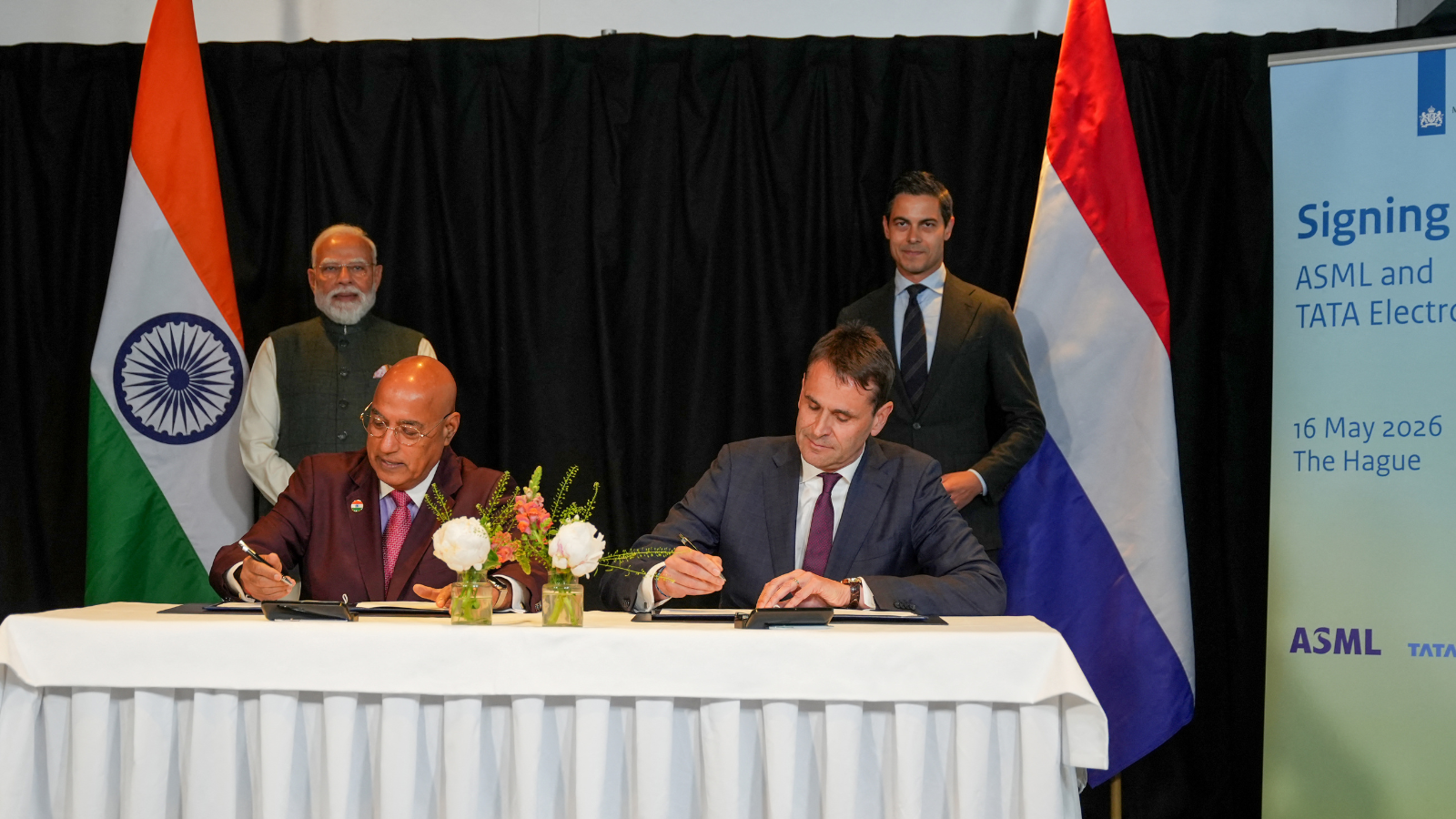
The ASML MoU with Tata Electronics is an indicator of how far the Indian semiconductor ecosystem has come. This ecosystem has been years in the making and represents real commercial logic.

Konark Bhandari

A partnership between India, a country of subcontinental size, and Africa, a continent of fifty-four countries, may seem asymmetric until one notes that both are home to nearly the same number of people—1.4 billion. This essay spells out the existing challenges to the partnership, its optimal potential, and the possible pathways to realize it over the next quarter-century.

Rajiv Bhatia

The India–EU Free Trade Agreement (FTA) is shaping up to be one of the most consequential trade negotiations, both economically and strategically. But, what’s in the agreement, what’s missing, and what will determine its success in the years ahead
Vrinda Sahai, Nicolas Köhler-Suzuki
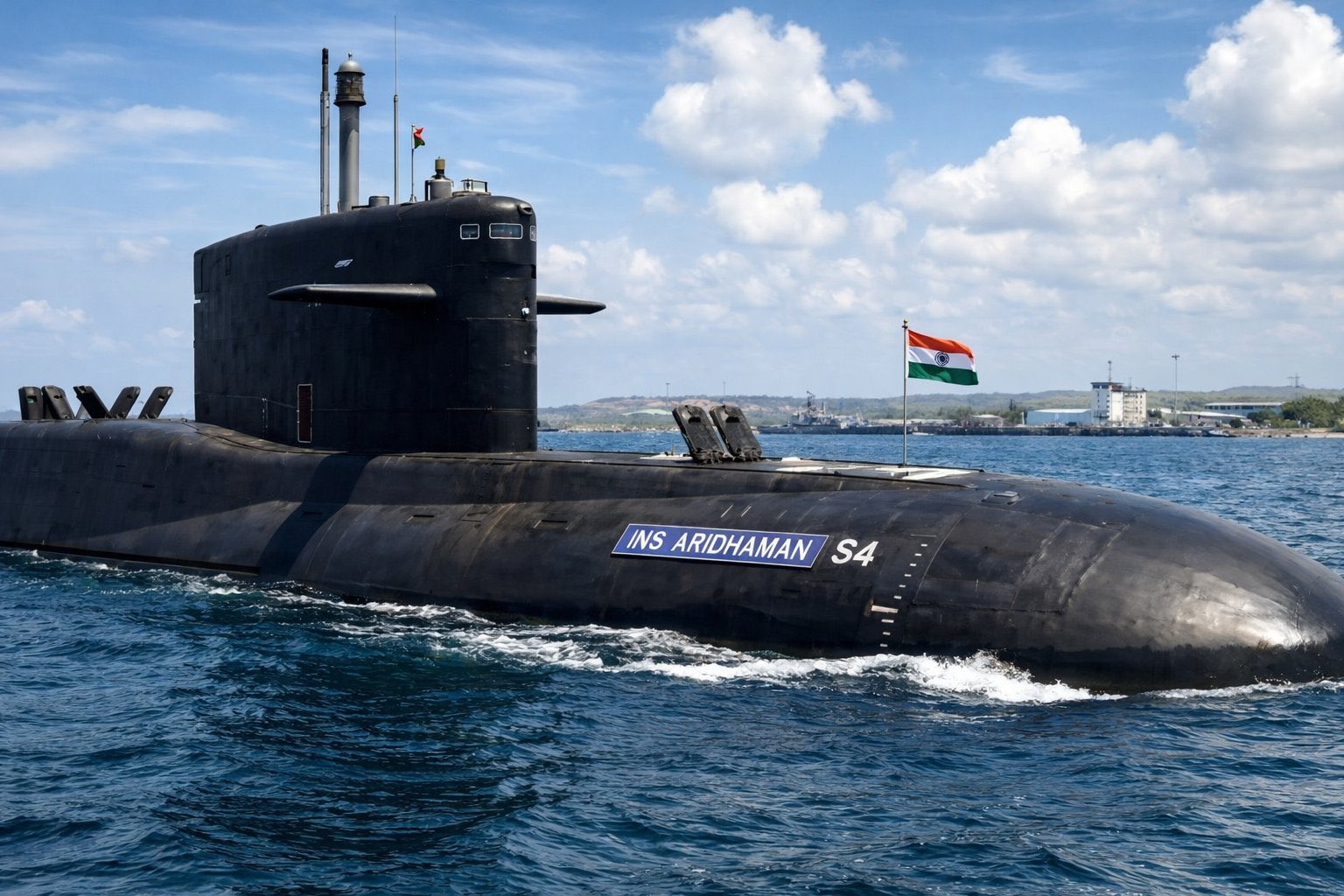
The induction of INS Aridhaman, which features several technological enhancements, now gives India the third nuclear ballistic missile submarine to ensure continuous at-sea deterrent.

Dinakar Peri