

Commentary
Adversaries are to be degraded so deeply, that reconstitution becomes difficult or impossible.
Nathan J. Brown
{
  "authors": [
    "Ghida Tayara"
  ],
  "type": "commentary",
  "blog": "Diwan",
  "centerAffiliationAll": "dc",
  "centers": [
    "Carnegie Endowment for International Peace",
    "Malcolm H. Kerr Carnegie Middle East Center"
  ],
  "collections": [
    "Three Question Time",
    "Conflict and Refugees"
  ],
  "englishNewsletterAll": "menaTransitions",
  "nonEnglishNewsletterAll": "",
  "primaryCenter": "Malcolm H. Kerr Carnegie Middle East Center",
  "programAffiliation": "MEP",
  "programs": [
    "Middle East"
  ],
  "projects": [],
  "regions": [
    "Levant",
    "Lebanon",
    "Syria",
    "Jordan",
    "Middle East"
  ],
  "topics": [
    "Political Reform",
    "Economy"
  ]
}
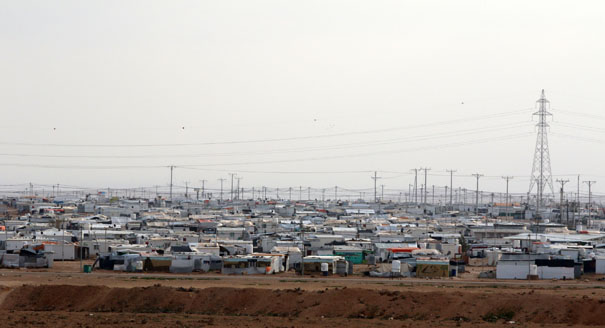
Source: Getty
Bassem Nemeh discusses the economic burden of the Syrian refugees for Lebanon and Jordan.
Until early September, Bassem Nemeh was a research assistant at the Carnegie Middle East Center in Beirut, where he focused mainly on economic issues, particularly those relating to the Syrian refugee crisis. Most recently, Nemeh wrote a Diwan article on the economic repercussions for Lebanon of the ongoing war in Syria, titled “Precarious Republic.” This followed from an article he had written last March on the economic impact of the refugees for Jordan, titled “Jordan’s Burden.” Nemeh, himself a Jordanian national, will soon be leaving Carnegie for London. He sat down with Diwan in late August to examine more closely what he had discussed in his articles on Lebanon and Jordan.
Ghida Tayara
Senior Digital and Web Coordinator
Carnegie does not take institutional positions on public policy issues; the views represented herein are those of the author(s) and do not necessarily reflect the views of Carnegie, its staff, or its trustees.
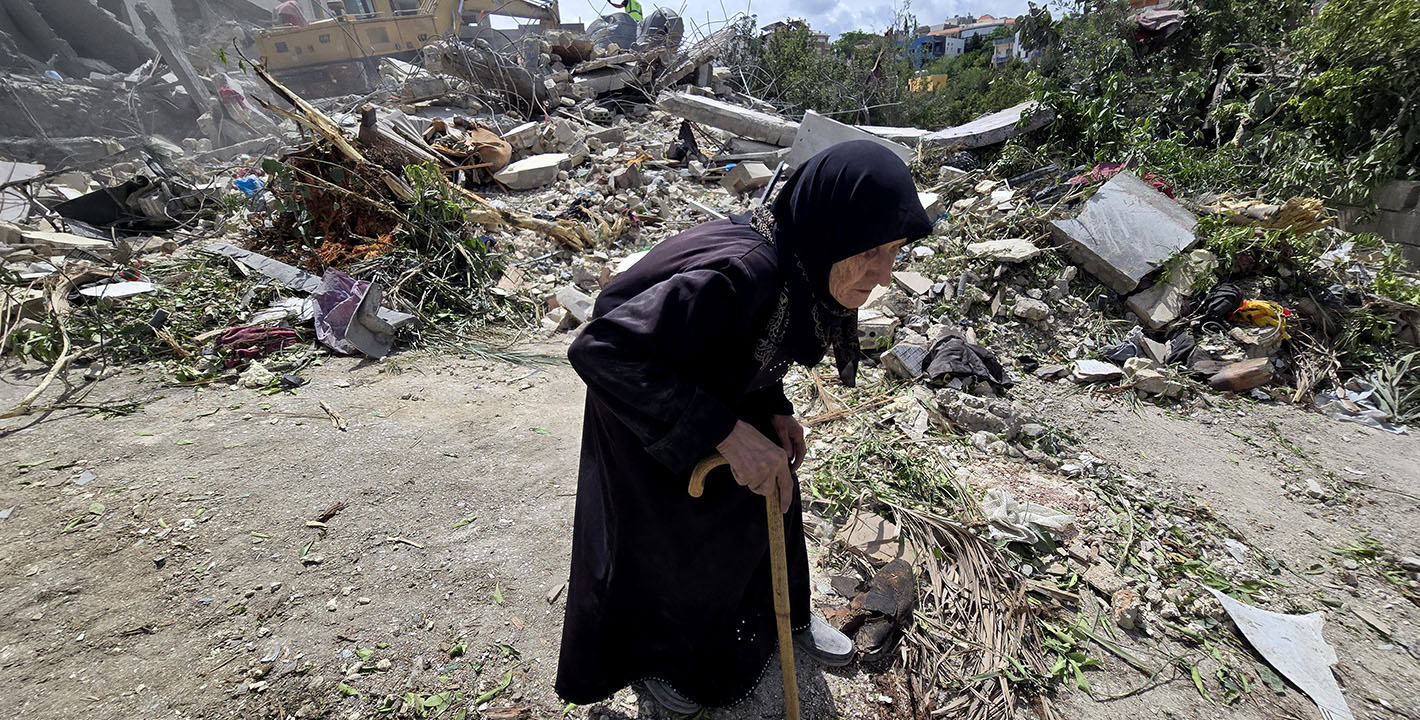
Adversaries are to be degraded so deeply, that reconstitution becomes difficult or impossible.

Nathan J. Brown

Israel is encroaching on the country’s territory, while the Lebanese look askance at one another.

Issam Kayssi
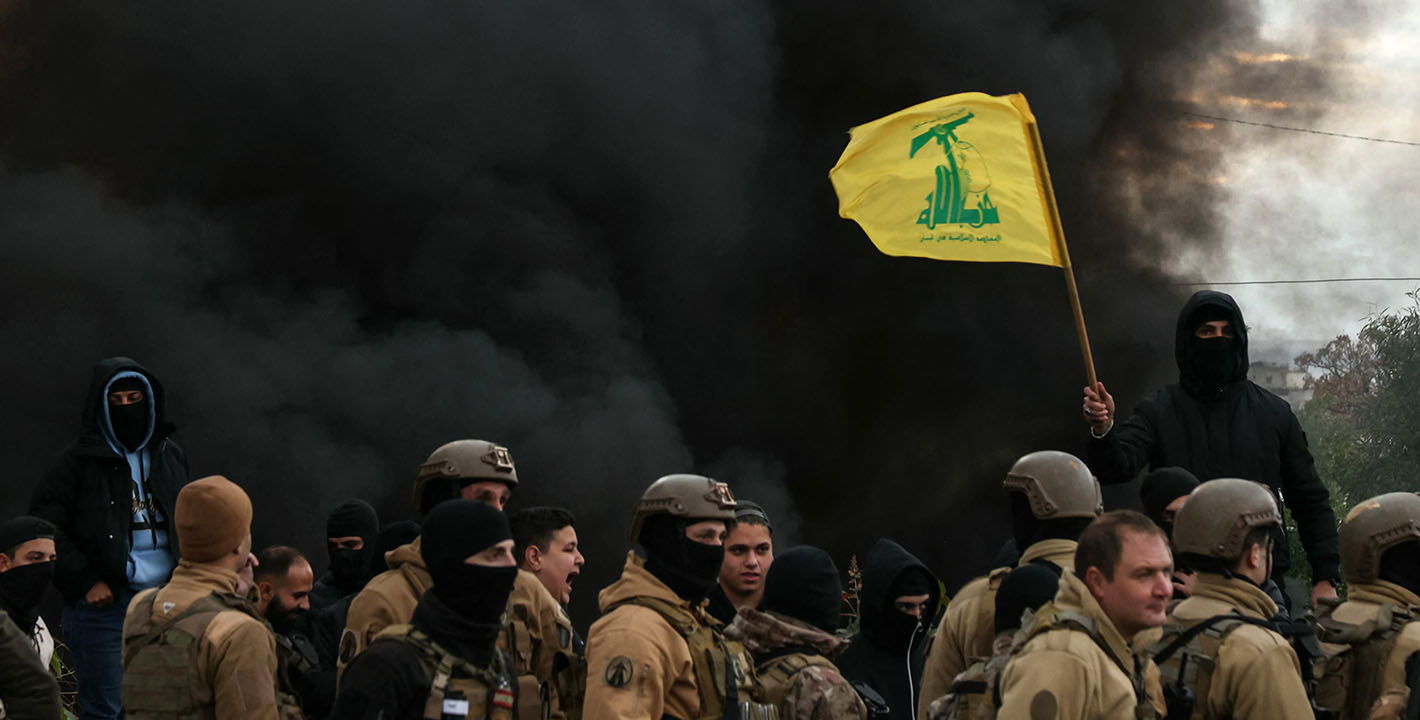
The party’s domestic and regional roles have changed, so Lebanon should devise a disarmament strategy that encompasses this.

Michael Young

Because perpetual conflict enhances control, offers economic benefits, and allows leaders to ignore popular preferences.

Angie Omar
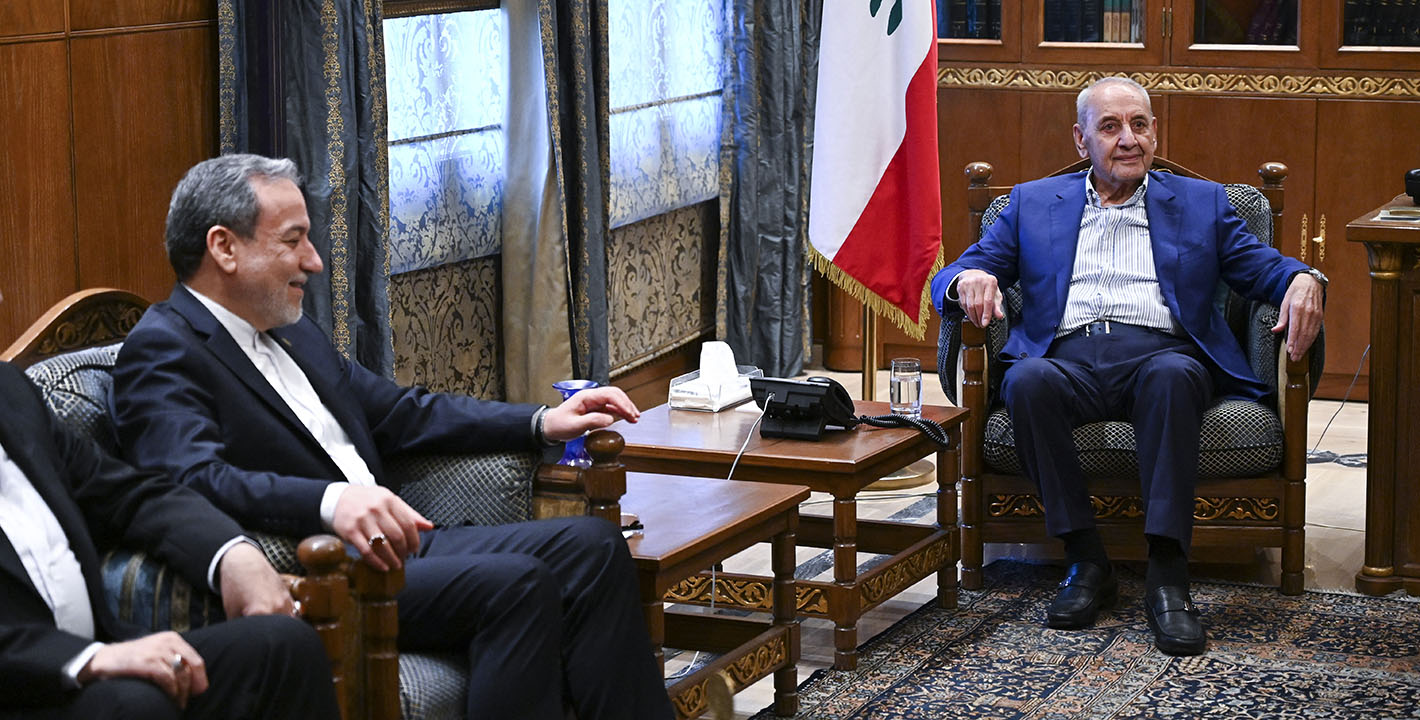
A prerequisite of serious talks is that the country’s leadership consolidates majority national support for such a process.
Michael Young