

Commentary
As the U.S.-led Coalition withdraws, the Kurds’ reliance on Baghdad, and on themselves, will only increase.
Wladimir van Wilgenburg
{
  "authors": [
    "Ghida Tayara"
  ],
  "type": "commentary",
  "blog": "Diwan",
  "centerAffiliationAll": "dc",
  "centers": [
    "Carnegie Endowment for International Peace",
    "Malcolm H. Kerr Carnegie Middle East Center"
  ],
  "collections": [
    "Three Question Time"
  ],
  "englishNewsletterAll": "menaTransitions",
  "nonEnglishNewsletterAll": "",
  "primaryCenter": "Malcolm H. Kerr Carnegie Middle East Center",
  "programAffiliation": "MEP",
  "programs": [
    "Middle East"
  ],
  "projects": [],
  "regions": [
    "Levant",
    "Israel",
    "Palestine",
    "Middle East"
  ],
  "topics": [
    "Political Reform",
    "Civil Society"
  ]
}
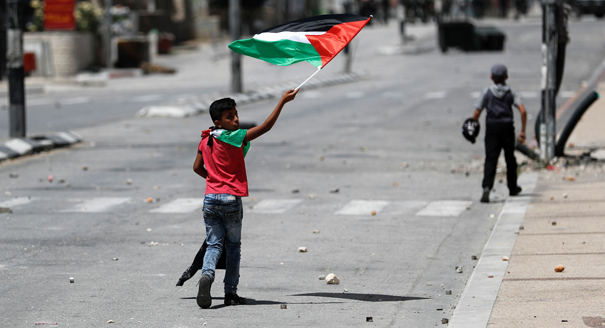
Source: Getty
Marwan Muasher talks about a new Carnegie report describing shifting Palestinian attitudes towards peace talks.
Marwan Muasher is vice president for studies at the Carnegie Endowment for International Peace, where he oversees research on the Middle East. He is a former Jordanian foreign minister and deputy prime minister. Muasher was in Beirut last week to participate in the launch of the Arabic version of a report on Palestine, titled “Revitalizing Palestinian Nationalism: Options Versus Realities,” which he co-authored with Perry Cammack and Nathan Brown.
Muasher spoke with Diwan about the report—an English version of which can be read here, and an Arabic version here—in particular about the surprising conclusions that it reaches. Recently, he also wrote an article for Diwan on the same topic, titled “The Kids Aren’t All Right.”
Ghida Tayara
Senior Digital and Web Coordinator
Carnegie does not take institutional positions on public policy issues; the views represented herein are those of the author(s) and do not necessarily reflect the views of Carnegie, its staff, or its trustees.
As the U.S.-led Coalition withdraws, the Kurds’ reliance on Baghdad, and on themselves, will only increase.
Wladimir van Wilgenburg
In an interview, Ian Lustick and Eli Clifton discuss their new book on why a prominent ally has so much influence in America.
Michael Young
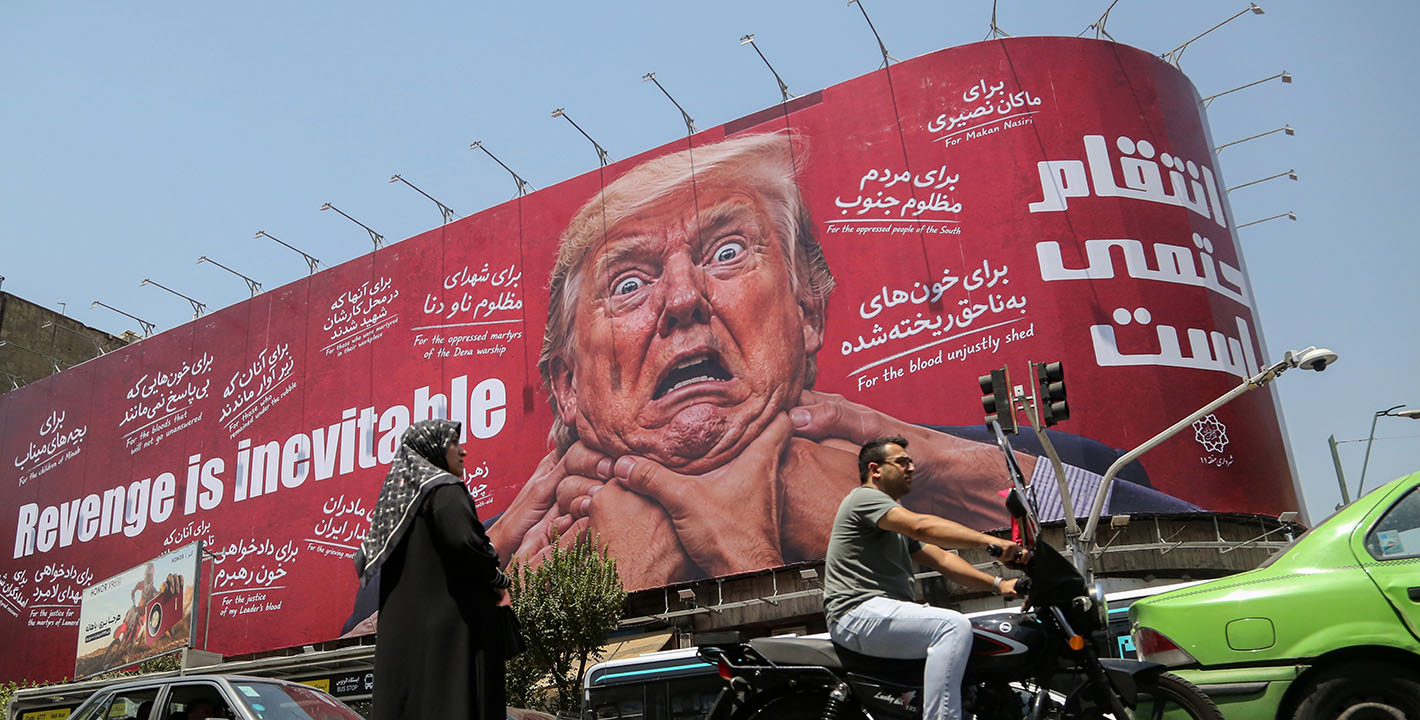
As the U.S. stumbles in its war with Iran, we are likely to see an acceleration of its disengagement from the region.
Michael Young
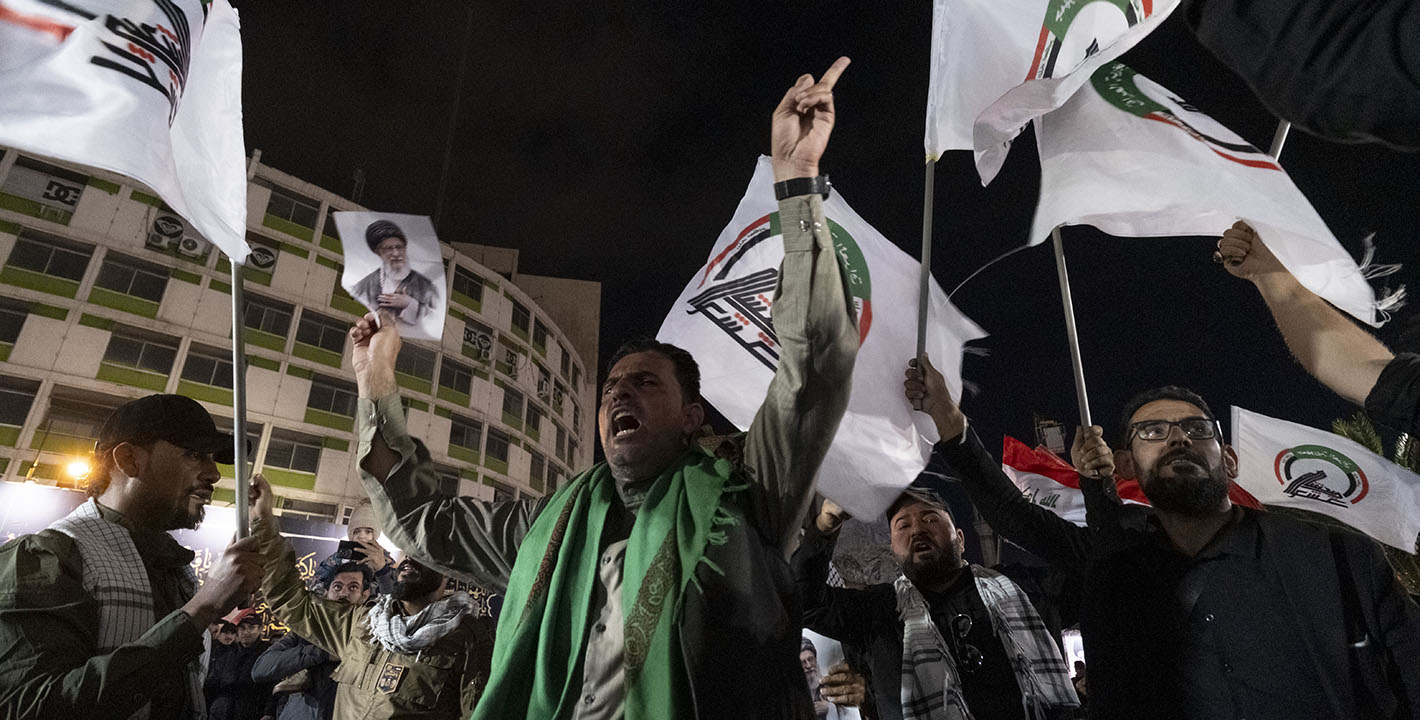
The Zaidi government’s objective to collect weapons is constrained by regional conflict, but it can take certain measures at home.
Ali Al-Mawlawi

It is improbable that Israel’s forthcoming elections will alter much in terms of how the country thinks about security.

Nathan J. Brown