

Commentary
As the U.S. stumbles in its war with Iran, we are likely to see an acceleration of its disengagement from the region.
Michael Young
{
  "authors": [
    "Ghida Tayara"
  ],
  "type": "commentary",
  "blog": "Diwan",
  "centerAffiliationAll": "dc",
  "centers": [
    "Carnegie Endowment for International Peace",
    "Malcolm H. Kerr Carnegie Middle East Center"
  ],
  "collections": [
    "Three Question Time"
  ],
  "englishNewsletterAll": "menaTransitions",
  "nonEnglishNewsletterAll": "",
  "primaryCenter": "Malcolm H. Kerr Carnegie Middle East Center",
  "programAffiliation": "MEP",
  "programs": [
    "Middle East"
  ],
  "projects": [],
  "regions": [
    "Türkiye",
    "Middle East"
  ],
  "topics": [
    "Political Reform"
  ]
}
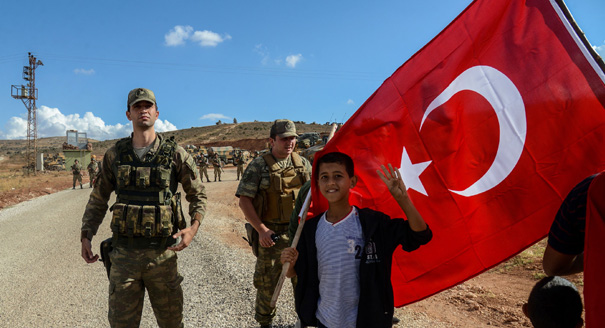
Source: Getty
Sinan Ülgen discusses Turkey’s options as it maneuvers in a complicated regional and international context.
Sinan Ülgen is a visiting scholar at Carnegie Europe in Brussels, where his research focuses on Turkish foreign policy, nuclear policy, cyberpolicy, and trans-Atlantic relations. Ülgen was in Beirut in mid-December for the annual conference organized by the Carnegie Middle East Center. Diwan caught up with him on the margins of the conference to discuss the fraught relations between the United States and Turkey, Turkey’s future in the Middle East, and what Ankara would consider an acceptable endgame in Syria.
Ghida Tayara
Senior Digital and Web Coordinator
Carnegie does not take institutional positions on public policy issues; the views represented herein are those of the author(s) and do not necessarily reflect the views of Carnegie, its staff, or its trustees.

As the U.S. stumbles in its war with Iran, we are likely to see an acceleration of its disengagement from the region.

Michael Young

The accord represents a pivotal moment in the region to avert a security vacuum in the Gulf.


Azeema Cheema, Mohanad Hage Ali
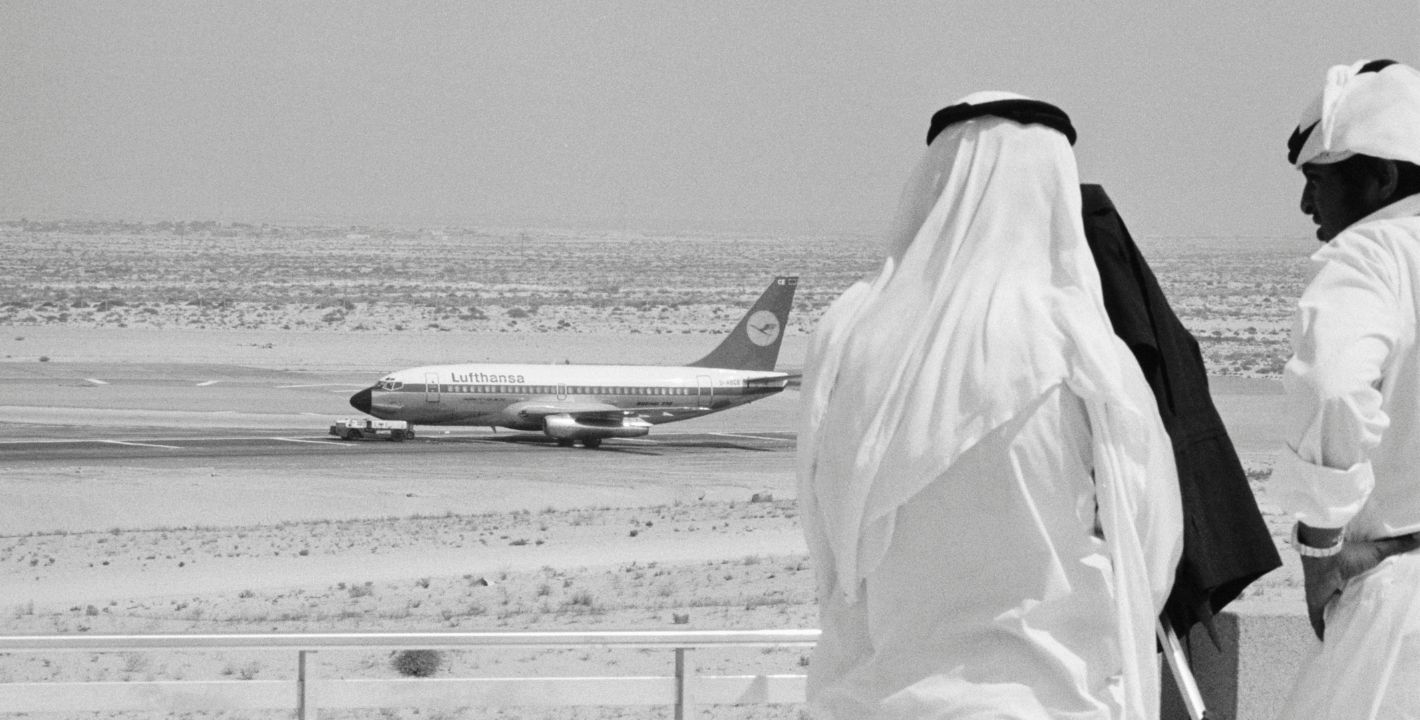
In an interview, Jason Burke discusses his sweeping account of the “revolutionists” who so shaped the 1970s and early 1980s.
Michael Young
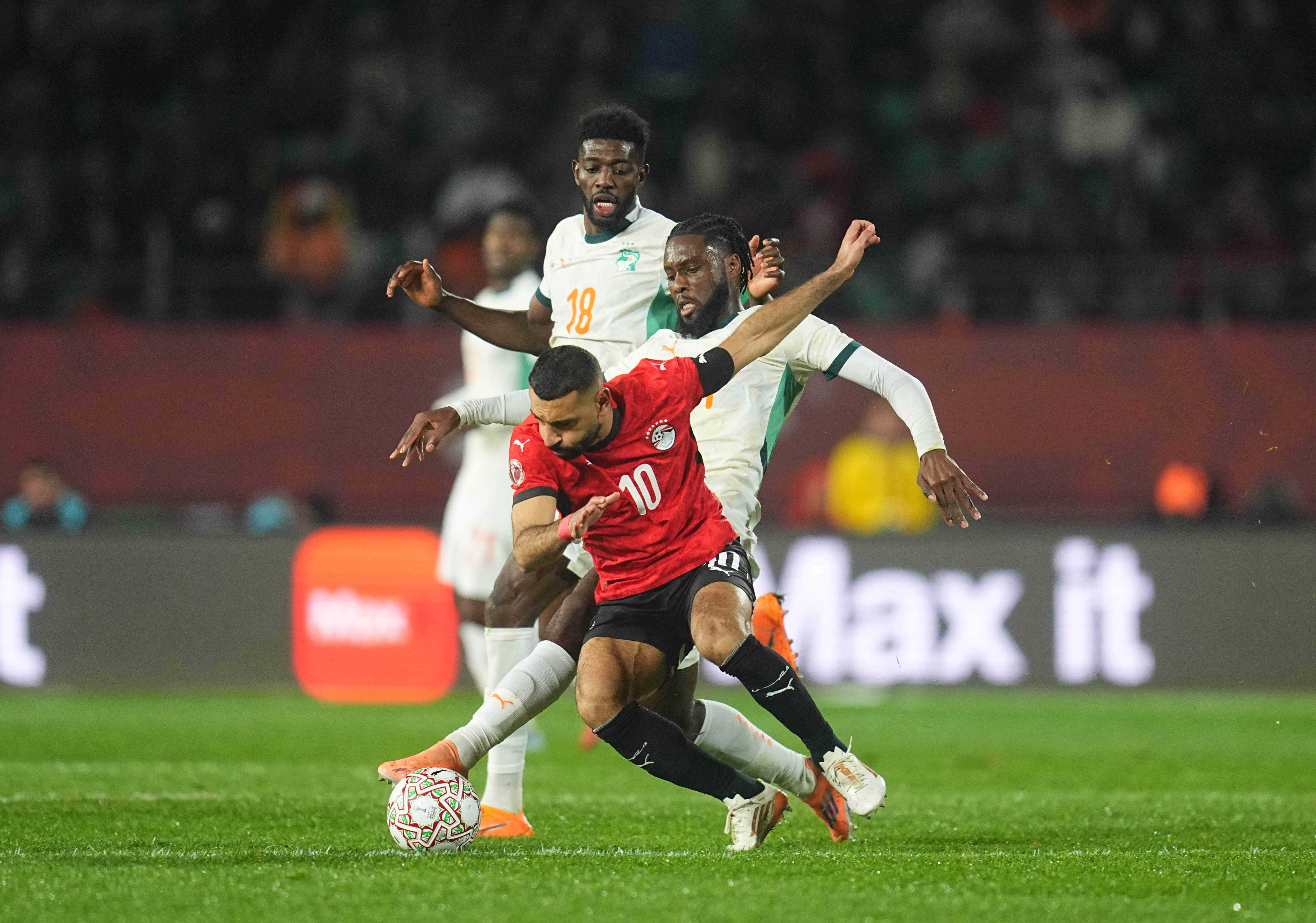
This will be the region’s most representative tournament, amid broad changes in its footballing landscape.
Issam Kayssi
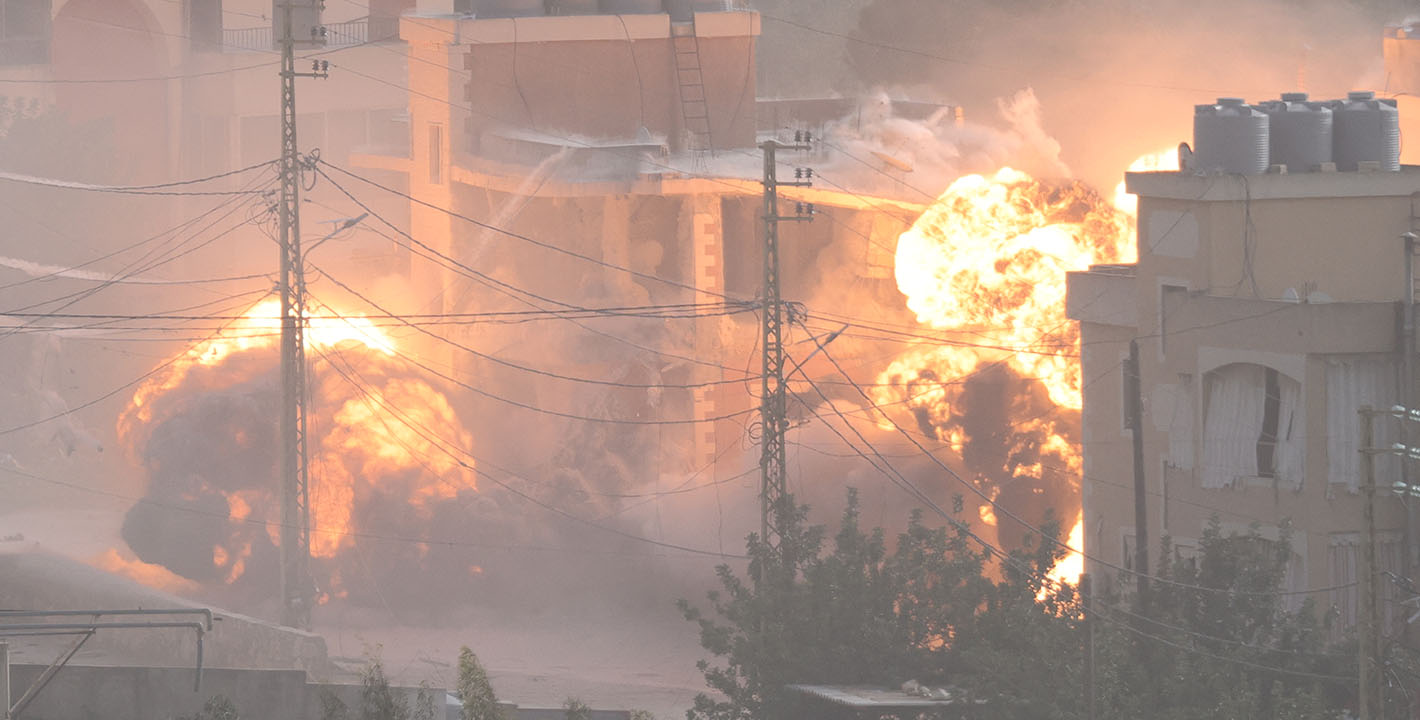
As Iran defends its interests in the region and its regime’s survival, it may push Hezbollah into the abyss.
Michael Young