

Article
Mohanad Hage Ali
{
  "authors": [
    "Mohanad Hage Ali"
  ],
  "type": "commentary",
  "blog": "Diwan",
  "centerAffiliationAll": "dc",
  "centers": [
    "Carnegie Endowment for International Peace",
    "Malcolm H. Kerr Carnegie Middle East Center"
  ],
  "collections": [
    "Three Question Time",
    "Political Islam"
  ],
  "englishNewsletterAll": "menaTransitions",
  "nonEnglishNewsletterAll": "",
  "primaryCenter": "Malcolm H. Kerr Carnegie Middle East Center",
  "programAffiliation": "MEP",
  "programs": [
    "Middle East"
  ],
  "projects": [],
  "regions": [
    "Levant",
    "Iraq",
    "Middle East"
  ],
  "topics": [
    "Political Reform"
  ]
}
Source: Getty
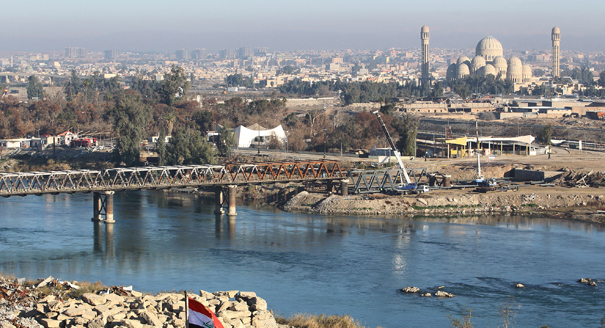
Jacqueline Parry discusses post-conflict reconciliation in Iraq, and the possible reemergence of an Iraqi nationalism.
Jacqueline Parry is research director at the Institute of Regional and International Studies at the American University of Iraq, Sulaimani. She holds a Bachelor of Laws and a Ph.D. in international law from the Australian National University, examining post-conflict justice in Liberia and Afghanistan. From 2007 until 2017 she worked in programmatic and research roles for the United Nations Refugee Agency, the International Organization for Migration, and the International Rescue Committee, in Indonesia, Iraq, Jordan, Malawi, and Afghanistan. She was recently in Beirut for a Carnegie roundtable on post-conflict reconstruction and sat with Diwan to discuss communal reconciliation and post-conflict justice processes in Iraq, particularly after the defeat of the Islamic State.

Deputy Director for Research, Malcolm H. Kerr Carnegie Middle East Center
Mohanad Hage Ali is the deputy director for research at the Malcolm H. Kerr Carnegie Middle East Center.
Recent Work
Mohanad Hage Ali
Mohanad Hage Ali
Carnegie does not take institutional positions on public policy issues; the views represented herein are those of the author(s) and do not necessarily reflect the views of Carnegie, its staff, or its trustees.
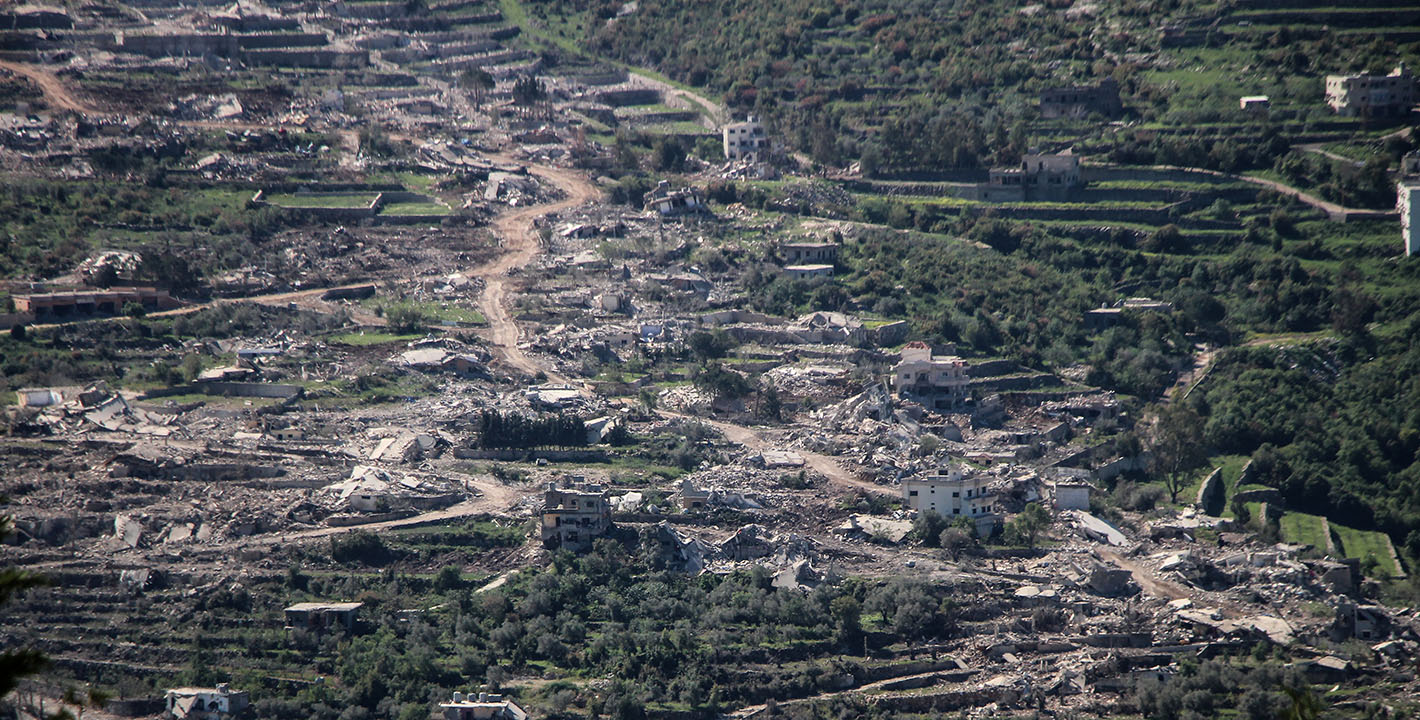
As negotiations with Iran and Lebanon continue, chaos is at the heart of the Netanyahu government’s calculations.

Michael Young
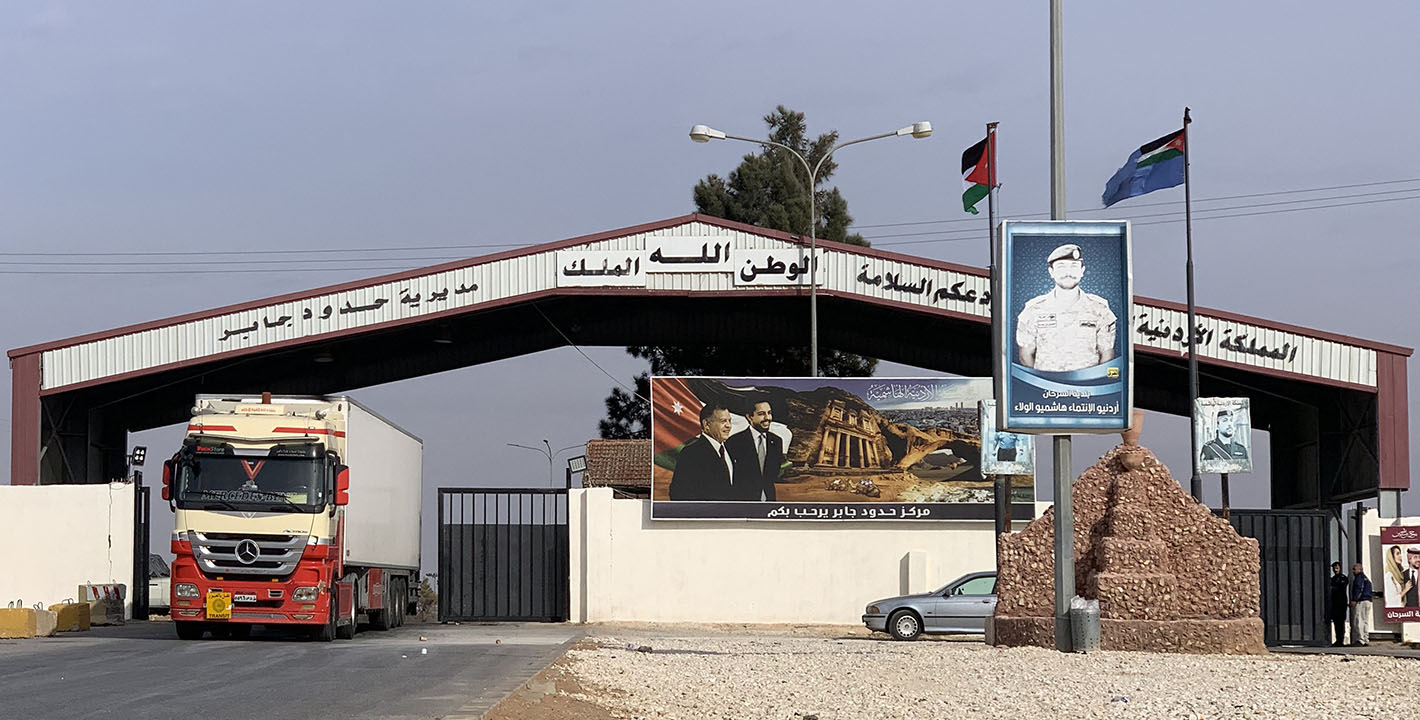
Trade statistics show why Amman has more reason than Damascus to welcome the improvement in bilateral commerce.

Armenak Tokmajyan
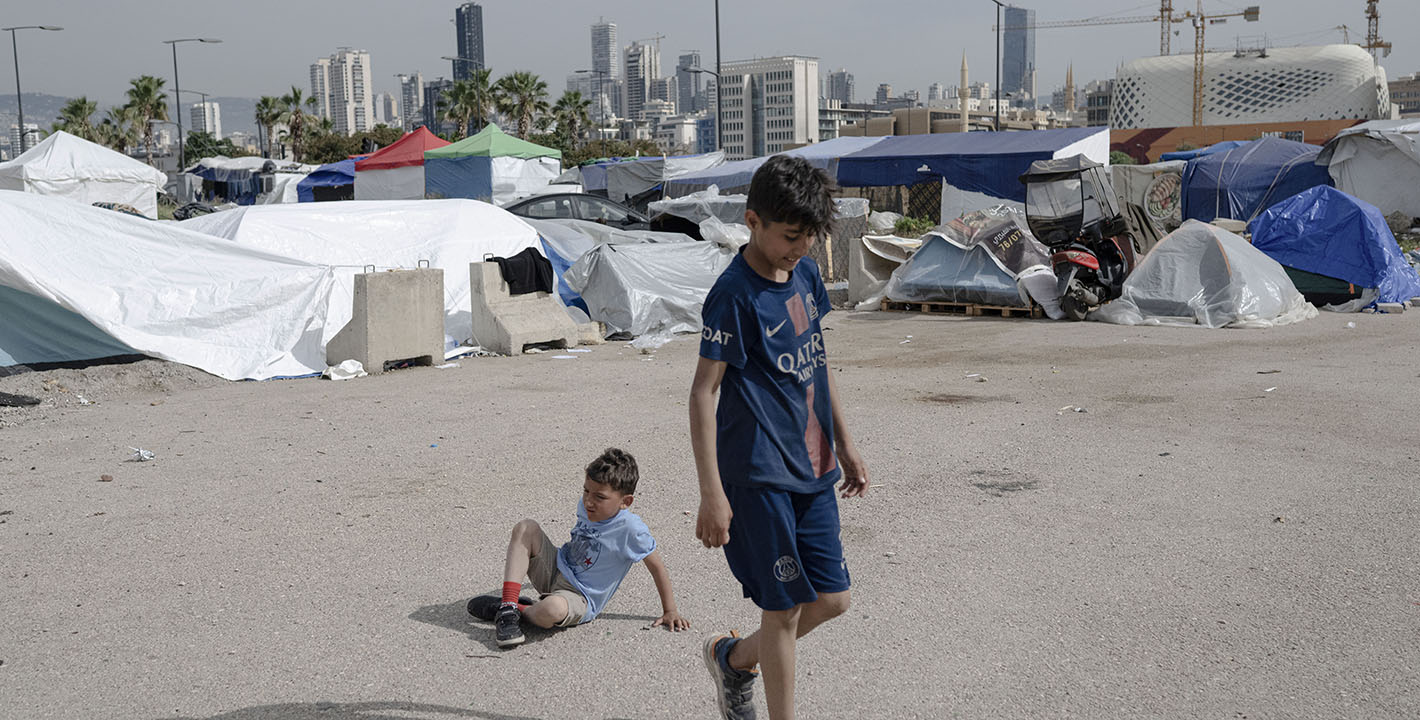
Israel is encroaching on the country’s territory, while the Lebanese look askance at one another.

Issam Kayssi
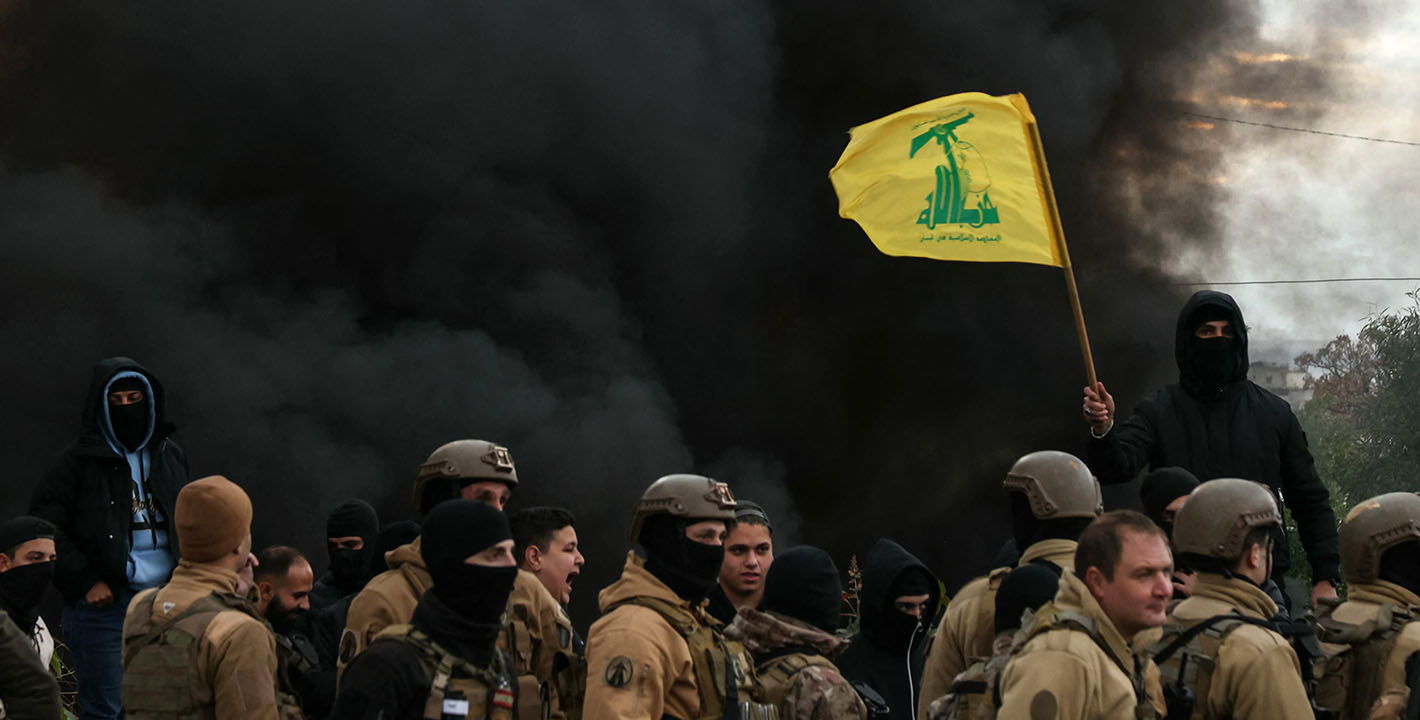
The party’s domestic and regional roles have changed, so Lebanon should devise a disarmament strategy that encompasses this.
Michael Young

Because perpetual conflict enhances control, offers economic benefits, and allows leaders to ignore popular preferences.

Angie Omar