

Commentary
Mohanad Hage Ali
{
  "authors": [
    "Mohanad Hage Ali"
  ],
  "type": "commentary",
  "blog": "Diwan",
  "centerAffiliationAll": "dc",
  "centers": [
    "Carnegie Endowment for International Peace",
    "Malcolm H. Kerr Carnegie Middle East Center"
  ],
  "collections": [
    "Three Question Time"
  ],
  "englishNewsletterAll": "menaTransitions",
  "nonEnglishNewsletterAll": "",
  "primaryCenter": "Malcolm H. Kerr Carnegie Middle East Center",
  "programAffiliation": "MEP",
  "programs": [
    "Middle East"
  ],
  "projects": [],
  "regions": [
    "Levant",
    "Syria",
    "Middle East",
    "Western Europe"
  ],
  "topics": [
    "Political Reform"
  ]
}
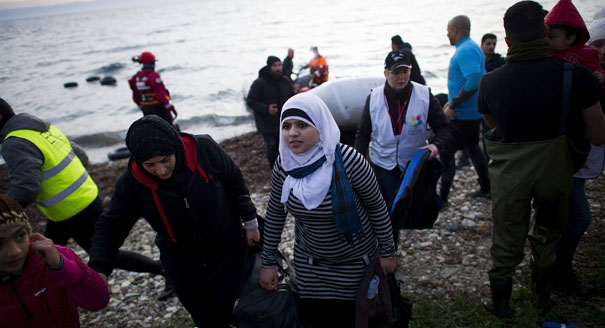
Source: Getty
Peter Seeberg discusses Europe’s migration crisis, and says that Euro-Mediterranean cooperation is still alive.
Peter Seeberg is an associate professor and director of Studies at the Center for Contemporary Middle East Studies, University of Southern Denmark. Since 2009, he has also been director of the DJUCO-project, an academic cooperation project in Amman, Jordan, funded by the Danish Ministry of Foreign Affairs. Seeberg teaches Middle East studies at the University of Southern Denmark and has published widely on the European Union and the Middle East, migration and security, Arab nationalism, political conflicts related to the Mediterranean region, and more. Diwan met with Seeberg in mid-April to discuss the continuing impact of the migration crisis on Europe, and to examine where Euro-Mediterranean cooperation is today, years after the Barcelona process.

Deputy Director for Research, Malcolm H. Kerr Carnegie Middle East Center
Mohanad Hage Ali is the deputy director for research at the Malcolm H. Kerr Carnegie Middle East Center.
Recent Work
Mohanad Hage Ali
Mohanad Hage Ali, Mohamad Najem
Carnegie does not take institutional positions on public policy issues; the views represented herein are those of the author(s) and do not necessarily reflect the views of Carnegie, its staff, or its trustees.
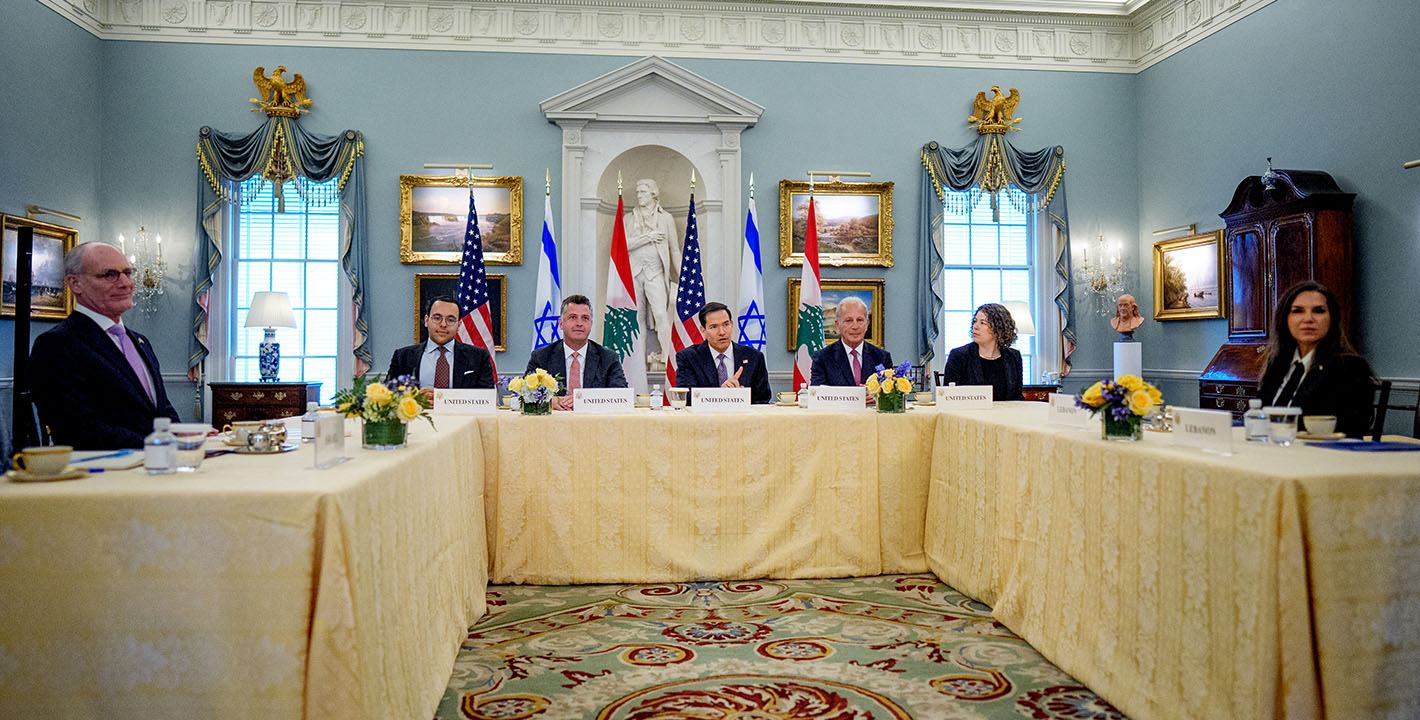
Beirut’s desire to break free from Iranian hegemony may push it into a situation where it has to accept Israel’s hegemony.

Michael Young
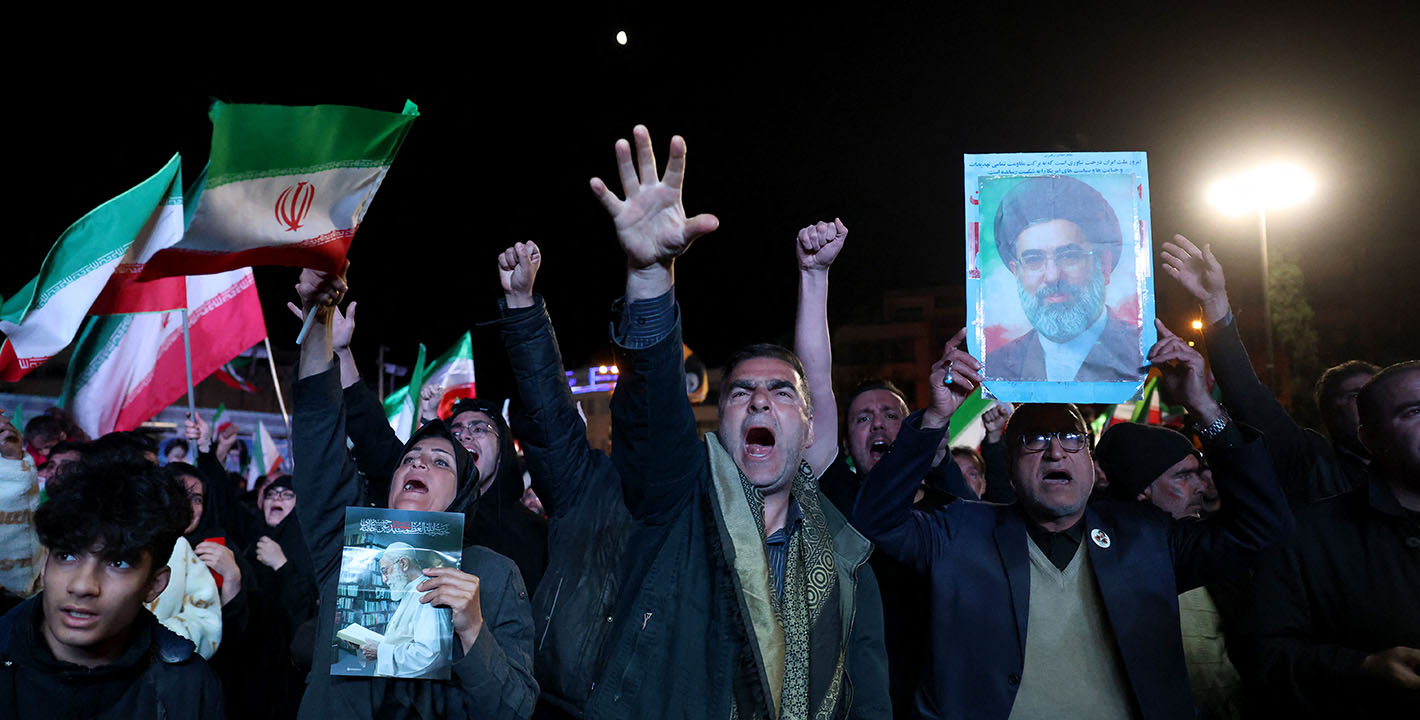
Spot analysis from Carnegie scholars on events relating to the Middle East and North Africa.
Michael Young
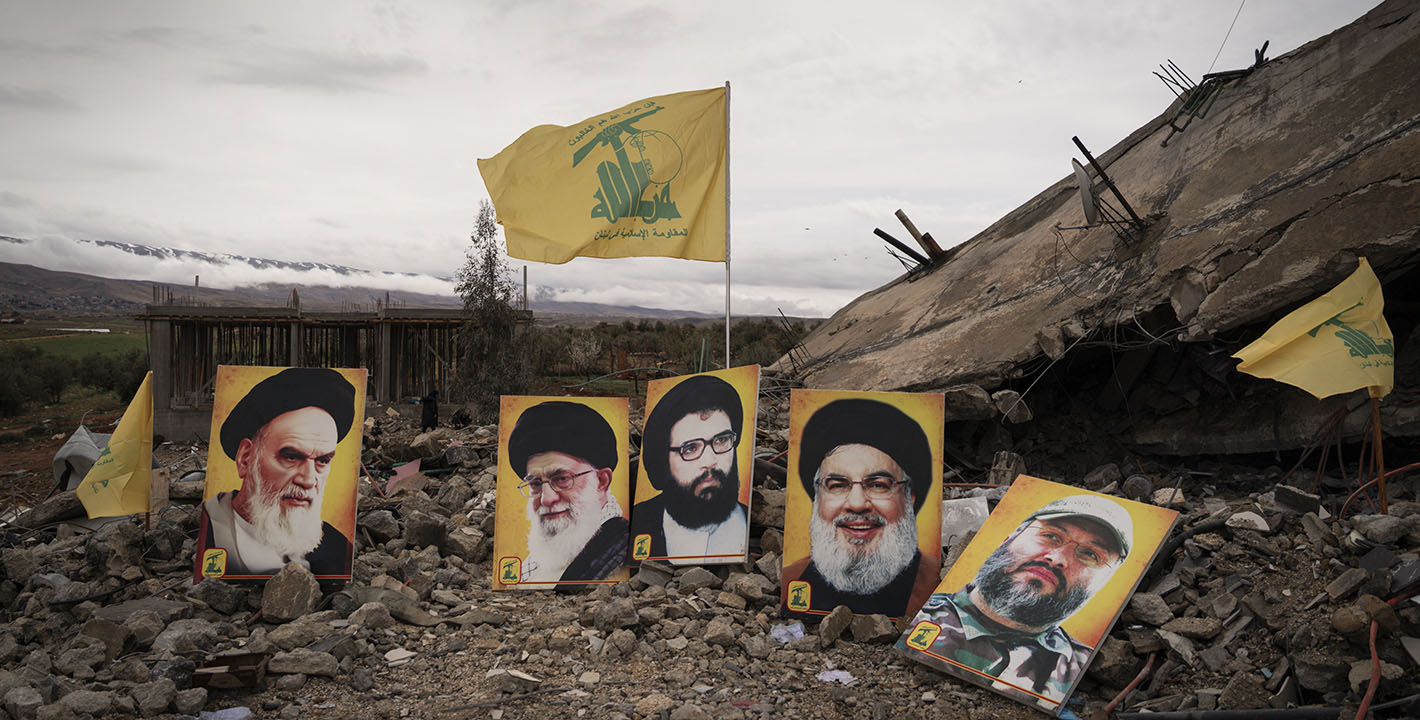
The party’s objectives involve tying together the Lebanese and Iranian fronts, while surviving militarily and politically at home.
Mohamad Fawaz
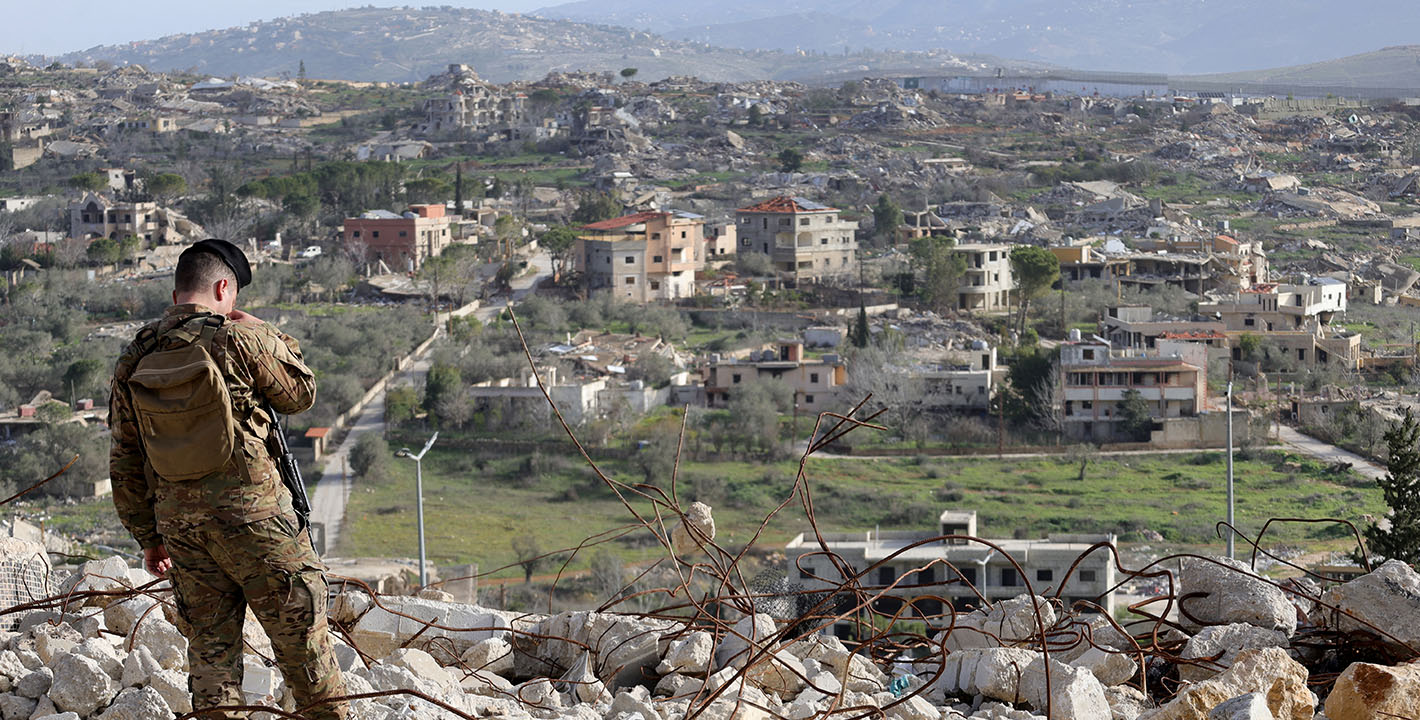
While armed forces commander Rudolph Haykal’s caution is understandable, he is in a position to act, and must.
Michael Young
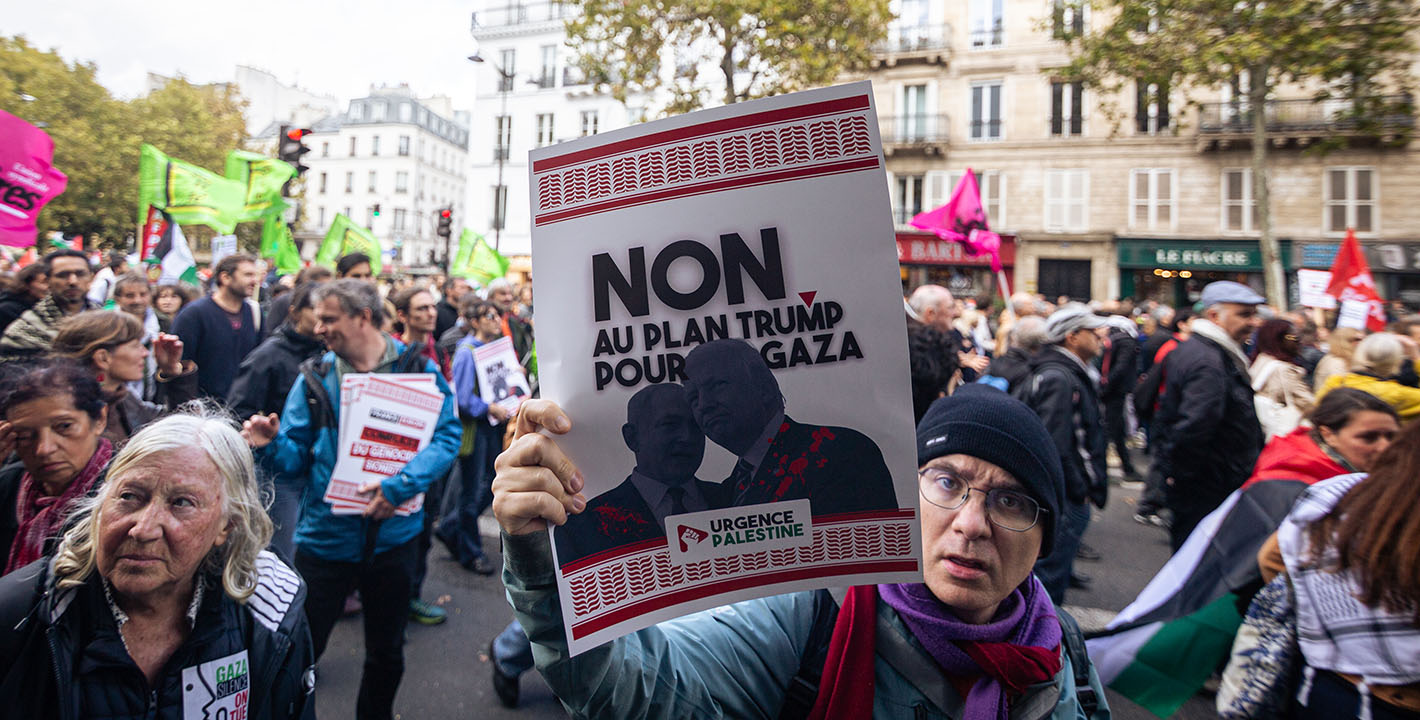
The simple conclusion is that the scheme will bring neither peace nor prosperity, but will institutionalize devastation.

Nathan J. Brown