

Commentary
The recent African Cup of Nations tournament in Morocco touched on issues that largely transcended the sport.
Issam Kayssi, Yasmine Zarhloule
{
  "authors": [
    "Ghida Tayara"
  ],
  "type": "commentary",
  "blog": "Diwan",
  "centerAffiliationAll": "dc",
  "centers": [
    "Carnegie Endowment for International Peace",
    "Malcolm H. Kerr Carnegie Middle East Center"
  ],
  "collections": [
    "Three Question Time"
  ],
  "englishNewsletterAll": "menaTransitions",
  "nonEnglishNewsletterAll": "",
  "primaryCenter": "Malcolm H. Kerr Carnegie Middle East Center",
  "programAffiliation": "MEP",
  "programs": [
    "Middle East"
  ],
  "projects": [],
  "regions": [
    "North Africa",
    "Sudan"
  ],
  "topics": []
}
Source: Getty
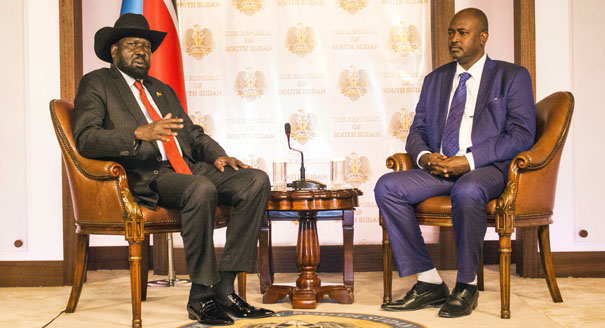
Edward Thomas discusses the ties between Sudan and South Sudan in the midst of the South Sudanese civil war.
Edward Thomas has worked in Sudan and South Sudan as a teacher, human rights worker, and researcher. A specialist on Sudan, he is the author of South Sudan: A Slow Liberation (Zed Books, 2015) as well as Islam’s Perfect Stranger: The Life of Mahmud Muhammad Taha, Muslim Reformer of Sudan (I.B. Tauris, 2010) and The Kafia Kingi Enclave: People, Politics and History in the North-South Boundary Zone of Western Sudan (Rift Valley Institute, 2013). He is currently working on a social history of Islamism in Sudan. Diwan met with Thomas in early August, at a conference in Beirut organized by Carnegie, to get his perspective on ties between Sudan and South Sudan.
Ghida Tayara
Senior Digital and Web Coordinator
Carnegie does not take institutional positions on public policy issues; the views represented herein are those of the author(s) and do not necessarily reflect the views of Carnegie, its staff, or its trustees.
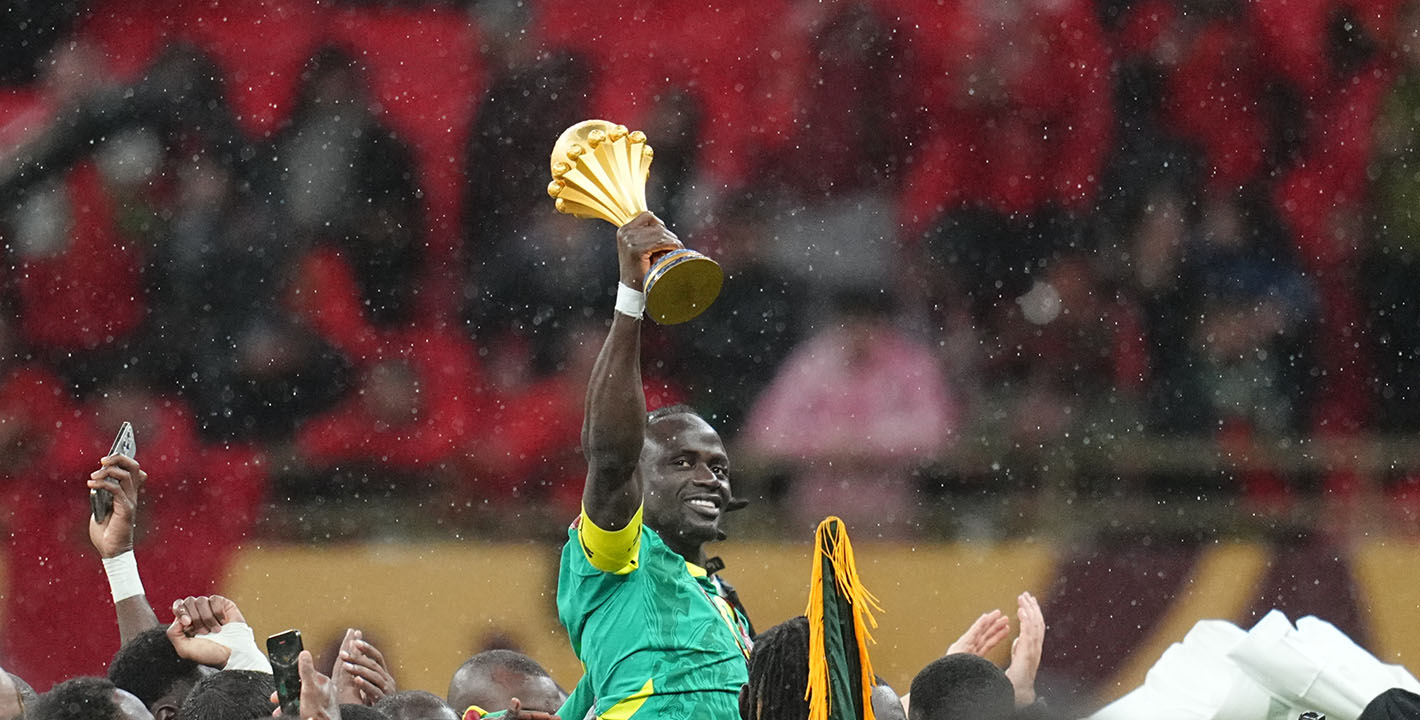
The recent African Cup of Nations tournament in Morocco touched on issues that largely transcended the sport.


Issam Kayssi, Yasmine Zarhloule
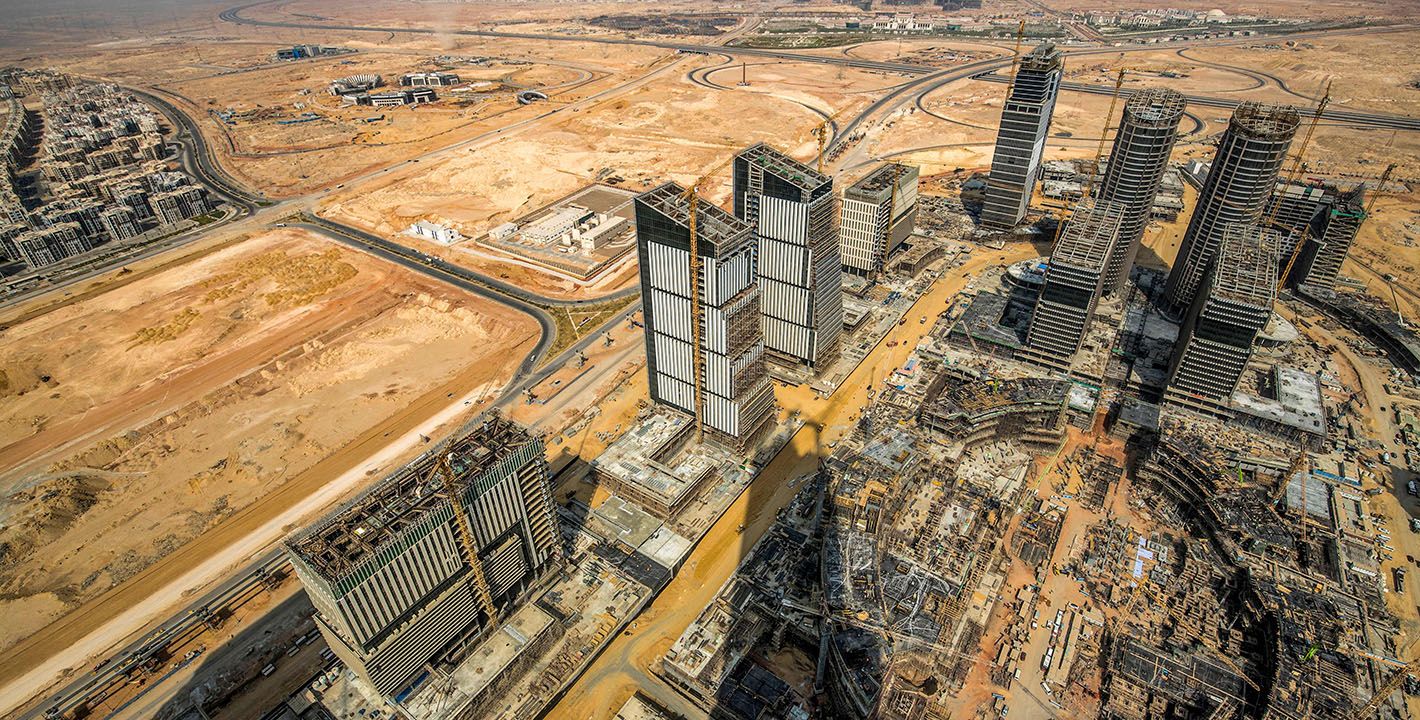
Mustaqbal Misr has expanded its portfolio with remarkable speed, but a lack of transparency remains.

Yezid Sayigh
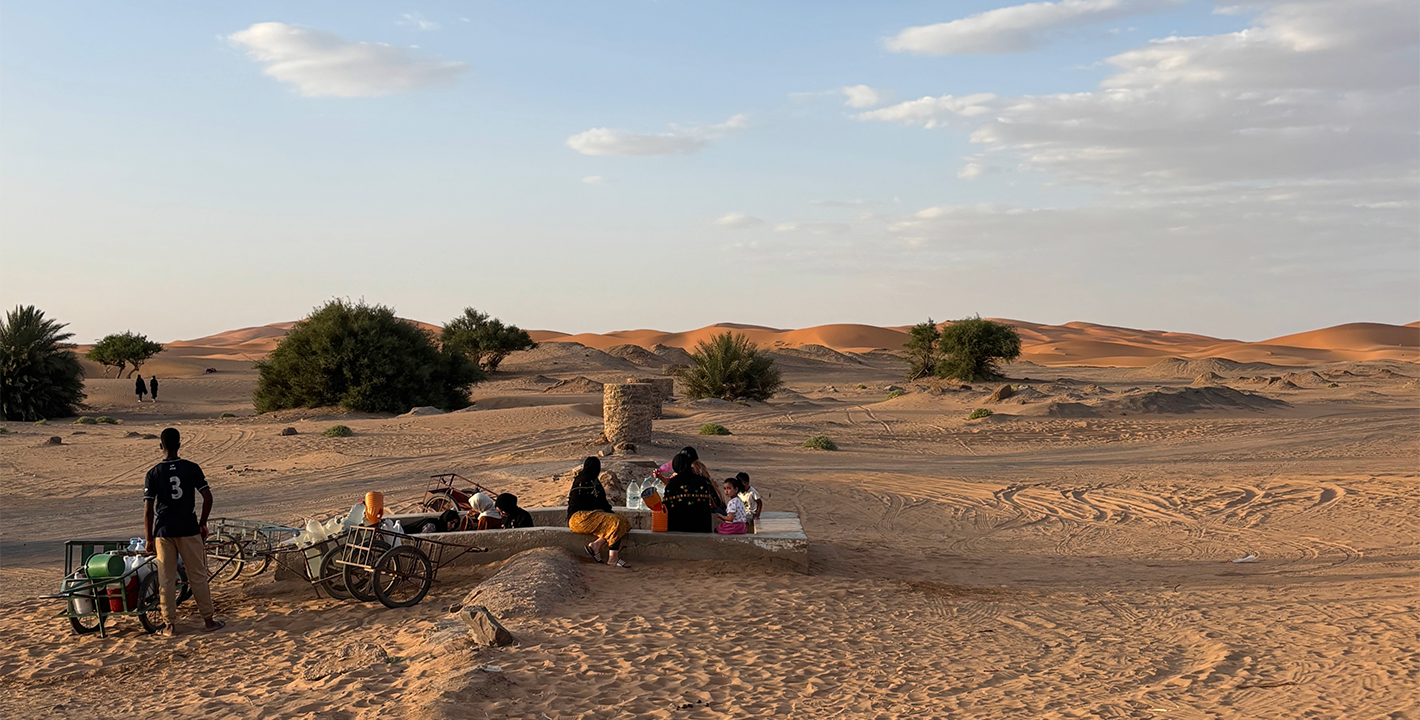
The burden of environmental degradation is felt not only through physical labor but also emotional and social loss.
Yasmine Zarhloule, Ella Williams
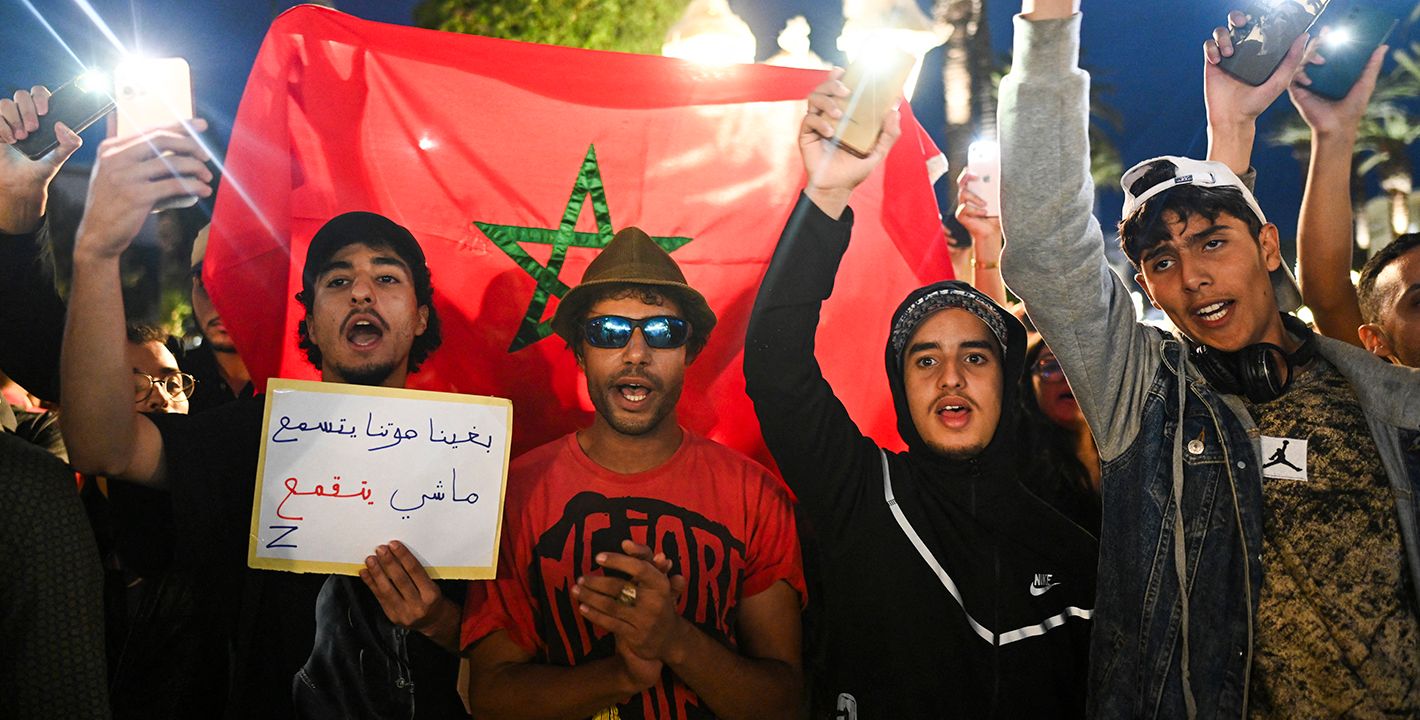
The country’s youthful protest movement is seeking economic improvement, social justice, and just a little hope.
Yasmine Zarhloule
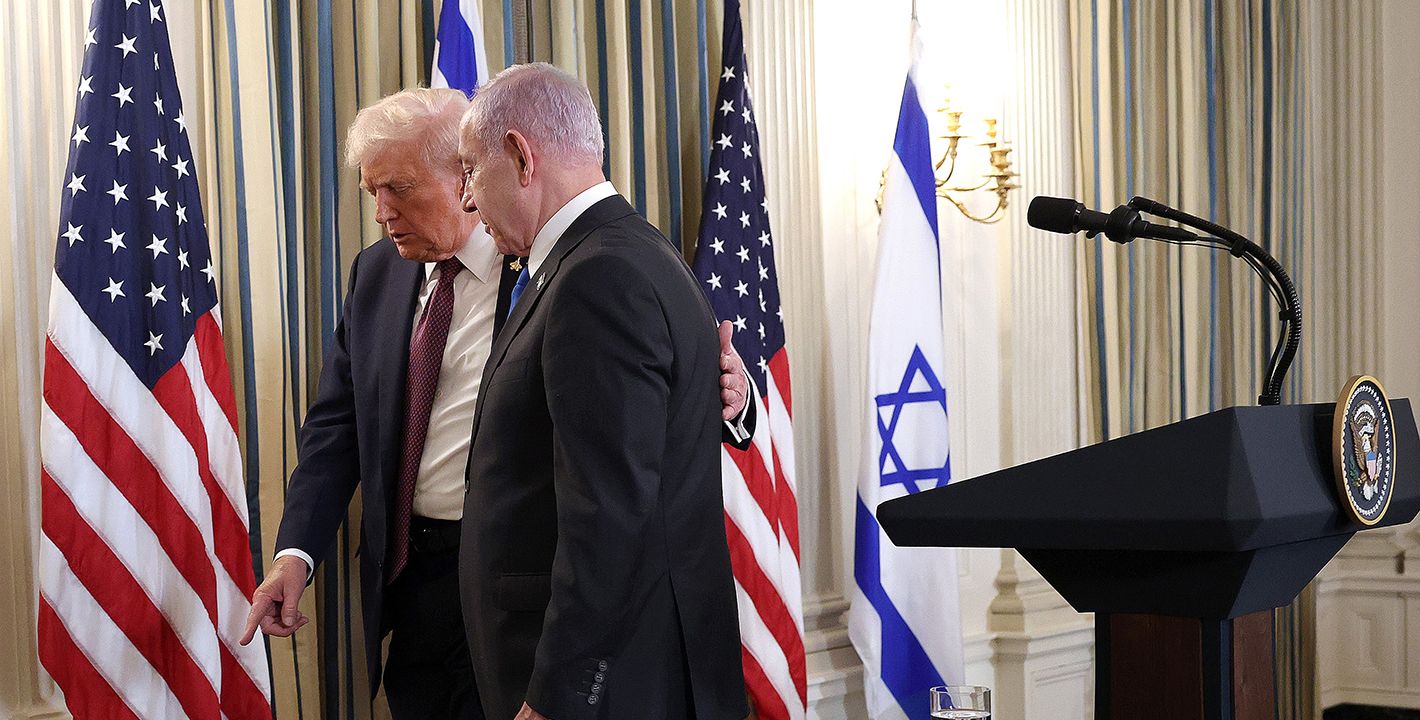
In an interview, Yezid Sayigh looks at the different dimensions of the Trump plan.
Ghida Tayara, Yezid Sayigh