

Commentary
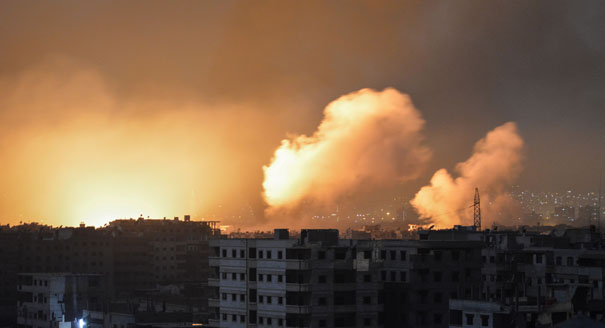
As the U.S. stumbles in its war with Iran, we are likely to see an acceleration of its disengagement from the region.
Michael Young
{
  "authors": [
    "Blair Scott"
  ],
  "type": "commentary",
  "blog": "Diwan",
  "centerAffiliationAll": "dc",
  "centers": [
    "Carnegie Endowment for International Peace",
    "Malcolm H. Kerr Carnegie Middle East Center"
  ],
  "collections": [],
  "englishNewsletterAll": "menaTransitions",
  "nonEnglishNewsletterAll": "",
  "primaryCenter": "Carnegie Endowment for International Peace",
  "programAffiliation": "MEP",
  "programs": [
    "Middle East"
  ],
  "projects": [],
  "regions": [
    "Middle East",
    "North Africa"
  ],
  "topics": [
    "Political Reform"
  ]
}
Source: Getty
Carnegie President William J. Burns discusses the Middle East and what the future may hold for a troubled region.
William J. Burns is president of the Carnegie Endowment for International Peace. He served in numerous posts in the State Department in a career spanning more than 30 years. Burns was deputy secretary of state from 2011 until 2014, and before that assistant secretary of state for Near Eastern affairs from 2001 until 2005. He was ambassador to Jordan from 1998 until 2001 and served as ambassador to Russia between 2005 and 2008. Burns became president of Carnegie in February 2015. In late July, Diwan sat with him to get his perspective on a wide variety of Middle Eastern issues, including the U.S. role in the region, the Iranian nuclear deal, Palestinian-Israeli negotiations, and what Burns views as the most significant long-term threats to regional stability.
Blair Scott
Former Program Coordinator, Middle East Program
Carnegie does not take institutional positions on public policy issues; the views represented herein are those of the author(s) and do not necessarily reflect the views of Carnegie, its staff, or its trustees.

As the U.S. stumbles in its war with Iran, we are likely to see an acceleration of its disengagement from the region.

Michael Young

The accord represents a pivotal moment in the region to avert a security vacuum in the Gulf.


Azeema Cheema, Mohanad Hage Ali

In an interview, Jason Burke discusses his sweeping account of the “revolutionists” who so shaped the 1970s and early 1980s.
Michael Young
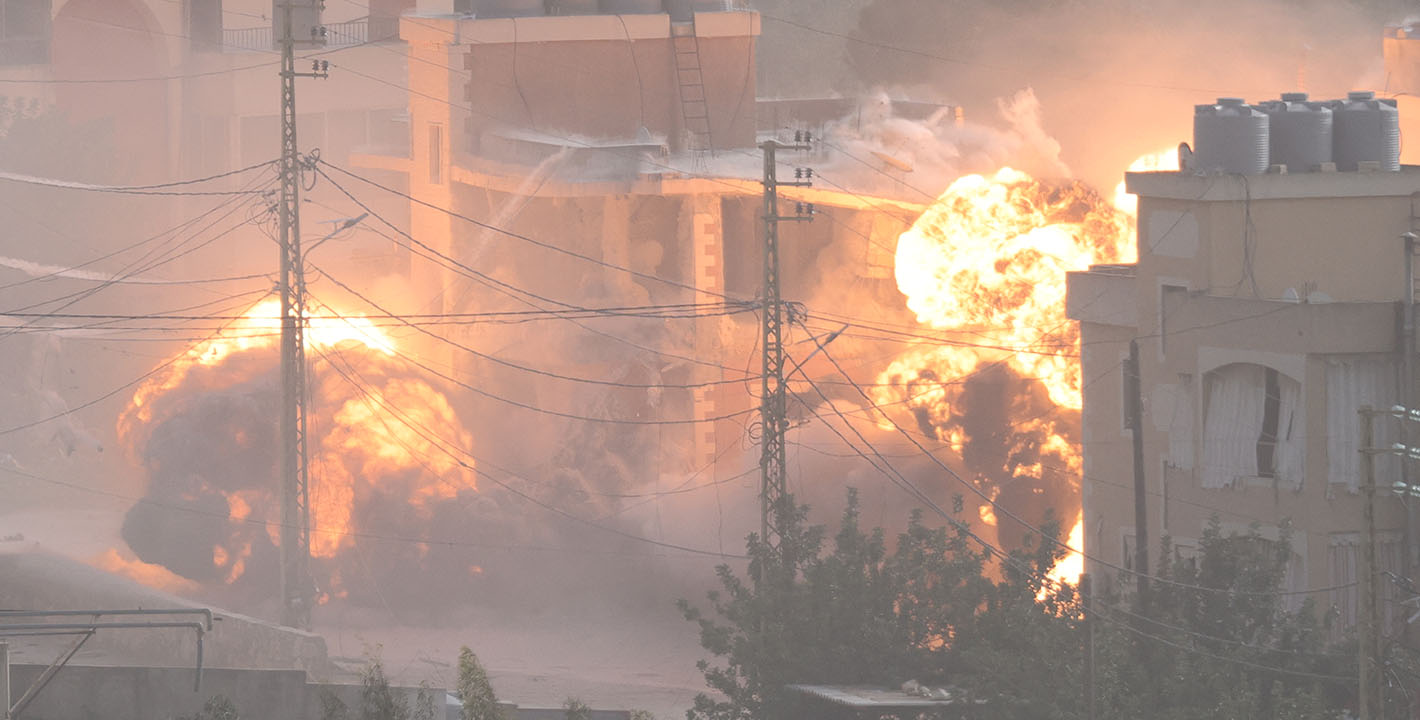
As Iran defends its interests in the region and its regime’s survival, it may push Hezbollah into the abyss.
Michael Young
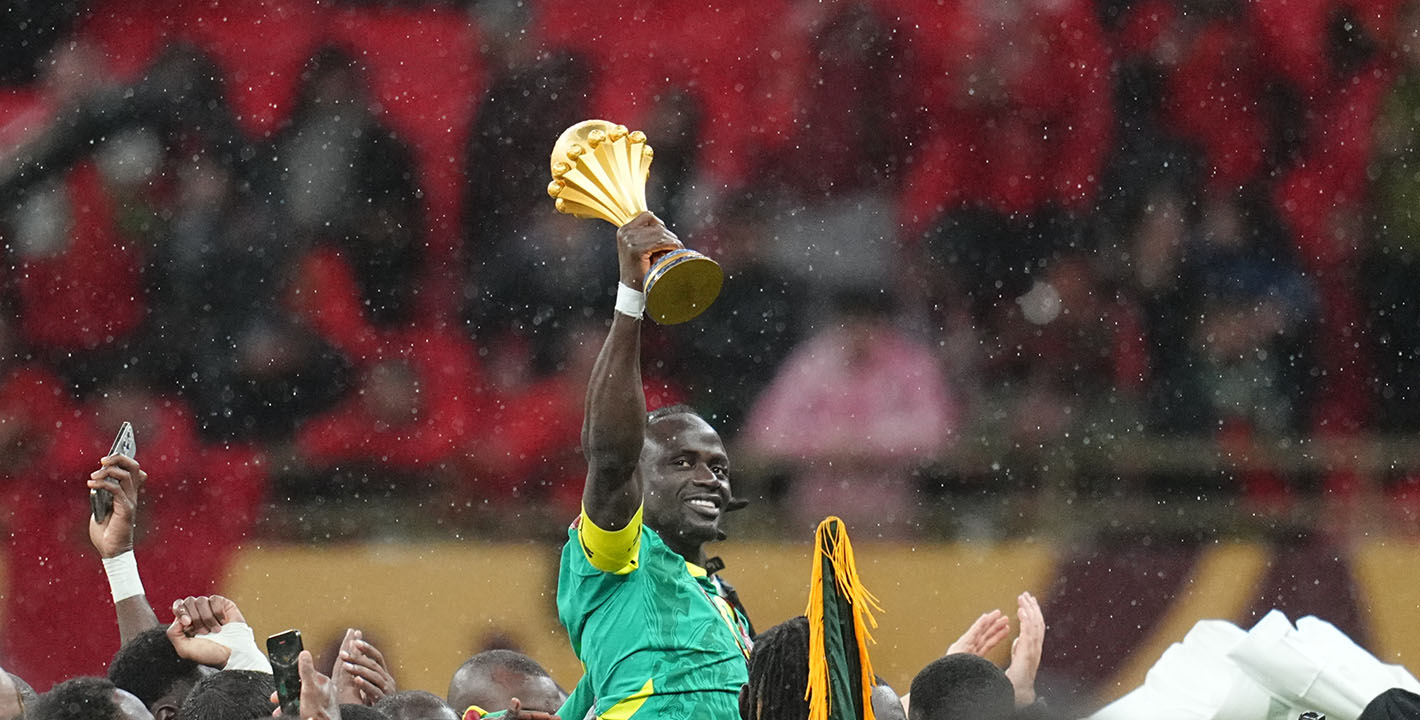
The recent African Cup of Nations tournament in Morocco touched on issues that largely transcended the sport.


Issam Kayssi, Yasmine Zarhloule