

Commentary
Maha Yahya
{
  "authors": [
    "Maha Yahya"
  ],
  "type": "commentary",
  "blog": "Diwan",
  "centerAffiliationAll": "dc",
  "centers": [
    "Carnegie Endowment for International Peace",
    "Malcolm H. Kerr Carnegie Middle East Center"
  ],
  "collections": [
    "Reaction Shot"
  ],
  "englishNewsletterAll": "menaTransitions",
  "nonEnglishNewsletterAll": "",
  "primaryCenter": "Malcolm H. Kerr Carnegie Middle East Center",
  "programAffiliation": "MEP",
  "programs": [
    "Middle East"
  ],
  "projects": [],
  "regions": [
    "Levant",
    "Lebanon",
    "North America",
    "United States",
    "Middle East"
  ],
  "topics": [
    "Political Reform",
    "Security",
    "Foreign Policy"
  ]
}
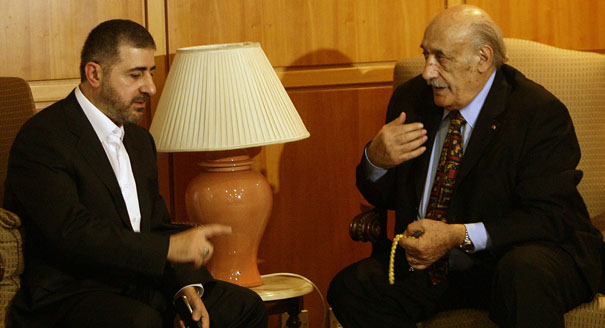
Source: Getty
Spot analysis from Carnegie scholars on events relating to the Middle East and North Africa
What Happened?
On Tuesday, the United States Treasury Department designated two Hezbollah members of the Lebanese parliament, Mohammed Ra‘d, the head of the party’s parliamentary bloc, and Amin Sherri, as well as a third individual, Wafiq Safa, the party’s senior security official who oversees Hezbollah’s relations with Lebanon’s security forces. The designation was made under an executive order that “targets terrorists and those providing support to terrorists or acts of terrorism,” according to the Treasury Department.
This is not the first time the United States designates Hezbollah officials. In fact, dozens of individuals and institutions have been targeted so far, mostly belonging to the party’s military and security apparatus, as well as businessmen tied to Hezbollah.
Why Does it Matter?
These new designations signal an escalation of a different kind. First, over the past few months, U.S. officials have been leaking, anonymously, that upcoming designations may target Lebanese politicians who are allied with Hezbollah. While the most recent ones didn’t do that, they did hint that Washington may be edging closer to implementing such a threat.
Second, with the new U.S. designations came the demand that the Lebanese government “sever its dealings with these [designated] figures,” even though the same government includes several ministers representing Hezbollah. The message to Lebanese politicians and citizens was clear: Do not deal with Hezbollah, though it is considered a key political representative of the country’s Shi‘a community. In the Lebanese consociational setup, severing relationships with one sectarian component is mission impossible, as it would derail an already delicate and complicated political process. In this case, such a request poses significant dangers for Lebanon’s political stability, especially as Hezbollah is the only armed group in the country. That is why the U.S. announcement was criticized by most Lebanese politicians, notably Lebanese Prime Minister Sa‘d Hariri, who is by no means a Hezbollah ally.
What Are the Implications for the Future?
The new designations send a strong signal to the Lebanese banking sector and place Lebanon—which is already struggling with an ailing economy and a mounting public debt—on notice. While targeting individuals associated with Hezbollah will not have a broad impact on the economy, such a step further weakens confidence in Lebanon. However, targeting the banking sector, which is the backbone of Lebanon’s economy, or making demands of the country’s leadership that are impossible to fulfill is likely to undermine Lebanon politically and economically.
From the United States’ perspective, the designations indicate a dangerous readiness to play closer to the edge of the precipice in a conflict-ridden region, just to score another win in its fight with Iran.

Director, Malcolm H. Kerr Carnegie Middle East Center
Maha Yahya is director of the Malcolm H. Kerr Carnegie Middle East Center, where her research focuses on citizenship, pluralism, and social justice in the aftermath of the Arab uprisings.
Recent Work
Maha Yahya
Maha Yahya
Carnegie does not take institutional positions on public policy issues; the views represented herein are those of the author(s) and do not necessarily reflect the views of Carnegie, its staff, or its trustees.

By failing to address Palestinian representation, the current process is bound to lead to just another temporary arrangement.

Nathan J. Brown

There is a disturbing structural parallel between the old global energy economy and the new green transition.

Angie Omar
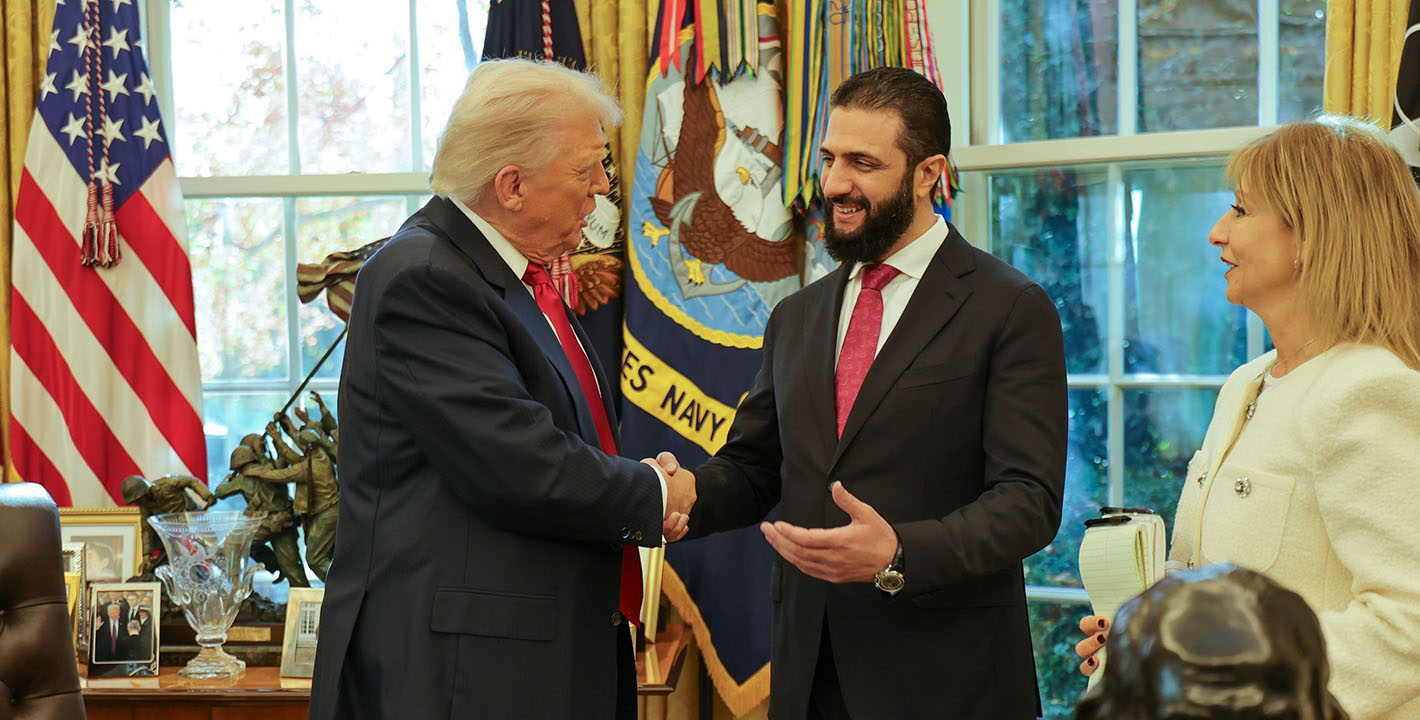
Any move by the United States to make good on Trump’s suggestion that Washington persuade Damascus to confront Hezbollah militarily would have catastrophic consequences.
Kheder Khaddour
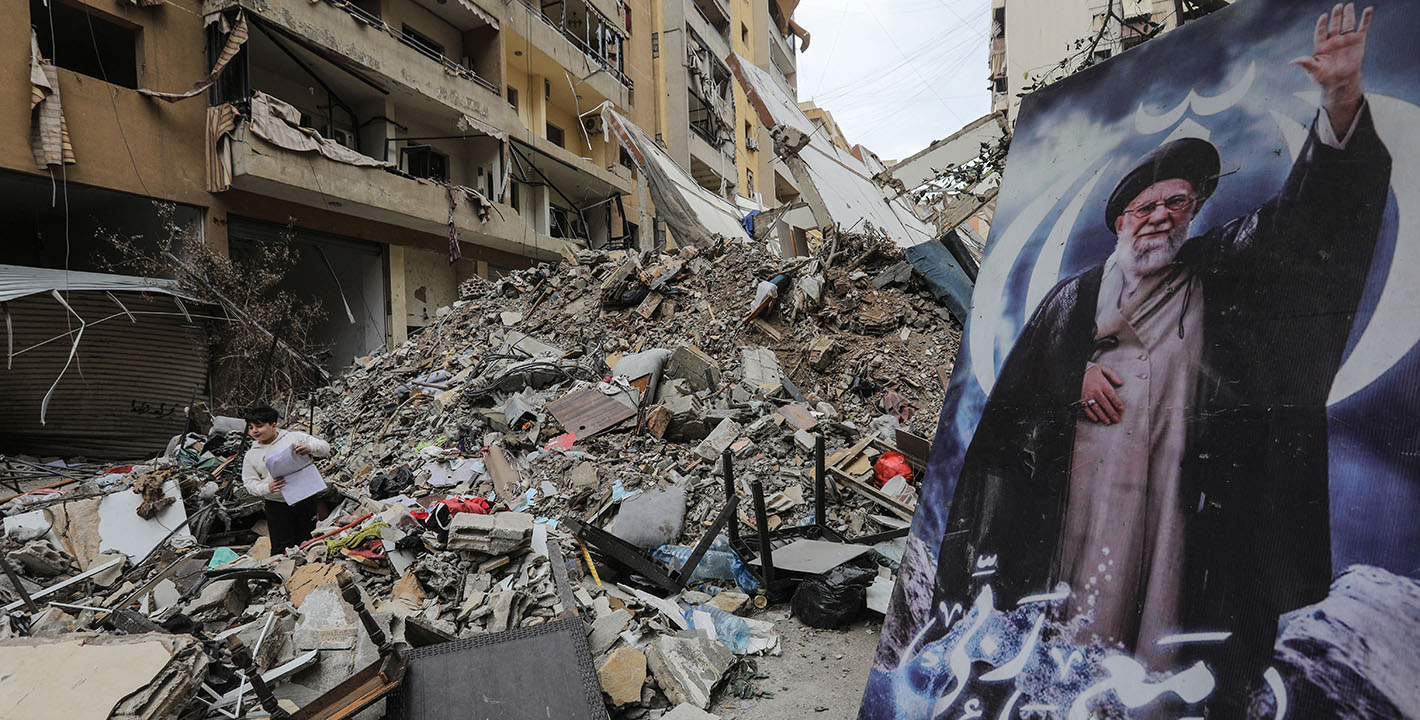
As talks begin between Washington and Tehran, Beirut has an opening to advance a regional plan for the party’s disarmament.

Michael Young
What is behind Marco Rubio’s announcement that the body is now an international nongovernmental organization?
Zaha Hassan