

Article
Mohanad Hage Ali
{
  "authors": [
    "Mohanad Hage Ali"
  ],
  "type": "commentary",
  "blog": "Diwan",
  "centerAffiliationAll": "dc",
  "centers": [
    "Carnegie Endowment for International Peace",
    "Malcolm H. Kerr Carnegie Middle East Center"
  ],
  "collections": [
    "Three Question Time",
    "Decoding Lebanon"
  ],
  "englishNewsletterAll": "menaTransitions",
  "nonEnglishNewsletterAll": "",
  "primaryCenter": "Malcolm H. Kerr Carnegie Middle East Center",
  "programAffiliation": "MEP",
  "programs": [
    "Middle East"
  ],
  "projects": [],
  "regions": [
    "Levant",
    "Lebanon",
    "Middle East",
    "Western Europe",
    "France",
    "Europe"
  ],
  "topics": [
    "Political Reform"
  ]
}
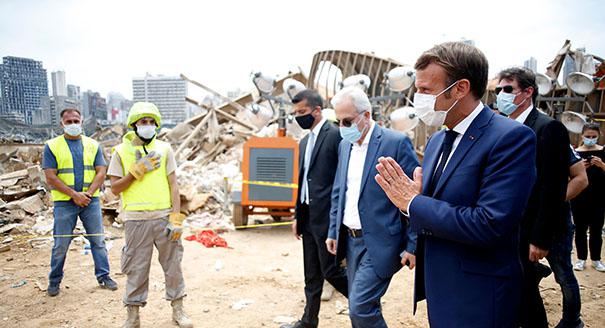
Source: Getty
In an interview, Mohanad Hage Ali discusses foreign intervention to resolve the Lebanese crisis, and its repercussions.
Mohanad Hage Ali is director of communications at the Carnegie Middle East Center in Beirut. He is the author of Nationalism, Transnationalism, and Political Islam: Hizbullah’s Institutional Identity (Palgrave Macmillan, 2018). This week, Hage Ali wrote an article for the online Lebanese website Al-Modon in which he examined the main lines of a proposal French President Emmanuel Macron had brought with him to Beirut last week, when he visited the city in the aftermath of the horrific explosion at Beirut port. Diwan interviewed Hage Ali to discuss his article, whether the proposal is still on the table, and the issue of how regional rivalries are playing out in Lebanon today and affecting political developments.

Deputy Director for Research, Malcolm H. Kerr Carnegie Middle East Center
Mohanad Hage Ali is the deputy director for research at the Malcolm H. Kerr Carnegie Middle East Center.
Recent Work
Mohanad Hage Ali
Mohanad Hage Ali
Carnegie does not take institutional positions on public policy issues; the views represented herein are those of the author(s) and do not necessarily reflect the views of Carnegie, its staff, or its trustees.
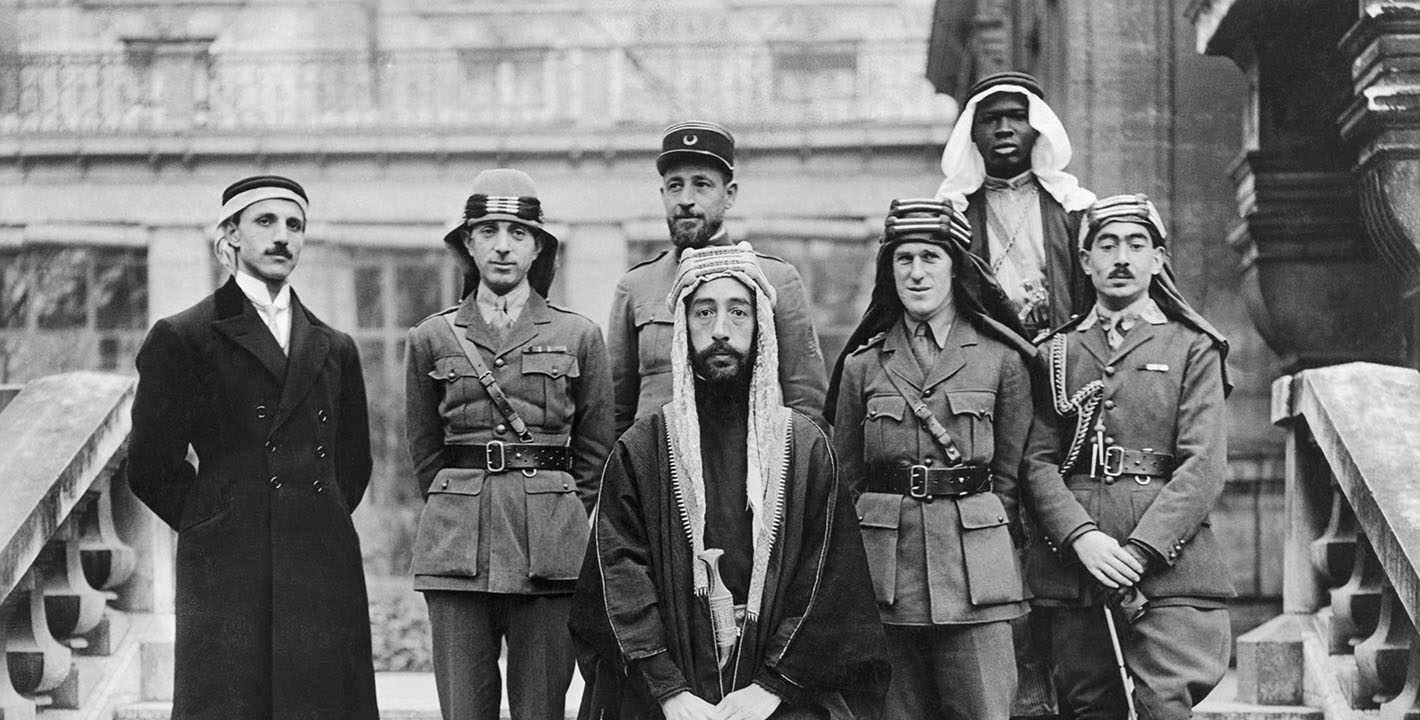
In an interview, Elizabeth Thompson recalls how the country formulated a liberal constitution in 1920, before being denied by France and Britain.

Michael Young
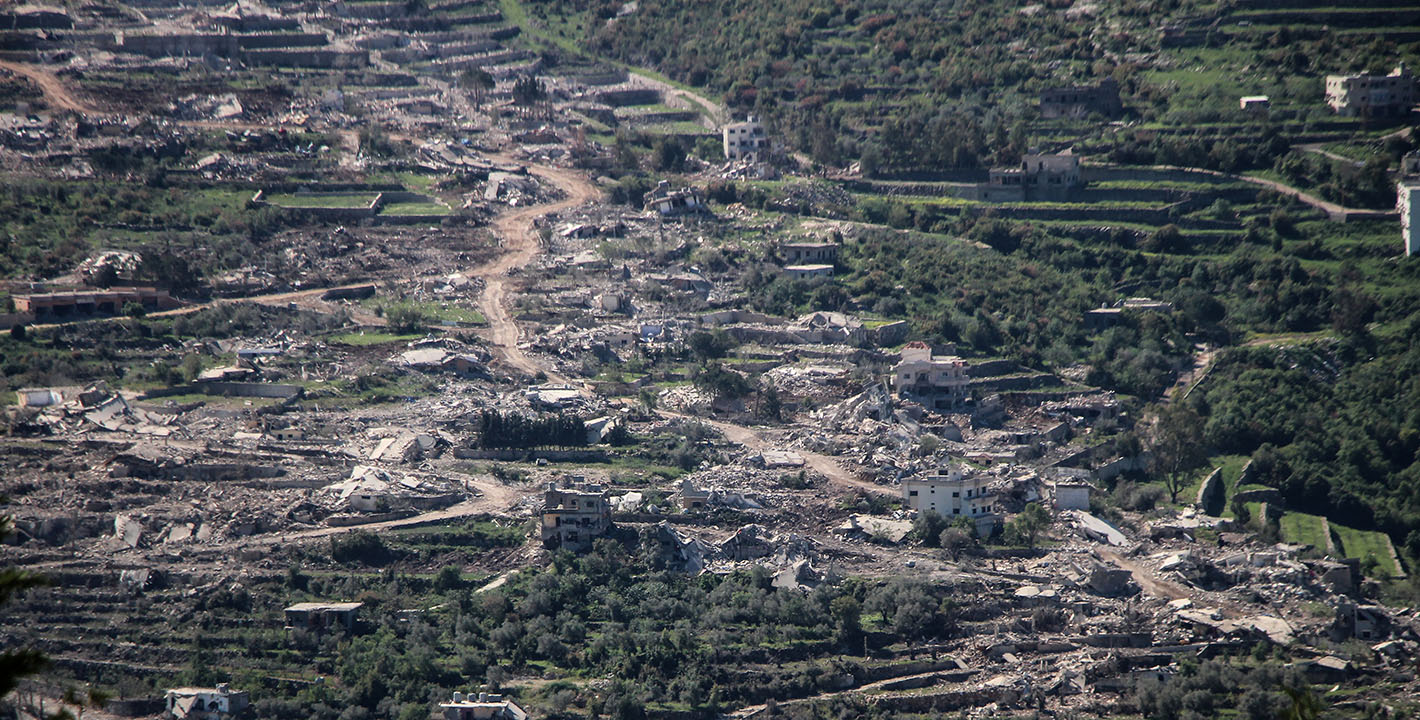
As negotiations with Iran and Lebanon continue, chaos is at the heart of the Netanyahu government’s calculations.
Michael Young
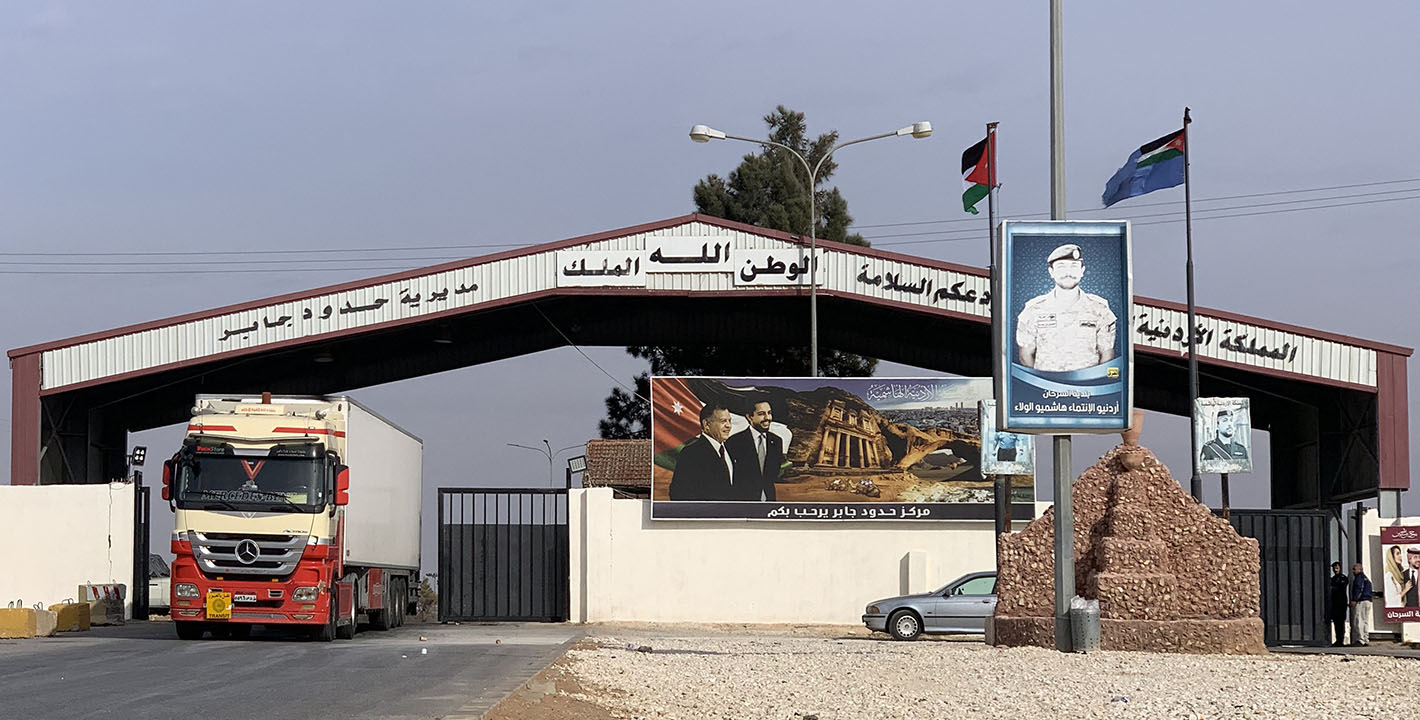
Trade statistics show why Amman has more reason than Damascus to welcome the improvement in bilateral commerce.

Armenak Tokmajyan
Adversaries are to be degraded so deeply, that reconstitution becomes difficult or impossible.

Nathan J. Brown

Israel is encroaching on the country’s territory, while the Lebanese look askance at one another.

Issam Kayssi