

Commentary
Azeema Cheema, Mohanad Hage Ali
{
  "authors": [
    "Mohanad Hage Ali"
  ],
  "type": "commentary",
  "blog": "Diwan",
  "centerAffiliationAll": "dc",
  "centers": [
    "Carnegie Endowment for International Peace",
    "Malcolm H. Kerr Carnegie Middle East Center"
  ],
  "collections": [
    "Reaction Shot"
  ],
  "englishNewsletterAll": "menaTransitions",
  "nonEnglishNewsletterAll": "",
  "primaryCenter": "Malcolm H. Kerr Carnegie Middle East Center",
  "programAffiliation": "MEP",
  "programs": [
    "Middle East"
  ],
  "projects": [],
  "regions": [
    "Levant",
    "Lebanon",
    "Middle East"
  ],
  "topics": []
}

Source: Getty
Spot analysis from Carnegie scholars on events relating to the Middle East and North Africa.
What Happened?
Luqman Slim, a dissident Shi‘a intellectual and prominent critic of Hezbollah, was assassinated in southern Lebanon, after having disappeared on the night of February 3. Slim, a European-educated public figure who lived and worked in his family home in Haret Hrayk, in Beirut’s southern suburbs, had received threats from Hezbollah and its supporters. These included posters glued on his door accusing him of being a traitor.
Slim’s outspoken activism and media appearances were both an anomaly and an act of remarkable bravery, as he and his family lived in Hezbollah’s stronghold, literally surrounded by their political foes. Most recently, Slim was highly critical of the failed investigation into the August 4, 2020, explosion at Beirut Port, especially after allegations surfaced that businessmen affiliated with the Syrian regime may have been behind the purchase of the ammonium nitrate that set off the explosion that destroyed large parts of Beirut.
Why Is It Important?
Slim embodied the sphere of Lebanese Shi‘a dissent. His was a dissident voice in a community dominated by Hezbollah. His activism from within Hezbollah’s stronghold, whether against the party’s politics, strict social conservatism, or support for the Syrian regime, implied an acceptance of some diversity in the community, even if it was limited. Yet even this narrow margin of maneuver is dwindling, as Slim had received multiple threats and was regularly intimidated. His killing, regardless of the identity of the perpetrators, will be widely seen as a culmination of Hezbollah’s increased intolerance towards all forms of opposition.
Slim was also the champion of an array of other causes. He was concerned with the fate of the disappeared during Lebanon’s civil war, as well as of Lebanese prisoners in Syrian jails who remained unaccounted for. He worked relentlessly on documenting war crimes in Lebanon and Syria during the countries’ respective conflicts. His death has shocked many leading activists in both countries.
What Are the Implications for the Future?
Slim’s killing will have implications on two levels. First, it will certainly have a freezing effect on freedom of expression, as Slim was not shy in expressing his opinions—not only against Hezbollah, but also against the party’s allies as well as against Lebanon’s ruling class. His assassination, especially given recent failures in investigating major crimes, above all the port explosion, will discourage others from speaking out against the powers that be in Lebanon.
Second, Slim’s killing comes after two other assassinations, one targeting a photojournalist and the second a Lebanese customs officer who had links to the investigation into the port blast. These crimes remain unsolved, and along with Slim’s assassination speak to the overall security challenges that exist in Lebanon today, where most crimes go unpunished. That is why Slim’s killing is so tragically symptomatic of the decay in Lebanon as its collapse accelerates.

Deputy Director for Research, Malcolm H. Kerr Carnegie Middle East Center
Mohanad Hage Ali is the deputy director for research at the Malcolm H. Kerr Carnegie Middle East Center.
Recent Work

Azeema Cheema, Mohanad Hage Ali
Mohanad Hage Ali
Carnegie does not take institutional positions on public policy issues; the views represented herein are those of the author(s) and do not necessarily reflect the views of Carnegie, its staff, or its trustees.

As the U.S. stumbles in its war with Iran, we are likely to see an acceleration of its disengagement from the region.

Michael Young
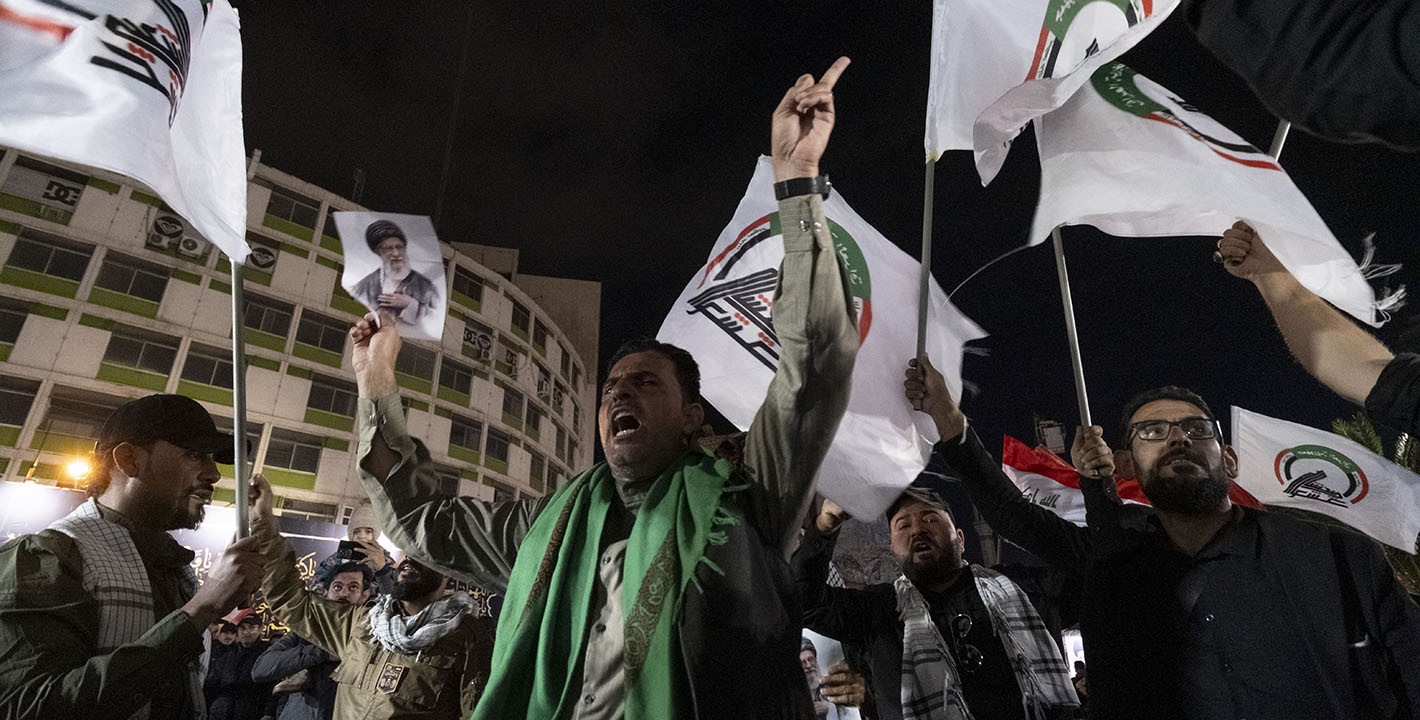
The Zaidi government’s objective to collect weapons is constrained by regional conflict, but it can take certain measures at home.
Ali Al-Mawlawi

Huawei pushed hard to enter the Egyptian data centers market, until the Americans made a better offer.

Angie Omar
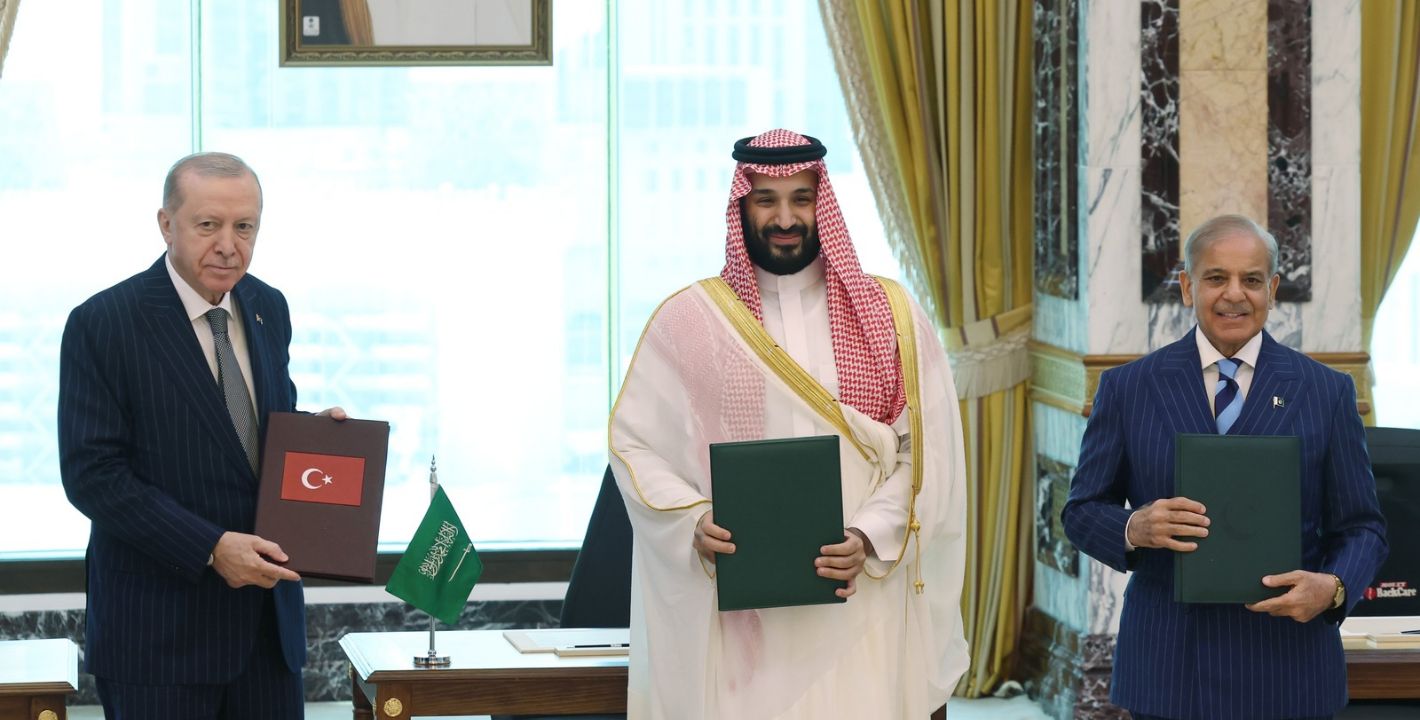
The accord represents a pivotal moment in the region to avert a security vacuum in the Gulf.
Azeema Cheema, Mohanad Hage Ali
In an interview, Jason Burke discusses his sweeping account of the “revolutionists” who so shaped the 1970s and early 1980s.
Michael Young