

Commentary
Reconciliation councils are emerging throughout the country to mediate in intracommunal disputes, many from the war years.
Natacha Danon
{
  "authors": [
    "Ghida Tayara"
  ],
  "type": "commentary",
  "blog": "Diwan",
  "centerAffiliationAll": "dc",
  "centers": [
    "Carnegie Endowment for International Peace",
    "Malcolm H. Kerr Carnegie Middle East Center"
  ],
  "collections": [
    "Three Question Time"
  ],
  "englishNewsletterAll": "menaTransitions",
  "nonEnglishNewsletterAll": "",
  "primaryCenter": "Malcolm H. Kerr Carnegie Middle East Center",
  "programAffiliation": "MEP",
  "programs": [
    "Middle East"
  ],
  "projects": [],
  "regions": [
    "Levant",
    "Syria",
    "Middle East"
  ],
  "topics": [
    "Political Reform"
  ]
}
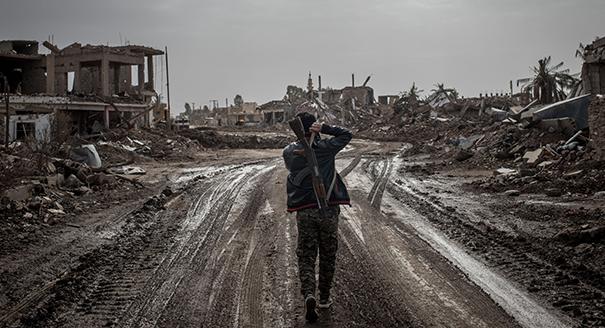
Source: Getty
In an interview, Kheder Khaddour looks back at the wreckage of Syria on the anniversary of the start of its conflict.
On the tenth anniversary of the start of the Syrian uprising, Kheder Khaddour looks back at the terrible conflict there and examines what it has meant for the country and its future. Khaddour is a nonresident scholar at the Malcolm H. Kerr Carnegie Middle East Center, where he has focused on Syria, in particular civil-military relations, as well as local identities in the Levant. Among the notable papers that Khaddour has written is one that he coauthored with Carnegie’s Harith Hasan, titled “The Transformation of the Iraqi-Syrian Border: From a National to a Regional Frontier,” as well as, among others, “Back to What Future: What Remains for Syria’s Displaced People?” and “Local Wars and the Chance for Decentralized Peace in Syria.” Diwan interviewed Khaddour in late February.
Ghida Tayara
Senior Digital and Web Coordinator
Carnegie does not take institutional positions on public policy issues; the views represented herein are those of the author(s) and do not necessarily reflect the views of Carnegie, its staff, or its trustees.
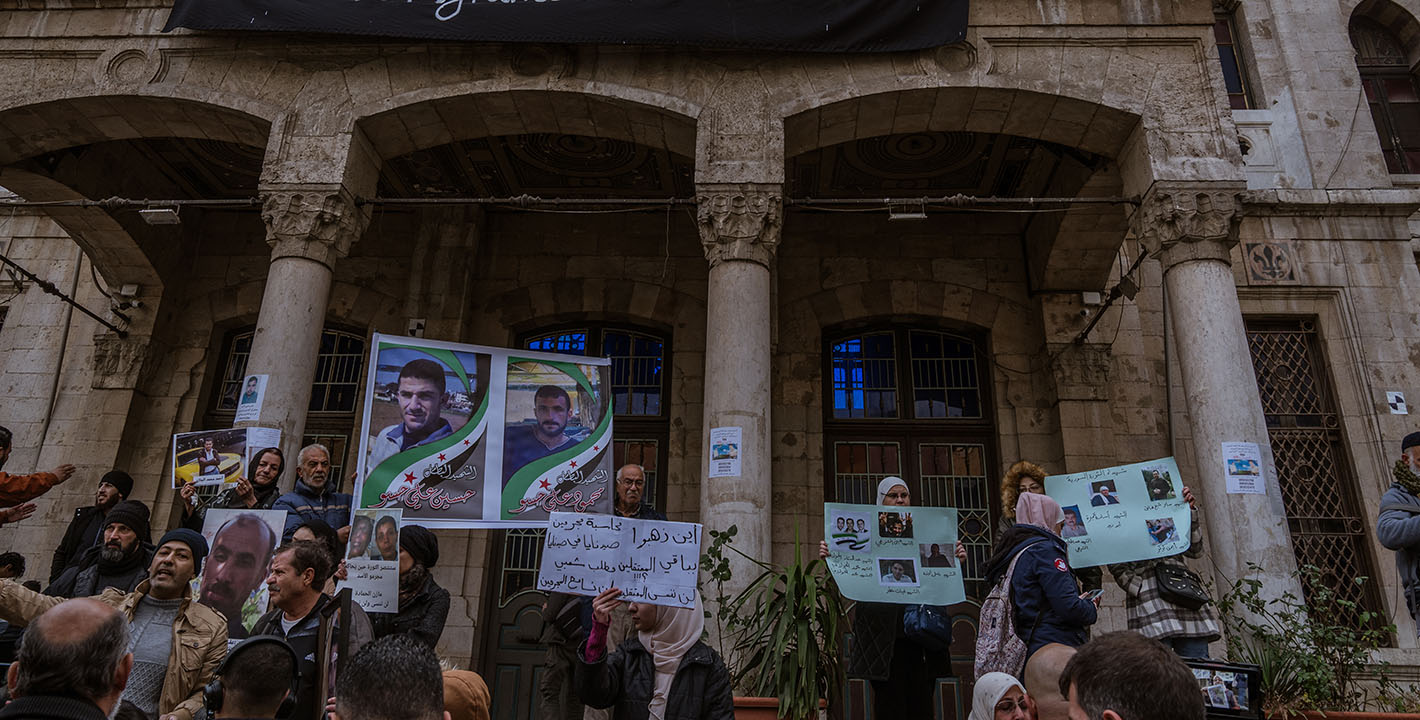
Reconciliation councils are emerging throughout the country to mediate in intracommunal disputes, many from the war years.
Natacha Danon
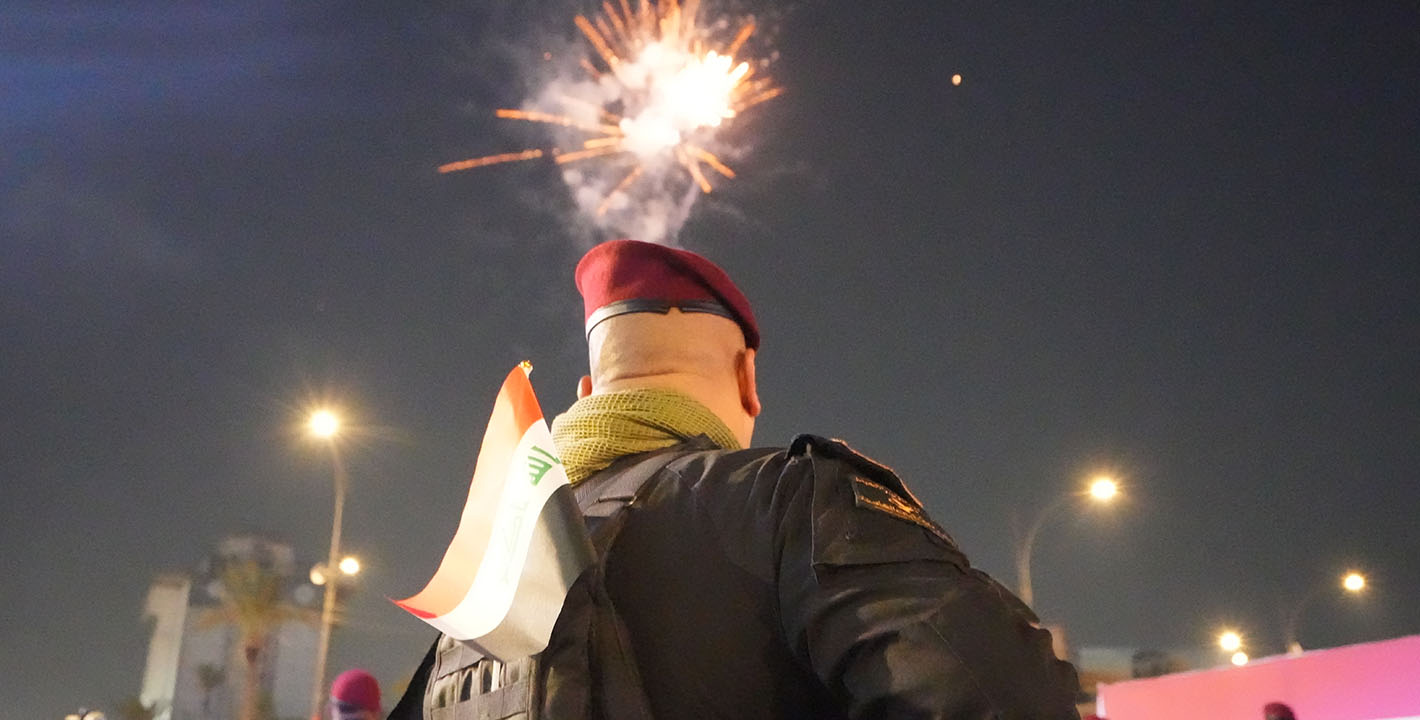
As the U.S.-led Coalition withdraws, the Kurds’ reliance on Baghdad, and on themselves, will only increase.
Wladimir van Wilgenburg

As the U.S. stumbles in its war with Iran, we are likely to see an acceleration of its disengagement from the region.

Michael Young
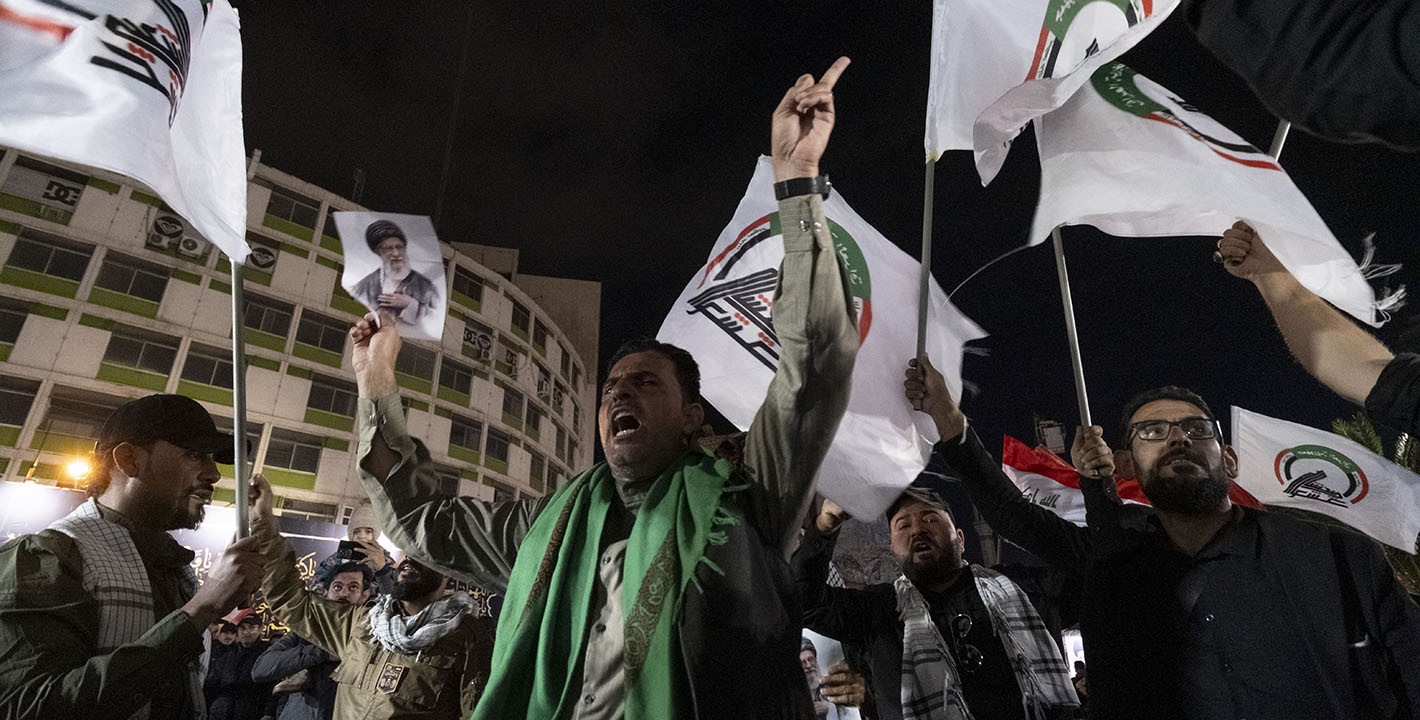
The Zaidi government’s objective to collect weapons is constrained by regional conflict, but it can take certain measures at home.
Ali Al-Mawlawi

The accord represents a pivotal moment in the region to avert a security vacuum in the Gulf.


Azeema Cheema, Mohanad Hage Ali