

Commentary
The party’s objectives involve tying together the Lebanese and Iranian fronts, while surviving militarily and politically at home.
Mohamad Fawaz
{
  "authors": [
    "Alia Brahimi"
  ],
  "type": "commentary",
  "blog": "Diwan",
  "centerAffiliationAll": "dc",
  "centers": [
    "Carnegie Endowment for International Peace",
    "Malcolm H. Kerr Carnegie Middle East Center"
  ],
  "collections": [
    "Civil-Military Relations in Arab States"
  ],
  "englishNewsletterAll": "menaTransitions",
  "nonEnglishNewsletterAll": "",
  "primaryCenter": "Malcolm H. Kerr Carnegie Middle East Center",
  "programAffiliation": "MEP",
  "programs": [
    "Middle East"
  ],
  "projects": [],
  "regions": [
    "Levant",
    "Jordan",
    "Middle East"
  ],
  "topics": [
    "Political Reform"
  ]
}
Source: Getty
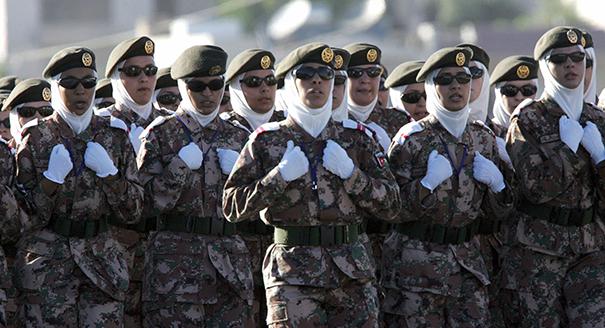
The country’s armed forces are removing restrictions on female participation in operations, but obstacles remain.
In a video marking International Women’s Day last March, female personnel from the Jordanian Armed Forces (JAF) could be seen scaling towers, shooting, and abseiling from helicopters. Watched by the senior JAF command, including the chairman of the Joint Chiefs of Staff, Major General Youssef Huneiti, these female units represent the reality that there are no longer restrictions on the positions that can be held by women in the armed forces.
In a Gender Mainstreaming Strategy issued in September 2021, the JAF set out its vision for becoming “a world leading Arab armed forces in the practice of gender mainstreaming, building gender capability and capacity and promoting the advancement of women across the JAF.” It also established a target of 3 percent for women’s participation as field officers, meaning working in frontline units such as the infantry.
Important structural and infrastructural obstacles must first be surmounted, however, ranging from the small numbers of women in leadership positions to the lack of appropriate transportation and accommodation for women deployed to field units. These last two challenges are especially significant given conservative norms surrounding women leaving and sleeping away from their homes. Indeed, the JAF’s integration of women takes place within a social context in which traditional gender ideologies are dominant and reinforced by patriarchal structures. Only 16 percent of Jordanian women participate in the labor force, and women continue to fight for full legal equality.
Funding shortfalls are an abiding issue. The JAF gender advisor recognized that “the process of writing the Gender Mainstreaming Strategy was too far removed from the question of budgeting.” The Directorate of Military Women’s Affairs (DMWA), which is dedicated to mainstreaming women into nontraditional roles and has recently benefited from upgrades to its capacity and infrastructure by NATO, is seeking support from international donors to pursue the strategy’s goals. As successful integration brings men and women into closer and prolonged proximity, the DMWA is also looking to develop an anonymous hotline for reporting harassment and abuse. Current reporting mechanisms still rely on the chain of command.
As with Lebanon, operational needs are a significant driver for opening nontraditional roles to women. The operational pull for more frontline women was strengthened in the aftermath of the 2005 Amman bombings, as one of the assailants was a female Iraqi national, Sajida al-Rishawi. Her prominent role in the attack led to the establishment of the Female Company for Special Tasks in 2006. As a retired female brigadier general explained, “[T]hese jihadis had exploited a cultural gap in the system and in the mentality of Jordanians as a whole because men cannot search the bodies of women, and this opened the eyes of JAF command.” In 2016, a platoon of women was integrated into the Sheikh Mohammed bin Zayed Al Nahyan Rapid Intervention Brigade, an elite combat brigade named after the current president of the United Arab Emirates. There is also a plan to train and deploy more women to “military regions” along Jordan’s borders, to parry threats emerging from instability in neighboring states, terrorist groups, and drug and human traffickers.
Jordan’s armed forces emphasize that they employ 18,038 women, constituting 17.4 percent of its personnel. However, senior leaders accept that this figure is comprised overwhelmingly of civilian personnel and women working in the Royal Medical Services, while the number of women in uniform remains low. According to the DMWA director, Colonel Maha al-Nasser, the JAF command recently planned to boost recruitment, beginning with 1,000 female officers and enlisted personnel, and ensure more women can access specifically military roles.
At the same time, women are now taking up positions which are charged with symbolism, such as at the JAF’s fatwa (religious affairs) department. As Nasser remarked, “Advances like this are extremely important on a psychological level.” In important ways, the JAF runs ahead of Jordanian society with its gender-blind salary and promotions schedule, and especially now in its explicit commitment to what UN Women has described as a “gender transformative approach.”
Curiously, this progressive agenda was made possible, at least in part, by the traditionalist authority structure of the monarchy. Women’s military service expanded significantly under the leadership of King Hussein (1952–1999), whose daughter Princess Aisha is a decorated soldier. She championed the establishment of the DMWA by royal decree in 1995. Aisha was described by a retired female brigadier general as “the booster and driver for everything we achieved.” The support of the current monarch, King Abdullah II, is also emphasized in JAF communications on female empowerment. In fact, the king’s daughter Princess Salma became the first Jordanian woman to earn her Royal Jordanian Air Force wings in 2020.
Another important driver for female integration is Jordan’s position as a major Arab troop-contributing country to United Nations peacekeeping missions, alongside Morocco, Tunisia, and Egypt. This year female officers have taken part in missions to Congo and the Central African Republic, and the DMWA is working toward a target of 18 percent female representation in peace operations by 2024.
A UN framework of equal significance is the Women Peace and Security agenda, which spurred the development of Jordan’s National Action Plan (JONAP) in 2017 to implement UN Security Council Resolution 1325, which addressed the impact of armed conflict on women and girls. JONAP gave top billing to advancing female representation in the security sector, a strategic goal taken forward by the ambitions of the Gender Mainstreaming Strategy.
However, Jordanian civil society groups continue to caution against reducing JONAP to a short-term plan for gender mainstreaming within security institutions. As Salma Nims of the Jordanian National Commission for Women observed, without progress on other JONAP priorities aimed at fostering a wider gender-responsive culture, the security sector will struggle to achieve its own long-term goals: “The King could tomorrow make a decision and we could suddenly see two or three women at the top of the JAF, but if we’re not thinking about the wider culture, about the family pressures, about what’s happening out in society, we won’t make any sort of transformational shift.”
Still, and despite the tradition of militaries as hypermasculine spaces, female JAF personnel are quick to describe a progressive professional environment where they are afforded a greater degree of respect and opportunity than in wider society. As one retired female general and former parliamentarian reflected, “I was much happier in my military life than in my civilian life, because there I had my rights. I was not deprived in the JAF, no one bypasses another as there is a system, and it is honored whether you are male or female.”

Alia Brahimi
Carnegie does not take institutional positions on public policy issues; the views represented herein are those of the author(s) and do not necessarily reflect the views of Carnegie, its staff, or its trustees.
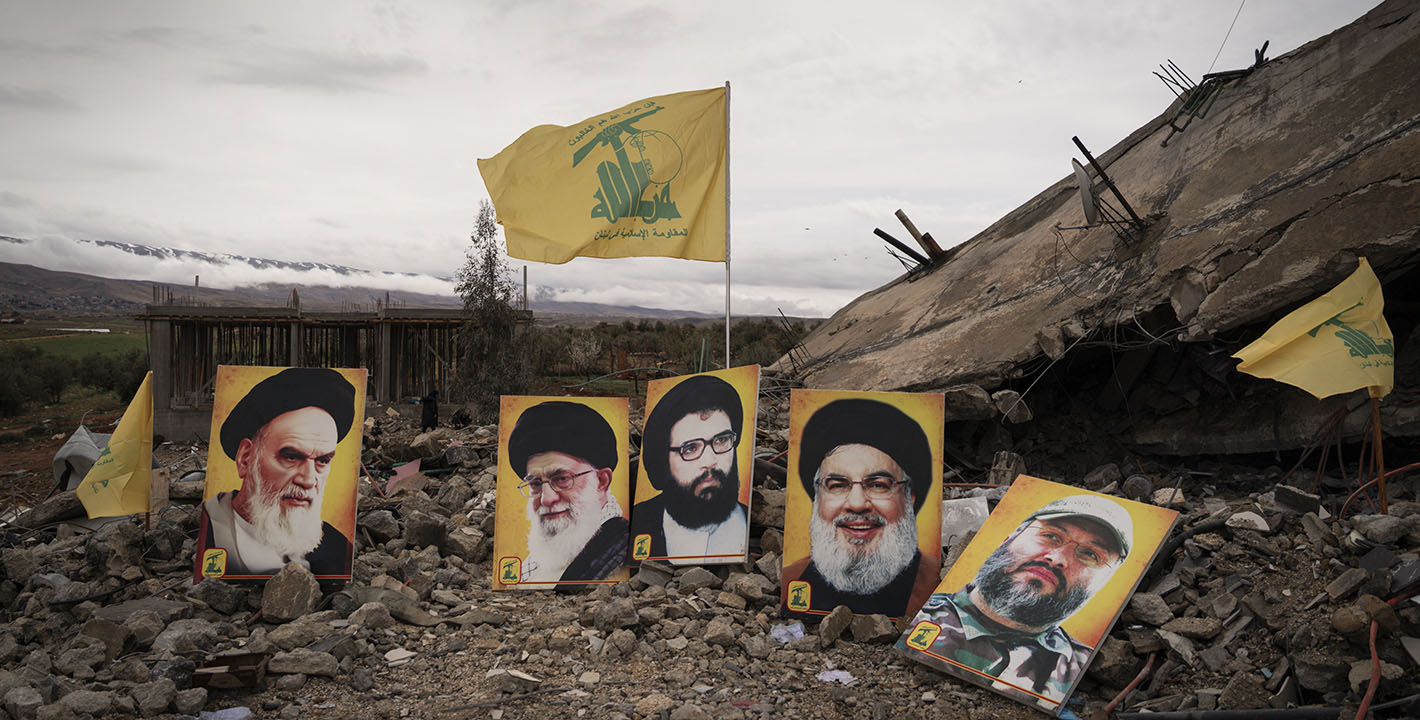
The party’s objectives involve tying together the Lebanese and Iranian fronts, while surviving militarily and politically at home.
Mohamad Fawaz
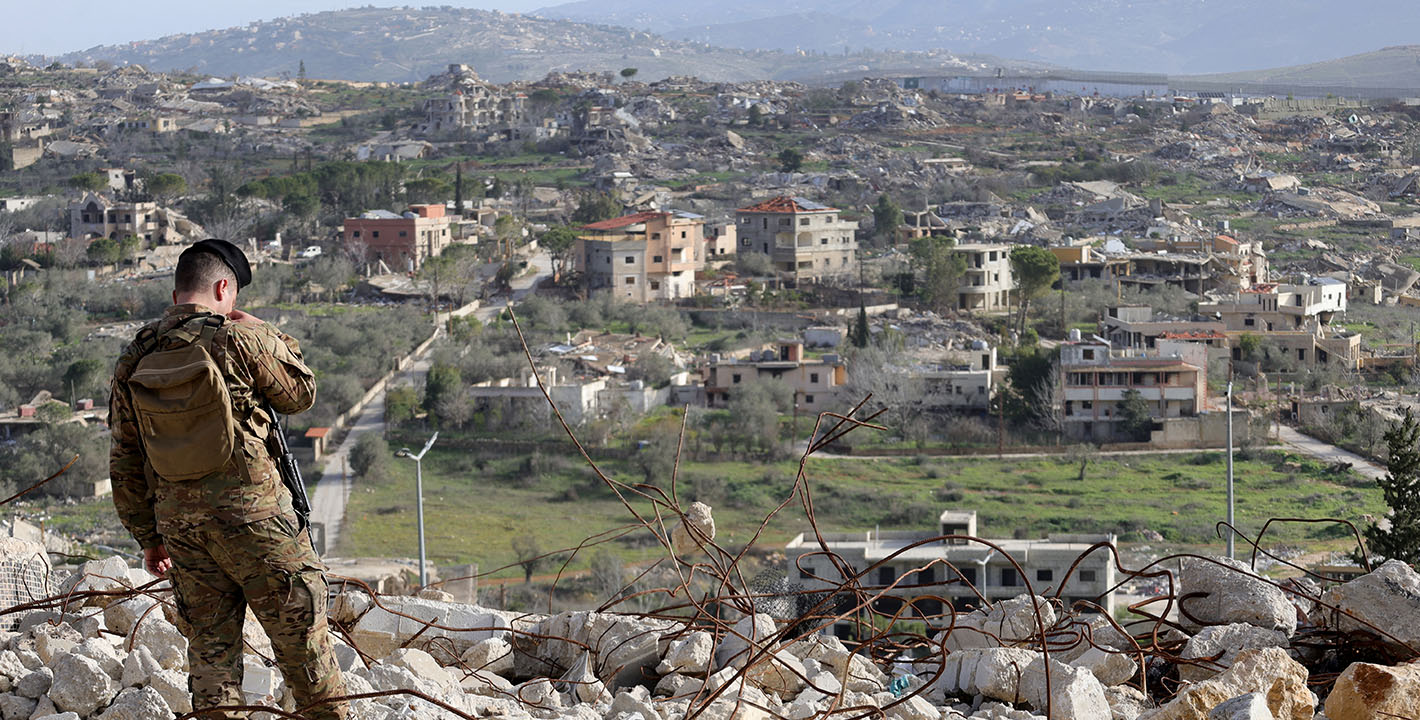
While armed forces commander Rudolph Haykal’s caution is understandable, he is in a position to act, and must.

Michael Young
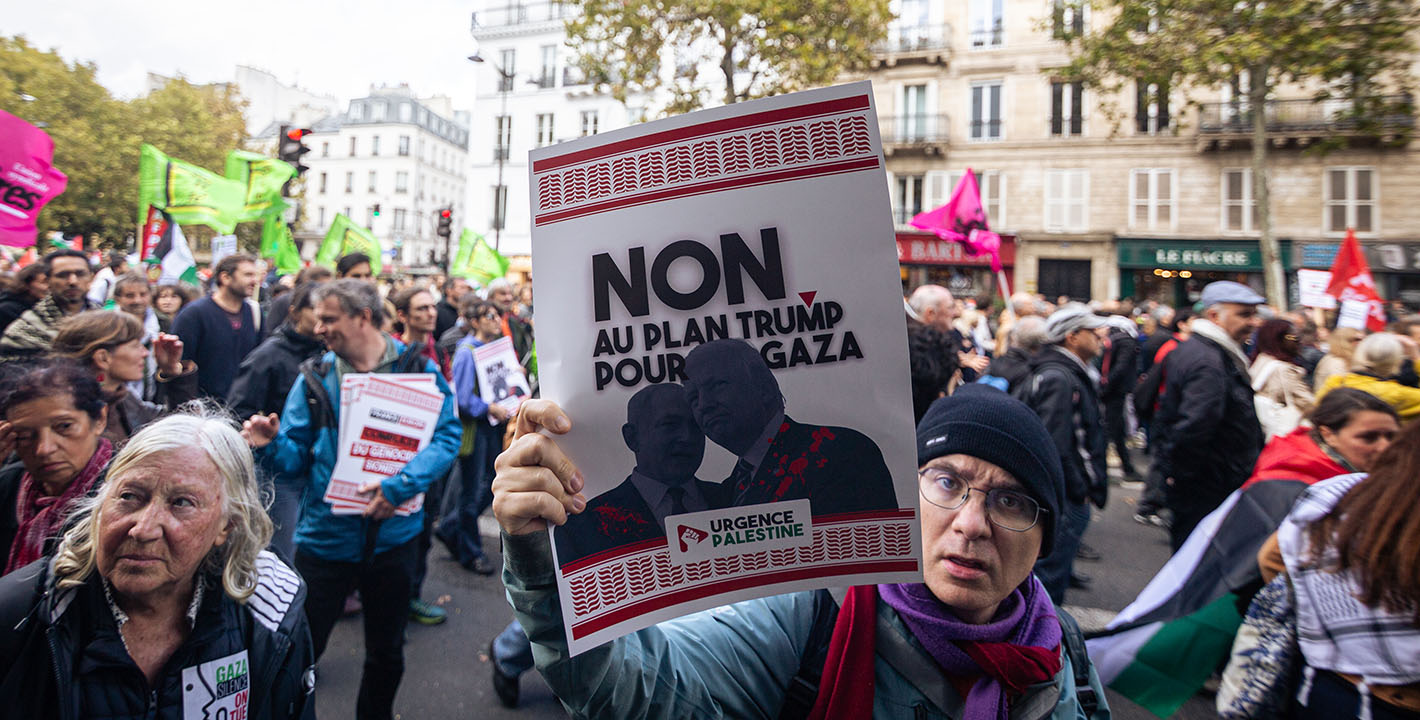
The simple conclusion is that the scheme will bring neither peace nor prosperity, but will institutionalize devastation.

Nathan J. Brown
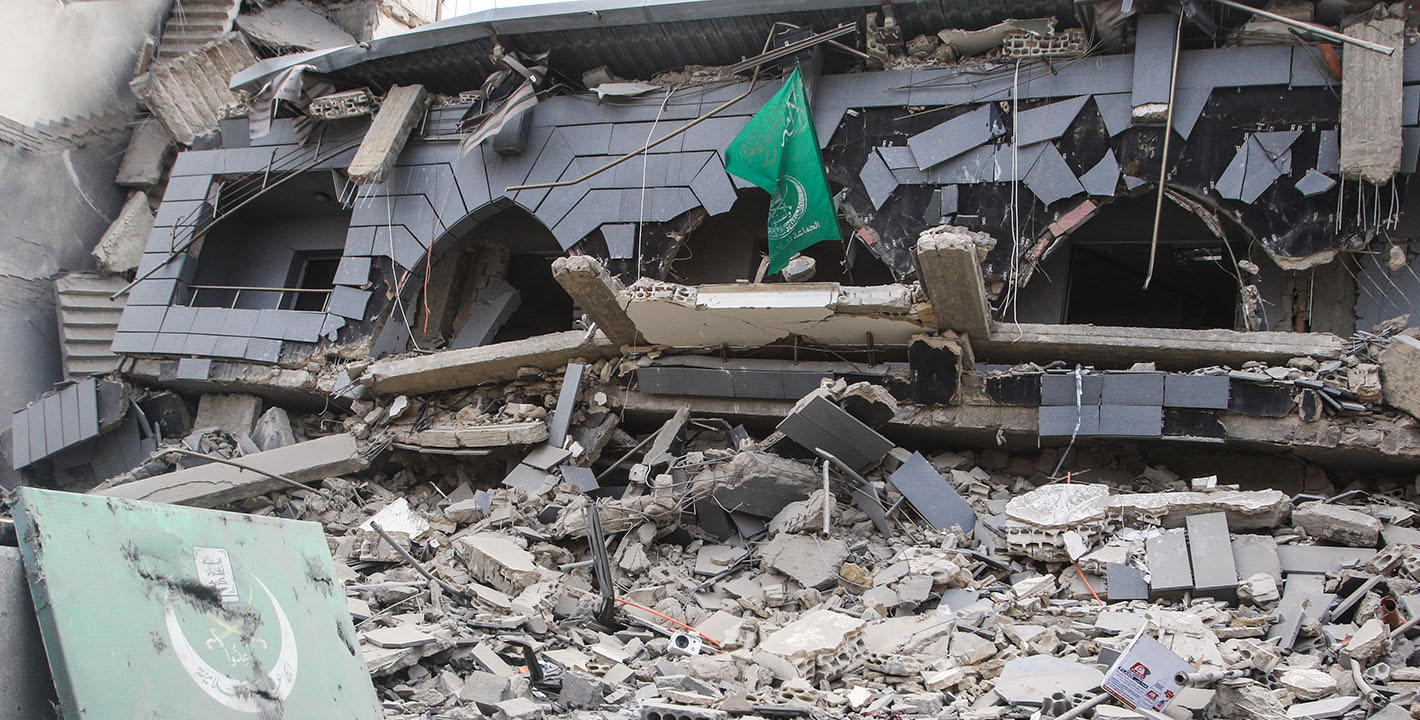
The Jamaa al-Islamiyya is the local Lebanese dimension of a broader struggle involving rival regional powers.

Issam Kayssi
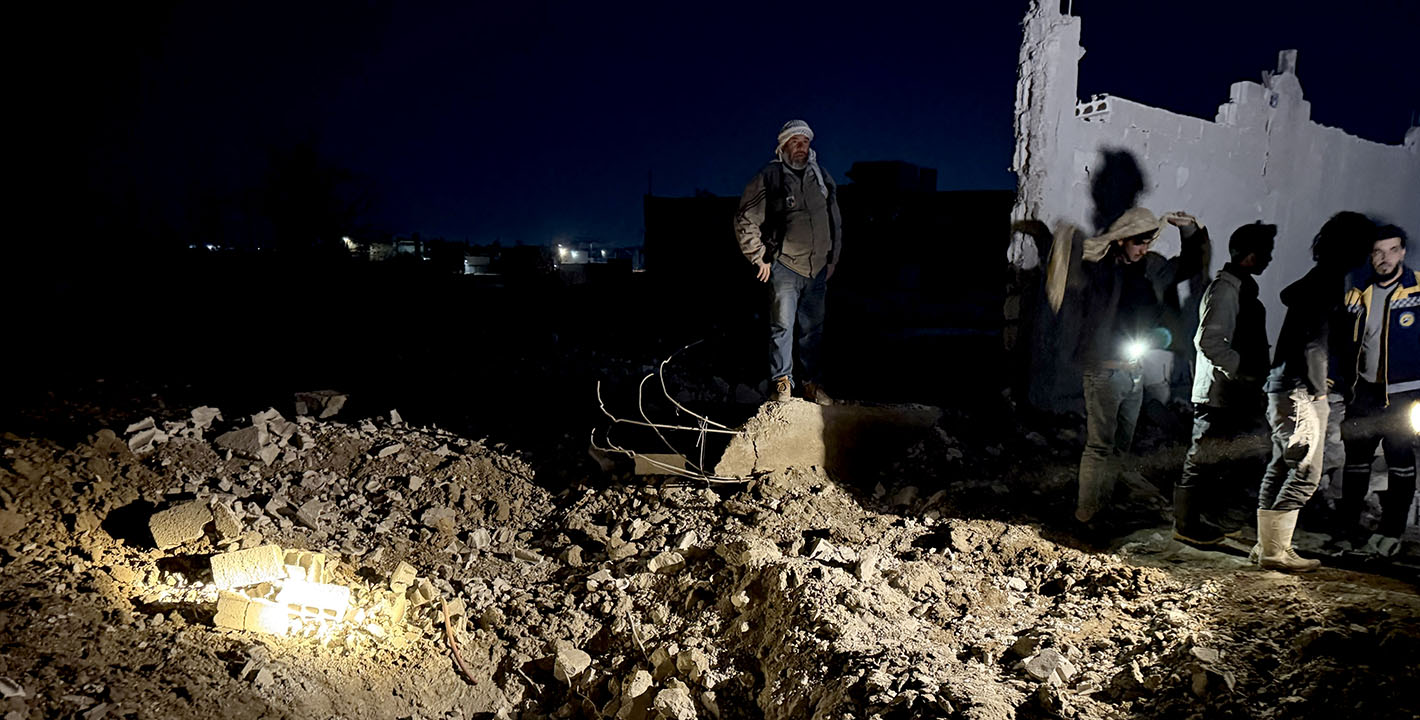
In an interview, Kheder Khaddour explains that Damascus is trying to stabilize its borders, but avoiding war isn’t guaranteed.
Michael Young