

Commentary
In Egypt’s dense cities, the disappearance of foliage has health implications and punishes daily commuters.
Angie Omar
{
  "authors": [
    "Josiane Matar",
    "Lina Dernaika"
  ],
  "type": "commentary",
  "blog": "Diwan",
  "centerAffiliationAll": "dc",
  "centers": [
    "Carnegie Endowment for International Peace",
    "Malcolm H. Kerr Carnegie Middle East Center"
  ],
  "collections": [
    "Three Question Time"
  ],
  "englishNewsletterAll": "menaTransitions",
  "nonEnglishNewsletterAll": "",
  "primaryCenter": "Malcolm H. Kerr Carnegie Middle East Center",
  "programAffiliation": "MEP",
  "programs": [
    "Middle East"
  ],
  "projects": [],
  "regions": [
    "Egypt",
    "North Africa"
  ],
  "topics": [
    "Political Reform",
    "Economy"
  ]
}
Source: Getty
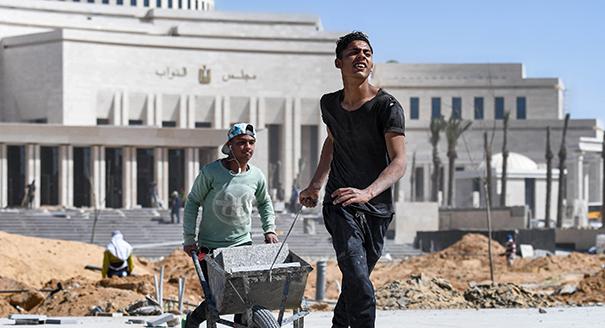
In an interview, Yezid Sayigh discusses the risks of an indebted Egyptian economy and the military’s role in it.
Yezid Sayigh is a senior fellow at the Malcolm H. Kerr Carnegie Middle East Center in Beirut, where he leads the program on Civil-Military Relations in Arab States. His work focuses on the comparative political and economic roles of Arab armed forces and nonstate actors, the impact of war on states and societies, and the politics of post-conflict reconstruction and security sector transformation in Arab transitions, and authoritarian resurgence. In mid September, Diwan interviewed Sayigh to ask him about the Egyptian economy, the economic role of the military, and the financial impact of establishing a new administrative capital near Cairo.
Josiane Matar
Former Media and Events Coordinator, Malcolm H. Kerr Carnegie Middle East Center
Lina Dernaika
Former Research Assistant
Carnegie does not take institutional positions on public policy issues; the views represented herein are those of the author(s) and do not necessarily reflect the views of Carnegie, its staff, or its trustees.
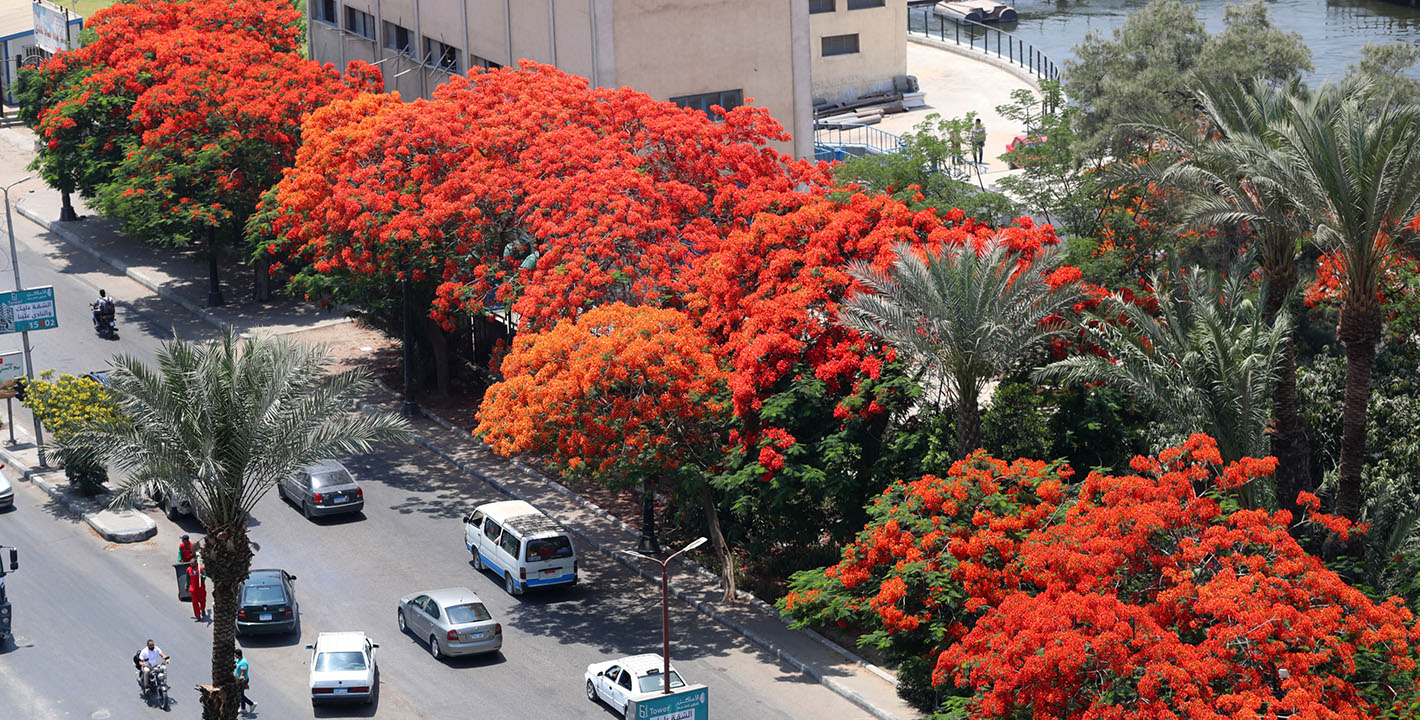
In Egypt’s dense cities, the disappearance of foliage has health implications and punishes daily commuters.

Angie Omar

Huawei pushed hard to enter the Egyptian data centers market, until the Americans made a better offer.
Angie Omar

There is a disturbing structural parallel between the old global energy economy and the new green transition.
Angie Omar
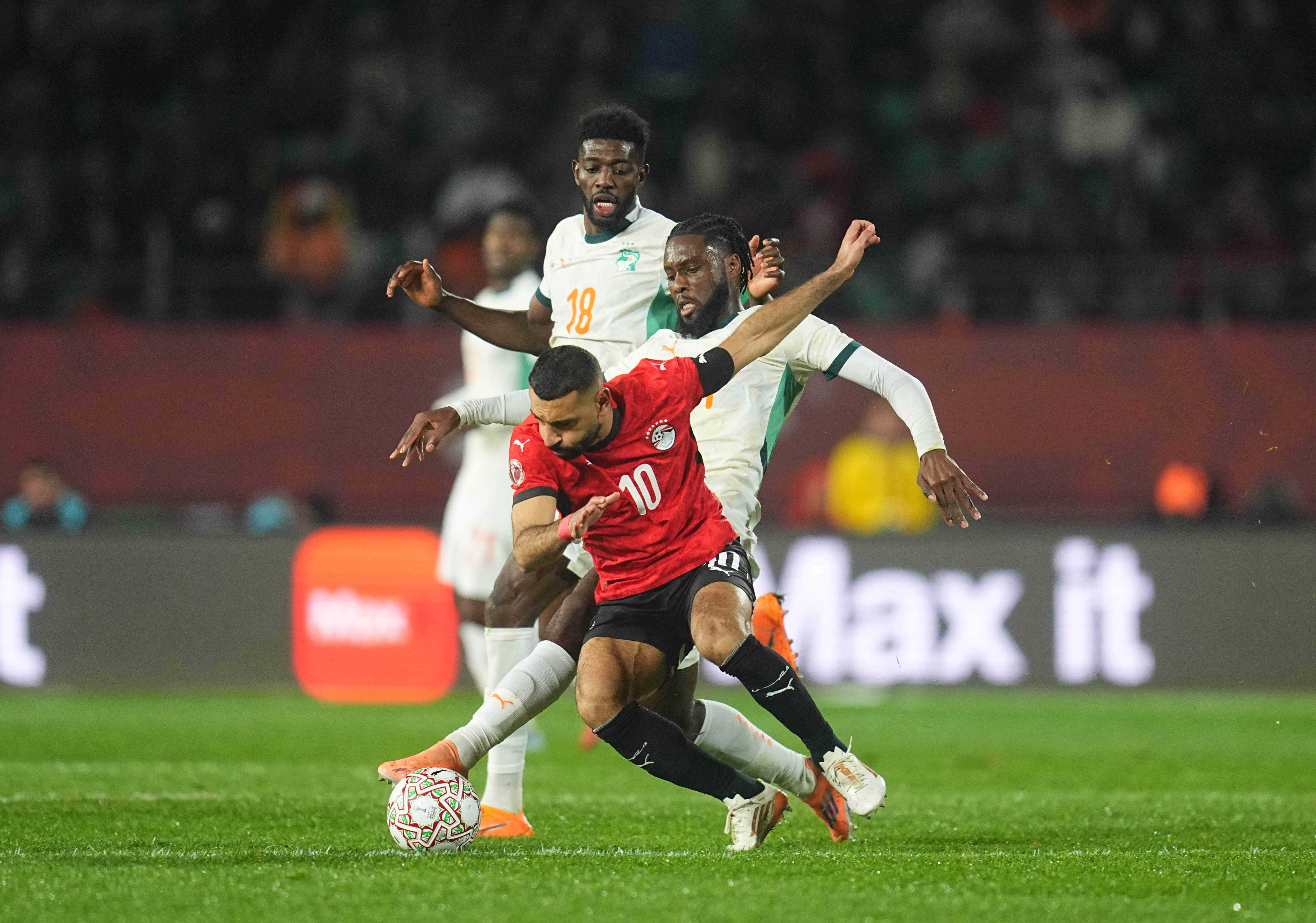
This will be the region’s most representative tournament, amid broad changes in its footballing landscape.

Issam Kayssi
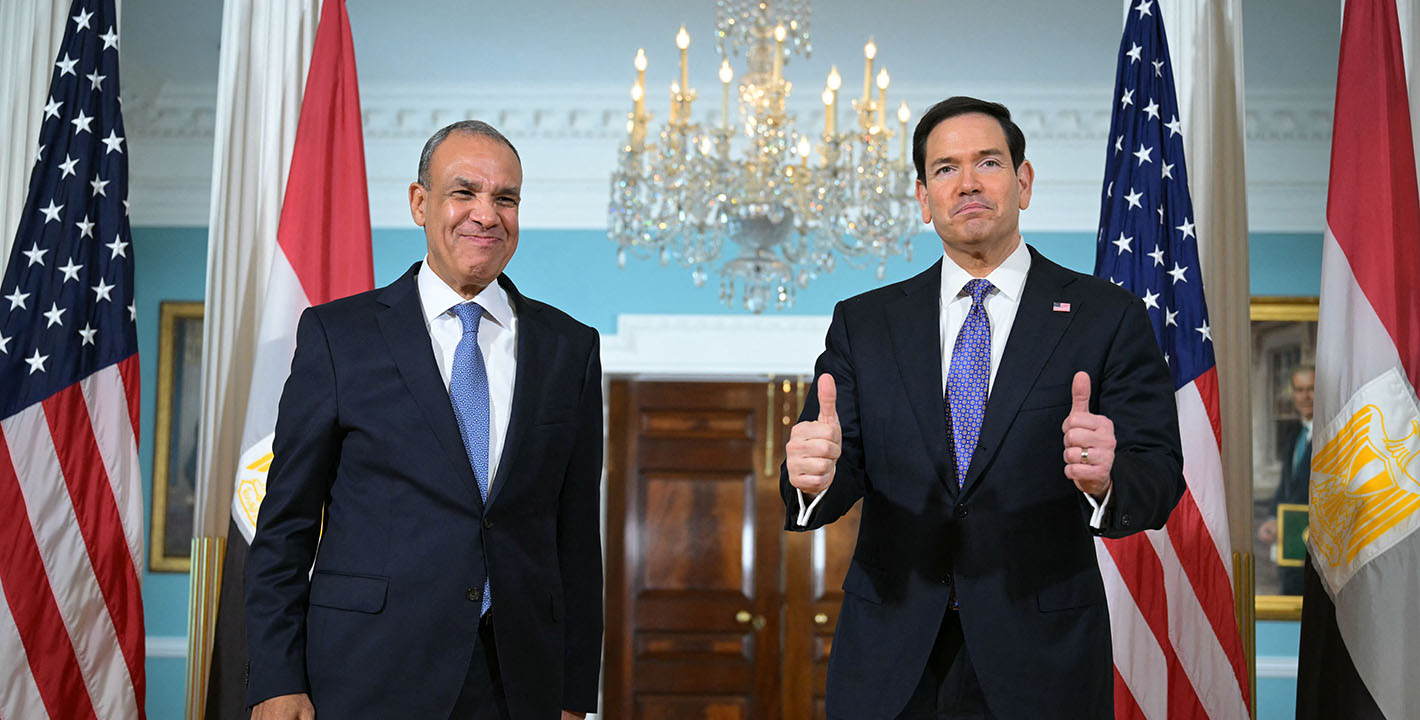
Cairo’s efforts send a message to the United States and the region that it still has a place at the diplomatic table.
Angie Omar