

تعليق
عظيمة تشيما , مهنّد الحاج علي
{
  "authors": [
    "مهنّد الحاج علي"
  ],
  "type": "commentary",
  "blog": "ديوان",
  "centerAffiliationAll": "",
  "centers": [
    "Carnegie Endowment for International Peace",
    "مركز مالكوم كير– كارنيغي للشرق الأوسط"
  ],
  "collections": [
    "ما وراء الحدث"
  ],
  "englishNewsletterAll": "",
  "nonEnglishNewsletterAll": "",
  "primaryCenter": "مركز مالكوم كير– كارنيغي للشرق الأوسط",
  "programAffiliation": "",
  "programs": [],
  "projects": [],
  "regions": [
    "لبنان",
    "إسرائيل"
  ],
  "topics": []
}
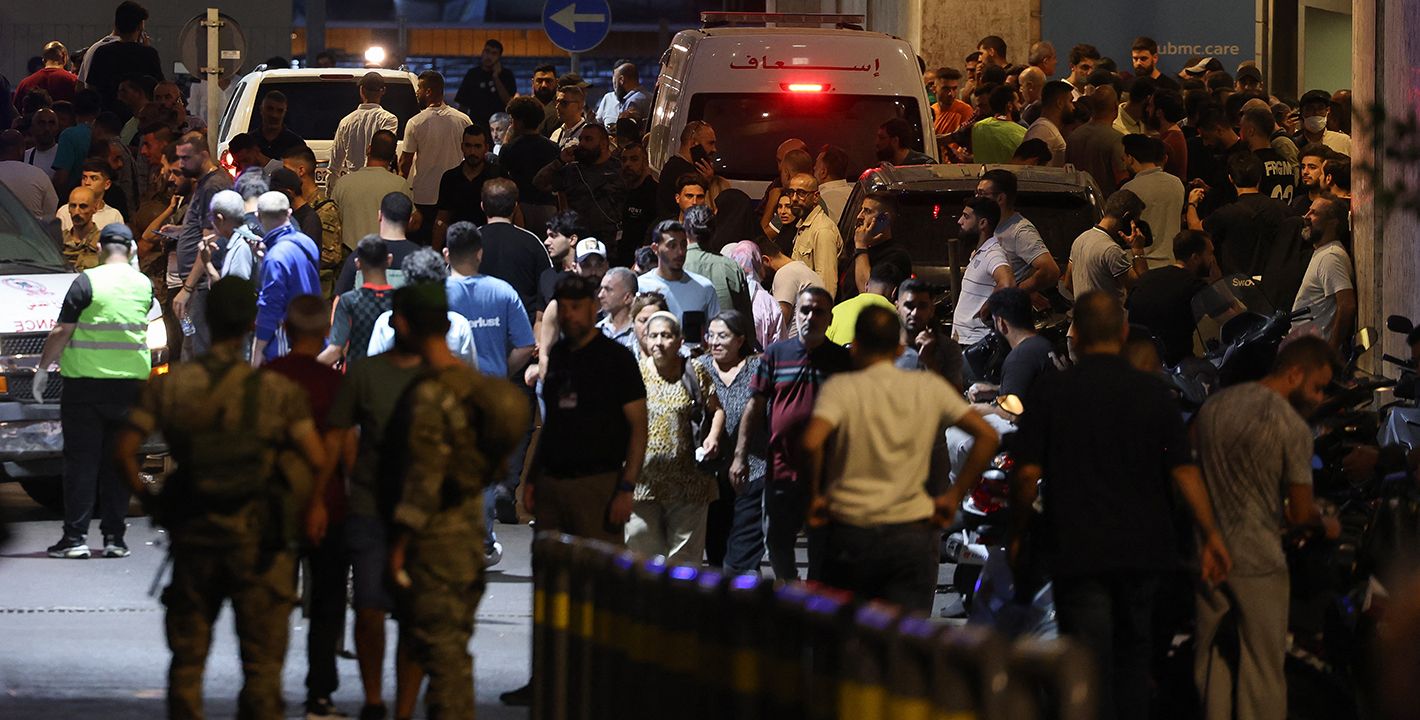
المصدر: Getty
تحليل مقتضب من باحثي كارنيغي حول الأحداث المتعلّقة بالشرق الأوسط وشمال أفريقيا.
قُتِل تسعة أشخاص وجُرِح ما يقرب من 3000 آخرين بعد انفجار الآلاف من أجهزة النداء اللاسلكية المعروفة بـ"البيجر" في شتّى أرجاء لبنان، ما أدّى إلى إغراق المستشفيات بالمصابين. يُشار أيضًا إلى أن الانفجارات وقعت أيضًا في الأراضي السورية. أما المستهدَفون فكانوا في معظمهم أعضاء في حزب الله. وفيما لم يعترف المسؤولون الإسرائيليون بمسؤولية إسرائيل عن هذه العملية، أكّدت وسائل إعلامية مثل نيويورك تايمز ورويترز أن إسرائيل تقف وراء الهجمات. ونقل أحد المصادر عن مسؤول أميركي قوله إن الاستخبارات الإسرائيلية خبّأت كمّيات صغيرة من المتفجّرات في كلّ جهازٍ من أجهزة "البيجر" المصنوعة في تايوان. ومن المفارقات أن حزب الله شدّد على ضرورة استخدام أجهزة اتصال أقلّ تطوّرًا لتجنّب المراقبة الإسرائيلية. يُعَدّ هذا الهجوم العملية الأكثر دمويةً ضدّ حزب الله منذ تأسيسه في العام 1982، ويمثّل خرقًا أمنيًا ضخمًا للحزب.
هذا الهجوم مهمٌّ لسببَين أساسيَّين. السبب الأول يرتبط باحتمال أن يؤدّي إلى إشعال حرب أوسع نطاقًا بين حزب الله وإسرائيل. لقد حاولت إيران والحزب تجنّب نشوب صراع موسّع بأيّ ثمن في الأشهر الأحد عشر الماضية، وذلك جزئيًا بسبب التهديدات الأميركية بالتدخّل في حال اندلاع حرب إقليمية أوسع، ولكن أيضًا لأن رئيس الوزراء الإسرائيلي بنيامين نتنياهو يراهن على ما يبدو على فوز المرشّح الجمهوري للرئاسة الأميركية، دونالد ترامب. فإيران لا تريد ولاية رئاسية أخرى لترامب نظرًا إلى سعيه المتوقّع إلى مكافحة نفوذها في المنطقة، ودعمه غير المشروط لسياسات نتنياهو. واقع الحال أن هذا الهجوم يزيد الضغوط على حزب الله للردّ، نظرًا إلى تأثيره على معنويات الحزب، وسقوط ضحايا من أفراد عائلات قياداتٍ فيه، إذ قُتِل مثلًا نجل علي عمّار، أحد نواب حزب الله في البرلمان منذ زمن طويل.
أما السبب الثاني، فهو أن عدد الضحايا الكبير يُضاف إلى مئات القتلى والجرحى الذين تكبّدهم حزب الله خلال الصراع مع إسرائيل، ما يثير تساؤلاتٍ حول قدرات الحزب العملياتية في المرحلة المقبلة. فبعد أن تفاخر الحزب بتمتّعه بقدراتٍ جديدةٍ زَعمَ أن من شأنها تغيير ميزان القوى وتكبيد إسرائيل ثمنًا باهظًا إذا ما حصل تصعيدٌ عسكري في الجنوب، أثبت هذا الهجوم، ناهيك عن عمليات الاغتيال الكثيرة التي سبقته، تفوّقَ إسرائيل في القدرات التكنولوجية والاستخباراتية.
ومن الوارد أيضًا أن إسرائيل تلقّت المساعدة من حلفائها الغربيين، نظرًا إلى نطاق العملية. وثمّة أمثلة على هذا الدعم في هجمات سابقة ضدّ حزب الله، من بينها العمليات التي نفّذتها وكالة الاستخبارات المركزية الأميركية ضدّه في العقدَين الماضيَين، بما في ذلك اغتيال رئيس الجهاز الأمني للحزب، عماد مغنية، في دمشق في شباط/فبراير 2008 (بالتعاون مع إسرائيل). لكنّ متحدّثًا باسم وزارة الخارجية الأميركية أعلن أن إسرائيل لم تُبلِغ الولايات المتحدة بالعملية الأخيرة.
السؤال الأهمّ بعد الهجوم هو ما إذا كان الصراع الأوسع بين حزب الله وإسرائيل وشيكًا. لكن هذا لم يحدث حتى بعد أن اغتالت إسرائيل أحد كبار القادة العسكريين في حزب الله، فؤاد شكر، في تموز/يوليو الفائت. تُواصِل إسرائيل رفع السقف من أجل زيادة الضغط على حزب الله الذي يبقى مُقيَّدًا برغبته في تجنّب حربٍ شاملة. فالحزب يرى أن هذا السيناريو قد لا يسهّل فقط وصول دونالد ترامب إلى سدّة الرئاسة (بما أن الكثير من الناخبين سيُلقون اللوم على الديمقراطيين لأنهم سمحوا بتوسّع رقعة الحرب في الشرق الأوسط)، بل الأهمّ من ذلك أنه قد يُسفر عن تدمير لبنان المنهار اقتصاديًا أصلًا، وقد يتبعه أيضًا احتلالٌ إسرائيلي طويل الأمد للجنوب.
وثمّة سؤال آخر يُوجَّه إلى حزب الله وهو في صدد دراسة خياراته، ويتناول قدراته العملياتية. هل يستطيع الحزب خوض صراع شامل مع إسرائيل بعد إصابة الآلاف من عناصره، وفي ظلّ عدد القتلى المرتفع في صفوف قياداته؟ الإجابة الأكثر منطقية هي أن الحزب سيستمرّ في محاولة تجنّب هكذا صراع نظرًا إلى تراجع قدراته. لكن التأثير على معنويات الحزب، والكلفة العالية الناجمة عن الإبقاء على سياسة تجنُّب الحرب، سيظلّان يشكّلان تحدّيًا هائلًا لحزب الله في إطار مواجهته مع إسرائيل.
أما على الجانب الإسرائيلي، فالهجوم يمثّل فرصة نظرًا إلى ارتفاع حصيلة المصابين في صفوف حزب الله. هل سيتبعه تصعيدٌ عسكري أوسع نطاقًا؟ يتيح الوضع اليوم على الأرجح فرصةً أمام إسرائيل لتوجيه ضربة قوية إلى حزب الله، وربما تنفيذ تهديدها بشنّ عملية برّية واسعة لإقامة منطقة عازلة في جنوب لبنان بهدف حماية شمال إسرائيل. لكن الحجّة التي تبرّر هكذا عملية لا تقلّ أهمية. لذا، تنتظر إسرائيل بعد هجومها هذا ردًّا عنيفًا من حزب الله يبرّر لها إشعال صراعٍ أوسع نطاقًا. لكن الحزب لا يزال حتى الآن يتلقّى اللكمات رافضًا ردّها بما يتجاوز حدًّا معيّنًا.

نائب مديرة المركز لشؤون الأبحاث, مركز مالكوم كير– كارنيغي للشرق الأوسط
مهنّد الحاج علي نائب مديرة المركز لشؤون الأبحاث في مركز مالكوم كير– كارنيغي للشرق الأوسط في بيروت.
الأعمال الحديثة
عظيمة تشيما , مهنّد الحاج علي
مهنّد الحاج علي

يناقش إيان لاستيك وإلاي كليفتون، في مقابلة معهما، كتابهما الجديد حول أسباب تمتُّع حليفٍ بارز بهذا القدر من النفوذ في الولايات المتحدة.

مايكل يونغ
تتقاطع استحقاقات مفصلية في أُفق المنطقة والعالم تخصّ إسرائيل وفلسطين والولايات المتحدة.

مروان المعشّر
من غير المرجّح أن تُحدث الانتخابات الإسرائيلية المقبلة تغييرًا يُذكر في نظرة الدولة العبرية إلى أمنها.

ناثان ج. براون
يحلّل صهيب جوهر، في مقابلةٍ معه، التحوّلات العميقة التي طرأت على الروابط بين البلدَين الجارَين.
مايكل يونغ
يكمن جوهر الخلل الذي يعتري لبنان في عجزه عن تحقيق المساءلة والشرعية المؤسساتية.

مهى يحيَ