

{
  "authors": [
    "Michael D. Swaine",
    "Peter Brookes",
    "Alan Romberg",
    "Randall Schriver",
    "Douglas H. Paal"
  ],
  "type": "event",
  "centerAffiliationAll": "dc",
  "centers": [
    "Carnegie Endowment for International Peace"
  ],
  "collections": [],
  "englishNewsletterAll": "asia",
  "nonEnglishNewsletterAll": "",
  "primaryCenter": "Carnegie Endowment for International Peace",
  "programAffiliation": "AP",
  "programs": [
    "Asia"
  ],
  "projects": [],
  "regions": [
    "North America",
    "United States",
    "East Asia",
    "China",
    "Taiwan"
  ],
  "topics": [
    "Security",
    "Military",
    "Foreign Policy"
  ]
}
U.S. Policy Toward Taiwan, Time for Change?
Wed, March 26th, 2008
Washington, D.C.
Ma Ying-jeou’s landslide victory in Taiwan’s 2008 presidential elections and the veto-proof majority won by the Kuomintang (KMT) signal a shift in Taiwanese politics and an opportunity for better cross-strait relations. The United States must craft Taiwan policy with the ultimate goal of preserving peace and stability in the region.
Ma has promised to deepen Taiwan’s economic integration with mainland China and his campaign platform indicates that he is fundamentally committed to a more stable and sustainable situation across the Taiwan strait, but Beijing’s response remains ambiguous and its future behavior difficult to predict, particularly given recent unrest in Tibet and anxiety about the August 2008 Olympics.
Michael Swaine moderated the eighth of Carnegie’s China debates on the outlook for cross-strait relations under Ma and whether and how U.S. Taiwan policy should be revised.
Participants included Douglas Paal, former director of the American Institute in Taiwan and vice president for studies at the Carnegie Endowment; Peter Brookes, commissioner of the U.S.-China Economic and Security Review Commission; Alan Romberg, director of the East Asia program at the Henry L. Stimson Center; and Randy Schriver, founding partner at Armitage International.
A Strategic Opportunity
Capitalizing on the opportunity presented by Ma’s election will require responsible behavior guided by a clear understanding of long-term objectives from the PRC, Taiwan, and the United States. Beijing should reach out to the Ma administration so as not to undercut political support in Taiwan for better cross-strait interaction. Participants noted that there are a variety of low-cost symbolic ways for China to do this – allowing Taiwan observer status at the World Health Assembly in May 2008, for example.
Determining U.S. Interests
The United States needs to evaluate what its objectives are vis-à-vis Taiwan. Paal argued that preserving stability is the chief objective of the United States and all aspects of Taiwan policy (arms sales in particular) must be judged against that metric.
Even if all sides behave rationally, the situation remains delicate. Alan Romberg noted “the Taiwan issue remains the only issue in the world on which one could find eventual great power conflict,” and Paal concurred, saying that “Taiwan has been the one issue that could bring the U.S. and China into conflict and basically ruin the 21st century.”
Maintaining the Status Quo
Participants affirmed that the United States must oppose efforts by either Taiwan or the PRC to unilaterally alter the status quo – and that the U.S. should avoid surprising either side with sudden policy changes of its own – but disagreed on the definition of the status quo, or if it was even necessary to define it.
The ambiguity of the “one China” policy has allowed Taiwan’s democracy and economy to mature while preventing serious conflict with the mainland, and though it is not ideal in the long term, the status quo maintains stability while conditions on both sides of the strait evolve to a point where peaceful resolution becomes possible.
Carnegie does not take institutional positions on public policy issues; the views represented herein are those of the author(s) and do not necessarily reflect the views of Carnegie, its staff, or its trustees.
Event Speakers
Former Senior Fellow, Asia Program
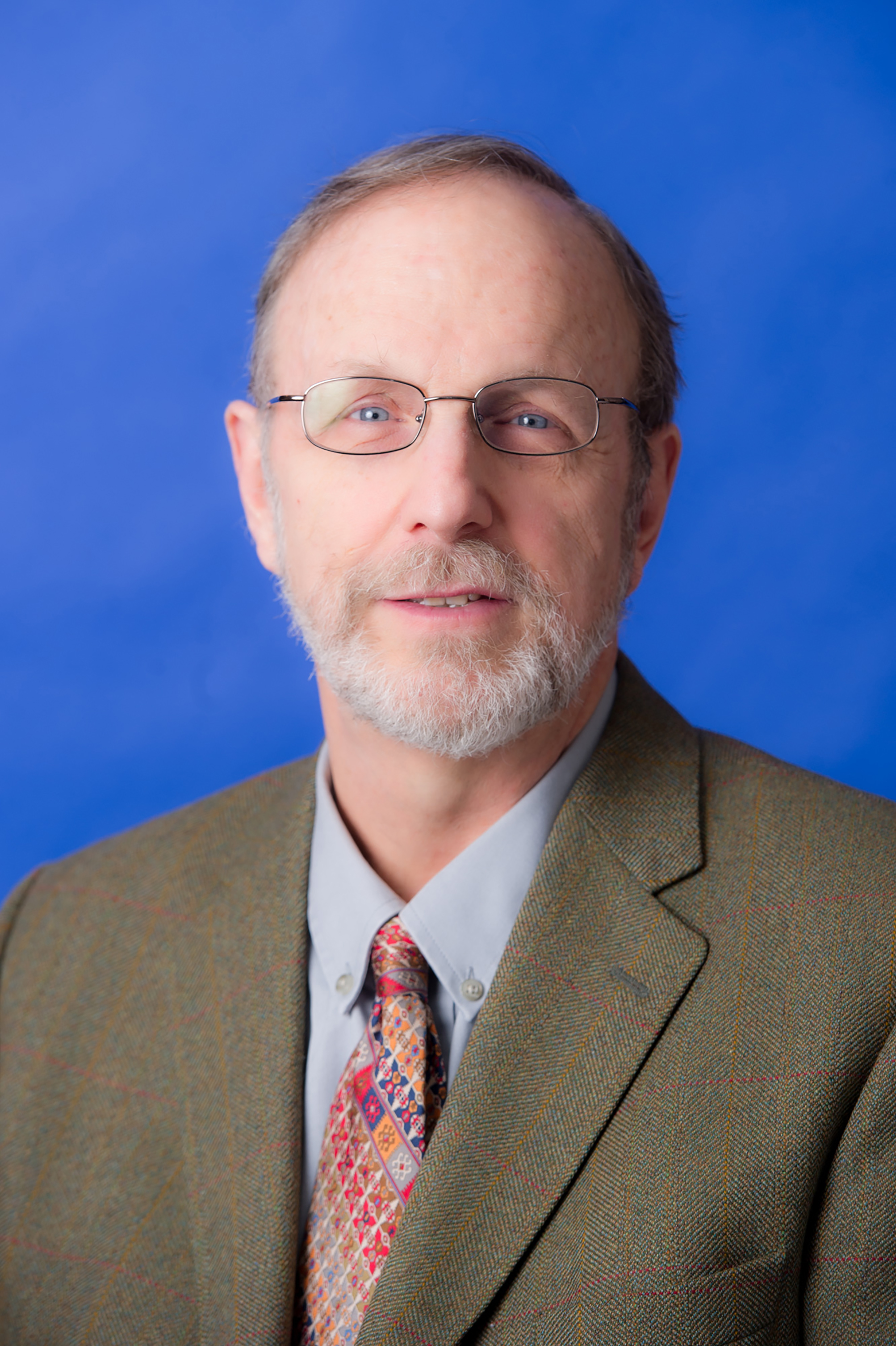
Swaine was a senior fellow at the Carnegie Endowment for International Peace and one of the most prominent American analysts in Chinese security studies.
Peter Brookes
Alan Romberg
Alan Romberg is distinguished fellow and the director of the East Asia program at the Stimson Center. Before joining Stimson he served for 27 years in the U.S. Department of State, with over 20 years as a Foreign Service officer.
Randall Schriver
Distinguished Fellow, Asia Program

Paal previously served as vice chairman of JPMorgan Chase International and as unofficial U.S. representative to Taiwan as director of the American Institute in Taiwan.