

Report
- +2
George Perkovich, Jessica Tuchman Mathews, Joseph Cirincione, …
{
  "authors": [
    "Joseph Cirincione"
  ],
  "type": "legacyinthemedia",
  "centerAffiliationAll": "dc",
  "centers": [
    "Carnegie Endowment for International Peace"
  ],
  "collections": [],
  "englishNewsletterAll": "ctw",
  "nonEnglishNewsletterAll": "",
  "primaryCenter": "Carnegie Endowment for International Peace",
  "programAffiliation": "NPP",
  "programs": [
    "Nuclear Policy"
  ],
  "projects": [],
  "regions": [
    "China"
  ],
  "topics": [
    "Military",
    "Nuclear Policy",
    "Nuclear Energy"
  ]
}
REQUIRED IMAGE
Source: Carnegie
Reprinted with permission from The Globalist (www.theglobalist.com), September 13, 2000.
The U.S. government appears likely to drop most of its charges against Wen Ho Lee, the Chinese-born physicist accused of breeching U.S. national security while employed at the Los Alamos weapons laboratory in New Mexico. Before the case fades into the background, Joseph Cirincione, director of the Non-Proliferation Project at Washington's Carnegie Endowment for International Peace, presents a list of ten of the most questionable statements directed against Dr. Lee.
A year and a half after congressional and media charges of nuclear espionage, it now looks as if Dr. Lee, will go home a free man. For more than a year, stories in the New York Times and the investigation of the congressional committee chaired by Rep. Christopher Cox claimed that Dr. Lee had seriously compromised U.S. national security while employed as a physicist at the Los Alamos National Laboratory, the birthplace of the first atomic bombs.
Charged with 59 felony counts for breeching national security, Dr. Lee faced life in prison. Now, the U.S. government appears ready to drop all but one count.
The New York Times and the Cox Committee both pummeled the Clinton Administration for failing to take the allegations seriously and make arrests. Both relied heavily on the now discredited testimony of Notra Trulock, a former intelligence official at the U.S. Department of Energy, which oversees the Los Alamos laboratory. On September 11, the Times finally revealed what many people have come to believe: that Trulock "improperly focused the investigation … on Dr. Lee … out of a racist view that Dr. Lee was more inclined to spy for China because of his ancestry."
A scandal is born
The New York Times launched the scandal in a story on March 6, 1999, that claimed, "Working with nuclear secrets stolen from a U.S. government laboratory, China has made a leap in the development of nuclear weapons: the miniaturization of its bombs ... government investigators had identified a suspect, an American scientist at Los Alamos laboratory."
Don't believe the hype
The Times, reporting on Dr. Lee's original bail hearing December 1999, said government officials believed Dr. Lee, "jeopardized virtually every nuclear warhead in the American arsenal through unauthorized computer transfers of many of the country's most sensitive nuclear secrets."
Many others piled on the hyperbole, burying the voices of those in and out of government who had tried to keep some perspective on the allegations. While the stories of alleged Chinese nuclear espionage ran for months, Dr. Lee's release is likely to fade rather quickly as front page news.
Before it does, we culled from our files ten of the most outrageous statements directed against Dr. Lee:
1."These codes and their associated data bases and the input file, combined with someone that knew how to use them, could, in my opinion, in the wrong hands, change the global strategic balance." (Dr. Stephen Younger, Associate Director for Nuclear Weapons at Los Alamos, in testimony at Wen Ho Lee's bail hearing, December 13, 1999)
2."They enable the possessor to design the only objects that could result in the military defeat of America's conventional forces ... They represent the gravest possible security risk to ... the supreme national interest." (Stephen Younger, testimony, December 13, 1999)
3."Pat Buchanan calls Wen Ho Lee the epicenter of the most dangerous penetration of America's nuclear labs 'since the Rosenbergs went to the electric chair in 1953.'" (Cited in Bill Mesler, The Nation, August 9, 1999).
4."Senator Don Nickles says that Lee ... was responsible for the 'most serious case of espionage' in U.S. history." (Cited in Bill Mesler, The Nation, August 9, 1999).
5."The stolen U.S. secrets have helped the PRC fabricate and successfully test modern strategic thermonuclear weapons." ("U.S. National Security and Military/Commercial Concerns with the People's Republic of China" known as "The Cox Report," Vol. 1, pg. 60)
6."The stolen information includes classified information on seven U.S. thermonuclear warheads ... The stolen U.S. nuclear secrets give the PRC design information on thermonuclear weapons on a par with our own" ("The Cox Report," Overview, pg. i, ii)
7."A scientist suspected of spying for China improperly transferred huge amounts of secret data from a computer system at a government laboratory, compromising virtually every nuclear weapon in the United States arsenal, government and lab officials say." (Cited in James Risen and Jeff Garth, New York Times, April 27, 1999)
8."During President Clinton's watch, America's most vital nuclear secrets — guarded intensely for five decades — have been allowed to spill out all over the world.... We are now informed by The New York Times's Pulitzer-Prize-winning investigative team that the codes — "legacy codes," as they are known at Los Alamos — were allegedly downloaded by Wen Ho Lee in 1994. Our nuclear genie is out of the bottle...." (William Safire, New York Times, April 29, 1999)
9."Denouncing the "hemorrhaging" of bomb secrets to foreigners, Senator Richard C. Shelby, Republican of Alabama, stood in front of the 10-foot high metal fence at the laboratory's main gate and said, "I would put a tourniquet on it.'" (Cited in James Brooke, New York Times, April 13, 1999)
10."This may be the most serious breach in an espionage case since the Aldrich Ames case." (U.S. Senator Orrin Hatch, Fox News Sunday, May 2, 1999) September 12, 2000
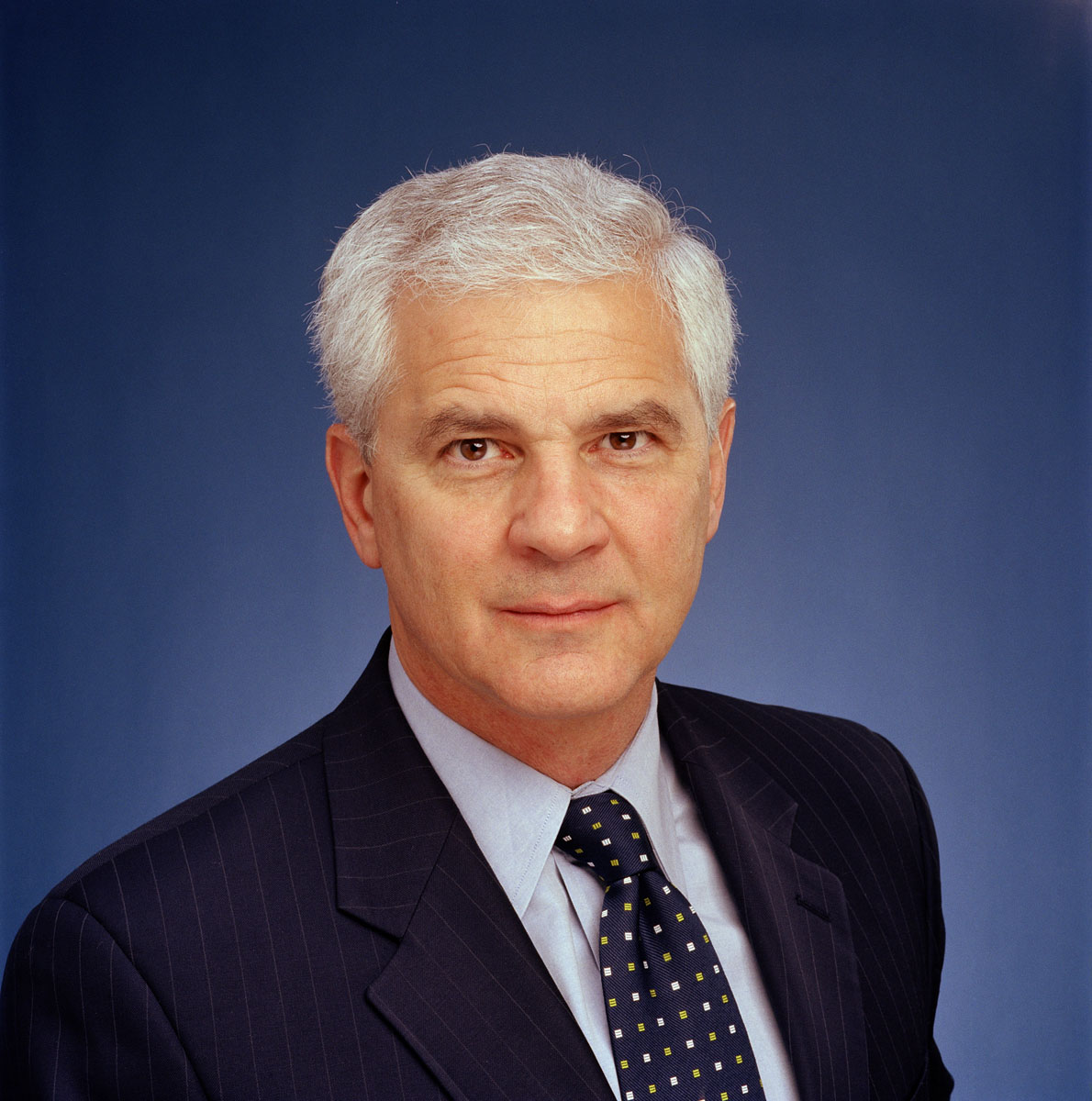
Former Senior Associate, Director for NonProliferation
Recent Work


George Perkovich, Jessica Tuchman Mathews, Joseph Cirincione, …
Joseph Cirincione
Carnegie does not take institutional positions on public policy issues; the views represented herein are those of the author(s) and do not necessarily reflect the views of Carnegie, its staff, or its trustees.

Huawei pushed hard to enter the Egyptian data centers market, until the Americans made a better offer.

Angie Omar

The armed forces champion a form of capitalism that is generating revenue, but its reliance on rent faces diminishing returns, leaving the country with massive sunk costs and deferred returns, deepening dependency on external borrowing.

Yezid Sayigh
In an interview, Marc Lynch discusses his new book decrying the post-1990 U.S.-dominated order in the Middle East.

Michael Young
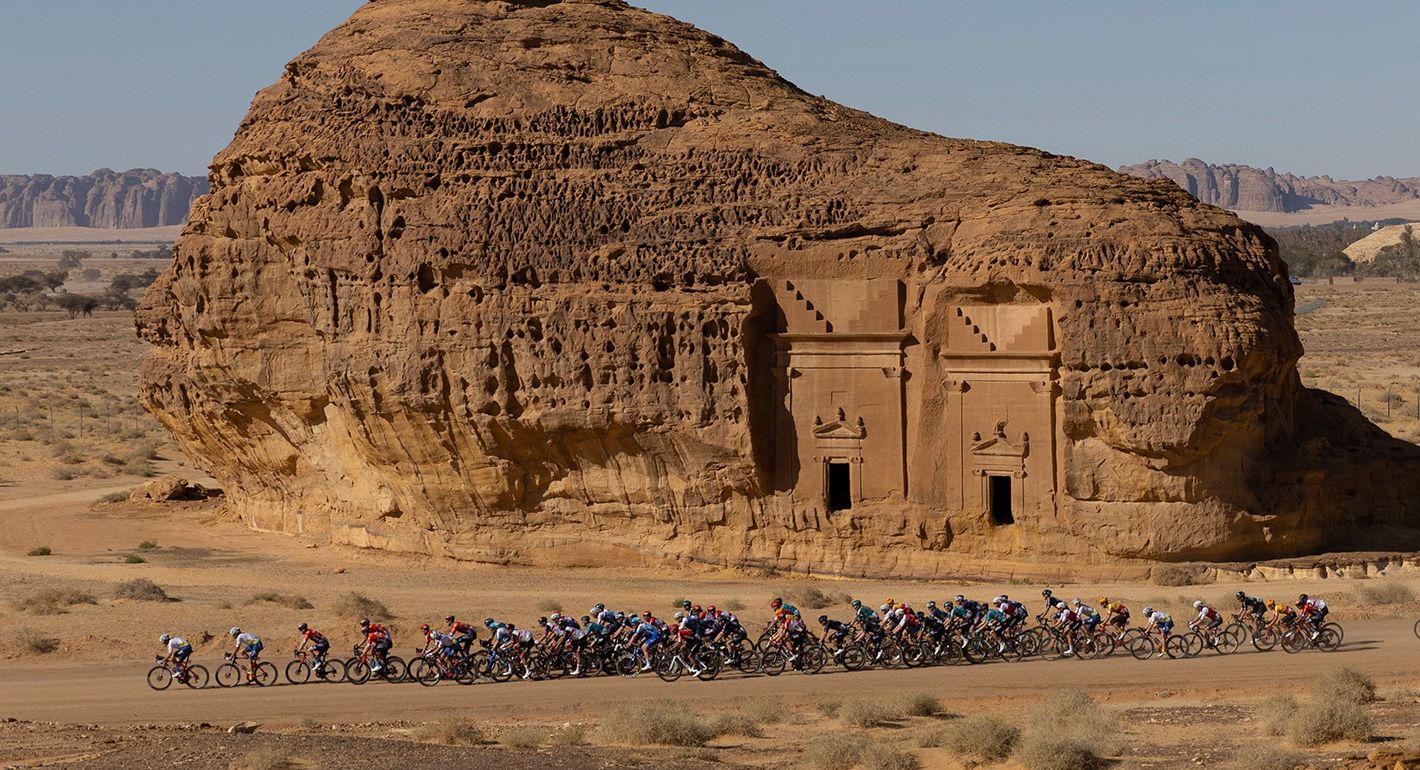
China has aligned its cooperation model with Saudi Arabia’s own priorities, most notably since the kingdom unveiled its Vision 2030. Although China announced the Belt and Road Initiative in 2013, the big push in relations happened only after the ascendance of King Salman to the throne in 2015 and Riyadh’s push for Beijing to meet Saudi needs.
Hesham Alghannam
Gulf states such as Saudi Arabia and the UAE have determined that their national security goes beyond their physical borders. It is just as important to shield their airspace, territorial waters, and even maritime trade routes.
Abdullah Baabood