

Other
Fiona Hill, Anatol Lieven, Thomas de Waal
{
  "authors": [
    "Anatol Lieven"
  ],
  "type": "legacyinthemedia",
  "centerAffiliationAll": "dc",
  "centers": [
    "Carnegie Endowment for International Peace"
  ],
  "collections": [],
  "englishNewsletterAll": "ctw",
  "nonEnglishNewsletterAll": "",
  "primaryCenter": "Carnegie Endowment for International Peace",
  "programAffiliation": "russia",
  "programs": [
    "Russia and Eurasia"
  ],
  "projects": [],
  "regions": [
    "South Asia",
    "Pakistan"
  ],
  "topics": [
    "Political Reform",
    "Security"
  ]
}
REQUIRED IMAGE
Source: Carnegie
Originally published in Financial Times,
October 07, 2002
Astriking apathy has afflicted Pakistanis as the country prepares for Thursday's
elections. General Pervez Musharraf, the country's military ruler, will remain
in overall control whatever happens, whether as a result of helping certain
parties to win or by arranging deals with others after the vote. The outcome
will probably be greeted with resignation by most of the population.
The lack of mass engagement in these elections has two main causes. The first is the deliberate strategy of the military-led administration to reduce the influence of the main political parties by exiling their leaders and restricting their ability to campaign. That reflects Gen Musharraf's interest in remaining president and his open contempt for most politicians.
The other reason is that this contempt seems to be shared by most ordinary Pakistanis. The democratically elected governments of Benazir Bhutto and Nawaz Sharif in the 1990s were marred not only by gross corruption but also by abuse of power.
Nor are these recurring patterns only the result of individual personalities. Arbitrary behaviour, contempt for law and obsession with short-term personal and group advantage permeate Pakistani society and are inevitably reflected in Pakistani democracy.
The Pakistani army has often acted to undermine democracy. Yet the armed forces are the only effective modern institution that Pakistan possesses. Their power and influence, therefore, is to some extent natural.
The present depoliticisation of the electorate is not unique to Pakistan.
But the challenges to the Musharraf administration, and the Pakistani state itself, are a great deal more formidable than those to most regimes around the world: from India, from Islamist extremists and terrorists, and from an obstinately stagnant economy weakened further by military expenditures.
The Islamist and terrorist threats should not be exaggerated so far as the short term is concerned. The new alliance of religious parties is expected to improve on the 5 per cent or so of the vote its members have gained in recent elections - but not massively and only in certain parts of the country. As for the terrorists, their atrocities pose as yet no threat to the survival of the Pakistani state.
In the longer run, however, terrorism could certainly damage Pakistan, by worsening the already monstrous obstacles to economic development. Pakistan risks being caught between the three claws of a rising population, a growing ecological crisis and continuing tension with India which makes reductions in the military budget impossible. And if Pakistan enters a period of steep decline, the radical Islamists will be in a position to fill the gap left by the collapse of the traditional parties.
What are Gen Musharraf's chances of saving Pakistan from this road to ruin? An end to tension with India seems ruled out at present by intransigence on both sides. At home, his administration has conducted sensible economic measures, and achieved a small reduction in Pakistan's debt.
When he took power, Gen Musharraf often referred to Ataturk's Turkey as his model. He then dropped this line. However, he still wants to imitate one aspect of the Turkish system, which is the way in which the Turkish military acts as the ultimate custodian of national interests without engaging in repeated military coups. This new relationship is supposed to be institutionalised in a new National Security Council embracing the chiefs of the military and the top elected figures.
Ideally, this body should help avoid the disastrous seesaw between irresponsible civilian rule and military dictatorship that has been the case in the past. The military will in any case be central to the Pakistani state for the foreseeable future. Any hope of banishing it from politics is therefore empty and the only sensible course is to formalise and regulate its influence.
Unfortunately, however, factors on both sides make the development of a stable civil-military relationship very difficult. The politicians tend to intrigue with the military when in opposition, then try vainly to reduce its power when in office. The military for its part has become not only a kind of political party of its own but also a business giant which has swallowed much of the economy. The defence of these interests requires a continual active engagement in politics.
As for Gen Musharraf, he is no bloodstained dictator, but in many ways a mild, honourable, patriotic and progressive figure. But he is no more immune than any other leader to the malign patterns of Pakistani political culture; and in the past at least these have always pointed, not towards the creations of rules and institutions, but towards increasingly personal and arbitrary power.
The writer is a senior associate at the Carnegie Endowment for International
Peace in Washington DC
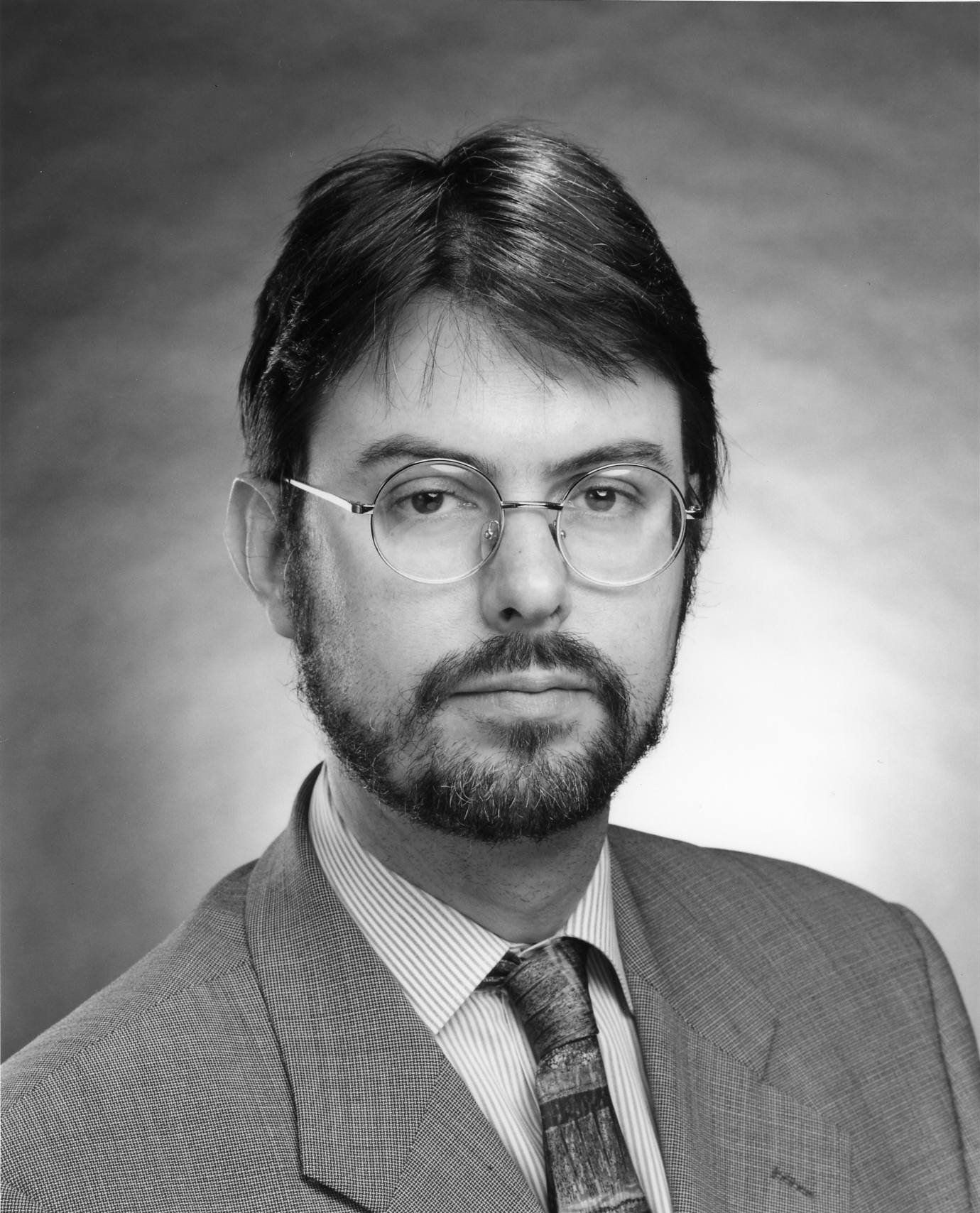
Former Senior Associate
Recent Work

Fiona Hill, Anatol Lieven, Thomas de Waal
Carnegie does not take institutional positions on public policy issues; the views represented herein are those of the author(s) and do not necessarily reflect the views of Carnegie, its staff, or its trustees.

Just look at Iraq in 1991.

Marwan Muasher

Baku may allow radical nationalists to publicly discuss “reunification” with Azeri Iranians, but the president and key officials prefer not to comment publicly on the protests in Iran.

Bashir Kitachaev
In addressing Hezbollah’s disarmament, the Lebanese state must start by increasing its own leverage.

Michael Young
The country’s political and military establishment is still debating how to interpret the recent war’s outcome.
Nicole Grajewski
Spot analysis from Carnegie scholars on events relating to the Middle East and North Africa.

Mohanad Hage Ali