

Report
- +1
Dr. Demetrios Papademetriou, Mr. John Audley, Ms. Sandra Polaski, …
{
  "authors": [
    "John Audley"
  ],
  "type": "legacyinthemedia",
  "centerAffiliationAll": "",
  "centers": [
    "Carnegie Endowment for International Peace"
  ],
  "collections": [],
  "englishNewsletterAll": "",
  "nonEnglishNewsletterAll": "",
  "primaryCenter": "Carnegie Endowment for International Peace",
  "programAffiliation": "",
  "programs": [],
  "projects": [],
  "regions": [
    "North America"
  ],
  "topics": [
    "Economy",
    "Trade",
    "Climate Change"
  ]
}
REQUIRED IMAGE
Source: Carnegie
ISSUE BRIEF
TRADE, EQUITY, AND DEVELOPMENT PROJECT
February 2003
Opportunities and Challenges to Advance Environmental Protection in the U.S.-Central American Free Trade Negotiations
By John Audley
Full text in English (PDF format)
Full text in English (HTML format)
Full text in Spanish (PDF format)
Summary
The U.S. Congress has instructed the administration to treat environmental issues as a key objective in trade negotiations, and this challenge will be formidable in newly launched talks with Central American governments. Audley offers guidelines for the U.S. - Central American Free Trade Agreement (CAFTA) that will result in a trade regime that promotes environmental protections, strengthens rule of law, and encourages good governance in the region. Steps to achieve this ambitious agenda include building on environmental protection efforts already underway; creating trade-related incentives, such as promotion of green product exports; and including good governance provisions: dispute settlement proceedings, environmental reviews, and participation and transparency measures.
About the Author
John Audley is a senior associate at the Carnegie Endowment for International Peace, where he directs the Trade, Equity, and Development Project. Before joining the Endowment in April 2001, he was the trade policy coordinator at the U.S. Environmental Protection Agency, where he was responsible for developing and presenting EPA positions on U.S. trade policy.
Also Read on CAFTA: Sandra Polaski's "Central America and the U.S. Face Challenge-and Chance for Historic Breakthrough-on Workers' Rights"
Former Senior Associate
Recent Work

Dr. Demetrios Papademetriou, Mr. John Audley, Ms. Sandra Polaski, …

Mr. John Audley, George Perkovich, Ms. Sandra Polaski, …
Carnegie does not take institutional positions on public policy issues; the views represented herein are those of the author(s) and do not necessarily reflect the views of Carnegie, its staff, or its trustees.

The armed forces champion a form of capitalism that is generating revenue, but its reliance on rent faces diminishing returns, leaving the country with massive sunk costs and deferred returns, deepening dependency on external borrowing.

Yezid Sayigh

Morocco and Algeria, each in its own way, are having to navigate the global economic fallout of the U.S.-Israeli military campaign against Iran.

Yasmine Zarhloule
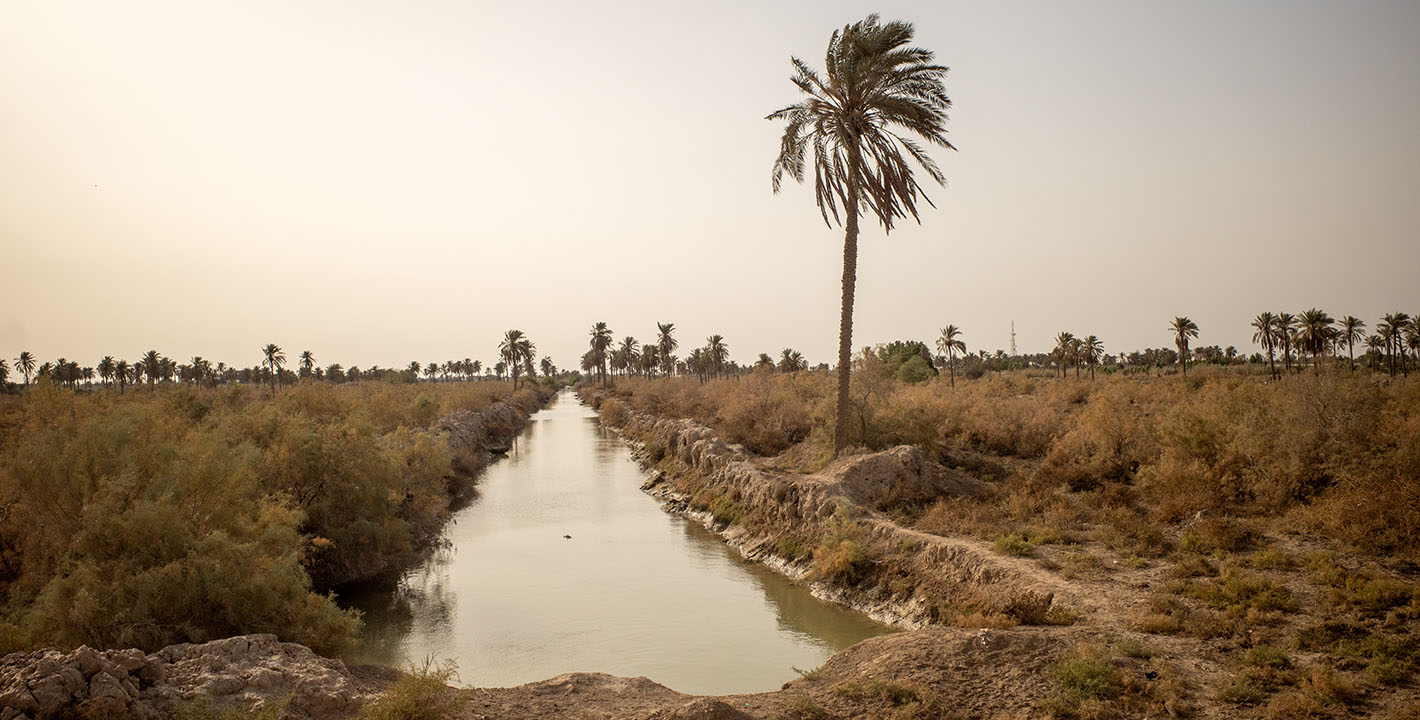
Across the Middle East and North Africa, climate stress interacts with economic fragility, governance failures, social marginalization, and conflict.

Camille Ammoun
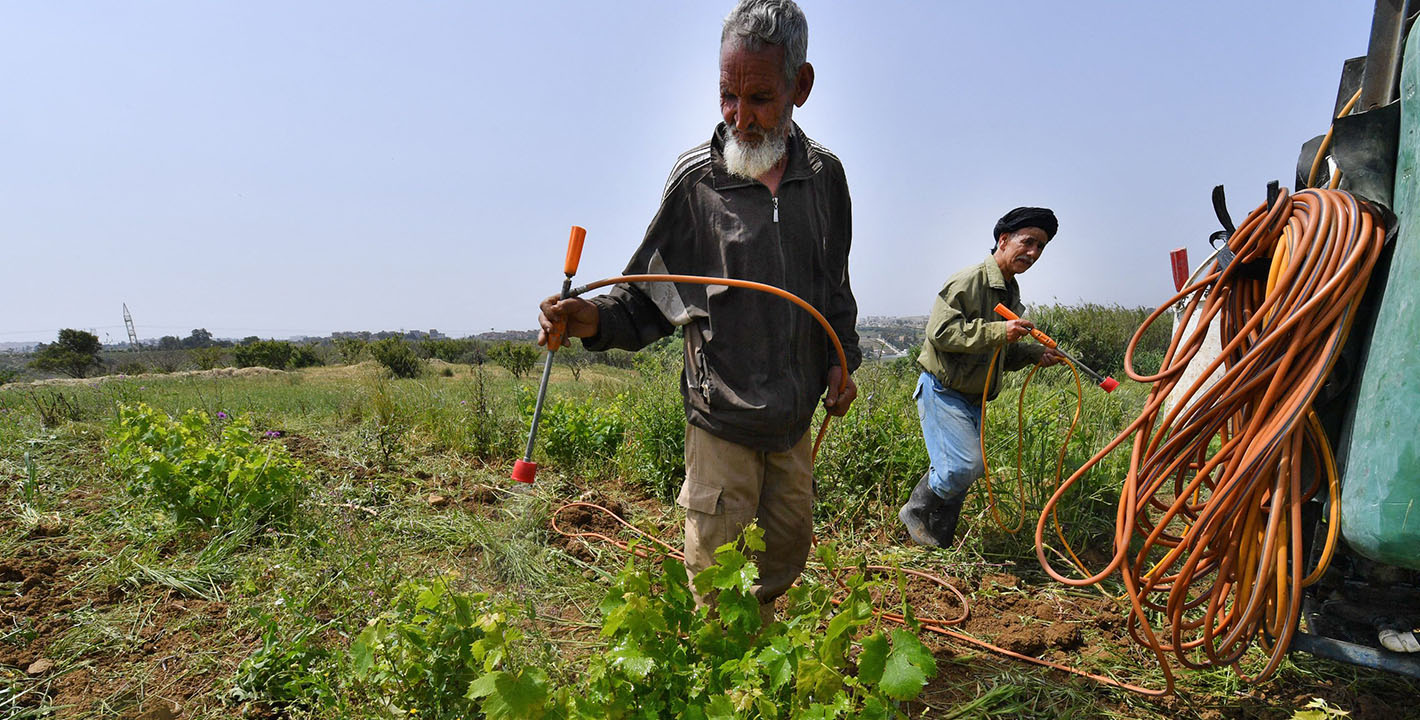
Understanding how farmers in the Oued Sahel-Soummam Valley grapple with climate change is essential for addressing the paradoxes through which adaptation, operating at both individual and institutional levels, deepens the region’s vulnerability and erodes the social fabric and agrarian identity that once defined life.

Ilyssa Yahmi
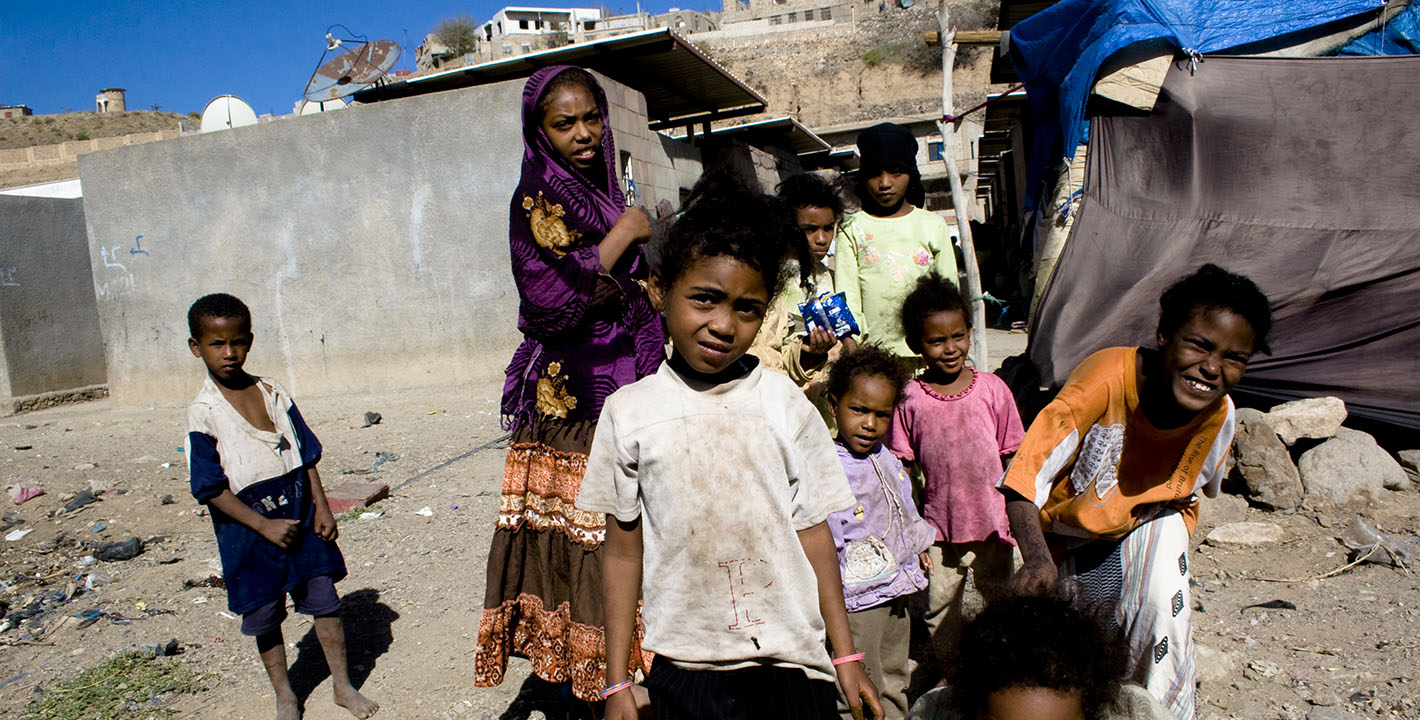
The community already suffers social discrimination, so addressing inequalities requires sustained interventions.
Musaed Aklan , Mohammad Al-Saidi