

Report
- +1
Dr. Demetrios Papademetriou, Mr. John Audley, Ms. Sandra Polaski, …
{
  "authors": [
    "Scott Vaughan"
  ],
  "type": "other",
  "centerAffiliationAll": "",
  "centers": [
    "Carnegie Endowment for International Peace"
  ],
  "collections": [],
  "englishNewsletterAll": "",
  "nonEnglishNewsletterAll": "",
  "primaryCenter": "Carnegie Endowment for International Peace",
  "programAffiliation": "",
  "programs": [],
  "projects": [],
  "regions": [],
  "topics": [
    "Economy",
    "Trade",
    "Climate Change"
  ]
}
REQUIRED IMAGE
Source: Carnegie
For the World Trade Organization (WTO), the most important development in a decade related to trade-environment linkages is the agreement to liberalize commerce in environmental goods and services. If properly executed, the agreement will increase the availability of "green" goods in global markets and break the North-South deadlock that has paralyzed discussion on the trade regime governing such goods.
However, WTO members appear to be limiting negotiations to capital-intensive environmental technologies and engineering services, for which developed countries enjoy a comparative advantage. These goods account for the largest part of the $525 billion spent annually on the environmental sector worldwide. However, they are neither the sole nor most visible part of environmental markets. Green consumer goods - from energy-efficient lighting to recycled products - together with resource-based products, including organic produce and sustainable forest and fisheries products, need to come within the purview of WTO negotiations.
Click on link above for full text of this TED Policy Brief.
A limited number of print copies are available.
Request a copy
About the Author
Scott Vaughan is visiting scholar with the Carnegie Endowment. He previously held positions with the North American Commission for Environmental Cooperation, the World Trade Organization, the United Nations Environment Program, the Royal Bank Financial Group (Canada), and the Canadian federal minister of the environment.
The Trade, Equity, and Development (TED) Series is part of an effort by Carnegie's Trade, Equity, and Development Project to broaden the debate surrounding trade liberalization to include perspectives not normally present in the Washington policy community.
Also in the TED series:
Controlling Corruption: A Key to Development-Oriented Trade, Peter Eigen
Environment's New Role in U.S. Trade Policy, John Audley
Reforming Global Trade in Agriculture: A Developing-Country Perspective, Shishir Priyadarshi
Doha: Is It Really a Development Round?, Kamal Malhotra
Former Visiting Scholar
Recent Work

Dr. Demetrios Papademetriou, Mr. John Audley, Ms. Sandra Polaski, …

Mr. John Audley, George Perkovich, Ms. Sandra Polaski, …
Carnegie does not take institutional positions on public policy issues; the views represented herein are those of the author(s) and do not necessarily reflect the views of Carnegie, its staff, or its trustees.

The armed forces champion a form of capitalism that is generating revenue, but its reliance on rent faces diminishing returns, leaving the country with massive sunk costs and deferred returns, deepening dependency on external borrowing.

Yezid Sayigh

Morocco and Algeria, each in its own way, are having to navigate the global economic fallout of the U.S.-Israeli military campaign against Iran.

Yasmine Zarhloule
Across the Middle East and North Africa, climate stress interacts with economic fragility, governance failures, social marginalization, and conflict.
Camille Ammoun
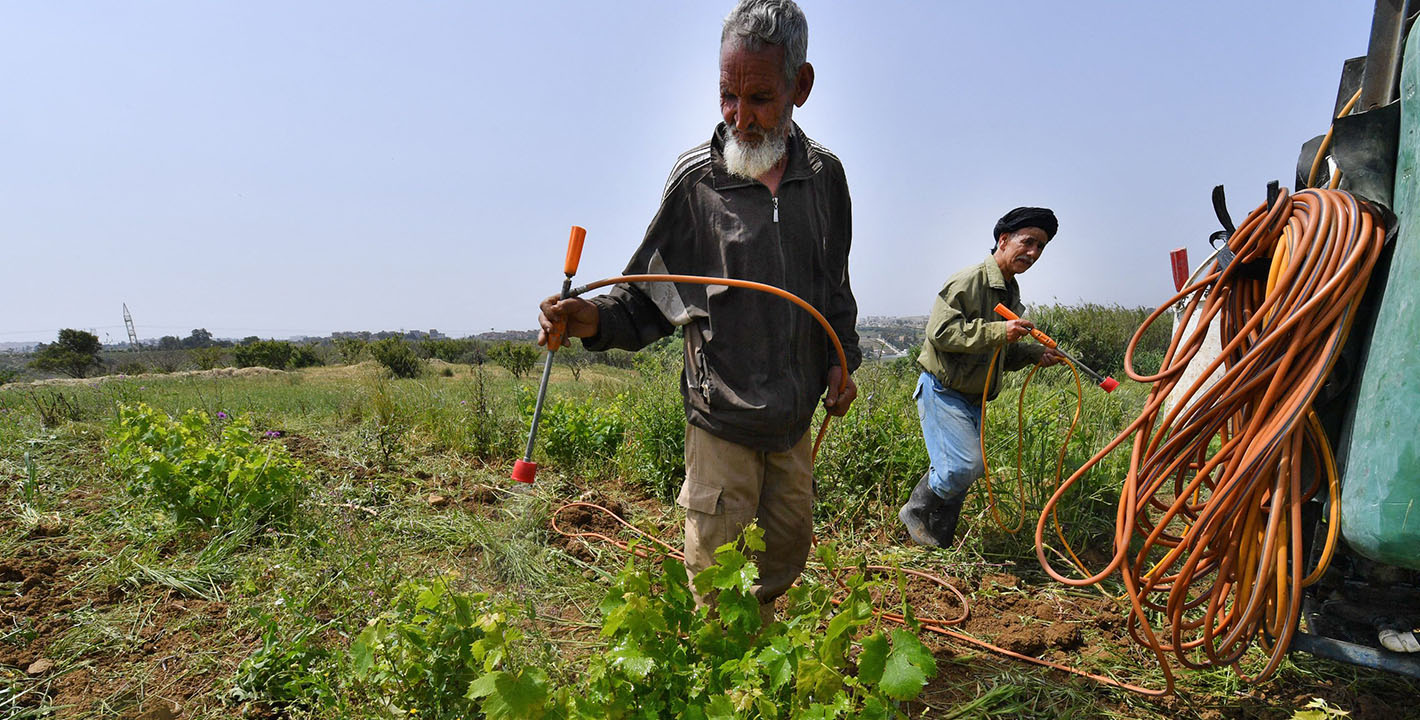
Understanding how farmers in the Oued Sahel-Soummam Valley grapple with climate change is essential for addressing the paradoxes through which adaptation, operating at both individual and institutional levels, deepens the region’s vulnerability and erodes the social fabric and agrarian identity that once defined life.

Ilyssa Yahmi
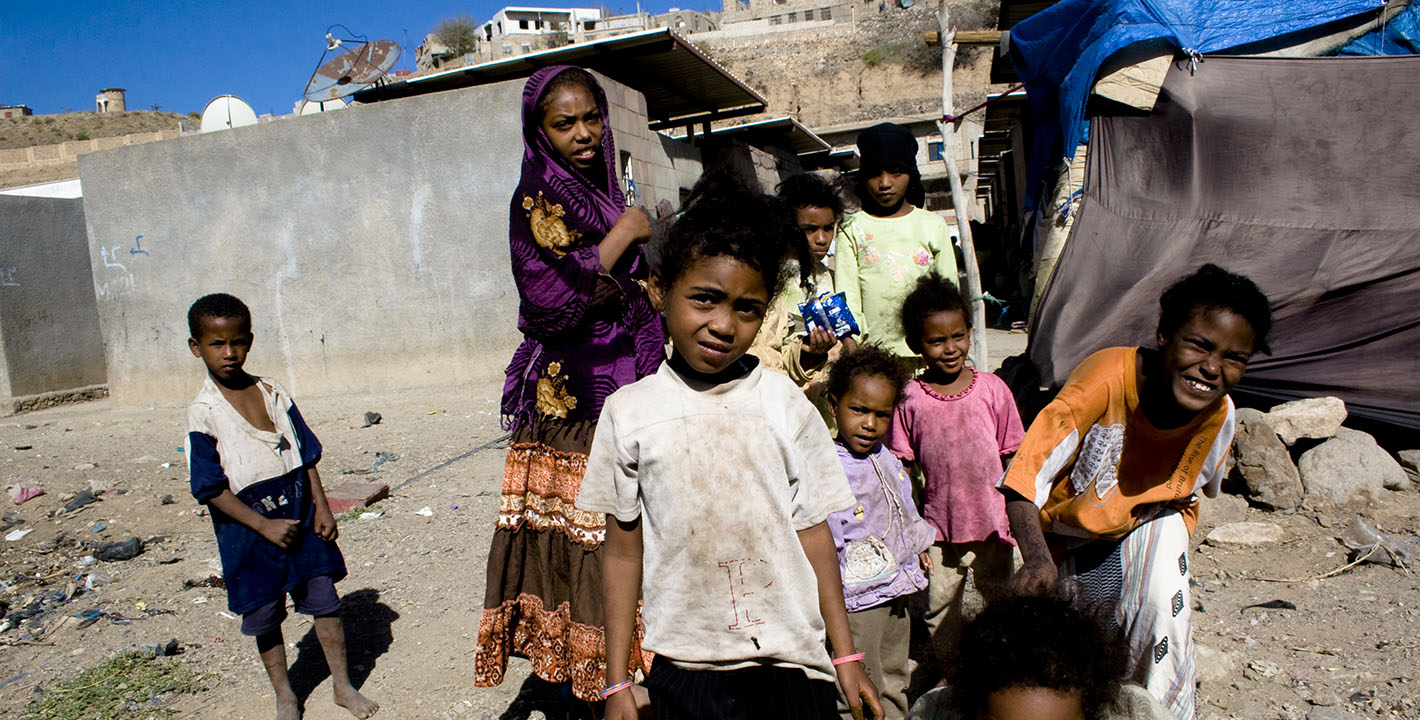
The community already suffers social discrimination, so addressing inequalities requires sustained interventions.
Musaed Aklan , Mohammad Al-Saidi