

Report
Mr. Husain Haqqani, Ashley J. Tellis
{
  "authors": [
    "Husain Haqqani"
  ],
  "type": "legacyinthemedia",
  "centerAffiliationAll": "dc",
  "centers": [
    "Carnegie Endowment for International Peace"
  ],
  "collections": [],
  "englishNewsletterAll": "ctw",
  "nonEnglishNewsletterAll": "",
  "primaryCenter": "Carnegie Endowment for International Peace",
  "programAffiliation": "russia",
  "programs": [
    "Russia and Eurasia"
  ],
  "projects": [],
  "regions": [
    "North America",
    "United States",
    "Iraq"
  ],
  "topics": [
    "Political Reform",
    "Democracy",
    "Security",
    "Military",
    "Foreign Policy"
  ]
}
REQUIRED IMAGE
The United States must hand over power to Iraqis sooner rather than later, helping them rebuild their nation without imposing leaders or ideologies. A democratic Iraq will probably have a strong Islamic and Arab nationalist character. But efforts to dilute Iraq's Arab or Islamic identity would risk an extremist backlash.
Source: Carnegie
President George W. Bush says creating a democracy in Iraq will serve as a model for other countries in the region. He has also promised to help create a Palestinian state. But Arabs and Muslims are skeptical about such promises, making it all the more important that both are kept.
Arabs remember that they were promised liberation from Ottoman Turks at the end of World War I, only to be colonized and divided by France and Britain. Arab suspicion of Western motives is deep-rooted and unlikely to be altered by Bush's declarations of good intent.
American forces occupying Iraq in the hope of reshaping it might find the suspicion and resistance they encounter daunting. Relations between an alien army of occupation and a nation proud of its history and culture are never easy.
The lessons of U.S. occupation of Germany and Japan after World War II apply rather lightly to Iraq. The Germans and the Japanese were not part of any wider fellowship or nation, whereas the Iraqis belong to the 1 billion-strong Muslim global community, in addition to their Arab identity.
Yet failure to build a prosperous democracy in Iraq would be a major blow to U.S. credibility in the Muslim world, from Morocco to Indonesia. America's claims to moral superiority would come under even more intense challenge.
To avoid such a situation, the United States must hand over power to Iraqis sooner rather than later, helping them rebuild their nation without imposing leaders or ideologies. A democratic Iraq will probably have a strong Islamic and Arab nationalist character. Efforts to dilute Iraq's Arab or Islamic identity would fulfill the worst fears of conservative Muslims, who suspect that Bush is influenced by fundamentalist Christian beliefs.
Muslims have historically turned to literalism in interpreting religion whenever their co-religionists are humiliated by the military might of non-Muslims. Fundamentalist Muslims would see a prolonged U.S. military occupation of Iraq as a sign that Islam will be completely subjugated by materialist powers for a while, before establishing eventual supremacy in the world.
The fundamentalist Muslim view of history looks upon defeat as an opportunity for religious revival. This perspective originates from the sacking of Baghdad in 1258 by the Mongol horde led by Genghis Khan's grandson Helugu, which led to a Muslim regrouping under a purist religious banner. Such a view is backed by prophecies about the end of the world attributed to the Prophet Mohammed. It could become a rival ideology against those who believe in America's manifest destiny.
Fundamentalist thinking could also influence Muslim attitudes towards the war against terrorism as well the war in Iraq. Among the sayings attributed to Mohammed, known as hadith, is this prediction: "An enemy will gather its forces against the followers of Islam. Then, during this war, fierce fighting will occur. Muslims will ask for a volunteer expedition that will vie to die or return victorious."
Muslim terrorists justify themselves as just such a volunteer group that is vying to die for Islam against America's large military. They also insist that the United States, with its global reach, is the powerful enemy they have been urged to guard against.
Fundamentalist interpretations may not appeal to the vast majority of Muslims, who want to practice their faith peacefully and without confrontation with other religions. But the invasion of Iraq may well enflame a new cycle of hatred among Muslims that can only benefit religious extremists.
The United States must do all it can to avoid provoking such a upsurge in its treatment of Iraq.
Originally appeared in the International Herald Tribune, April 1, 2003
Former Visiting Scholar
Recent Work
Mr. Husain Haqqani, Ashley J. Tellis
Mr. Husain Haqqani
Carnegie does not take institutional positions on public policy issues; the views represented herein are those of the author(s) and do not necessarily reflect the views of Carnegie, its staff, or its trustees.
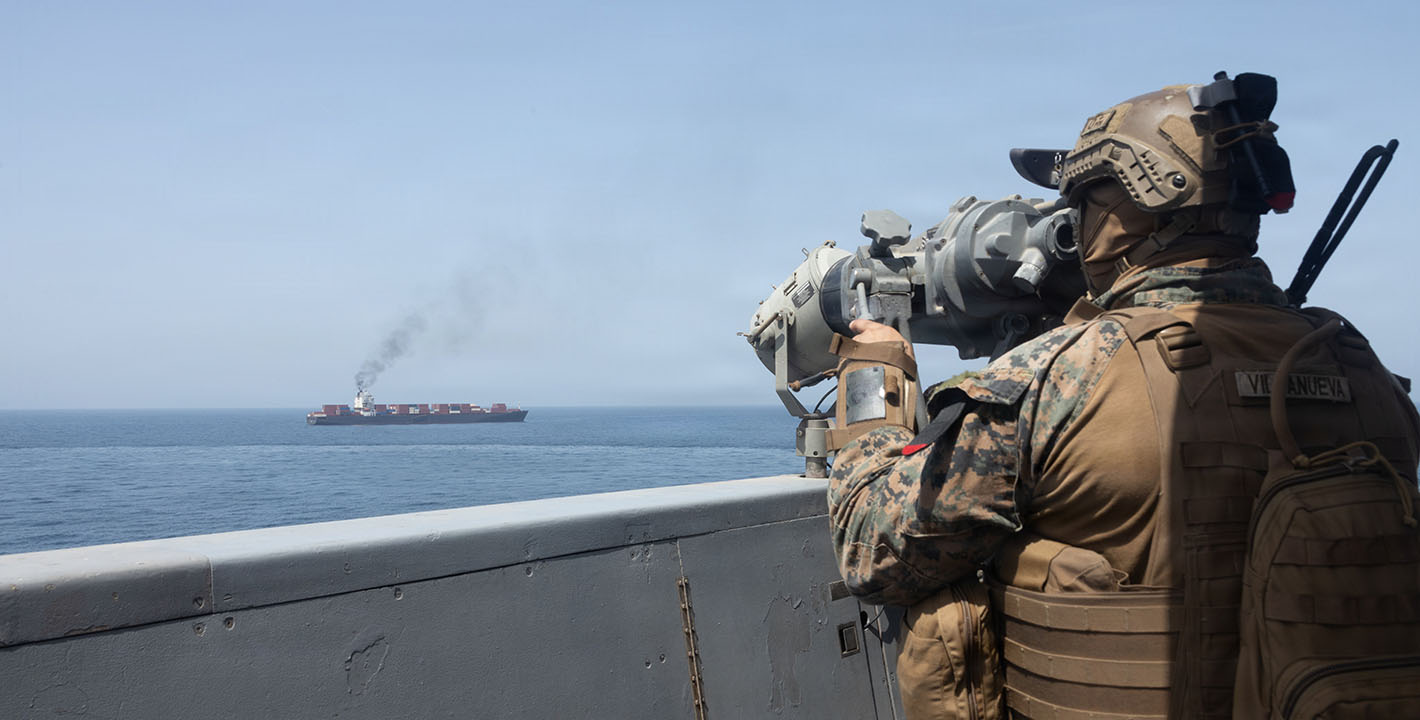
In an interview, Jim Lamson discusses the ongoing regional conflict and sees an unclear picture when it comes to winners and losers.

Michael Young
Unless Beirut lowers expectations, any setbacks will end up bolstering Hezbollah’s narrative.

Mohanad Hage Ali
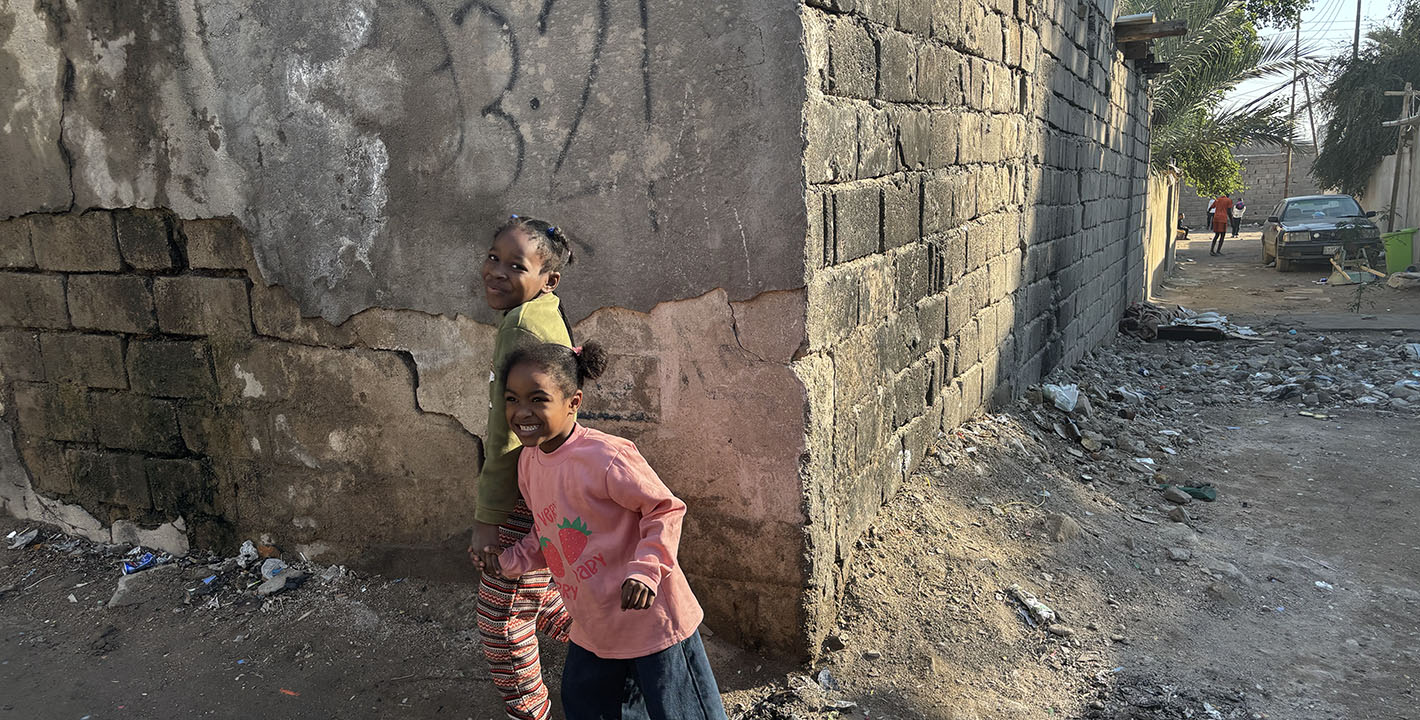
Afro-Iraqis experience political, economic, and social marginalization and discrimination, which exposes the poorest members of the community to the harsh realities of the region’s climate disaster.
Zeinab Shuker
Cairo’s efforts send a message to the United States and the region that it still has a place at the diplomatic table.

Angie Omar
Beirut’s desire to break free from Iranian hegemony may push it into a situation where it has to accept Israel’s hegemony.
Michael Young