

Commentary
In an interview, Naysan Rafati assesses the first week that followed the U.S. and Israeli attack on Iran.
Michael Young
{
  "authors": [
    "George Perkovich",
    "Silvia Manzanero"
  ],
  "type": "legacyinthemedia",
  "centerAffiliationAll": "dc",
  "centers": [
    "Carnegie Endowment for International Peace"
  ],
  "collections": [
    "U.S. Nuclear Policy"
  ],
  "englishNewsletterAll": "",
  "nonEnglishNewsletterAll": "",
  "primaryCenter": "Carnegie Endowment for International Peace",
  "programAffiliation": "NPP",
  "programs": [
    "Nuclear Policy"
  ],
  "projects": [],
  "regions": [
    "United States",
    "Iran",
    "South Asia"
  ],
  "topics": [
    "Foreign Policy",
    "Nuclear Policy"
  ]
}
REQUIRED IMAGE
Source: Carnegie
Summary
The authors argue that if Iran fails to address existing concerns over its nuclear activities and is found in noncompliance, the international community will be compelled to respond. They observe that, short of force, various forms of sanctions inevitably will be considered. The article explores lessons from 25 years of US experience with sanctions on Iran, assesses current vulnerabilities in Iran's economy and examines the feasibility of imposing additional sanctions to alter Iran's nuclear behavior.The authors underscore that sanctions should be use only as part of a broader strategy of engagement with Iran.
About the authors
George Perkovich is Vice President for Studies at the Carnegie Endowment. Silvia Manzanero is a Junior Fellow in the Nonproliferation and US Leadership Projects.

Japan Chair for a World Without Nuclear Weapons, Senior Fellow
George Perkovich is the Japan Chair for a World Without Nuclear Weapons and a senior fellow in the Carnegie Endowment for International Peace’s Nuclear Policy Program. He works primarily on nuclear deterrence, nonproliferation, and disarmament issues, and is leading a study on nuclear signaling in the 21st century.
Silvia Manzanero
Carnegie does not take institutional positions on public policy issues; the views represented herein are those of the author(s) and do not necessarily reflect the views of Carnegie, its staff, or its trustees.

In an interview, Naysan Rafati assesses the first week that followed the U.S. and Israeli attack on Iran.

Michael Young
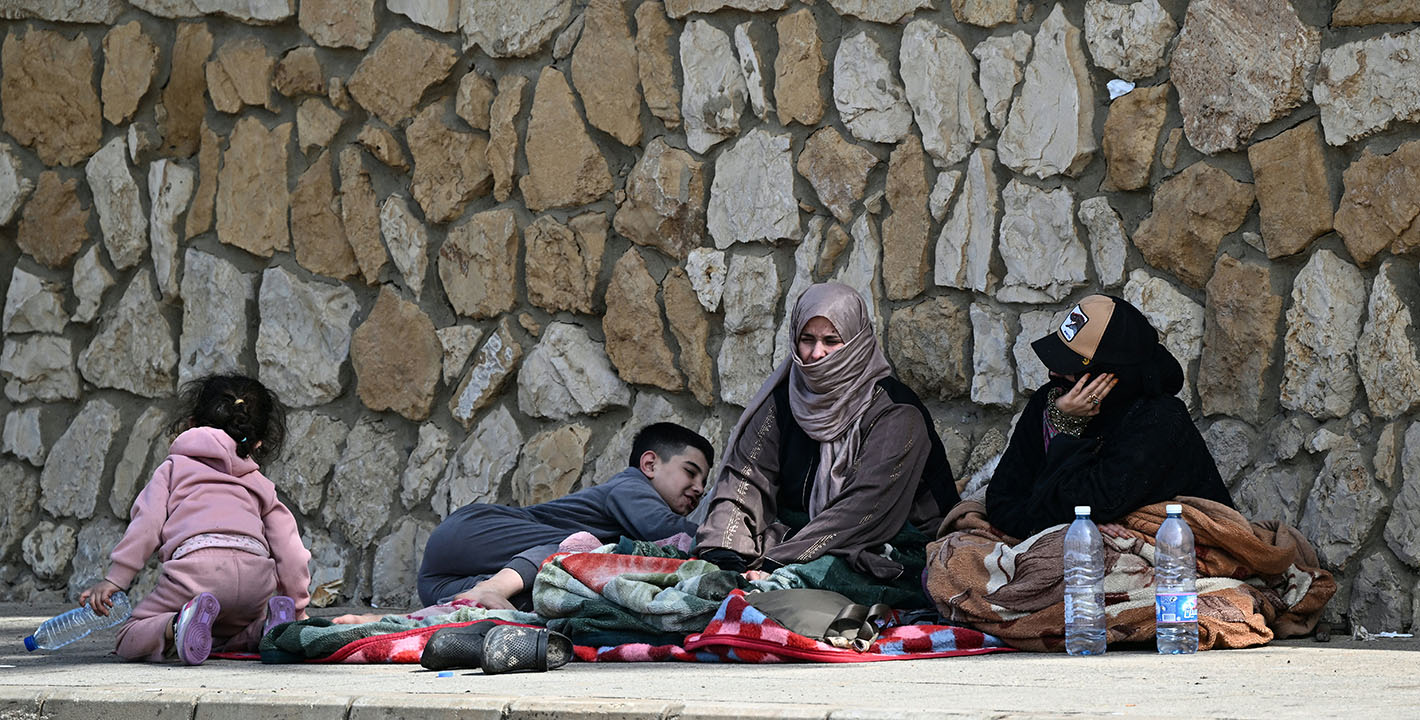
At heart, to impose unconditional surrender on Hezbollah and uproot the party among its coreligionists.

Yezid Sayigh

Just look at Iraq in 1991.

Marwan Muasher
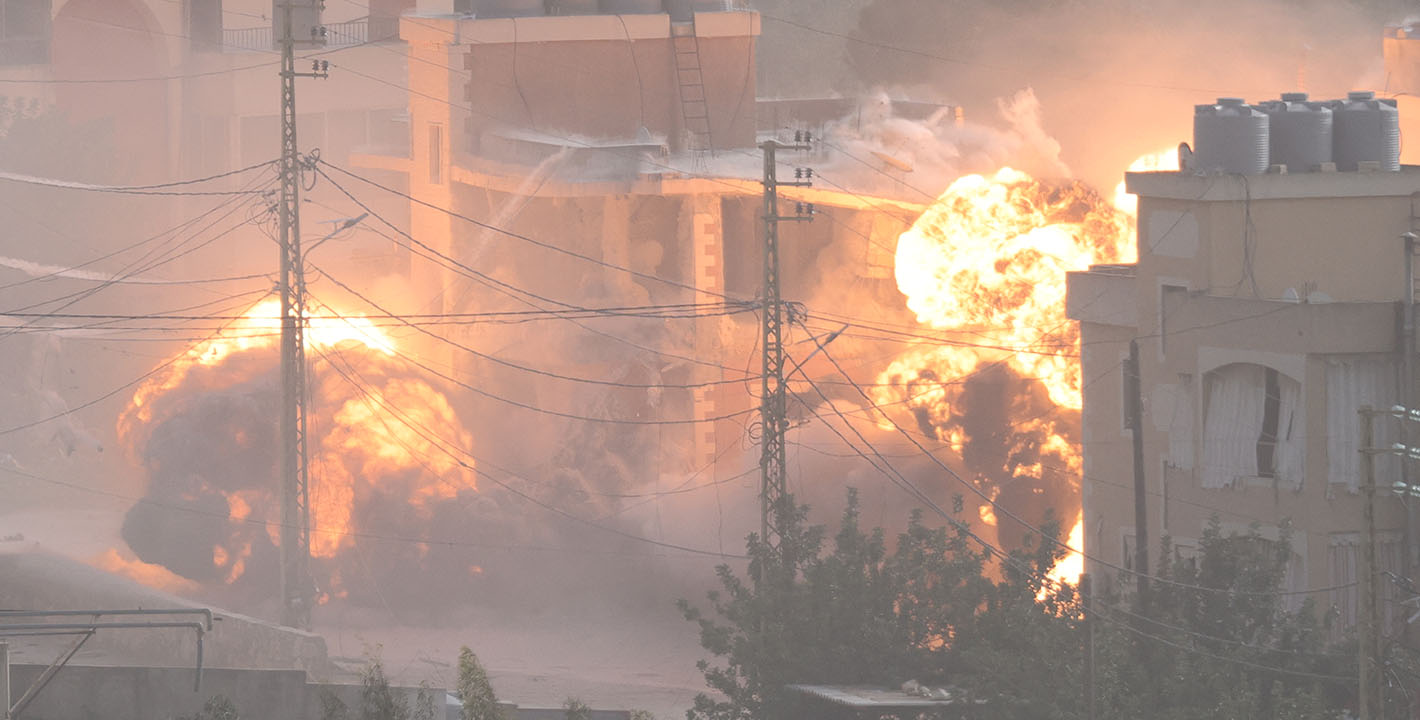
As Iran defends its interests in the region and its regime’s survival, it may push Hezbollah into the abyss.
Michael Young
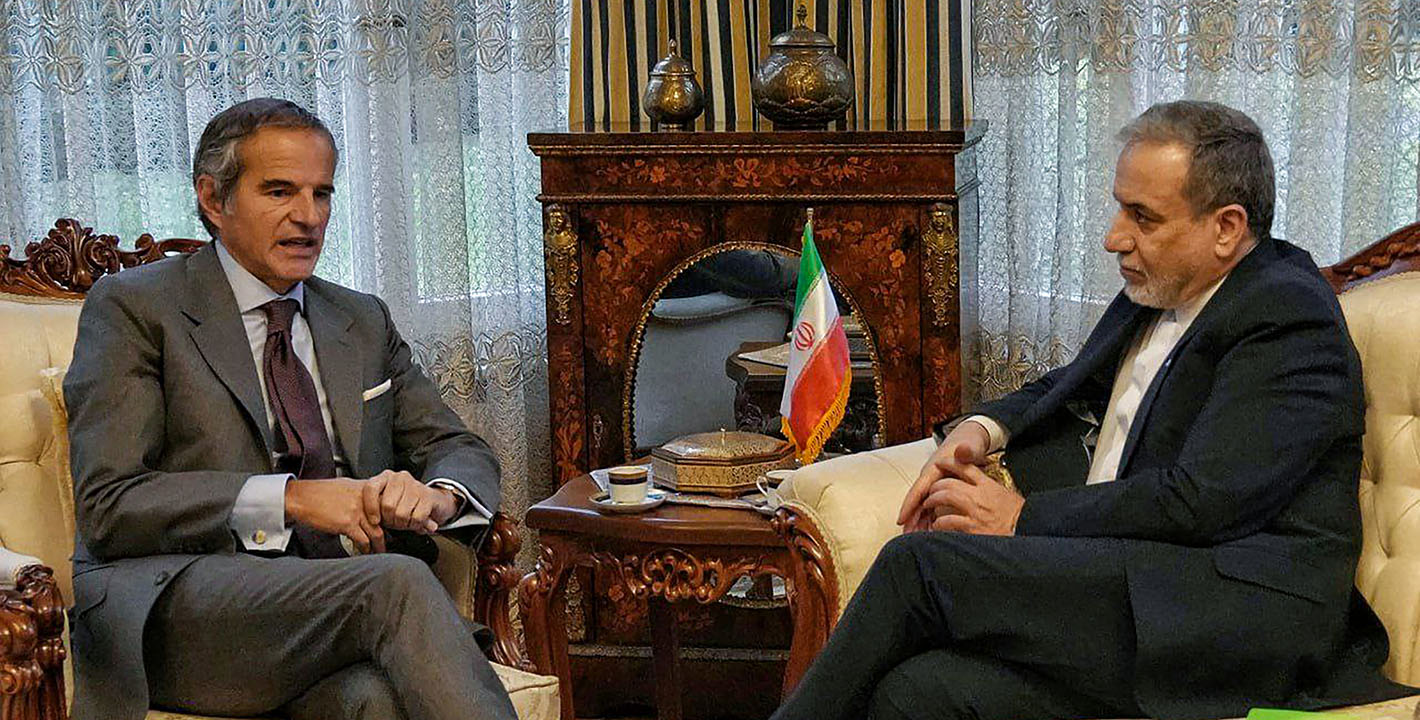
Because of this, the costs and risks of an attack merit far more public scrutiny than they are receiving.
Nicole Grajewski