

Article
Afro-Iraqis experience political, economic, and social marginalization and discrimination, which exposes the poorest members of the community to the harsh realities of the region’s climate disaster.
Zeinab Shuker
{
  "authors": [],
  "type": "legacyinthemedia",
  "centerAffiliationAll": "dc",
  "centers": [
    "Carnegie Endowment for International Peace"
  ],
  "collections": [],
  "englishNewsletterAll": "ctw",
  "nonEnglishNewsletterAll": "",
  "primaryCenter": "Carnegie Endowment for International Peace",
  "programAffiliation": "russia",
  "programs": [
    "Russia and Eurasia"
  ],
  "projects": [],
  "regions": [
    "Middle East",
    "Iraq",
    "Pakistan"
  ],
  "topics": [
    "Security",
    "Foreign Policy"
  ]
}
REQUIRED IMAGE
Source: Carnegie
Middle East Instability
Originally published in The Moscow Times on June 10, 2004.
At their summit on Sea Island, Georgia, the G8 leaders are focused on the greater Middle East, with Iraq clearly dominating that part of the discussion. There are even more serious problems ahead in the region, and the world leaders need to take urgent and bold steps to reverse the trend.
The recent hostage-taking in Khobar, Saudi Arabia, and the subsequent shootings of Western targets there enables one to hear, loud and clear, the ticking of the deadliest time bomb in the entire Middle East. The immediate objective of the attackers has been to scare away the scores of thousands of foreign engineers and technicians who run the Saudi oil industry. The long-term objective is to destabilize the kingdom and win Saudi Arabia, with its resources, to the extremist cause.
The Saudi authorities are fighting back, but the ease with which such attacks can be mounted in their kingdom is extremely worrying. The problem is not that, for years, members of the royal family have been indirectly aiding the Wahhabi radicals, but that they now appear to be losing control of the situation. By blaming the Zionist conspiracy for the real problems they are encountering, they risk falling prey to the very Wahhabi chickens that are now coming home to roost.
The second ticking time bomb is Pakistan. No one can doubt President Pervez Musharraf's personal bravery and his political commitment to modernize the country. The U.S. administration has recognized this by promoting Pakistan to a major non-NATO ally. However, Pakistan's military and especially its security forces cannot be taken for granted. They only reluctantly joined with the United States against an erstwhile protege, the Taliban. If Afghanistan sees renewed fighting and the U.S. forces need to cross the border into Pakistan in hot pursuit, feelings are likely to rise against America.
Should anything happen to Musharraf, his successor may take a very different attitude toward the West. Religious ferment could rise above the critical level. The military, which controls Pakistan's nuclear weapons, may no longer be counted upon as a pro-Western institution holding the nation together and on the right track. If there is a rift, the issue of Pakistani nuclear weapons will acquire a most ominous dimension. The effect of a Saudi revolution on the country that built its nuclear weapons with Saudi money (and, possibly, with some strings attached to the funder) could be overwhelming.
Thirdly, Egypt, the Arab world's most populous state, appears quiet, but beneath the surface there is growing religious ferment and political agitation. President Hosni Mubarak, a stalwart friend of the West, is in his 70s and will not be around for too much longer. The plan to turn the country over to his son may not work. In fact, it could spark the wrath of the Islamists and provoke unrest that will be difficult to contain and impossible to put down.
Thus, in the medium term, major new sources of instability may appear from Karachi to Cairo. This is, of course, a doomsday scenario, but one that it would be irresponsible to write off. What can be done regionally to counter this worrisome trend?
• Speedy restoration of full Iraqi sovereignty. The United States needs to transfer power to a credible and responsible Iraqi authority. The United States and the UN would do well to support a new Iraqi nationalism oriented toward turning the vanquished country into a vanguard of modernity and prosperity in the Arab world.
• Giving Turkey a date to begin talks to join the EU. The doubters' hope of using Turkey as a buffer against the Muslim world may backfire. Even the remote prospect of "losing" Turkey to the anti-Western radicals should be sobering. Spurning Turkey's long-held aspirations is not a good idea, all the more so as Muslims in ever greater numbers are settling in the EU area.
• The United States opening up to Iran. Its revolution, a quarter-century old, has appreciably cooled down. On Afghanistan, Tehran has been a most useful partner for the United States. It shed no tears for Saddam Hussein. It has no reason to make common cause with al-Qaida and every reason to oppose it. Russia's experience with Iran during the 1990s has been generally good, with Iran acting rationally and reliably. Iran craves to be part of the international community, and it should be brought on board. For that to happen, Iran's security interests need to be addressed. Involving the Israelis in the process is both useful and necessary.
• Creating a secure Uzbekistan, the key country in Central Asia. Rather than jockeying for power and influence in Tashkent, Russia and the United States need to enter into serious discussion on ways of preventing a new Islamist revolt in the Ferghana valley, and of helping the Uzbek authorities to improve the economic conditions of the population and to broaden the regime's political support base.
• Moving forward on the Palestinian issue, the toughest point on the agenda. Creating a viable Palestinian nation is the best available antidote to regional extremism in the greater Middle East. Before such a nation could be built, however, a capable Palestinian leadership should emerge. Such a leadership, as a first prerequisite, should have a monopoly on using force within the Palestinian community. Even a forward-looking and reasonable leadership, however, cannot simply accept the terms dictated by Israel. For their part, the Israelis need to see that the survival of Israel in the 21st century depends far less on strategic depth than on demographic trends in the areas under Israeli control.
Dmitry Trenin, senior associate of the Carnegie Endowment for International
Peace, contributed this comment to The Moscow Times. He is co-author, with
Alexei Malashenko, of "Russia's Restless Frontier: The Chechnya Factor
in Post-Soviet Russia."
Carnegie does not take institutional positions on public policy issues; the views represented herein are those of the author(s) and do not necessarily reflect the views of Carnegie, its staff, or its trustees.
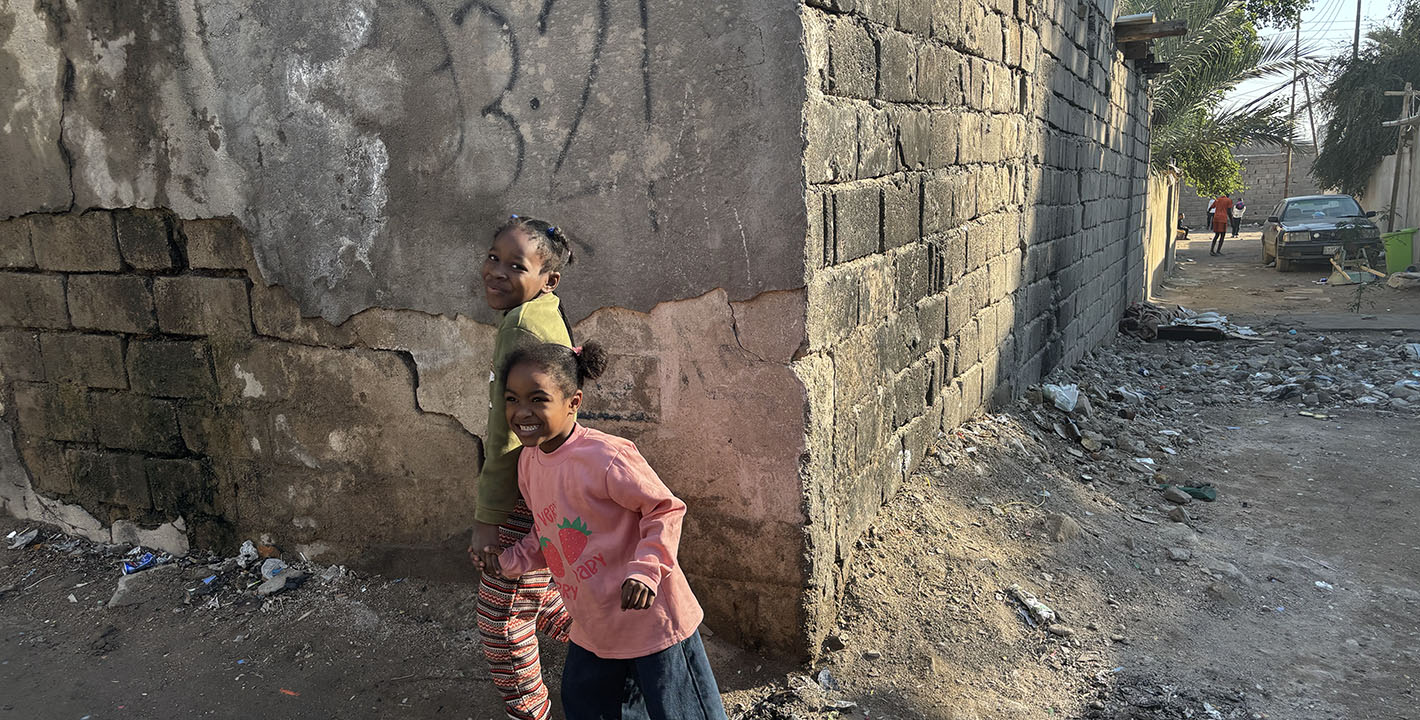
Afro-Iraqis experience political, economic, and social marginalization and discrimination, which exposes the poorest members of the community to the harsh realities of the region’s climate disaster.

Zeinab Shuker

Just look at Iraq in 1991.

Marwan Muasher
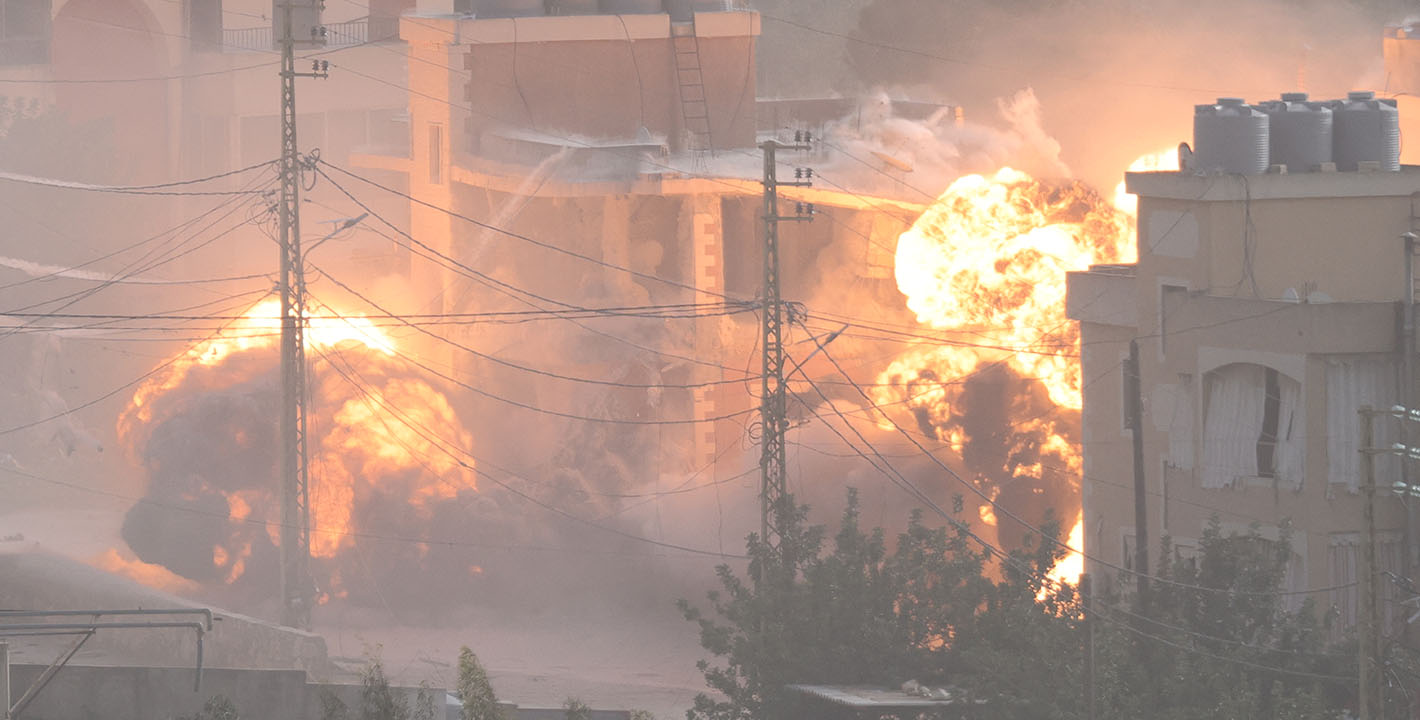
As Iran defends its interests in the region and its regime’s survival, it may push Hezbollah into the abyss.

Michael Young
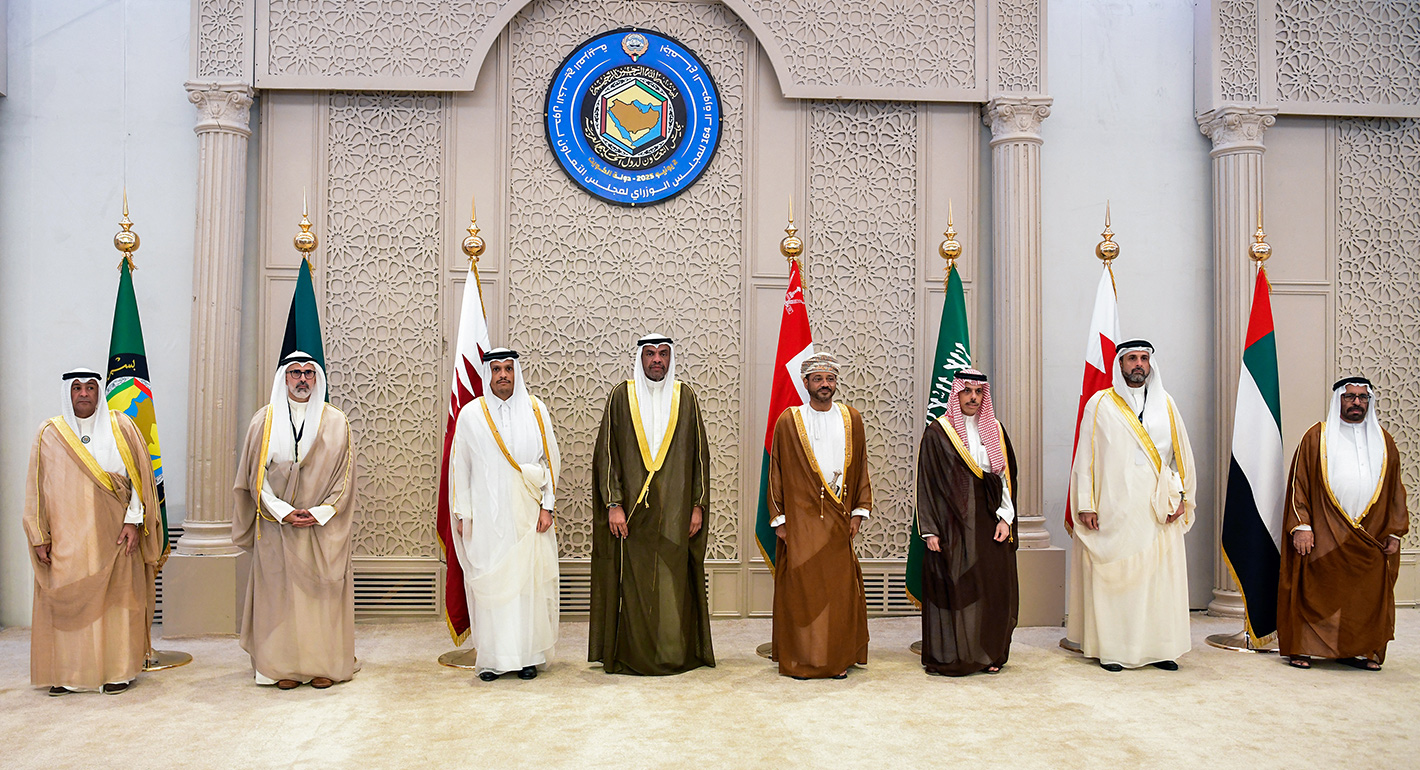
Without structural reform, the organization, which is racked by internal rivalries, risks sliding into irrelevance.

Hesham Alghannam

A coalition of states is seeking to avert a U.S. attack, and Israel is in the forefront of their mind.
Michael Young