

In The Media
Michele Dunne, Robert Kagan
{
  "authors": [
    "Robert Kagan"
  ],
  "type": "legacyinthemedia",
  "centerAffiliationAll": "",
  "centers": [
    "Carnegie Endowment for International Peace"
  ],
  "collections": [],
  "englishNewsletterAll": "",
  "nonEnglishNewsletterAll": "",
  "primaryCenter": "Carnegie Endowment for International Peace",
  "programAffiliation": "",
  "programs": [],
  "projects": [],
  "regions": [],
  "topics": [
    "Political Reform",
    "Economy",
    "Security",
    "Military"
  ]
}
Source: Getty
Source: Washington Post
The most significant thing about President Bush's inaugural address was the word he did not utter: terror. Until now the war on terrorism has been the administration's foreign policy paradigm, giving unity and coherence to disparate and morally contradictory policies: promoting democracy in the Middle East, for instance, while ignoring undemocratic practices in Russia and China. One would have expected Bush to make the war on terrorism the theme of his address.Then came the attacks of Sept. 11 and Bush's second foreign policy phase: the war on terrorism. He led the United States back to global involvement on a Cold War scale and with the Cold War's moral fervor (if not with the Cold War's attention to alliances.) He also came to believe that the struggle against radical Islamic terrorism required democratic reform and even nation-building in the Muslim world. This conviction, bolstered by the successful elections in Afghanistan, blended Bush's earlier realism and his burgeoning idealism. The moralistic policy of promoting democracy in the Middle East derived from hard-headed calculations of American security interests, as did the alliance with authoritarian regimes in Moscow and Beijing.

Former Senior Associate
Kagan, author of the recent book, The Return of History and the End of Dreams (Knopf 2008), writes a monthly column on world affairs for the Washington Post and is a contributing editor at both the Weekly Standard and the New Republic.
Recent Work

Michele Dunne, Robert Kagan
Robert Kagan, Michele Dunne
Carnegie does not take institutional positions on public policy issues; the views represented herein are those of the author(s) and do not necessarily reflect the views of Carnegie, its staff, or its trustees.

The armed forces champion a form of capitalism that is generating revenue, but its reliance on rent faces diminishing returns, leaving the country with massive sunk costs and deferred returns, deepening dependency on external borrowing.

Yezid Sayigh

Just look at Iraq in 1991.

Marwan Muasher

Baku may allow radical nationalists to publicly discuss “reunification” with Azeri Iranians, but the president and key officials prefer not to comment publicly on the protests in Iran.

Bashir Kitachaev
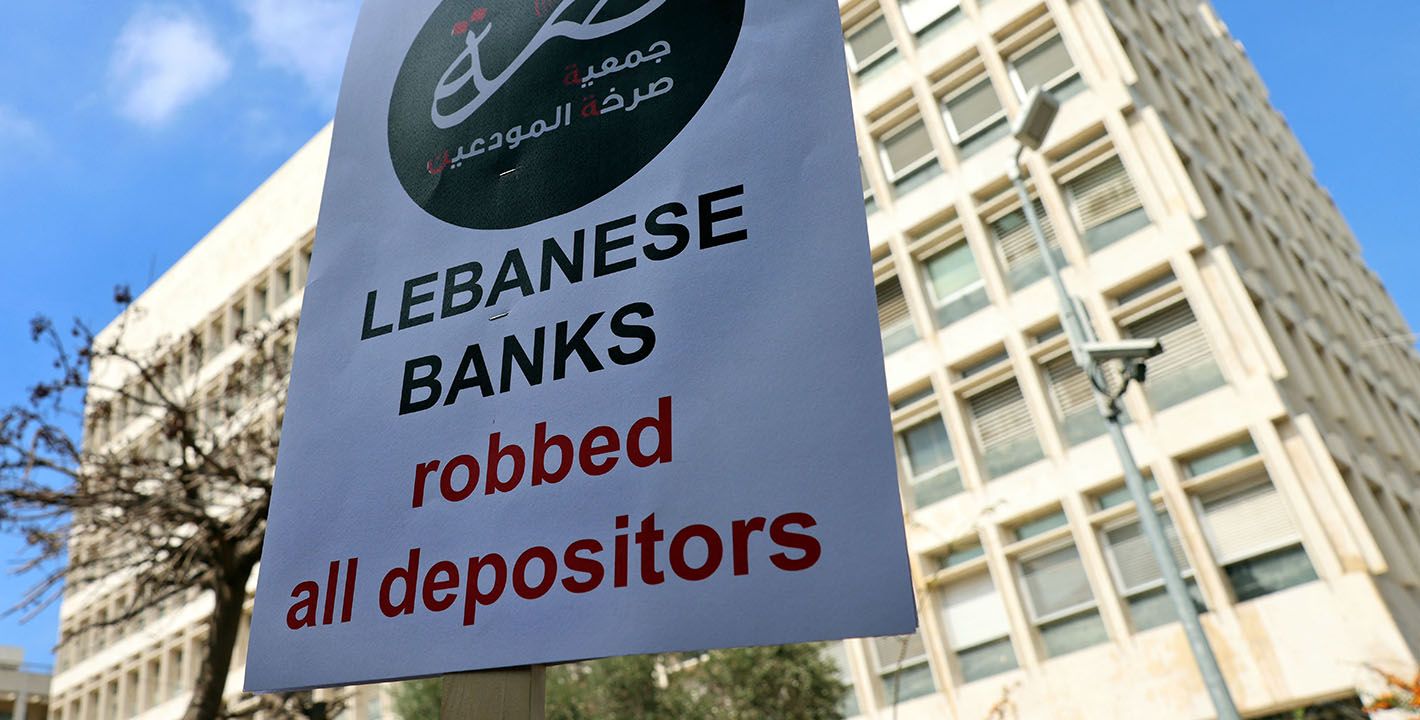
In an interview, Ishac Diwan looks at the merits and flaws in the draft legislation distributing losses from the financial collapse.

Michael Young
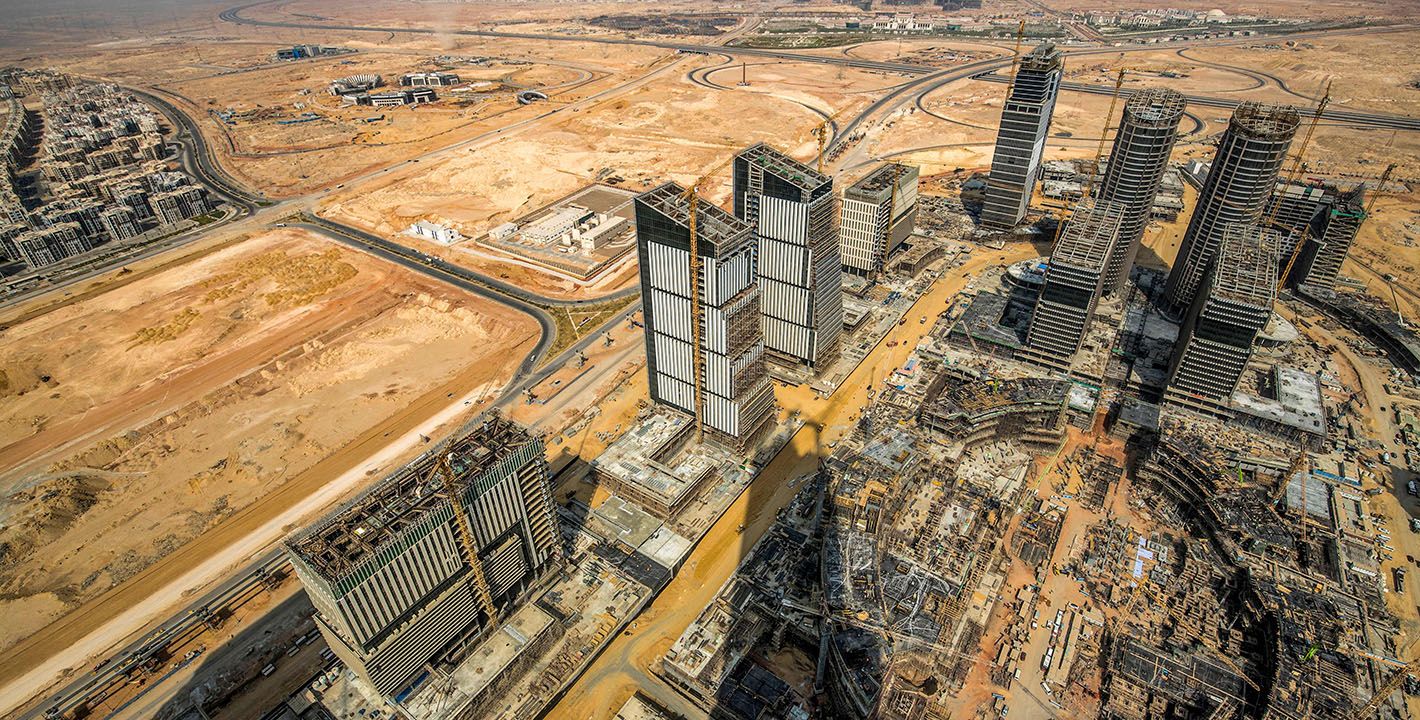
Mustaqbal Misr has expanded its portfolio with remarkable speed, but a lack of transparency remains.
Yezid Sayigh