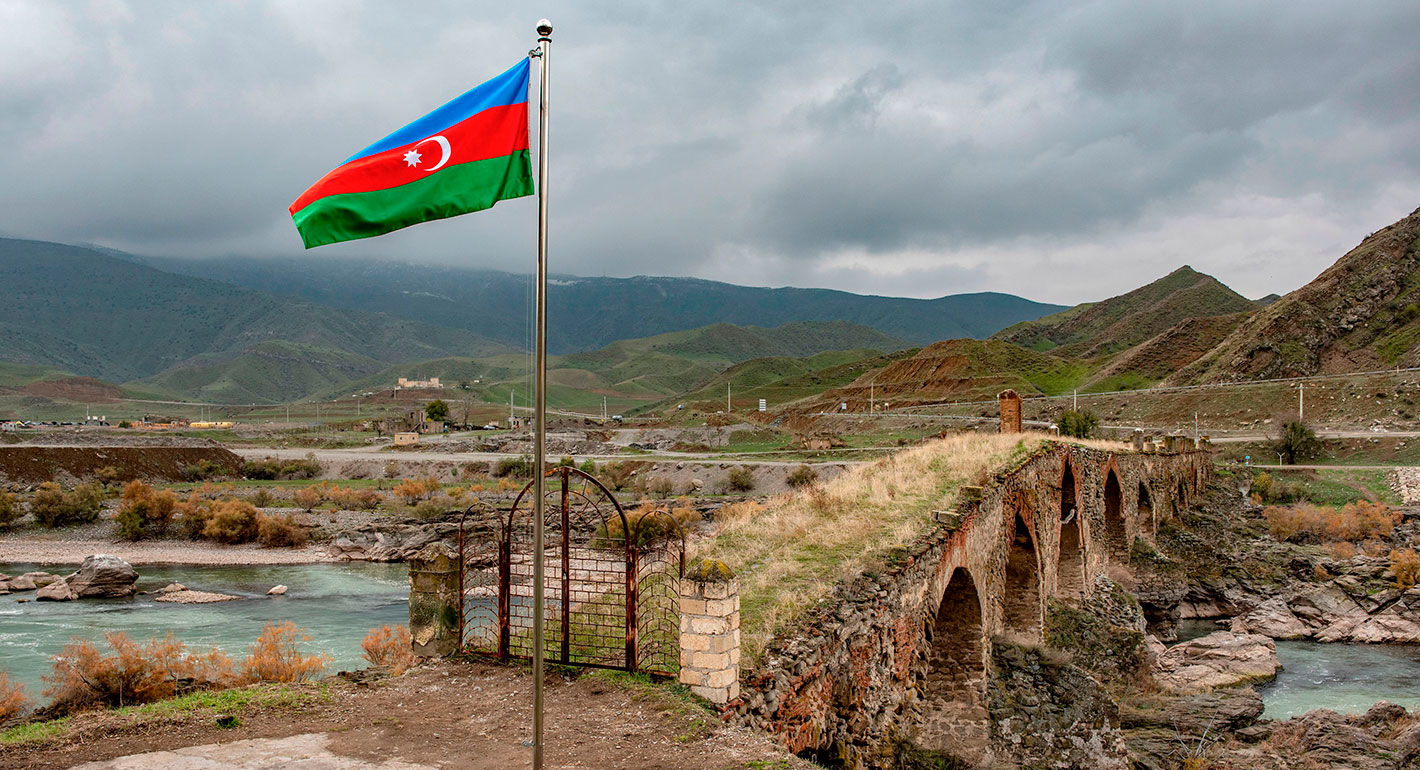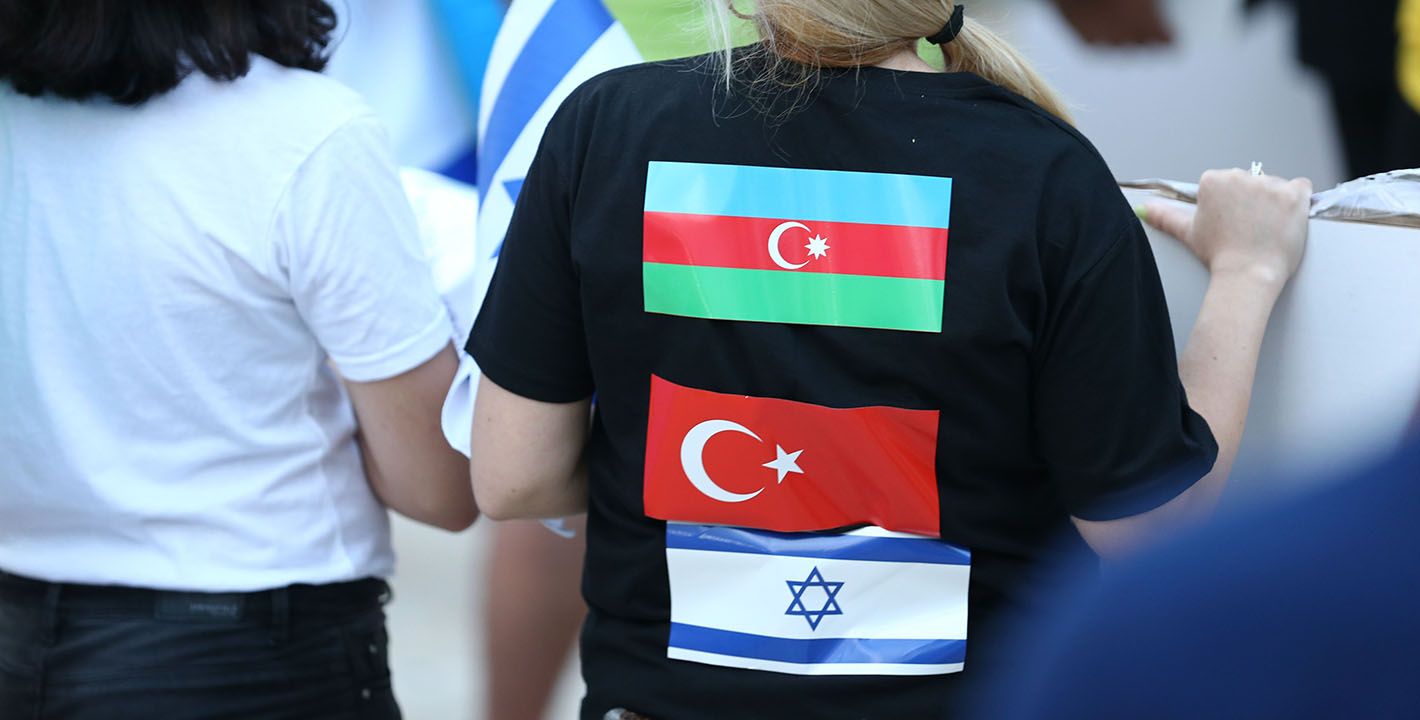

The country’s leadership is increasingly uneasy about multiple challenges from the Levant to the South Caucasus.
Armenak Tokmajyan
{
"authors": [
"Karla Hoff",
"Shale Horowitz",
"Branko Milanovic"
],
"type": "other",
"centerAffiliationAll": "dc",
"centers": [
"Carnegie Endowment for International Peace"
],
"collections": [],
"englishNewsletterAll": "",
"nonEnglishNewsletterAll": "",
"primaryCenter": "Carnegie Endowment for International Peace",
"programAffiliation": "russia",
"programs": [
"Russia and Eurasia",
"Democracy, Conflict, and Governance"
],
"projects": [],
"regions": [
"Caucasus",
"Russia",
"Eastern Europe",
"Ukraine",
"Belarus"
],
"topics": [
"Economy",
"Trade"
]
}REQUIRED IMAGE
The most direct way to break the grip of inefficient, self-serving interests on state power is through the election of new political players not beholden to the same interest groups that supported their predecessors. This is true regardless of political bent and is demonstrated by recent history in postcommunist Eastern Europe.
Source: Carnegie Endowment
The most direct way to break the grip of inefficient, self-serving interests on state power is through the election of new political players not beholden to the same interest groups that supported their predecessors. This is true regardless of political bent and is demonstrated by recent history in postcommunist Eastern Europe. A new policy outlook by Karla Hoff, Shale Horowitz, and Carnegie senior associate Branko Milanovic proves this theory empirically.
Click on the link above for the full text of this Policy Outlook.
About the Authors
Karla Hoff is a senior research economist at the World Bank. Shale Horowitz is associate professor in political science at the University of Wisconsin at Milwaukee. Branko Milanovic is a senior associate at the Carnegie Endowment for International Peace.
Karla Hoff
Shale Horowitz
Former Adjunct Scholar
Milanovic is a lead economist in the World Bank's research department,where he has been working on the topics of income inequality and globalization. Previously, he was a World Bank country economist for Poland and a research fellow at the Institute of Economic Sciences in Belgrade.
The country’s leadership is increasingly uneasy about multiple challenges from the Levant to the South Caucasus.
Armenak Tokmajyan
In an interview, Ishac Diwan looks at the merits and flaws in the draft legislation distributing losses from the financial collapse.
Michael Young
Mustaqbal Misr has expanded its portfolio with remarkable speed, but a lack of transparency remains.
Yezid Sayigh
In an interview, Daniela Richterova speaks about her book on Czechoslovakia’s Cold War ties to Palestinian groups and others.
Michael Young
Arab diaspora business communities in Egypt often mirror the same systemic challenges facing Egyptian businesses.
Nur Arafeh, Yezid Sayigh, Qaboul al-Absi, …