

Commentary
Amr Hamzawy
{
  "authors": [
    "Amr Hamzawy"
  ],
  "type": "legacyinthemedia",
  "centerAffiliationAll": "dc",
  "centers": [
    "Carnegie Endowment for International Peace"
  ],
  "collections": [],
  "englishNewsletterAll": "democracy",
  "nonEnglishNewsletterAll": "",
  "primaryCenter": "Carnegie Endowment for International Peace",
  "programAffiliation": "DCG",
  "programs": [
    "Democracy, Conflict, and Governance",
    "Middle East"
  ],
  "projects": [],
  "regions": [
    "Middle East",
    "Iran",
    "Israel",
    "North Africa",
    "Egypt",
    "Iraq",
    "Lebanon",
    "Syria",
    "Saudi Arabia"
  ],
  "topics": [
    "Political Reform",
    "Democracy",
    "Foreign Policy",
    "Nuclear Policy"
  ]
}
REQUIRED IMAGE
Given the last two weeks in the Middle East — client entities like Hizbollah provoking a conflict, the Saudis and Egyptians speaking without power from the sidelines, Western uncertainty about the role of Syria and Iran — is it possible to draw a new map of the Middle East?
Given the last two weeks in the Middle East — client entities like Hizbollah provoking a conflict, the Saudis and Egyptians speaking without power from the sidelines, Western uncertainty about the role of Syria and Iran — is it possible to draw a new map of the Middle East? Carnegie senior associate Amr Hamzawy discusses this on "Open Source" with Christopher Lydon.

Director, Middle East Program
Amr Hamzawy is a senior fellow and the director of the Carnegie Middle East Program. His research and writings focus on Egypt’s and other middle powers’ involvement in regional security in the Middle East, particularly through collective diplomacy and multilateral conflict resolution
Recent Work
Amr Hamzawy
Amr Hamzawy
Carnegie does not take institutional positions on public policy issues; the views represented herein are those of the author(s) and do not necessarily reflect the views of Carnegie, its staff, or its trustees.
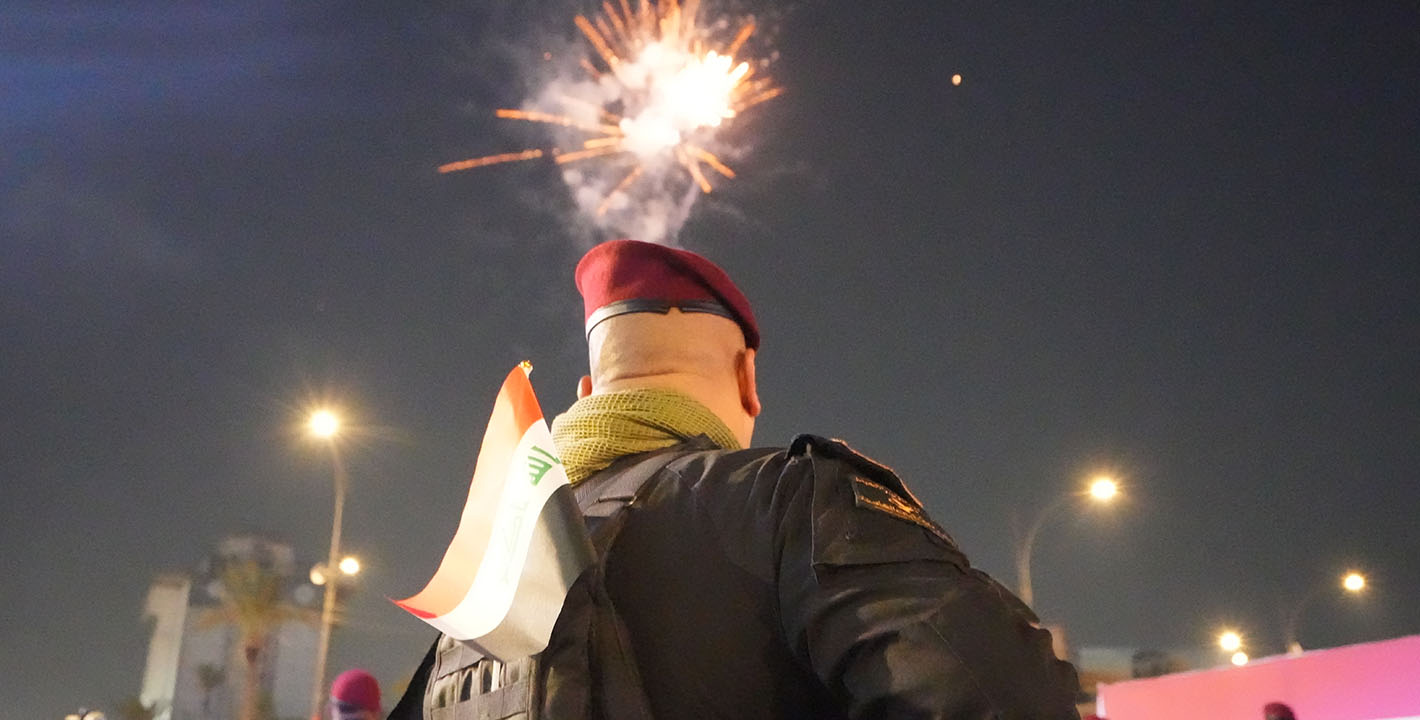
As the U.S.-led Coalition withdraws, the Kurds’ reliance on Baghdad, and on themselves, will only increase.
Wladimir van Wilgenburg

In an interview, Ian Lustick and Eli Clifton discuss their new book on why a prominent ally has so much influence in America.

Michael Young

As the U.S. stumbles in its war with Iran, we are likely to see an acceleration of its disengagement from the region.
Michael Young
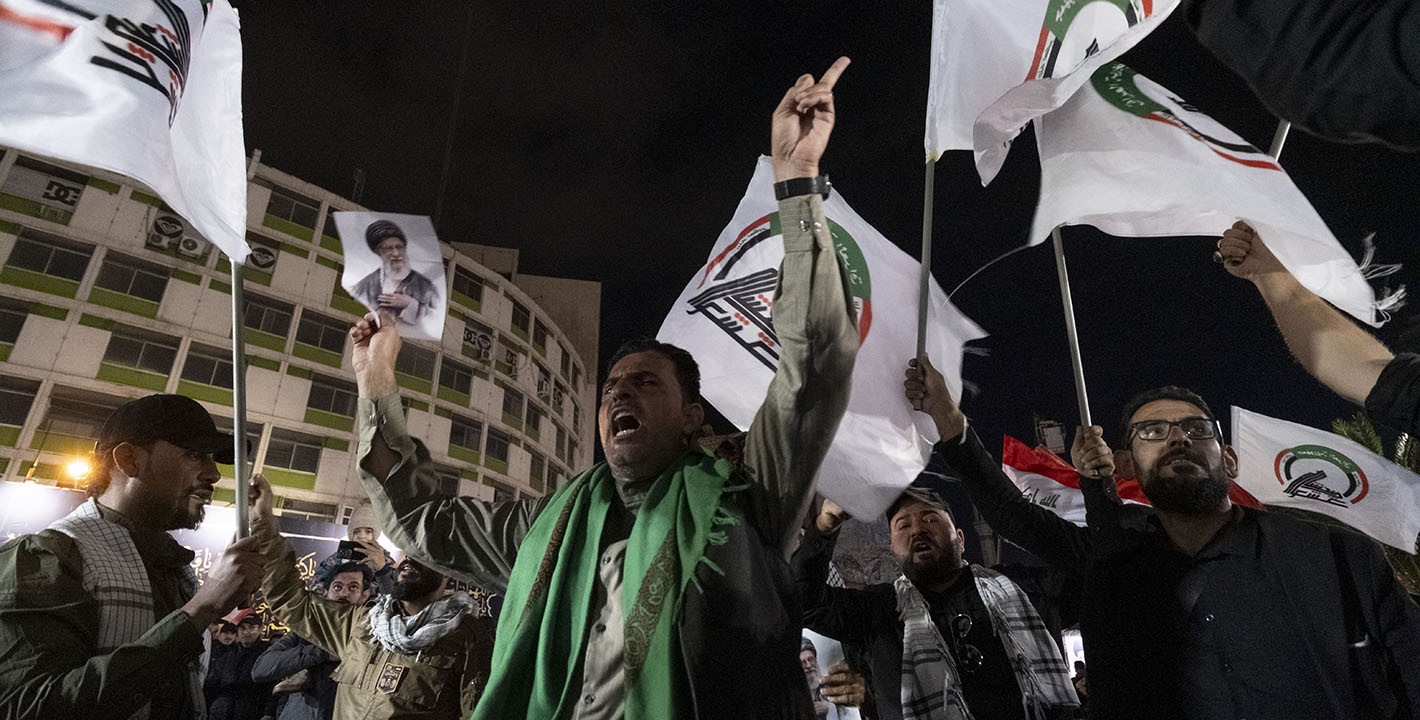
The Zaidi government’s objective to collect weapons is constrained by regional conflict, but it can take certain measures at home.
Ali Al-Mawlawi

It is improbable that Israel’s forthcoming elections will alter much in terms of how the country thinks about security.

Nathan J. Brown