

Commentary
In an interview, Ian Lustick and Eli Clifton discuss their new book on why a prominent ally has so much influence in America.
Michael Young
{
  "authors": [
    "Amr Hamzawy",
    "Michael McFaul"
  ],
  "type": "legacyinthemedia",
  "centerAffiliationAll": "dc",
  "centers": [
    "Carnegie Endowment for International Peace"
  ],
  "collections": [],
  "englishNewsletterAll": "democracy",
  "nonEnglishNewsletterAll": "",
  "primaryCenter": "Carnegie Endowment for International Peace",
  "programAffiliation": "DCG",
  "programs": [
    "Democracy, Conflict, and Governance",
    "Middle East"
  ],
  "projects": [],
  "regions": [
    "North Africa",
    "Egypt"
  ],
  "topics": [
    "Political Reform",
    "Democracy",
    "Foreign Policy"
  ]
}
REQUIRED IMAGE
Has President George W. Bush given up on his liberty doctrine? From Libya to Iran to Azerbaijan, the Bush administration appears to have downgraded the importance of democracy promotion in the last several months. Nowhere, however, has a new indifference to democracy been more striking than in Egypt.
Source: International Herald Tribune
Has President George W. Bush given up on his liberty doctrine? From Libya to Iran to Azerbaijan, the Bush administration appears to have downgraded the importance of democracy promotion in the last several months. Nowhere, however, has a new indifference to democracy been more striking than in Egypt.
The apparent reversal on Egypt is so profound and surprising because it may be the one country in the world where the Bush administration was the boldest in pressuring an autocratic regime to change its ways.
In January 2005, Bush devoted nearly his entire second inaugural address to his liberty doctrine. He boldly and rightly declared that "the survival of liberty in our land increasingly depends on the success of liberty in other lands. The best hope for freedom in our world is the expansion of freedom in all of the world." Egypt soon became a test case for these prosaic words, and initially Bush and his administration seemed serious.
A month into her new job as secretary of state, Condoleezza Rice canceled a trip to Cairo in protest at the jailing of Ayman Nour, head of the liberal opposition party, Al Ghad, on trumped-up charges. Rice was practicing what she had recently dubbed "transformational diplomacy" - leveraging state-to-state relations to push for democratic change.
Having provided Egypt with roughly $2 billion annually in aid for more than 30 years, the United States could wield leverage. President Hosni Mubarak of Egypt seemed to respond. He amended Article 76 of the Constitution to open the door for Egypt's first multicandidate presidential election, accepted an expanded margin of freedom in the press and partially eased his government's intimidation of opposition forces.
A trajectory toward greater political pluralism seemed to be gaining momentum. Bush's liberty doctrine seemed to be producing results.
In fact, however, Mubarak did the minimum to appease Washington while his regime was under greatest scrutiny during presidential and parliamentary elections. Once these elections were over, Mubarak rolled back his incremental reforms. Over the last six months, he has extended the emergency law until 2008 and postponed municipal elections, originally scheduled to take place this year. His government stepped up its intimidation of opposition politicians and of judges rallying for greater independence of the judiciary.
The Bush response? Hardly noticeable. Apart from freezing negotiations for a free-trade agreement, the administration has kept a low profile on Egypt's disturbing political developments. Most strikingly, without any objection from the Bush administration, Congress recently approved yet again a multibillion- dollar economic and military aid package for Egypt, without asking anything in return from the Mubarak regime regarding political reform.
American aid to Egypt has always been for political purposes. President Jimmy Carter initiated this massive assistance package in return for Egypt's willingness to sign a peace treaty with Israel in 1979 and to leave the pro-Soviet camp.
The major challenge facing the United States in this region is how to help democratize Arab polities and in so doing giving peace, stability, and moderation a chance in the struggle against dictatorship and violence. So it is downright mysterious why American aid to Egypt should continue to flow with no political strings attached.
America could make the linkage very explicit, by putting forward clear benchmarks and timelines on political reform. At a minimum, if Bush were serious about his liberty doctrine, U.S. aid could be restructured to give less to the Egyptian military and more to domestic civil society and to American nongovernmental organizations involved in democracy promotion. Yet, ironically, these organizations are now under siege in Egypt.
Bush's retreat on democracy promotion has implications well beyond Cairo. Autocrats throughout the Middle East are watching. To date, the lesson is obvious: Do a few minor reforms to appease the Americans when they are paying most attention during elections, then roll these reforms back after the vote.
In retrospect, it may have been a better strategy for Bush to not have delivered his second inaugural speech about liberty, but instead quietly pushed for incremental reforms. At this stage, however, the words have already been spoken. Bush must now back them up with real policies that show his commitment to freedom. If he fails in Egypt, he fails throughout the Middle East.
Amr Hamzawy is a senior associate at the Carnegie Endowment for International Peace. Michael McFaul, also a Carnegie associate, is a Hoover Fellow and a professor of political science at Stanford University.
This article first appeared on the International Herald Tribune opinion page, July 3, 2006.

Director, Middle East Program
Amr Hamzawy is a senior fellow and the director of the Carnegie Middle East Program. His research and writings focus on Egypt’s and other middle powers’ involvement in regional security in the Middle East, particularly through collective diplomacy and multilateral conflict resolution

Former Senior Associate
In addition to his role at Carnegie, McFaul is Peter and Helen Bing Senior Fellow at the Hoover Institution and associate professor of political science at Stanford University.
Carnegie does not take institutional positions on public policy issues; the views represented herein are those of the author(s) and do not necessarily reflect the views of Carnegie, its staff, or its trustees.

In an interview, Ian Lustick and Eli Clifton discuss their new book on why a prominent ally has so much influence in America.

Michael Young

By failing to address Palestinian representation, the current process is bound to lead to just another temporary arrangement.

Nathan J. Brown

The armed forces champion a form of capitalism that is generating revenue, but its reliance on rent faces diminishing returns, leaving the country with massive sunk costs and deferred returns, deepening dependency on external borrowing.

Yezid Sayigh
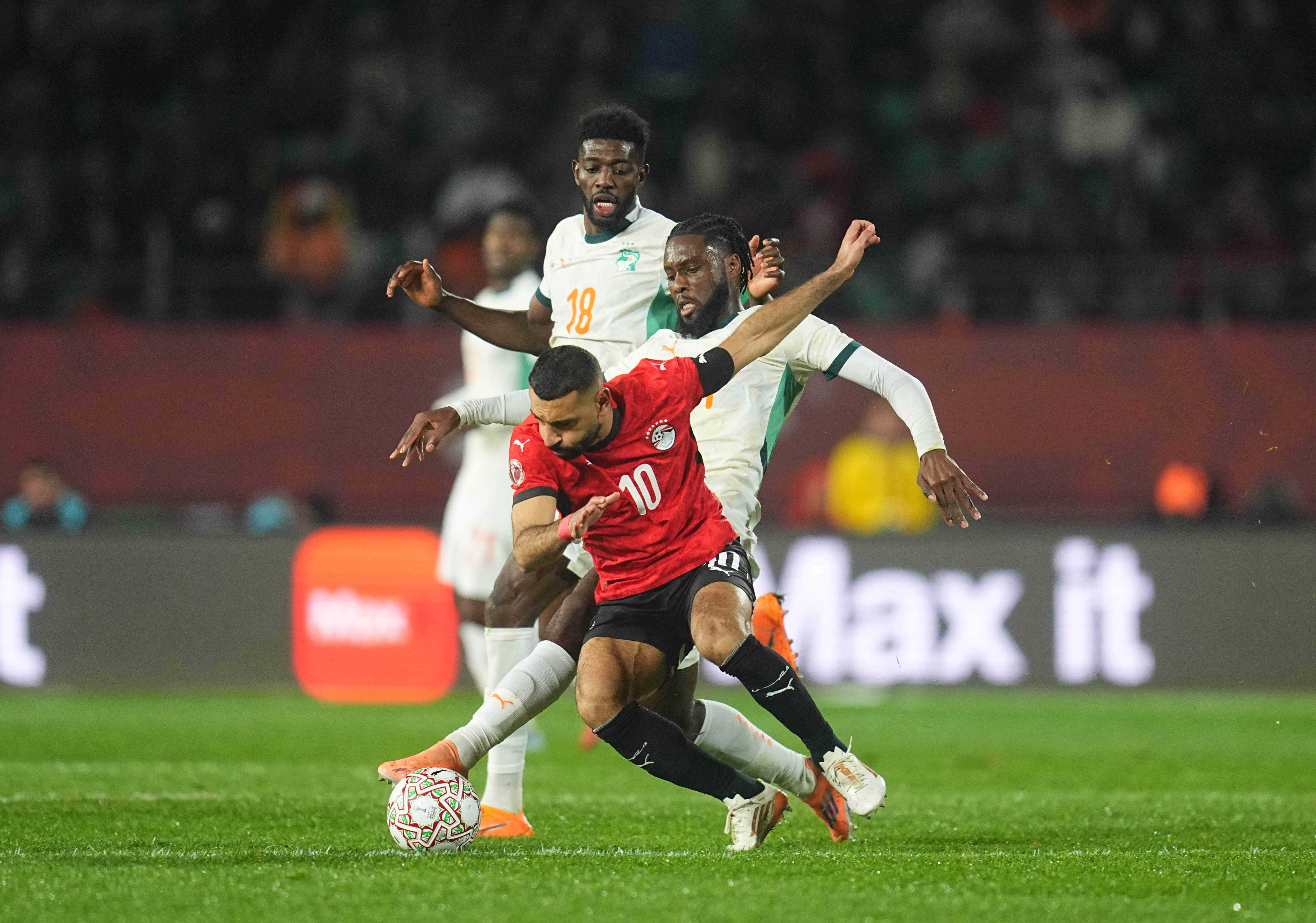
This will be the region’s most representative tournament, amid broad changes in its footballing landscape.

Issam Kayssi
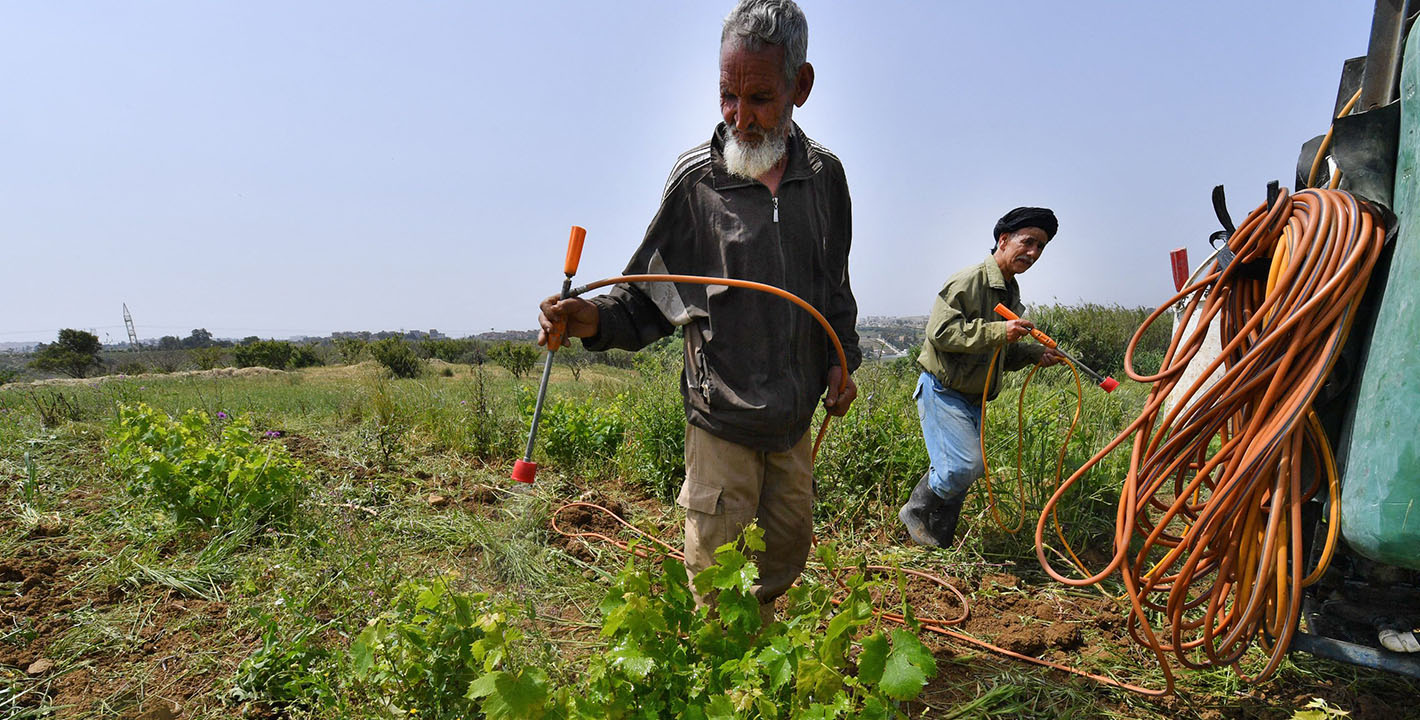
Understanding how farmers in the Oued Sahel-Soummam Valley grapple with climate change is essential for addressing the paradoxes through which adaptation, operating at both individual and institutional levels, deepens the region’s vulnerability and erodes the social fabric and agrarian identity that once defined life.

Ilyssa Yahmi