

Commentary
In an interview, Sergei Melkonian discusses Armenia’s and Azerbaijan’s careful balancing act among the United States, Israel, and Iran.
Armenak Tokmajyan
{
  "authors": [],
  "type": "other",
  "centerAffiliationAll": "dc",
  "centers": [
    "Carnegie Endowment for International Peace"
  ],
  "collections": [],
  "englishNewsletterAll": "ctw",
  "nonEnglishNewsletterAll": "",
  "primaryCenter": "Carnegie Endowment for International Peace",
  "programAffiliation": "russia",
  "programs": [
    "Russia and Eurasia"
  ],
  "projects": [],
  "regions": [
    "Caucasus"
  ],
  "topics": []
}
Source: Getty
A monthly update of Carnegie content on Russia and Eurasia.
Russia and Eurasia Program Newsletter offers a monthly update of the R&E Program and the Carnegie Moscow Center's recent reports, publication, and events. Click here to subscribe.

2007
2006
Carnegie does not take institutional positions on public policy issues; the views represented herein are those of the author(s) and do not necessarily reflect the views of Carnegie, its staff, or its trustees.
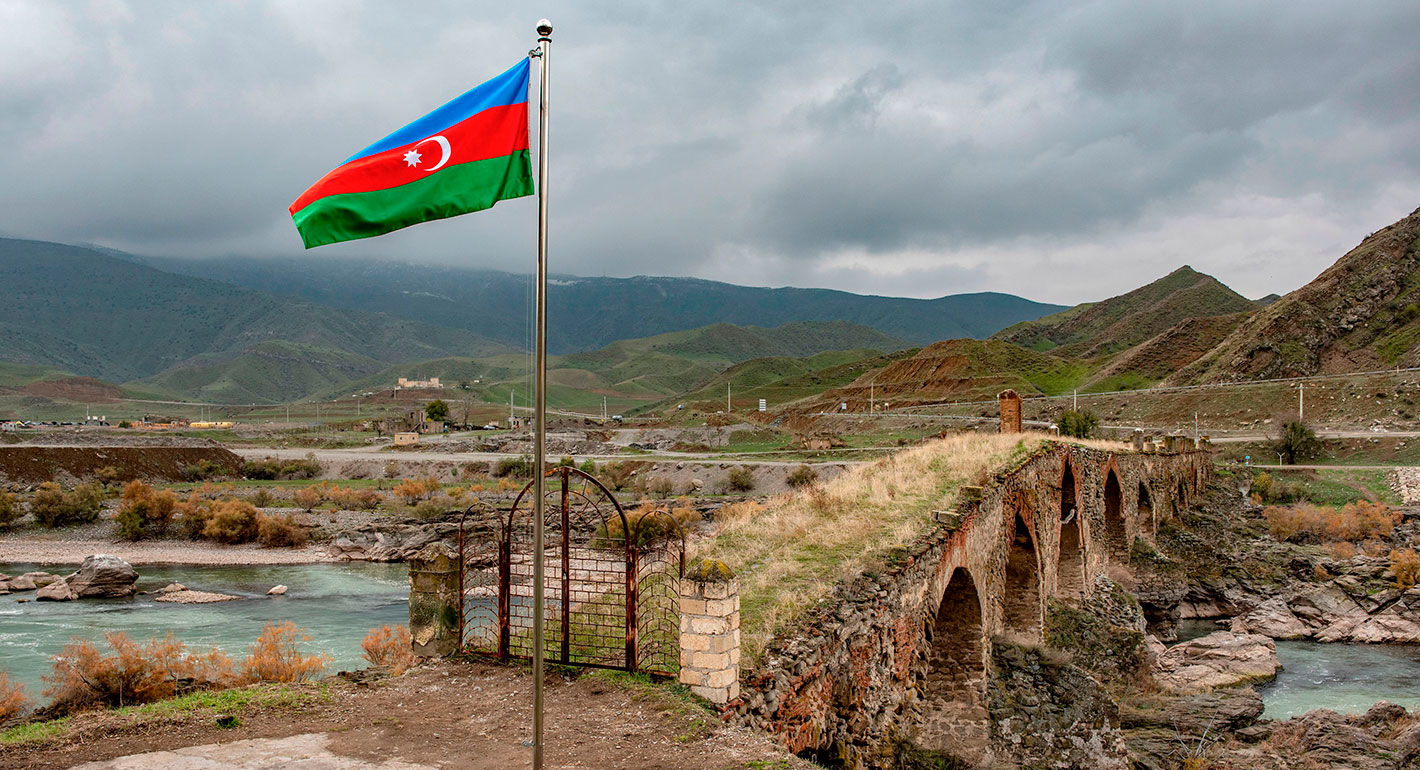
In an interview, Sergei Melkonian discusses Armenia’s and Azerbaijan’s careful balancing act among the United States, Israel, and Iran.

Armenak Tokmajyan
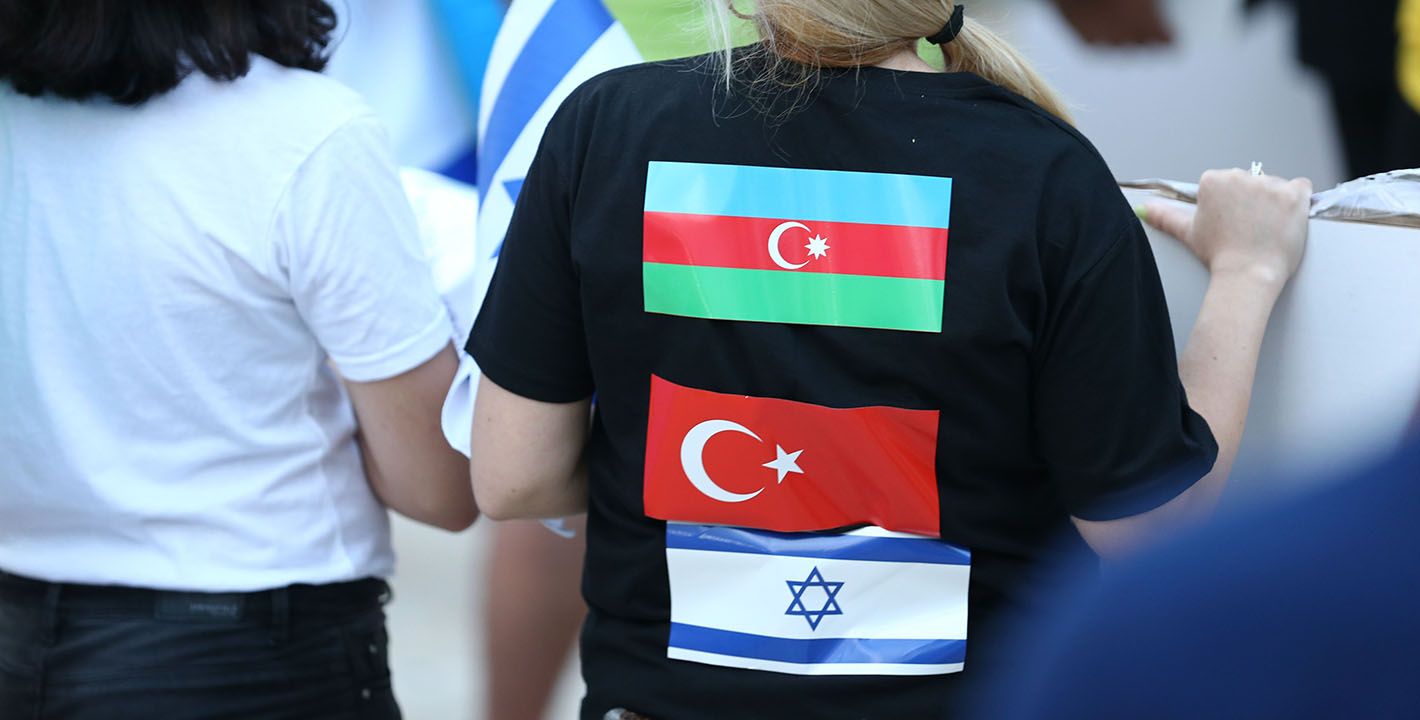
The country’s leadership is increasingly uneasy about multiple challenges from the Levant to the South Caucasus.
Armenak Tokmajyan
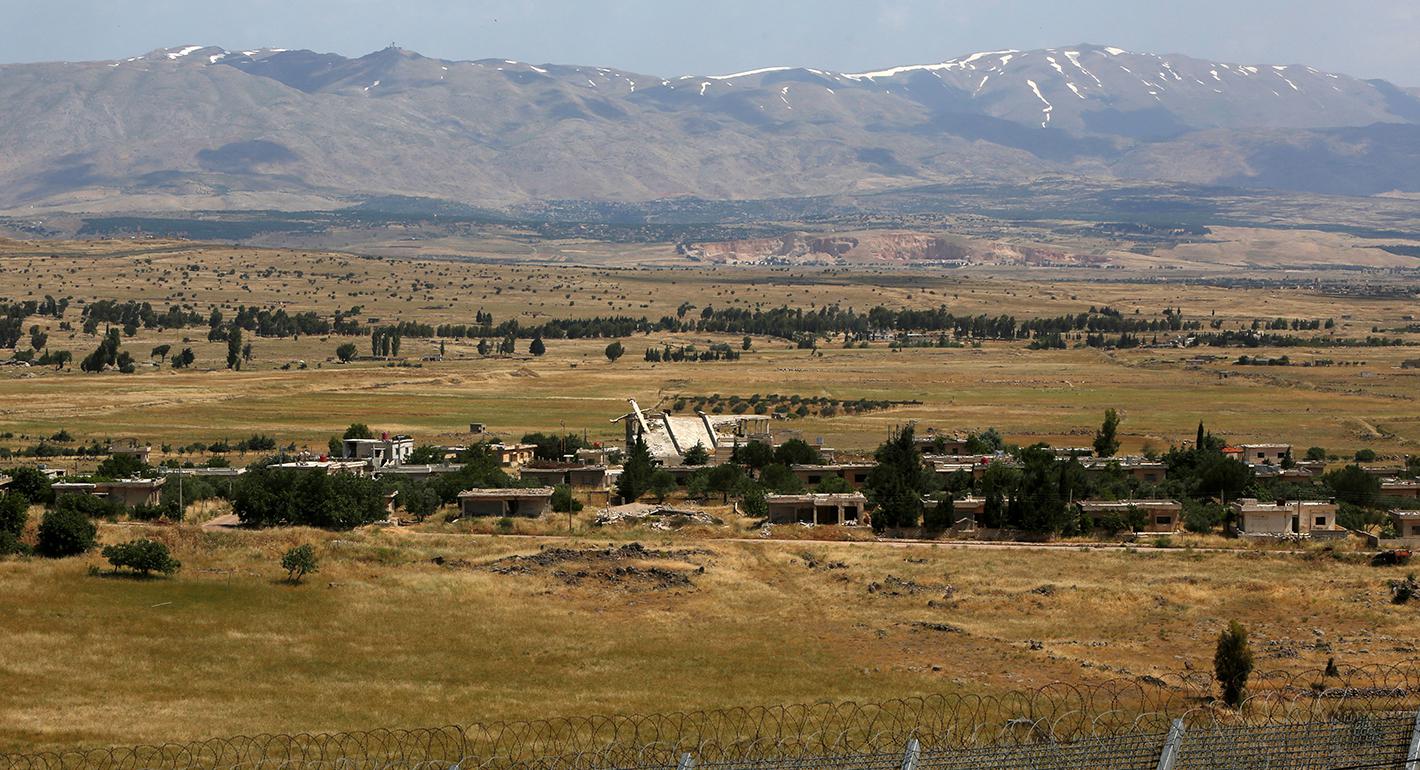
As the influence of the Assad regime and Russia declines, Iran is emerging as the main actor, which could provoke a major Israeli intervention.
Armenak Tokmajyan
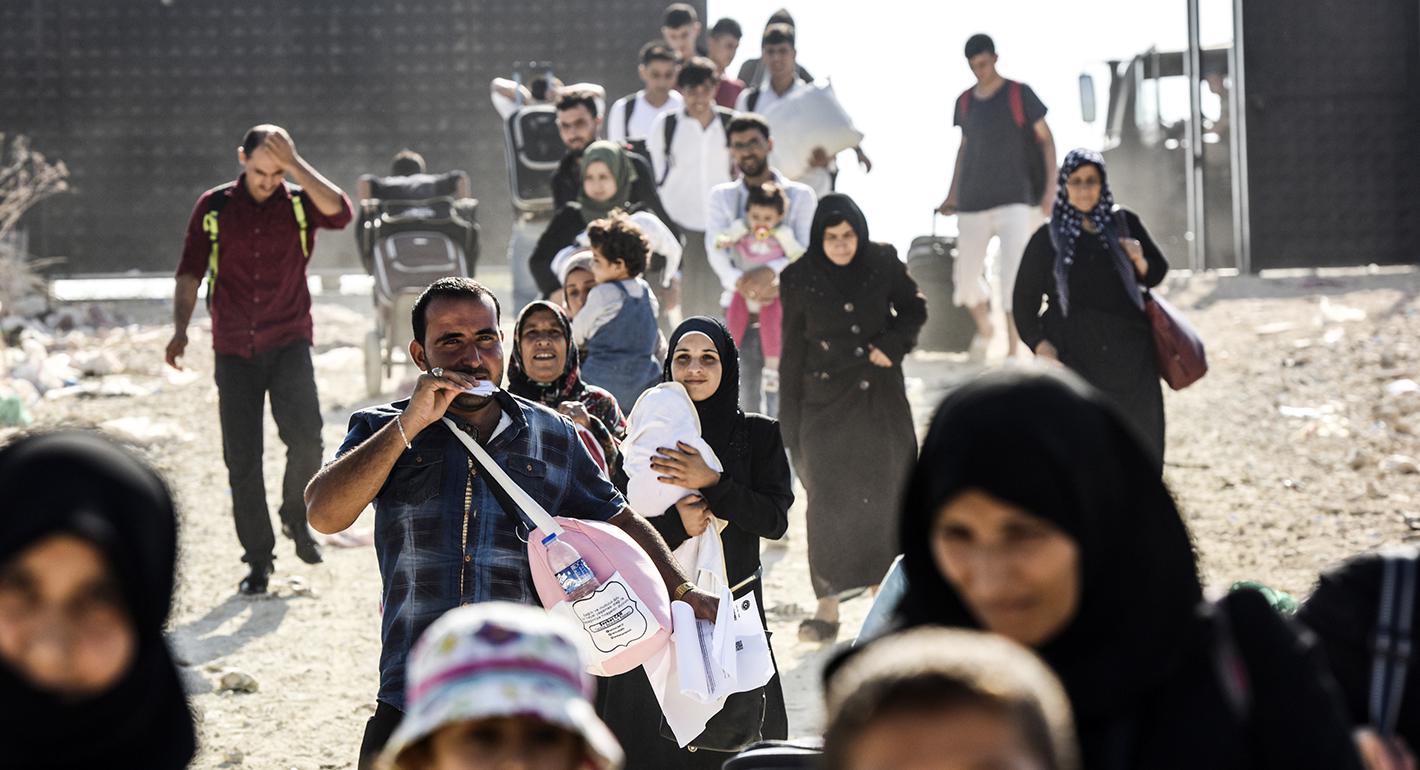
Syria, Azerbaijan, and some officials in Israel have conceptualized forced displacement as a mode of conflict management. That has consequences for the Western peacebuilding model.
Armenak Tokmajyan
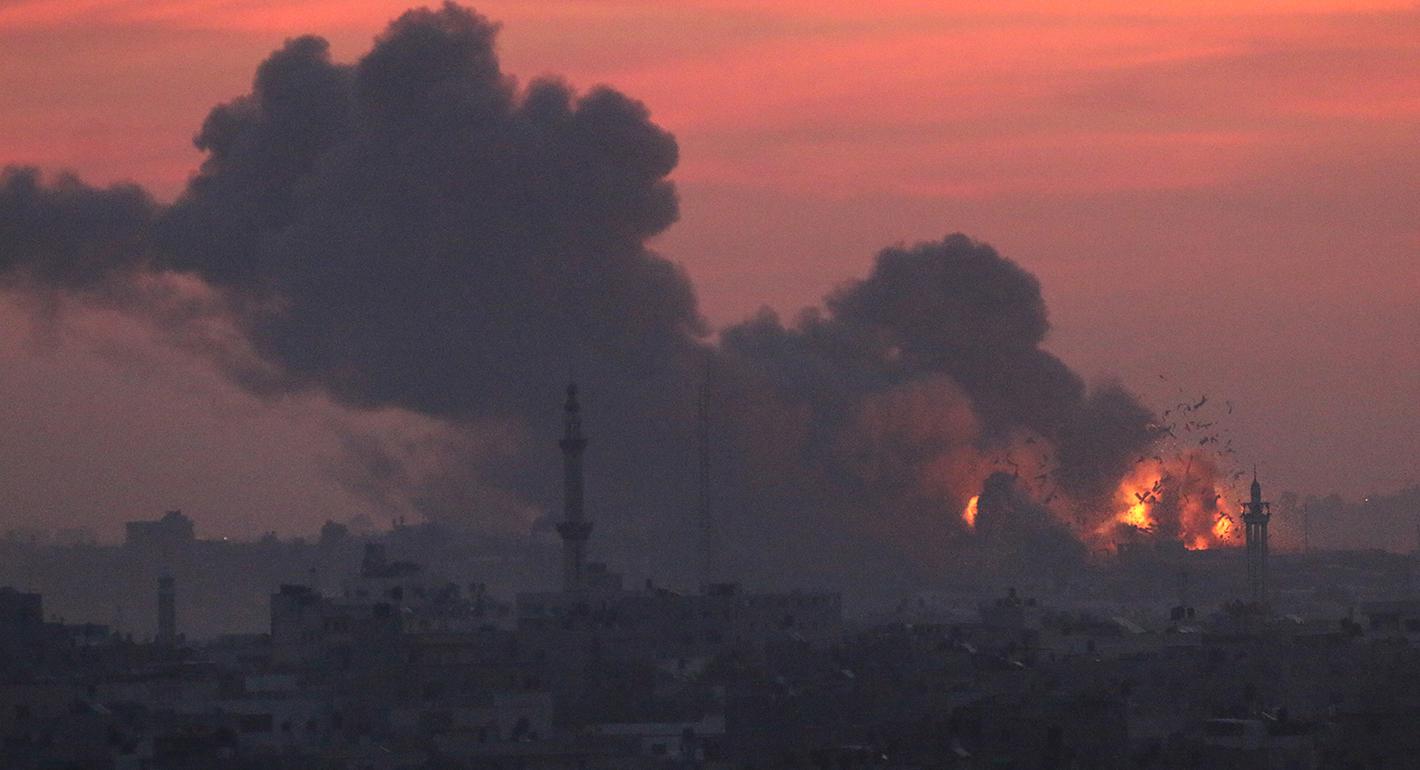
Scholars from Carnegie’s global network comment on how the ongoing conflict between Israelis and Palestinians is affecting their areas of interest, and what the implications of this may be.



Maha Yahya, Rosa Balfour, Judy Dempsey, …