

In The Media
Josh Kurlantzick
{
  "authors": [
    "Josh Kurlantzick"
  ],
  "type": "legacyinthemedia",
  "centerAffiliationAll": "dc",
  "centers": [
    "Carnegie Endowment for International Peace"
  ],
  "collections": [],
  "englishNewsletterAll": "ctw",
  "nonEnglishNewsletterAll": "",
  "primaryCenter": "Carnegie Endowment for International Peace",
  "programAffiliation": "SAP",
  "programs": [
    "South Asia"
  ],
  "projects": [],
  "regions": [
    "South Asia",
    "India",
    "China",
    "Southeast Asia"
  ],
  "topics": [
    "Political Reform",
    "Democracy",
    "Military"
  ]
}
Source: Getty
While the world has focused on how China abets the Burmese generals, in recent years the policies of India, the world's largest democracy, could be described in exactly the same way, and are just as craven.
Source: The New Republic

But while the world has focused on how China abets the Burmese generals, in recent years the policies of India, the world's largest democracy, could be described in exactly the same way, and are just as craven. These days, senior Indian officials buy up Burma's resources, invite the junta leaders on state visits, and even sell the Burmese military arms. As Indian Foreign Minister Pranab Mukherjee recently said, according to the BBC according to the BBC, "We have strategic and economic interests to protect in Burma. It is up to the Burmese people to struggle for democracy, it is their issue." (By contrast, one of Burma's smaller neighbors, Singapore, said it was "deeply troubled" by the crisis.)
The last time Burma erupted in protest, India's position was far different. In 1988, many Indian officials expressed open support for the Burmese pro-democracy movement; Aung San Suu Kyi once lived in India, where her mother had been Burma's ambassador to Delhi. The Indian embassy in Rangoon helped protect demonstrators. In the '80s and early 1990s, India sponsored UN resolutions on Burma and provided refuge to exiled Burmese activists, where they set up NGOs like Mizzima News, which has proven essential to covering the recent protests inside Burma. Former Indian defense minister George Fernandes offered high profile backing for Burmese democracy advocates, plastering a picture of Aung San Suu Kyi to the wall of his official residence and frequently inviting exiled Burmese leaders into his home.
But over the past decade, India has done a 180-degree turn. As India's northeast has disintegrated into a hotbed of insurgency, the Indian army has become more concerned about weapons and militants entering the region along the porous, 900-mile-long Burma frontier. The Indian armed forces also worries that China may be building bases in southern Burma, part of a possible Chinese plan to extend its naval reach farther outside its near neighborhood, threatening India's navy, considered the best in the region. So, the Indians have run joint patrols with Burmese soldiers. Far more shocking, according to the Christian Science Monitor India has sold Burma tanks, helicopters, and artillery guns, among other weapons. This although the Burmese military primarily trains guns on its own people, whether protestors in Rangoon or ethnic minority groups in eastern Burma, where each year brings a new scorched-earth offensive and there are now over 600,000 internally displaced people.
At the same time, as India's economy booms and it watches China gobble up oil and gas deals around the globe, Indian leaders covet Burma's petroleum riches, which will become even more internationally important as mature fields in the Middle East decline. (Burma may have as much as 300 billion cubic meters of gas, and India itself has few domestic sources of petroleum.) India is building a network of road links to Burma, and trying to get Burma to agree to a pipeline to northeastern India. Showing its interest, in 2004 India hosted thuggish junta chief Than Shwe for a lavish state visit to India, the first by any Burmese leader in 12 years. "India and not China should be getting this gas. It is vital for the economy of eastern India," Nazib Arif, the former secretary of the Indian Chamber of Commerce, said.
Even during last week's protests India's Petroleum Minister traveled to Burma to sign production-sharing contracts, publicly showing that the demonstrations would not stop the India-Burma relationship. While the petroleum minister visited, a senior Indian official told the BBC: "We have no desire to interfere in the internal affairs of Burma," a line that echoed China's position.
Yet some Indian opinion leaders are beginning to question this unthinking support. Unlike an authoritarian state like China, India will never be able to provide the same level of blanket assistance for Burma, without criticism back in Delhi, at the United Nations, and from India's new partner, the United States, which worries about Delhi's relationship with rogues like Burma and Iran. Perhaps recognizing this, the Burmese generals still have favored Chinese oil and gas companies over their Indian competitors, inking larger deals with China.
Some Indians also realize that, if Delhi is going to compete with Beijing, it will have to emphasize its brand as the world's biggest democracy. India "should have sympathy on the Burmese people and take the initiative to pressure the military government to release political prisoners including Aung San Suu Kyi," Nirmala Deshpande, an Indian MP, told The Irrawaddy magazine last week. And The Hindu, one of India's most prominent newspapers, last week editorialized that in "this difficult struggle [the Burmese people] need every ounce of the world's support, moral as well as material." From the world's biggest democracy, it appears, they are likely to get neither
Joshua Kurlantzick is a visiting scholar of Carnegie Endowment for International Peace, and a special correspondent for The New Republic.

Former Visiting Scholar, China Program
A special correspondent for The New Republic, a columnist for Time, and a senior correspondent for The American Prospect, Kurlantzick assesses China’s relationship with the developing world, including Southeast Asia, Africa, and Latin America.
Recent Work
Josh Kurlantzick
Carnegie does not take institutional positions on public policy issues; the views represented herein are those of the author(s) and do not necessarily reflect the views of Carnegie, its staff, or its trustees.

The armed forces champion a form of capitalism that is generating revenue, but its reliance on rent faces diminishing returns, leaving the country with massive sunk costs and deferred returns, deepening dependency on external borrowing.

Yezid Sayigh
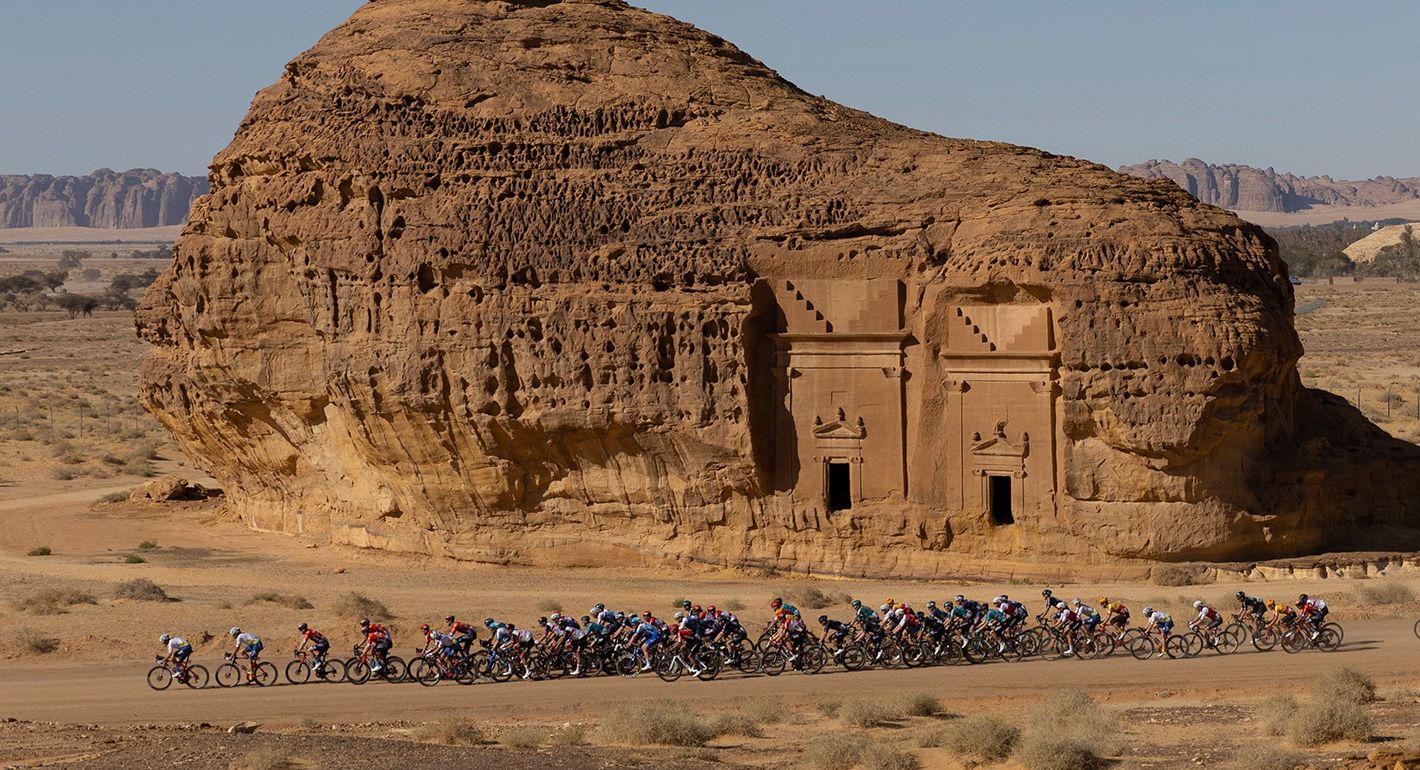
China has aligned its cooperation model with Saudi Arabia’s own priorities, most notably since the kingdom unveiled its Vision 2030. Although China announced the Belt and Road Initiative in 2013, the big push in relations happened only after the ascendance of King Salman to the throne in 2015 and Riyadh’s push for Beijing to meet Saudi needs.

Hesham Alghannam
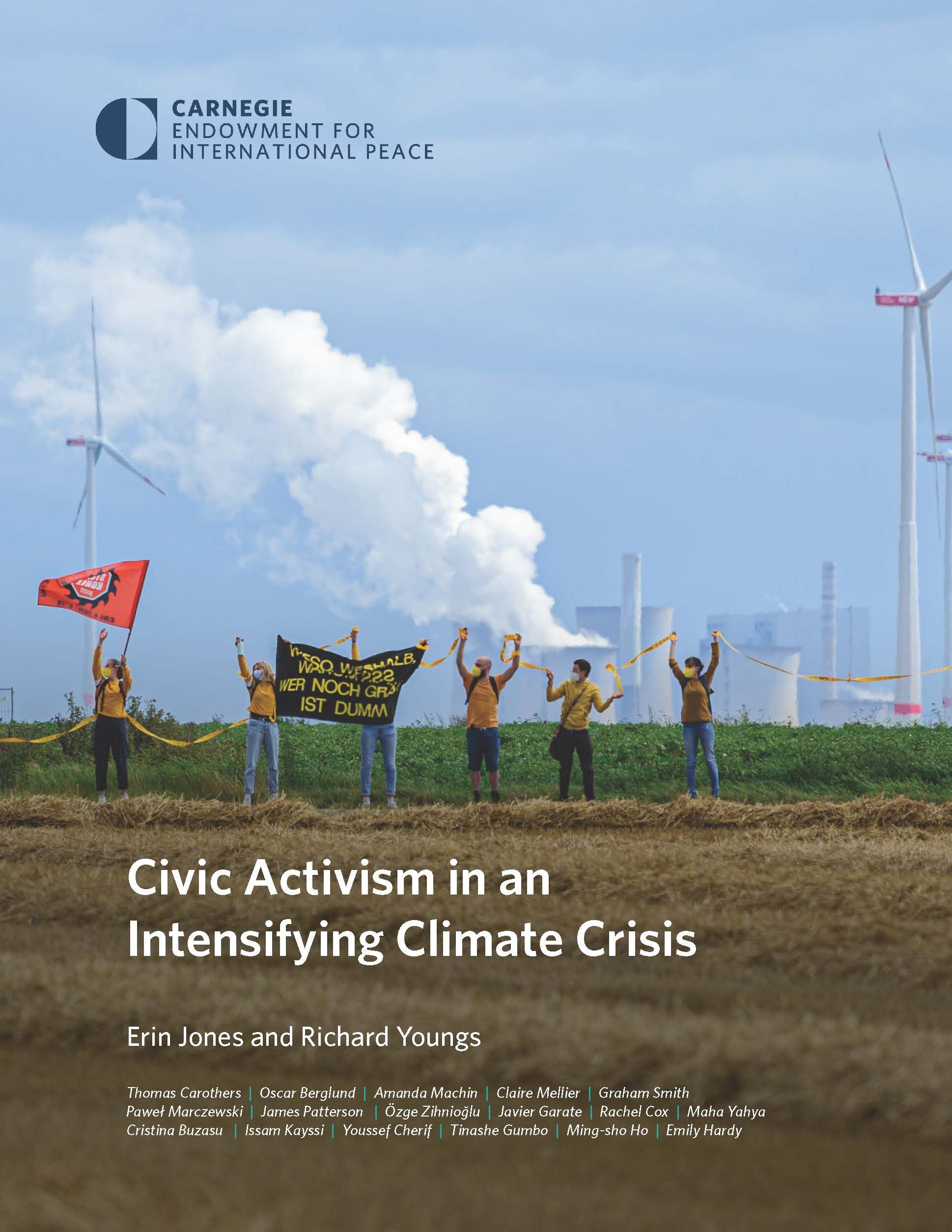
To address the deepening climate crisis, climate activism is employing a wider variety of tactics and aiming at a broader set of goals. In response, the movement faces stronger repression and civic backlash against climate action.

Erin Jones, Richard Youngs
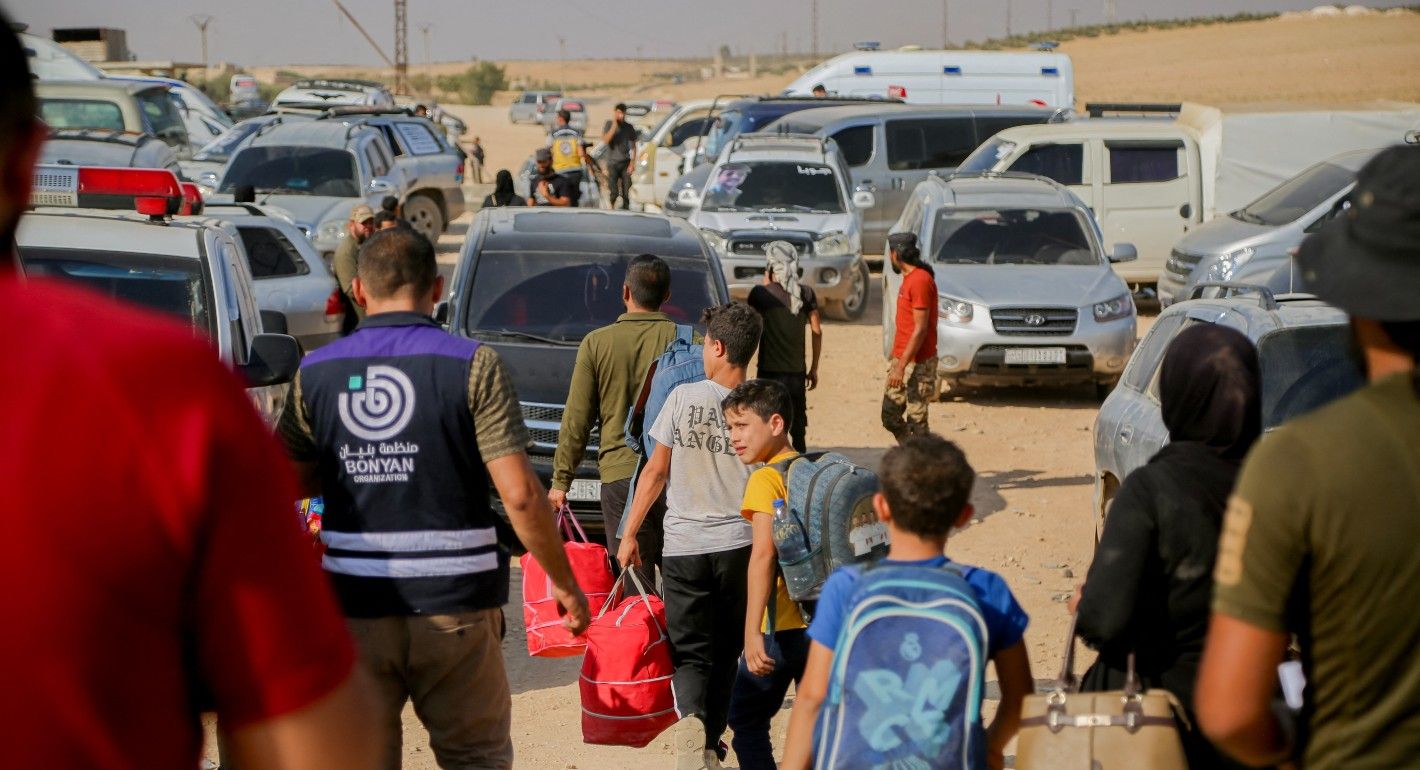
A humanitarian crisis in Lebanon deepens, and Syrian refugees face a perilous choice: remain in a war-torn environment or return to Syria where they risk encountering significant dangers and discrimination. There are significant challenges and risks to their search for safety in Syria.
Haid Haid
In an interview, Abhinav Pandya discusses the multiple facets of India’s ties with the Middle East.

Armenak Tokmajyan